Occasion
Close a Deal
The power tables that have closed more contracts than any boardroom.
A business dinner is theater with consequences. It's where you subtly negotiate power, build trust across appetizers and mains, and leverage the psychology of hospitality to reach agreement. The right restaurant doesn't just feed you, it reinforces your position, makes your client feel valued, and creates the specific ambiance where "yes" feels inevitable.
The best restaurants to close a deal pair private rooms, sommelier-led wine, and tables built for handshakes. Top global picks for 2026 are led by Gibson's Steakhouse in Chicago. Editorial runners-up: Carbone (New York), Per Se (New York).
Never settle for a mediocre reservation.
Join 12,000+ discerning diners. selected tables for every occasion, delivered weekly.
Top Business Dinner Restaurants
Where deals are negotiated and relationships are sealed


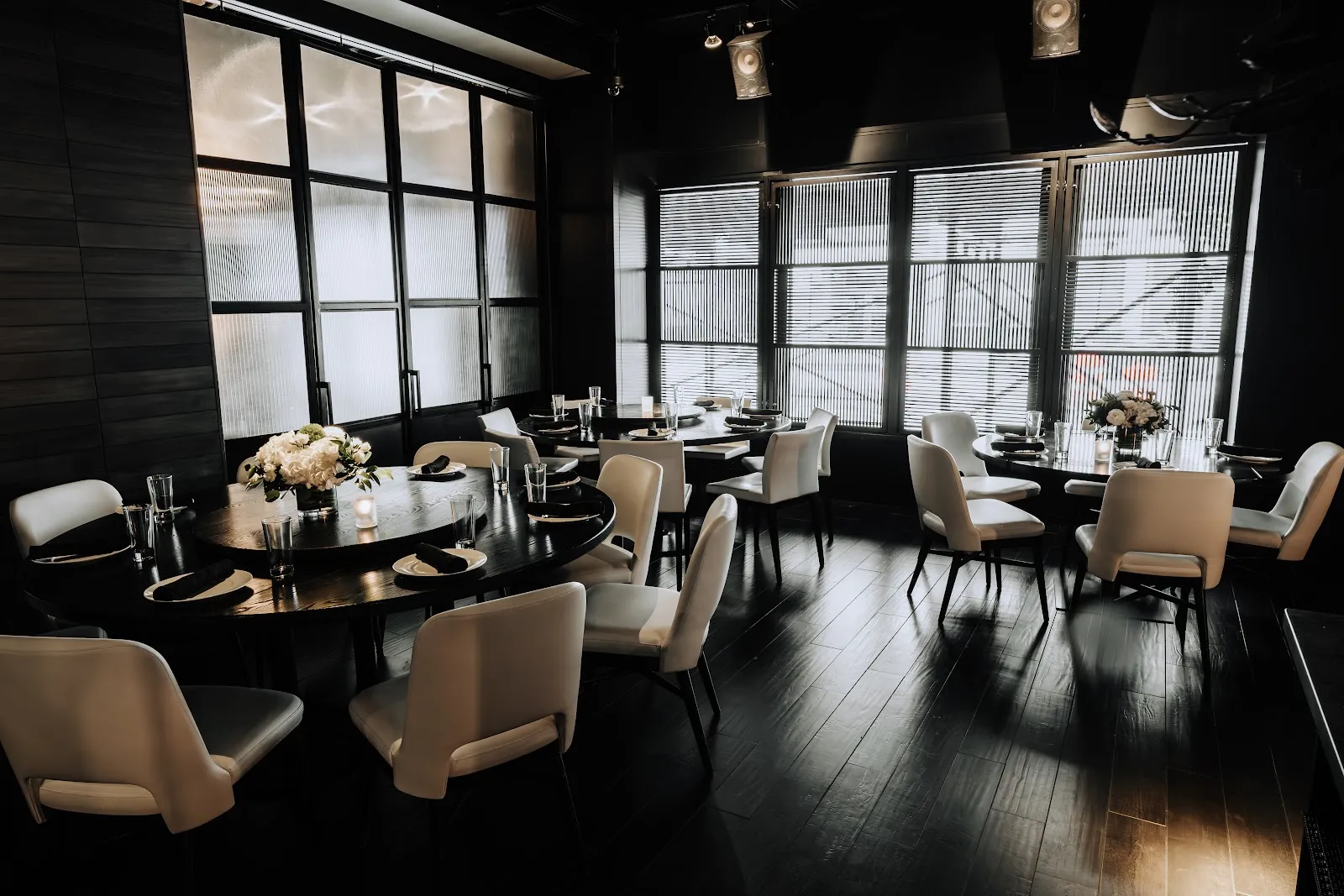


From the Directory — Closing a Deal Picks Worldwide
30 of the best Close a Deal tables across our 830-city directory, ranked by combined Food/Ambience/Value score. Open any to read the full profile.


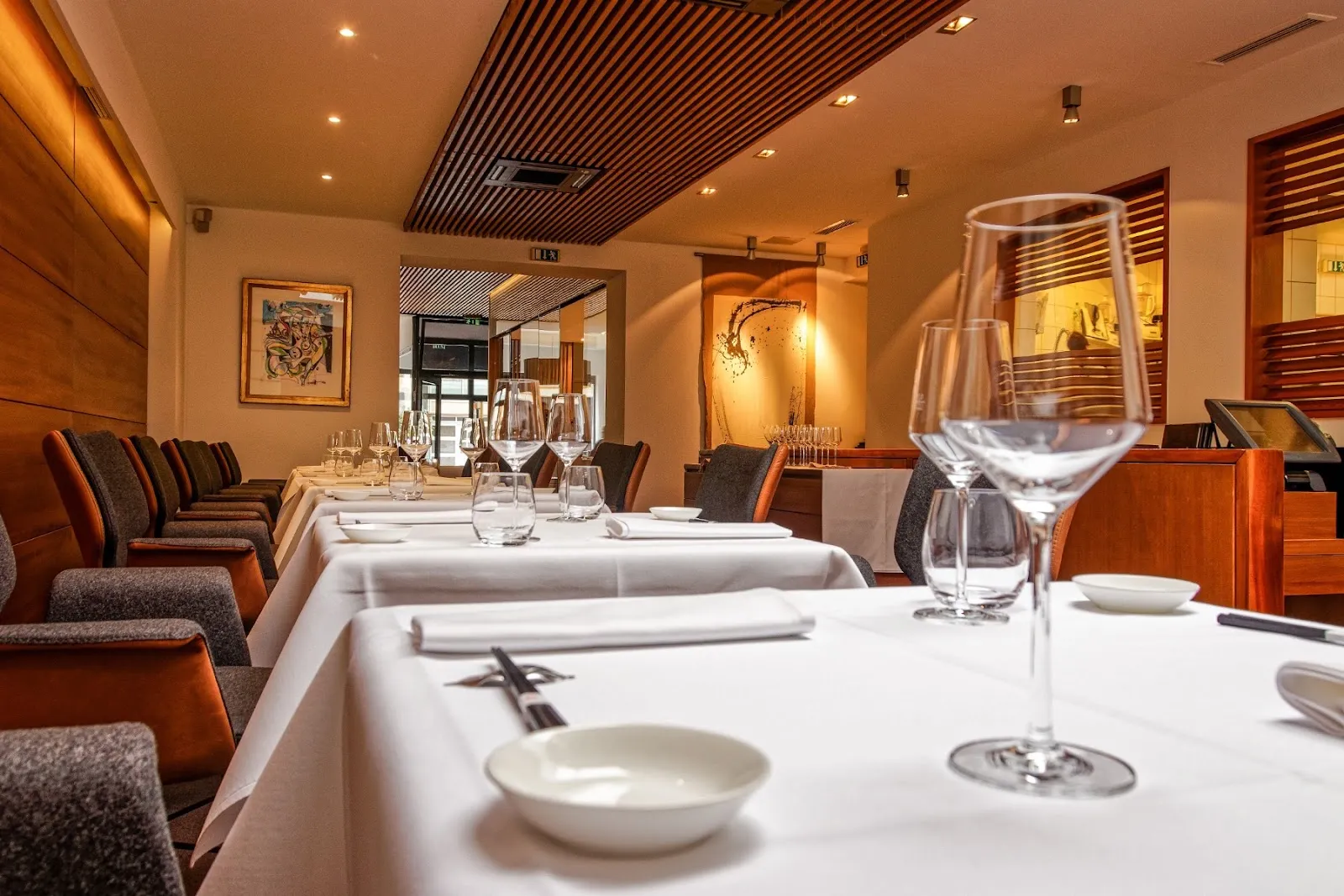
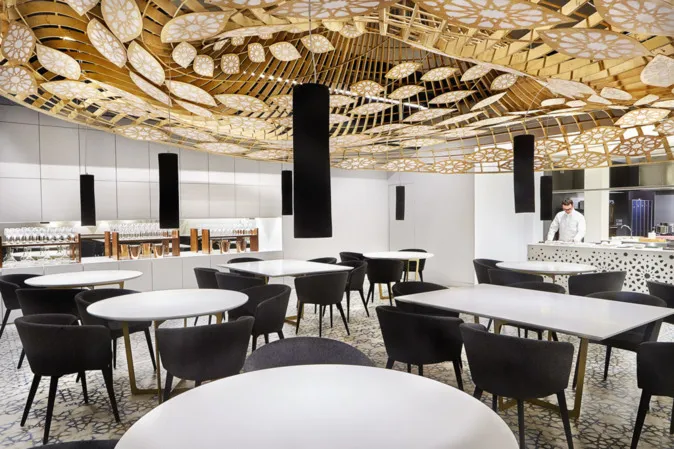


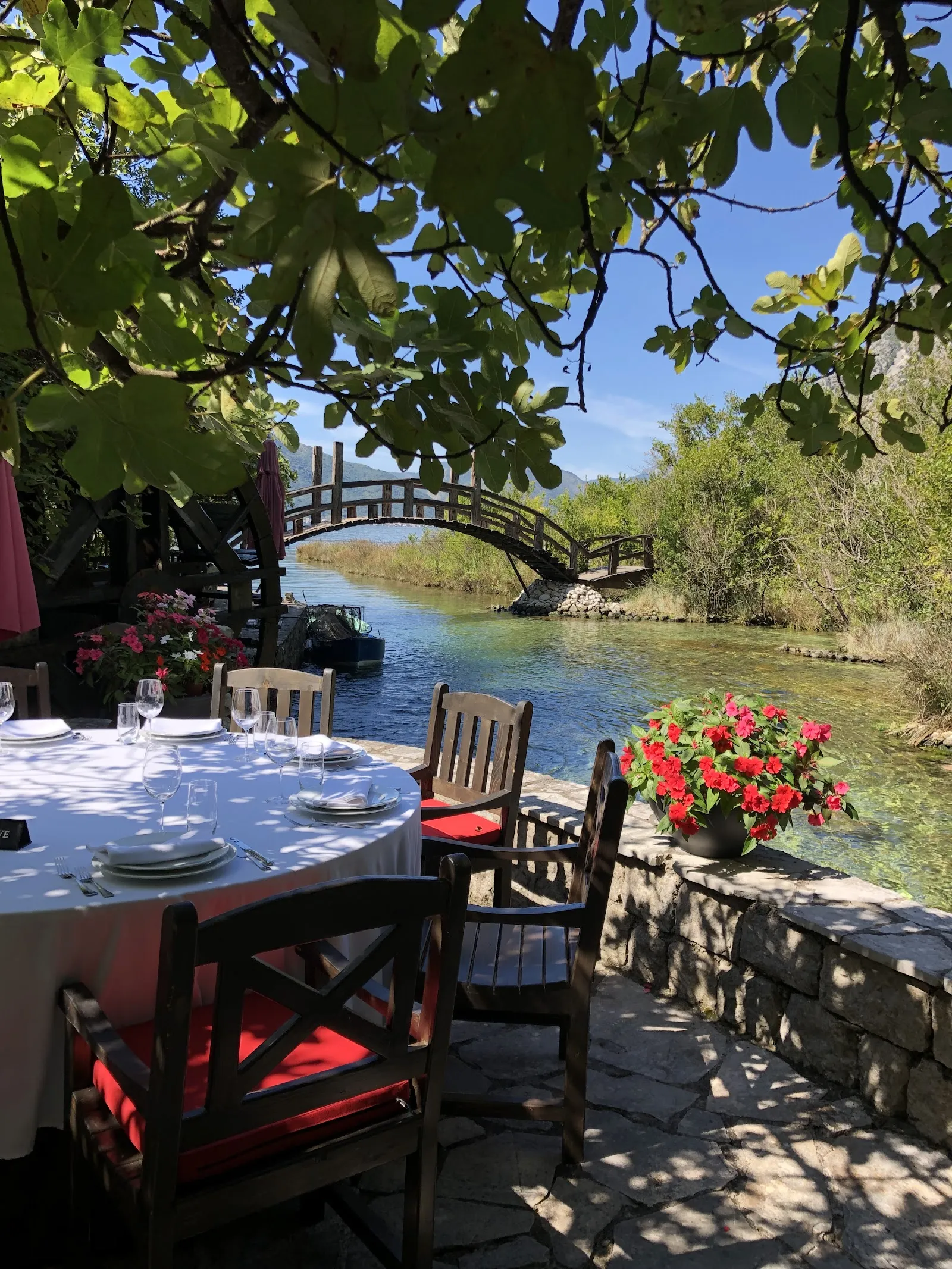



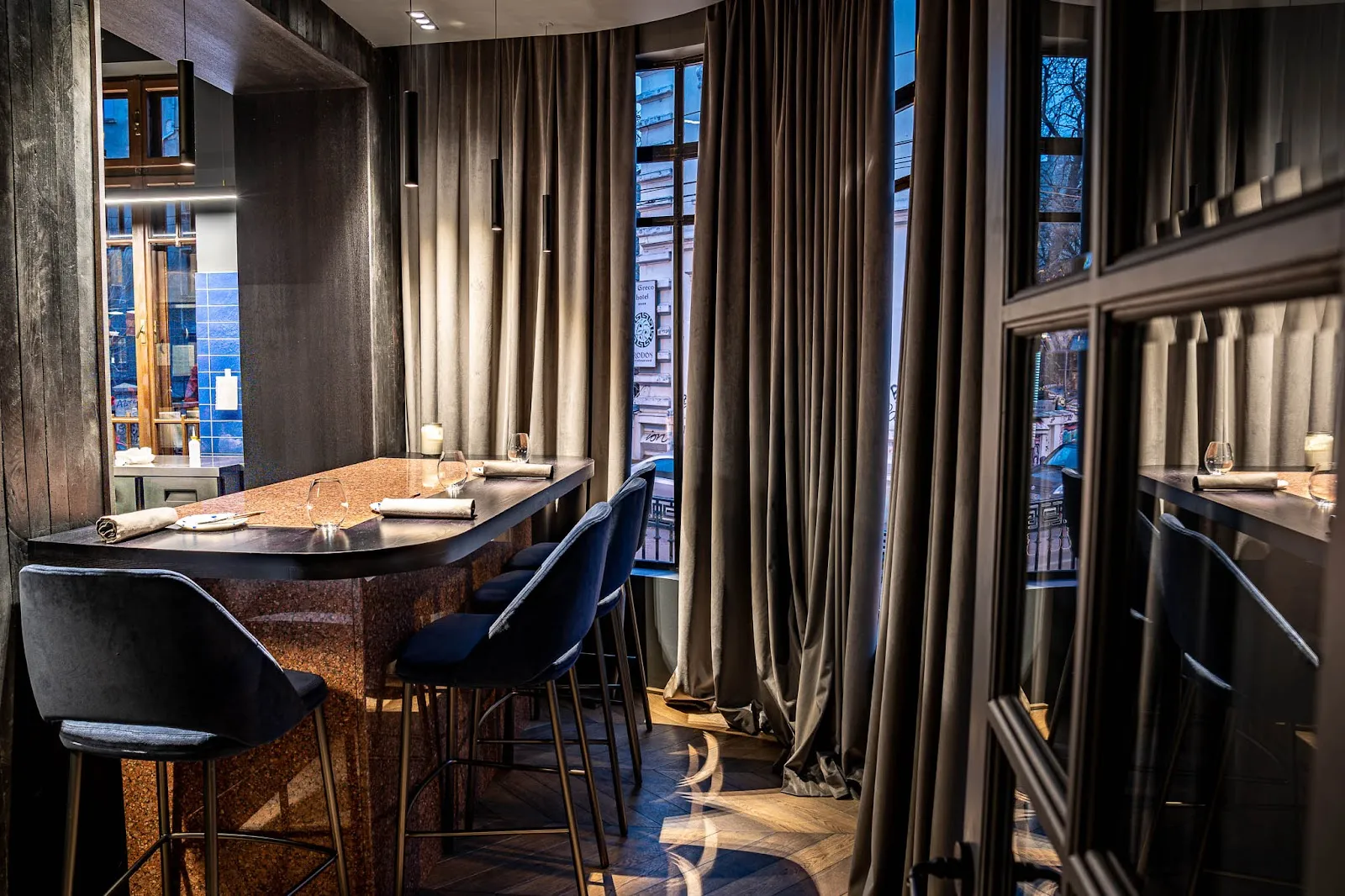
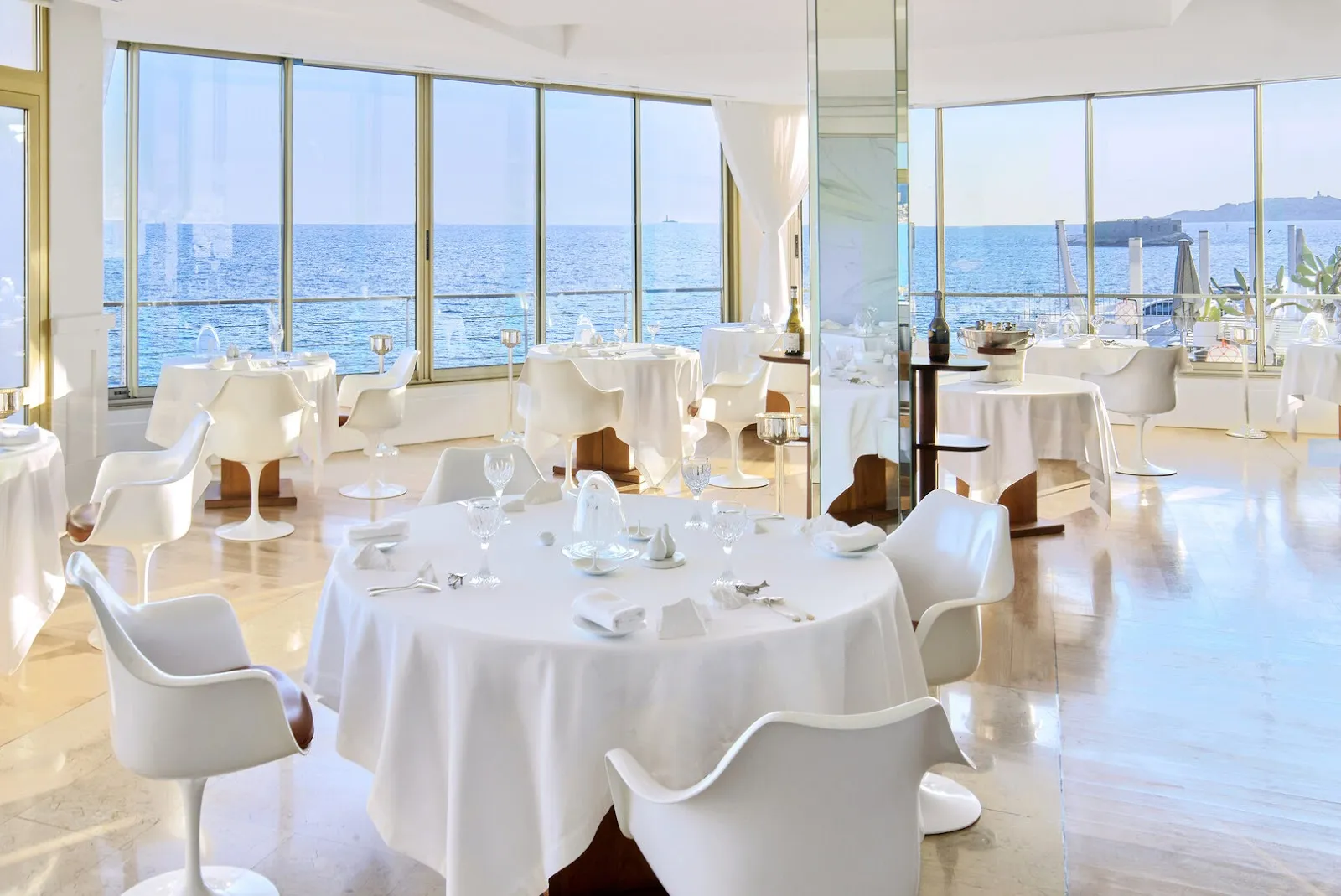
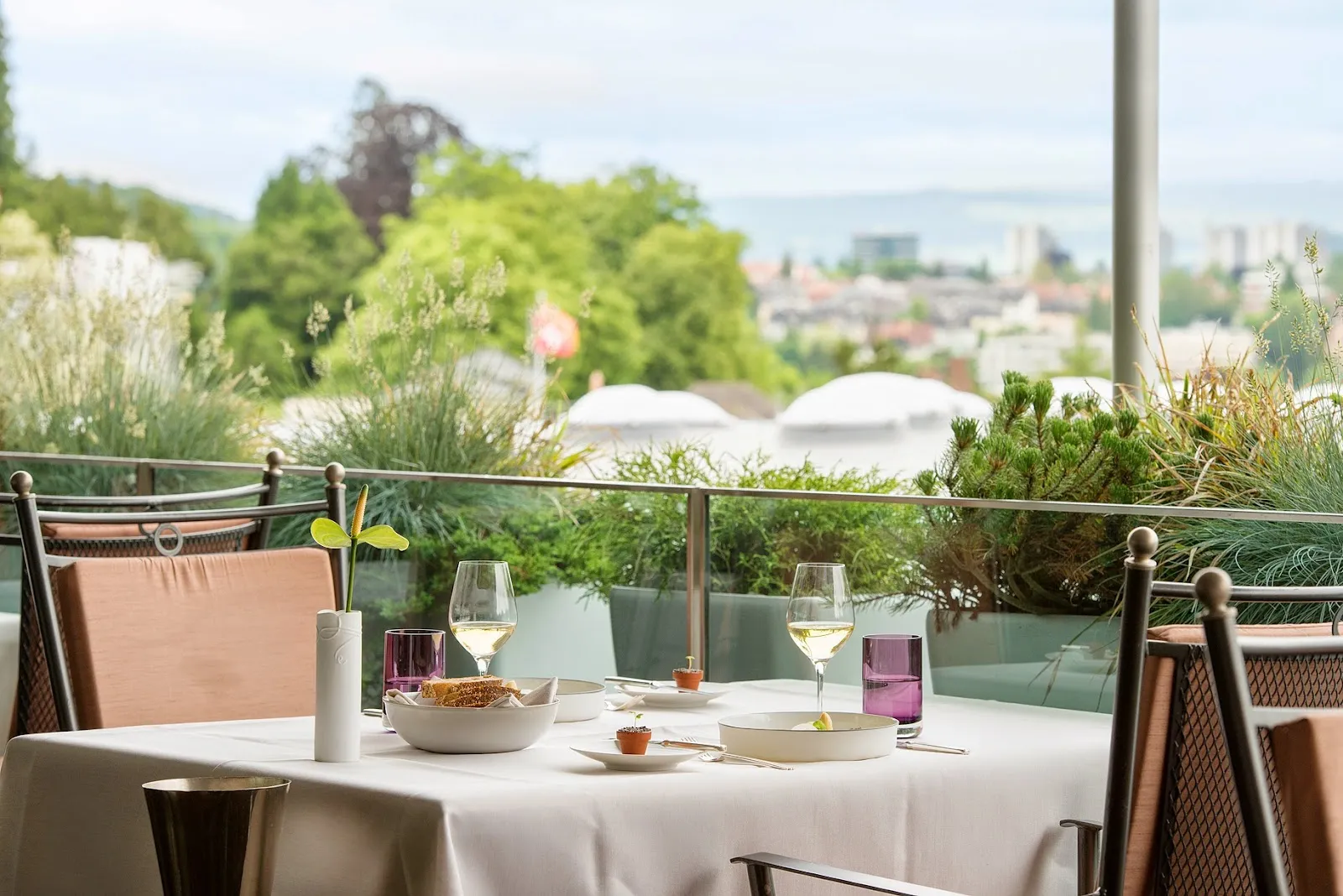
The Architecture of Business Dining
A business dinner is not about hunger. It's about leverage. Every element, the table position, the pace of service, the wine list, the noise level, the proximity to the kitchen, either gives you advantage or gives it to the other side. The best business restaurants understand this instinctively. They've orchestrated their entire operation around one outcome: making you feel like you're in control.
Power Dynamics and Table Placement
The first power move happens before you sit down. The restaurants we've chosen know how to seat people. They understand that corner banquettes are power seats. They know which tables have sight lines to the door (power move). They know how to use the space to make you look influential without it being obvious. A good business restaurant has more than one powerful table; they have dozens, positioned and designed so that whoever books it feels like they've gotten the best seat in the house.
Gibson's and Le Bernardin excel at this. They have the architecture of old-school power embedded in their walls, banquettes with high backs, tables positioned for privacy but not isolation, service stations positioned so servers appear when needed but don't intrude. These aren't modern tricks. They're the accumulated wisdom of generations of hosting important dinners.
But there's a subtlety here. If the restaurant makes the power dynamics too obvious, if it's clear that they've given you the "best" table, it can backfire. Your client might feel like they've been seated in the second-best spot, or worse, like they're being managed. The best business restaurants make every table feel special. Spago, Carbone, and RPM Italian do this through energy and confidence; they make you feel important because everyone in the restaurant looks important.
Service as a Negotiation Tool
Service in a business context is choreography. The server needs to be present without hovering, knowledgeable without being verbose, efficient without rushing you. They need to sense when you're wrapping up a point and when you're in the middle of one. They need to know when to pour wine and when to refill your water glass without interrupting. This is the difference between a good restaurant and a business restaurant.
Le Bernardin is perhaps the gold standard here. The service is so precisely calibrated that you barely notice it's happening. Your water glass is never empty, your wine glass is at the right level, and the next course arrives at the moment when you've finished what's in front of you without a moment of awkward waiting. This isn't just hospitality; it's a power move. It says: "We've done this thousands of times. We know exactly what you need. You're in safe hands."
Per Se and Gibson's operate on similar principles but with different styles. Gibson's brings a touch of grandeur to the service, there's a formality to it that signals importance. Per Se brings precision, an almost military quality to the timing. Both make you feel like you're important enough to warrant this level of attention.
Compare this to a restaurant that hasn't thought through business dining. Servers appear randomly. Water glasses run dry. The next course arrives either before you've finished or long after you've stopped expecting it. These small failures compound. They suggest incompetence, which bleeds into your client's perception of you.
Wine as Currency
Nothing signals confidence like knowing the wine list. The best business restaurants have wine programs that are sophisticated enough to be impressive but not so obscure that you need a degree to navigate them. They understand that ordering wine is a negotiation, you're communicating your taste, your knowledge, your generosity, your control of the evening.
Le Bernardin's wine list is extensive and properly French-focused, with enough New World options to avoid seeming provincial. Spago's list is strong and California-centered, which signals both confidence and regional power. Gibson's wine program is substantial and built for the kind of person who knows what they're drinking. Per Se's program is, unsurprisingly, impeccable.
But the wine program also needs to work for business. You want a sommelier who can suggest something impressive in your price range without making it awkward. You want options that pair well with a variety of dishes (because your client might order something you didn't anticipate). You want bottles that are good enough to impress but not so rare that opening them requires explanation. The restaurants we've chosen have all solved this problem.
Privacy Without Isolation
A business dinner requires a paradox: you need privacy (your client doesn't want their competitors overhearing the details of your deal) but you also need to be seen (the restaurant itself should reinforce that you're important). The best business restaurants solve this through smart architecture. Tables are spaced far enough apart that conversations don't carry. High-backed banquettes create walls. Dim lighting makes it hard for people to eavesdrop across tables. But you're not in a private room; you're in the main dining room, visible, part of the action.
Some restaurants take the private dining room approach, Komodo in particular has excellent private spaces for larger deals or very sensitive negotiations. These are appropriate for some business dinners but not all. A private room says "secret negotiation." The main dining room says "confident decision-making." Choose based on the nature of the deal.
The Psychology of Food
What your client eats matters less than how it makes them feel. There's a reason so many power restaurants are steakhouses. A steak is confident. It's masculine (even if your client is a woman, the confidence is gender-neutral). It's not trying too hard. It's a statement: "We're not doing anything fancy. We're eating well and discussing business." Steaks also have a natural pace; a good steak takes time to eat, which buys you time to negotiate.
But modern business restaurants don't have to be steakhouses. Carbone's Italian is confident in a different way, theatrical, refined, with a sense of history. Le Bernardin's French approach is the ultimate confidence move; it says "I'm cultured enough to bring you here, and you're important enough that we're doing this the right way." Komodo's modern Asian approach works because it's becoming the language of tech and finance power.
The key is that the food should be excellent but not confusing. Your client shouldn't need to wonder whether what they're eating is supposed to taste like that. They should recognize quality immediately and be able to enjoy it without questioning it.
The Signal of the Reservation
Finally, there's the power of the reservation itself. Getting into a restaurant that everyone wants to get into is a power move. Per Se is nearly impossible to book. Le Bernardin has a three-week wait. Gibson's requires knowing someone. Carbone is impossible unless you have connections or call months in advance. These barriers to entry are features, not bugs. When you bring your client to a restaurant that was hard to get into, you're signaling: "I have enough clout to make the impossible happen. I can take care of things. You should trust me."
This is why booking is important. Call directly. Use a relationship if you have one. Make it clear that you're important enough to warrant a good table at a packed restaurant. And then, on the night of the dinner, reference the difficulty casually. "I'm glad we could make this work." This reinforces the power you've already signaled through the reservation.
The bottom line: choose a business restaurant where the infrastructure reinforces your authority. Where the service makes you look good. Where the wine list expands your options. Where the architecture gives you privacy without hiding. Where the food is excellent and confident. Where the reservation itself is a power move. Every element should work together to suggest that you know what you're doing, you're important enough to get what you want, and your client is important enough to warrant the best.
Also Perfect For...
Explore these occasions at the same restaurants
Best Cities for Business Dining
Power dining has its own geography. New York invented the concept of the power restaurant, a dining room where deals are made and reputations are sealed. Chicago's steakhouses are legendary precisely because they haven't changed in decades; stability is its own kind of confidence. Los Angeles's business dining scene has shifted toward modern and chef-driven, reflecting the tech and entertainment industries that dominate the city. London and Hong Kong are the international benchmarks. Know where you are before you choose where to eat.
New York City
Le Bernardin remains the gold standard for New York business dining, French precision, private power, three Michelin stars. Per Se operates at a similar level of near-impossible access and flawless execution. For something more reliably bookable but equally powerful, Carbone signals connections and taste in a way that has made it the default choice for media and finance.
Chicago
Chicago's Gibson's Bar & Steakhouse is a civic institution. The regulars are senators, CEOs, and team owners. The steaks are enormous and excellent. If you want your client to understand immediately that you know how Chicago power works, this is the room. For a more modern approach, Oriole's intimate tasting menu format gives you complete privacy and a shared extraordinary experience.
Los Angeles
Los Angeles business dining is more fluid than New York's, reflecting an industry culture that values creativity alongside power. Spago Beverly Hills is still the default for entertainment deals, Wolfgang Puck's institution is a room full of decision-makers. For tech and venture money, the restaurant choices are younger and more chef-driven.
London
London's business dining scene concentrates in Mayfair and the City. Scott's in Mayfair has been closing deals alongside excellent seafood for decades. The Savoy Grill is the heritage choice. For modern London power, the private dining rooms of Gymkhana and The Ledbury represent the new generation of serious business restaurants where the food is as impressive as the access.
Singapore and Hong Kong
Asian business dining operates on different cultural assumptions. A private room is standard for significant deals, this is not paranoia but protocol. The best business restaurants in Singapore and Hong Kong have private dining as a core offering, and booking a private room signals seriousness that the main dining room cannot. Food quality is extraordinarily high; the culinary benchmark is different here, and your client will notice.
Business Dining, Frequently Asked Questions
Should I book a private dining room or the main room for a deal dinner?
For sensitive negotiations or genuinely confidential discussions, the private room. For relationship-building dinners where you want to be seen, the main room. The main dining room at a power restaurant sends a different message than a private room, it says "I'm confident enough to do business in public." The private room says "this conversation requires discretion." Both are powerful; the choice depends on what message serves you best.
Should I let the client order first or lead the wine choice?
On wine, lead. You have the home advantage, you know the restaurant and presumably have ordered here before. Ask the sommelier for a recommendation in a range you've chosen, which signals both taste and decisiveness without showing your budget. On food, let the client order first if they want to, but have a recommendation ready if they hesitate. Your confidence with the menu is part of the impression you're making.
How much should I spend on a business dinner?
Enough to be impressive, not enough to be alarming. For most senior client dinners, $150, $300 per head before wine is the appropriate range at a top restaurant. Below that, you're signalling that you're not sure this deal is worth investing in. Above $400 per head, you risk making the client uncomfortable about the optics on their side. Wine is where significant variation can occur, a good sommelier can help you find a $200 bottle that drinks like a $400 one.
What's the etiquette around discussing business at dinner?
The first third of the meal is relationship, not business. Talk about anything except the deal. Let the food and service create comfort. The middle of the meal is where business conversations naturally emerge, usually after the main course arrives and the rhythm of the evening is established. The last third is relationship again. Don't close the meeting with a request; close it with warmth. The ask should come before dessert, not with the check.
How do I handle a client who doesn't drink?
Treat it exactly as you would any other dietary preference. Ask the sommelier about non-alcoholic options, the best business restaurants now have serious programs. Order something interesting for yourself if you drink, but don't make your choice the centerpiece of the table. Some of the most effective business dinners in recent years have been completely alcohol-free. The absence of alcohol doesn't reduce the quality of the conversation; sometimes it improves it.
The finest tables. Every occasion.
Weekly curation for discerning diners, free, always.
Best Close a Deal Restaurants by City
selected 2026 picks for close a deal dining in the world's most considered cities.
Read More Close A Deal
In-depth editorial guides from the journal.
Top Tables for Close a Deal, by City
The three highest-scored close a deal restaurants in every priority city.
Dubai
- Al Khayma Heritage Restaurant, · $$$ · 9/10
- Ce la Vi Dubai, · $$$ · 9/10
- Carine, French Mediterranean · $$$ · 9/10
- Trèsind Studio, Indian Contemporary · $$$$ · 9/10
- FZN by Björn Frantzén, Nordic-Asian Fusion · $$$$ · 9/10
- Il Ristorante , Niko Romito, Italian Contemporary · $$$$ · 9/10
- STAY by Yannick Alléno, French Contemporary · $$$$ · 9/10
- Ossiano, Contemporary Seafood · $$$$ · 9/10
- Hōseki, Japanese Omakase · $$$$ · 9/10
- Dinner by Heston Blumenthal, British Heritage · $$$$ · 9/10
- At.mosphere, Continental · $$$$ · 8/10
- La Petite Maison, French Mediterranean · $$$ · 9/10
- Armani/Ristorante, Italian · $$$$ · 8/10
- Pierchic, Seafood · $$$$ · 8/10
- CÉ LA VI, Modern Asian · $$$ · 8/10
- Orfali Bros Bistro, Contemporary Middle Eastern · $$$ · 9/10
- Hakkasan Dubai, Cantonese Chinese · $$$$ · 9/10
- avatāra, Vegetarian Indian Fine Dining · $$$$ · 9/10
- Netsu, Japanese (Warayaki Steakhouse) · $$$$ · 9/10
- Mott 32, Cantonese / Chinese · $$$$ · 9/10
- BOCA, Modern Spanish · $$$ · 9/10
- Row on 45, Modern British Tasting · $$$$ · 9/10
- Moonrise, Emirati-Japanese Fusion · $$$$ · 9/10
- Smoked Room, Smoked Steakhouse · $$$$ · 9/10
- Jamavar Dubai, Indian Fine Dining · $$$$ · 9/10
- Al Muntaha, French-Mediterranean · $$$$ · 9/10
- Manao, Contemporary Thai · $$$ · 9/10
- Jara by Martín Berasategui, Basque Spanish · $$$$ · 9/10
- Estiatorio Milos, Greek Seafood · $$$$ · 9/10
- Mimi Kakushi, Modern Japanese · $$$$ · 9/10
- Sexy Fish Dubai, Japanese Pan-Asian · $$$$ · 9/10
- Beefbar Dubai, Premium Steakhouse · $$$$ · 9/10
- La Dame de Pic Dubai, French Haute Cuisine · $$$$ · 9/10
- TakaHisa, Japanese Omakase · $$$$ · 9/10
- CUT by Wolfgang Puck, American Steakhouse · $$$$ · 9/10
- Rüya Dubai, Turkish · $$$$ · 9/10
- L'Atelier de Joël Robuchon, French · $$$$ · 9/10
- Social by Heinz Beck, Contemporary Italian · $$$$ · 9/10
- StreetXO Dubai, Global Street Food · $$$$ · 9/10
- Amazónico Dubai, Latin American · $$$$ · 9/10
- Trèsind, Modern Indian · $$$$ · 9/10
- Roberto's, Contemporary Italian · $$$$ · 9/10
- CLAP, Contemporary Japanese · $$$$ · 9/10
- Bagatelle, French-Mediterranean · $$$$ · 8/10
- Cipriani, Venetian Italian · $$$$ · 9/10
- Reif Kushiyaki, Japanese / Kushiyaki · $$$ · 9/10
- Indya by Vineet, Indian · $$$$ · 9/10
- Zheng He’s, Contemporary Chinese · $$$$ · 9/10
- La Mar by Gastón Acurio, Peruvian / Nikkei · $$$$ · 9/10
- The Guild, Brasserie / Chophouse · $$$$ · 9/10
- Ninive, Arabic / Mediterranean · $$$ · 9/10
- Ariana's Persian Kitchen, Contemporary Persian · $$$$ · 9/10
- Shanghai Me, Pan-Asian / Chinese · $$$ · 9/10
- Mina Brasserie, Modern French-Mediterranean · $$$$ · 9/10
- Ronin, Contemporary Japanese · $$$$ · 9/10
- SUSHISAMBA Dubai, Japanese · Brazilian · Peruvian · $$$$ · 8/10
- Maiden Shanghai, Regional Chinese · $$$$ · 9/10
- Nammos Dubai, Greek Mediterranean Seafood · $$$$ · 8/10
- Novikov Dubai, Pan-Asian & Italian · $$$$ · 8/10
- ROKA Dubai, Modern Japanese Robatayaki · $$$$ · 9/10
- Mayta Dubai, Contemporary Peruvian · $$$$ · 8/10
- Josette Dubai, Modern Parisian Brasserie · $$$$ · 9/10
- Gigi Rigolatto Dubai, Italian Riviera · $$$$ · 8/10
- Ling Ling Dubai, Contemporary Asian · $$$$ · 8/10
- Morah Dubai, Middle Eastern Mediterranean · $$$ · 9/10
- Thiptara, Royal Thai · $$$ · 9/10
- Fi’lia Dubai, Italian · $$$ · 9/10
- 99 Sushi Bar Dubai, Contemporary Japanese · $$$ · 9/10
- Eauzone, Pan-Asian · $$$ · 9/10
Bangkok
- CHOTE CHITR, Traditional Central Thai · $ · 9/10
- METHAVALAI SORNDAENG, Heritage Central Thai · $$ · 9/10
- RUEN URAI, Central Thai Heritage · $$$ · 9/10
- Le Du Kaan, Modern Thai · $$$$ · 9/10
- Sorn, Southern Thai · $$$$ · 9/10
- Sühring, Modern German · $$$$ · 9/10
- Mezzaluna, French-Japanese · $$$$ · 9/10
- R-Haan, Royal Thai · $$$$ · 9/10
- Côte by Mauro Colagreco, Mediterranean · $$$$ · 9/10
- Baan Tepa, Modern Thai · $$$$ · 9/10
- Potong, Progressive Thai-Chinese · $$$$ · 9/10
- Le Du, Modern Thai · $$$ · 9/10
- Gaggan Anand, Progressive Indian · $$$$ · 9/10
- Inddee, Regional Indian · $$$$ · 9/10
- Le Normandie by Arnaud Dunand, French · $$$$ · 9/10
- Chef's Table at Lebua, French · $$$$ · 9/10
- Issaya Siamese Club, Thai · $$$ · 9/10
- Paste Bangkok, Thai · $$$ · 9/10
- Charmgang, Thai · $$ · 9/10
- Gaa, Contemporary Thai · $$$$ · 9/10
- Cadence by Dan Bark, French-Korean · $$$$ · 9/10
- PRIME STEAK HOUSE, American Steakhouse · $$$$ · 9/10
- POLO FRIED CHICKEN, Northeastern Thai Fried Chicken · $ · 9/10
- THANYING, Royal Court Thai · $$$ · 9/10
- MAY KAIDEE, Thai Vegetarian · $ · 9/10
- MANGO TREE, Central Thai Heritage · $$$ · 9/10
- VERTIGO, Contemporary European Grill · $$$$ · 9/10
- JUA, Modern Thai · $$$$ · 9/10
- BENJARONG, Royal Thai · $$$$ · 9/10
- WATER LIBRARY CHAMCHURI, Progressive Thai · $$$$ · 8/10
- SIROCCO, Mediterranean · $$$$ · 8/10
- NUSARA, Contemporary Thai · $$$$ · 8/10
- HAOMA, Neo-Indian / Sustainable · $$$$ · 8/10
- ELEMENTS, Contemporary European · $$$$ · 8/10
- BAAN ICE, Thai Comfort · $$ · 9/10
- BAAN KAI MUK, Southern Thai · $$ · 9/10
- THE RIVER RESTAURANT AT CAPELLA, International / Thai · $$$$ · 9/10
- VOGUE LOUNGE, Contemporary European · $$$ · 9/10
- GORD BANGKOK, Modern European · $$$ · 9/10
- GINZA ICHI BANGKOK, Japanese Counter · $$$$ · 9/10
- THE DECK AT ARUN RESIDENCE, Thai Fusion · $$$ · 9/10
- INDUS RESTAURANT, North Indian Fine Dining · $$$ · 9/10
- ISSAYA COOKING STUDIO, Contemporary Thai · $$$$ · 9/10
- BAAN PHADTHAI SATHORN, Pad Thai · $ · 9/10
- PRIDI THAI KITCHEN, Traditional Central Thai · $ · 9/10
- SAM, International · $$$ · 9/10
Tokyo
- KANDA YABU SOBA, Handmade Soba · $$ · 9/10
- Sukiyabashi Jiro Roppongi, · $$$ · 9/10
- DAIGO, Shojin Vegetarian Kaiseki · $$$$ · 9/10
- Sazenka, Chinese Kaiseki · $$$$ · 8/10
- Sukiyabashi Jiro, Sushi Omakase · $$$$ · 8/10
- Nihonryori RyuGin, Kaiseki · $$$$ · 9/10
- SÉZANNE, French · $$$$ · 9/10
- Quintessence, French · $$$$ · 9/10
- NARISAWA, Innovative Satoyama · $$$$ · 9/10
- Ginza Kojyu, Kaiseki · $$$$ · 9/10
- Tempura Kondo, Tempura · $$$ · 9/10
- Den, Contemporary Japanese · $$$ · 9/10
- Sushi Kimura, Sushi Omakase · $$$$ · 8/10
- Ishikawa, Kaiseki · $$$$ · 9/10
- Bvlgari Il Ristorante Luca Fantin, Italian · $$$$ · 9/10
- Kohaku, Kaiseki · $$$$ · 9/10
- Sushi Yoshitake, Sushi Omakase · $$$$ · 9/10
- Myojaku, Japanese Cuisine · $$$$ · 9/10
- Joel Robuchon, French Haute Cuisine · $$$$ · 9/10
- Kanda, Kaiseki · $$$$ · 9/10
- Maz Tokyo, Peruvian · $$$$ · 9/10
- ESqUISSE, French · $$$$ · 9/10
- Sushi Arai, Sushi · $$$$ · 9/10
- Crony, French · $$$$ · 9/10
- Sushi Harutaka, Sushi Omakase · $$$$ · 9/10
- Torishiki, Yakitori · $$$ · 9/10
- Tofuya Ukai, Tofu Kaiseki · $$$ · 9/10
- Hakkoku, Sushi Omakase · $$$$ · 9/10
- Yukimura, French-Kaiseki · $$$$ · 9/10
- SUGALABO, Contemporary French-Japanese · $$$$ · 9/10
- AFURI, Yuzu Shio Ramen · $ · 9/10
- KOHAKU, Kaiseki · $$$$ · 9/10
- GINZA SUSHIKO HONTEN, Edomae Sushi · $$$$ · 9/10
- YAKINIKU JUMBO, Premium Yakiniku · $$$$ · 9/10
- , Contemporary French · $$$$ · 9/10
- NOBU TOKYO, Japanese-Peruvian · $$$$ · 9/10
- SAZENKA, Chinese · $$$$ · 9/10
- KOZUE, Kaiseki / Contemporary Japanese · $$$$ · 9/10
- ZURRIOLA, Basque-Japanese · $$$$ · 8/10
- UKAI-TEI, Teppanyaki · $$$$ · 8/10
- TOKAMI, Edomae Sushi · $$$$ · 8/10
- SUSHI YUU, Edomae Sushi · $$$$ · 8/10
- SUSHI SHO, Edomae Sushi · $$$$ · 8/10
- SUSHI OYA, Edomae Sushi · $$$$ · 8/10
- SUSHI KANESAKA, Edomae Sushi · $$$$ · 8/10
- RYUZU, Contemporary French · $$$$ · 8/10
- MATSUKAWA, Kaiseki · $$$$ · 8/10
- LA TOUR D'ARGENT, Classic French · $$$$ · 8/10
- KYUBEY, Edomae Sushi · $$$$ · 8/10
- KIKUNOI AKASAKA, Kaiseki · $$$$ · 8/10
- HARUTAKA, Edomae Sushi · $$$$ · 8/10
- FLORILEGE, Contemporary French-Japanese · $$$$ · 9/10
- ASAKUSA NAKAMISE DINING, Traditional Japanese Café · $ · 10/10
- CHIYODA JAPANESE, Traditional Japanese · $$$$ · 9/10
- OGASAWARA HAKUSHAKUTEI, Classic French · $$$$ · 9/10
- SUSHI SHIN, Edomae Sushi · $$$$ · 9/10
- GINZA SWEETS BAR, Japanese Sweets & Tea · $$ · 9/10
- GINZA KAISEKI TANAKA, Kaiseki · $$$$ · 9/10
- HIBIKI, Contemporary Japanese · $$$ · 9/10
- GINZA SUSHI ANNEX, Edomae Sushi · $$$$ · 9/10
- SUSHI AMAMOTO, Edomae Sushi · $$$$ · 9/10
- HAMACHO KANEKO, Kappo / Japanese · $$$$ · 9/10
- MAZ, Peruvian · $$$$ · 9/10
- RESTAURANT SHUNJU, Creative Japanese · $$$ · 9/10
- MAISON TATERU YOSHINO, Contemporary French · $$$$ · 9/10
- Gen Yamamoto, Cocktail Bar & Japanese Snacks · $$$ · 9/10
- NIHONBASHI YUKARI, Kaiseki · $$$$ · 9/10
- SHUNJI, Contemporary Kaiseki · $$$$ · 9/10
- ROPPONGI HILLS DINING, Contemporary Japanese · $$$$ · 9/10
- TAKANAWA KAISEKI, Kaiseki · $$$$ · 9/10
London
- Clos Maggiore, · $$$ · 9/10
- Padella Borough, Italian / Fresh Pasta · $$ · 9/10
- Dishoom Covent Garden, Indian · $$ · 9/10
- Restaurant Gordon Ramsay, Modern French · $$$$ · 9/10
- Core by Clare Smyth, Modern British · $$$$ · 9/10
- Alain Ducasse at The Dorchester, French Haute Cuisine · $$$$ · 9/10
- The Ritz Restaurant, Modern British · $$$$ · 9/10
- Ikoyi, West African Contemporary · $$$$ · 8/10
- Sketch, Lecture Room, French Contemporary · $$$$ · 8/10
- Scott's, British Seafood · $$$ · 8/10
- Hawksmoor Air Street, British Steakhouse · $$$ · 8/10
- Hakkasan Mayfair, Cantonese · $$$$ · 8/10
- Sexy Fish, Asian Seafood · $$$ · 8/10
- Lyle's, Modern British · $$$ · 8/10
- The River Cafe, Italian · $$$$ · 8/10
- Bonheur by Matt Abé, Contemporary French · $$$$ · 8/10
- The Araki, Japanese / Sushi Omakase · $$$$ · 8/10
- Hélène Darroze at The Connaught, Modern French · $$$$ · 8/10
- Restaurant Story, Modern British Tasting · $$$$ · 8/10
- Claude Bosi at Bibendum, Modern French · $$$$ · 9/10
- A. Wong, Modern Chinese · $$$$ · 8/10
- Marcus, Modern European · $$$$ · 9/10
- Dinner by Heston Blumenthal, Historical British · $$$$ · 9/10
- La Dame de Pic London, Modern French · $$$$ · 8/10
- Kitchen Table, Modern European Tasting · $$$$ · 9/10
- Alex Dilling at Hotel Café Royal, Modern French · $$$$ · 8/10
- The Ledbury, Modern European · $$$$ · 9/10
- Umu, Japanese / Kyoto-style Kaiseki · $$$$ · 8/10
- Pied à Terre, Modern French · $$$$ · 8/10
- The Clove Club, Modern British / Tasting · $$$$ · 9/10
- Hide, Modern European / Tasting · $$$$ · 9/10
- Trivet, Modern European · $$$$ · 8/10
- Frog by Adam Handling, Modern British · $$$$ · 8/10
- Portland, Modern European · $$$ · 8/10
- Benares, Modern Indian · $$$$ · 8/10
- Amaya, Indian / Grill · $$$$ · 9/10
- Quilon, South Indian / Seafood · $$$$ · 8/10
- Jamavar, Modern Indian · $$$$ · 9/10
- Park Chinois, Chinese / Cantonese · $$$$ · 8/10
- Rules, British / Game · $$$$ · 8/10
- J Sheekey, British Seafood · $$$$ · 9/10
- Savoy Grill, British / French Grill · $$$$ · 8/10
- Quo Vadis, Modern British · $$$ · 9/10
- Bob Bob Ricard, Anglo-Russian / European · $$$$ · 8/10
- ROKA Charlotte Street, Japanese / Robatayaki · $$$$ · 9/10
- Zuma, Japanese / Modern Izakaya · $$$$ · 8/10
- Noble Rot Soho, Modern European / Wine · $$$ · 9/10
- Goodman Mayfair, Steakhouse · $$$$ · 8/10
- KOL, Modern Mexican · $$$$ · 8/10
- Akub, International · $$$ · 9/10
Singapore
- THE COCONUT CLUB, Nasi Lemak · $$ · 9/10
- TRUE BLUE CUISINE, Peranakan · $$ · 9/10
- THE NAKED FINN, Sustainable Seafood · $$$ · 9/10
- Zuma Singapore, Japanese Robata · $$$$ · 8/10
- Odette, French Contemporary · $$$$ · 9/10
- Les Amis, French · $$$$ · 9/10
- Restaurant Zén, Nordic / French / Japanese · $$$$ · 9/10
- JAAN by Kirk Westaway, Modern British · $$$$ · 9/10
- Burnt Ends, Modern Australian Barbecue · $$$ · 9/10
- Shoukouwa, Edomae Sushi Omakase · $$$$ · 8/10
- Cloudstreet, Innovative · $$$$ · 8/10
- Whitegrass, French-Japanese · $$$ · 9/10
- Braci, Italian · $$$ · 9/10
- Meta, Modern Korean · $$$ · 9/10
- Waku Ghin, Japanese-European · $$$$ · 8/10
- Saint Pierre, Modern French · $$$$ · 8/10
- Summer Palace, Cantonese · $$$$ · 8/10
- Artemis Grill, Mediterranean · $$$ · 8/10
- Born, Modern · $$$$ · 9/10
- Esora, Japanese · $$$$ · 9/10
- Lerouy, French · $$$$ · 9/10
- Seroja, Nusantara · $$$$ · 9/10
- Marguerite, European · $$$$ · 9/10
- Corner House, French Botanica · 55 · 9/10
- Basque Kitchen by Aitor, Basque · 5$ · 9/10
- TIPPLING CLUB, Progressive European · $$$$ · 8/10
- SHISEN HANTEN, Japanese Sichuan · $$$$ · 8/10
- POLLEN, Contemporary European · $$$$ · 8/10
- IGGY'S, Modern European · $$$$ · 8/10
- CORNER HOUSE, Gastro-Botanica · $$$$ · 8/10
- BACCHANALIA, Contemporary European · $$$$ · 8/10
- THE KNOLLS, Mediterranean · $$$$ · 9/10
- NOBU SINGAPORE, Japanese-Peruvian · $$$$ · 9/10
- OSTERIA BBR, Contemporary Italian · $$$$ · 9/10
- MIKUNI, Contemporary Japanese · $$$$ · 9/10
- , Contemporary French · $$$$ · 9/10
- THE DISGRUNTLED CHEF, Modern European · $$$ · 9/10
- WOOLOOMOOLOO, Australian Steakhouse · $$$ · 9/10
Miami
- Latelier de Joel Robuchon, · $$$ · 10/10
- Café La Trova, Cuban / Cocktail Bar · $$$ · 9/10
- Los Félix, Modern Mexican / Heirloom Corn · $$$ · 9/10
- L'Atelier de Joël Robuchon, Modern French · $$$$ · 9/10
- Stubborn Seed, New American · $$$$ · 9/10
- Cote Miami, Korean Steakhouse · $$$ · 9/10
- Zuma Miami, Japanese Izakaya · $$$$ · 9/10
- Ariete, Cuban-American · $$$$ · 9/10
- Boia De, Italian-American · $$$ · 9/10
- Carbone Miami, Italian-American · $$$$ · 9/10
- The Surf Club Restaurant, Continental American · $$$$ · 9/10
- Nobu Miami, Japanese-Peruvian · $$$$ · 8/10
- Hiden, Japanese / Omakase · $$$$ · 9/10
- Elcielo Miami, Modern Colombian · $$$$ · 9/10
- Tambourine Room by Tristan Brandt, Modern European · $$$$ · 9/10
- Ogawa, Japanese / Omakase · $$$$ · 9/10
- The Den at Azabu, Japanese / Omakase · $$$$ · 9/10
- Shingo, Japanese / Omakase · $$$$ · 9/10
- Mandolin Aegean Bistro, Greek / Turkish · $$$ · 9/10
- Prime 112, Steakhouse · $$$$ · 8/10
- Papi Steak, Steakhouse · $$$$ · 8/10
- The Forge, Steakhouse / American · $$$$ · 8/10
- STK Miami, Steakhouse · $$$$ · 8/10
- Smith & Wollensky Miami, Steakhouse · $$$$ · 8/10
- Ocean Prime Miami, Steakhouse / Seafood · $$$$ · 8/10
- Bourbon Steak Miami, Steakhouse · $$$$ · 9/10
- Red, The Steakhouse, Steakhouse · $$$$ · 8/10
- The Capital Grille Miami, Steakhouse · $$$$ · 8/10
- Uchi Miami, Japanese / Sushi · $$$$ · 9/10
- LPM Miami, French Riviera · $$$$ · 9/10
- Amal Miami, Lebanese / Modern Mediterranean · $$$$ · 9/10
- Chotto Matte Miami, Nikkei (Japanese-Peruvian) · $$$$ · 8/10
- Mr Chow Miami, Chinese · $$$$ · 8/10
- Naoe, Japanese / Omakase · $$$$ · 9/10
- Azabu Miami Beach, Japanese / Sushi · $$$$ · 9/10
- Wabi Sabi by Shuji, Japanese / Omakase · $$$$ · 9/10
- Midorie Omakase, Japanese / Omakase · $$$$ · 9/10
- Casa Tua, Italian · $$$$ · 8/10
- Cecconi's Miami Beach, Italian · $$$$ · 8/10
- Scarpetta Miami Beach, Italian · $$$$ · 9/10
- Forte Dei Marmi, Italian / Tuscan · $$$$ · 8/10
- Il Gabbiano, Italian · $$$$ · 8/10
- Queen Miami Beach, French / Modern European · $$$$ · 8/10
- Contessa Miami, Italian · $$$$ · 8/10
- KYU Miami, Asian Barbecue · $$$$ · 9/10
- Lucali Miami, Italian / Pizza · $$$ · 9/10
- Boulud Sud Miami, Mediterranean · $$$$ · 9/10
- Seaspice, Mediterranean / Seafood · $$$$ · 8/10
Munich
- Restaurant Mark's, French-Mediterranean · $$$ · 10/10
- Spago Munich by Wolfgang Puck, Californian · $$$ · 10/10
- Trader Vic's Munich, Polynesian · $$$ · 10/10
- JAN, International · $$$ · 9/10
- Tohru in der Schreiberei, International · $$$ · 9/10
- Tantris, International · $$$ · 9/10
- Atelier, International · $$$ · 9/10
- Alois , Dallmayr Fine Dining, International · $$$ · 9/10
- Hofbräuhaus, International · $$$ · 9/10
- Theresa Grill Bar, International · $$$ · 8/10
- Viktualienmarkt, International · $$$ · 9/10
- Tantris Maison Culinaire, International · $$$ · 9/10
- Atelier, International · $$$ · 9/10
Hong Kong
- YARDBIRD, Japanese Yakitori · $$$ · 9/10
- HO LEE FOOK, Contemporary Chinese · $$$ · 9/10
- ISLAND TANG, Cantonese · $$$$ · 9/10
- The Chairman, Cantonese Heritage · $$$$ · 9/10
- Wing, Contemporary Chinese · $$$$ · 9/10
- Amber, Modern French · $$$$ · 9/10
- 8½ Otto e Mezzo Bombana, Italian · $$$$ · 8/10
- Caprice, French · $$$$ · 8/10
- Ta Vie, French-Japanese · $$$$ · 8/10
- Sushi Shikon, Japanese Omakase · $$$$ · 8/10
- T’ang Court, Cantonese · $$$$ · 8/10
- Forum, Cantonese · $$$$ · 8/10
- Arbor, Nordic-Japanese · $$$$ · 9/10
- Bo Innovation, X-treme Chinese · $$$$ · 8/10
- Lung King Heen, Cantonese · $$$$ · 8/10
- L’Atelier de Joël Robuchon, French · $$$$ · 8/10
- Tin Lung Heen, Cantonese · $$$$ · 8/10
- Ying Jee Club, Cantonese · $$$ · 9/10
- Tate Dining Room, French-Asian Fusion · $$$$ · 8/10
- Cristal Room by Anne-Sophie Pic, French · $$$$ · 8/10
- Andō, Spanish-Japanese · $$$$ · 9/10
- Mono, Latin · $$$$ · 9/10
- Hansik Goo, Korean · $$$ · 9/10
- Tosca di Angelo, Italian · 55 · 9/10
- Arcane, Contemporary European · 5$ · 9/10
- Epure, French · 55 · 9/10
- L Envol, French · 55 · 9/10
- ZUMA, Izakaya Japanese · $$$$ · 8/10
- VEA, Chinese-French · $$$$ · 8/10
- SUSHI TAKESHI, Edomae Sushi · $$$$ · 8/10
- PETRUS, French · $$$$ · 8/10
- MOTT 32, Modern Chinese · $$$$ · 8/10
- ESTRO, Modern Neapolitan · $$$$ · 8/10
- DUDDELL'S, Cantonese · $$$$ · 8/10
- CHINA TANG, Cantonese · $$$$ · 8/10
- BEEFBAR, Contemporary Steakhouse · $$$$ · 8/10
- SEVENTH SON, Cantonese · $$$$ · 9/10
- HUE DINING, Plant-Based Fine Dining · $$$$ · 9/10
Cape Town
- Chefs Warehouse at Beau Constantia, Modern Cape / Asian-influenced · $$$$ · 9/10
- Foxcroft Restaurant, Modern International / Fine Dining · $$$ · 9/10
- Jordan Restaurant, Modern South African · $$$$ · 9/10
- The Fat Butcher, Steakhouse · $$$ · 8/10
- PIER, Modern Seafood / Fine Dining · $$$$ · 9/10
- Olympia Café, Mediterranean, Café · $$ · 9/10
- Le Quartier Français, Modern South African, French · $$$$ · 9/10
- Heirloom at Cape Grace, Contemporary South African · $$$$ · 8/10
- Azure Restaurant, Contemporary, Cape Cuisine, Seafood · $$$$ · 8/10
- Amura by Ángel León, Spanish / Marine Fine Dining · $$$$ · 9/10
- La Colombe, French / Asian Fusion · $$$$ · 9/10
- FYN, Modern African / Japanese · $$$$ · 9/10
- Nobu Cape Town, Japanese / Peruvian · $$$$ · 8/10
- The Shortmarket Club, Modern South African · $$$ · 9/10
- Maru, Korean Steakhouse · $$$ · 8/10
- Salsify at the Roundhouse, Modern South African · $$$$ · 8/10
- Signal Restaurant, Modern South African · $$$$ · 8/10
- Planet Restaurant, Contemporary / International · $$$$ · 8/10
- Two Oceans Restaurant, Seafood · $$$ · 8/10
- Steenberg Restaurant, Modern South African · $$$$ · 8/10
- Makaron, Contemporary South African · $$$$ · 8/10
Brussels
- Racines, Italian · $$$ · 9/10
- Café des Spores, Belgian / Fungi-Focused · $$ · 8/10
- Le Rabassier, French / Truffle · $$$$ · 8/10
- Comme Chez Soi, Belgian / French · $$$$ · 8/10
- La Paix, Belgian Contemporary · $$$$ · 9/10
- Le Chalet de la Forêt, Classic French · $$$$ · 9/10
- Sea Grill, Seafood Fine Dining · $$$$ · 8/10
- Bozar Restaurant, Belgian Contemporary · $$$$ · 9/10
- La Villa in the Sky, Contemporary · $$$$ · 9/10
- Bon Bon, Contemporary French · $$$$ · 8/10
- La Canne en Ville, Contemporary French · $$$$ · 8/10
- La Villa Lorraine, French Contemporary · $$$$ · 8/10
- Noordzee / Mer du Nord, Seafood Street Food · $$ · 8/10
- Colonel, Contemporary Steak / Grill · $$$ · 8/10
Florence
- Il Borro Tuscan Bistro, Tuscan / Organic · $$$ · 10/10
- Il Grande Nuti, Modern Tuscan · $$$ · 9/10
- Trattoria Mario, Traditional Tuscan · $ · 9/10
- Enoteca Pinchiorri, International · $$$ · 9/10
- Santa Elisabetta, International · $$$ · 9/10
- Gucci Osteria da Massimo Bottura, International · $$$ · 9/10
- Il Palagio, International · $$$ · 9/10
- Borgo San Jacopo, International · $$$ · 9/10
- Trattoria La Casalinga, International · $$$ · 9/10
- Gustapizza, International · $$$ · 9/10
- All'Antico Vinaio, International · $$$ · 9/10
- Trattoria Contadino, International · $$$ · 9/10
- Trattoria dall'Oste, International · $$$ · 8/10
- Trattoria Sabatino, International · $$$ · 9/10
Shanghai
- XIBO, Xinjiang / Northwestern Chinese · $$ · 9/10
- , · $$$ · 9/10
- DI SHUI DONG, Hunan · $$ · 9/10
- Taian Table, German / Asian Fusion · $$$$ · 9/10
- 8½ Otto e Mezzo Bombana, Italian · $$$$ · 9/10
- Fu He Hui, Vegetarian Chinese · $$$$ · 9/10
- 102 House, Cantonese · $$$$ · 9/10
- Da Vittorio Shanghai, Italian Seafood · $$$$ · 9/10
- Meet the Bund, Fujian · $$$$ · 9/10
- Ling Long, Modern Chinese · $$$$ · 9/10
- Jade on 36, French · $$$$ · 9/10
- Imperial Treasure Fine Chinese Cuisine, Cantonese / Shanghainese · $$$ · 9/10
- Bao Li Xuan, Cantonese / Shanghainese · $$$$ · 9/10
- Sir Elly's, European · $$$$ · 9/10
- Ji Pin Court, Cantonese · $$$$ · 9/10
- Wu You Xian, Dim Sum / XiaoLongBao · $$ · 9/10
- Morton's of Chicago, American Steakhouse · $$$ · 8/10
- Fabula, Cantonese-European · 5$ · 9/10
- Jean-Georges Shanghai, French-American · 55 · 9/10
- Yi Long Court, Cantonese · 55 · 9/10
- Phenix, French · 55 · 9/10
- YI LONG COURT, Cantonese · $$$$ · 8/10
- ULTRAVIOLET, Avant-Garde / Techno-emotional · $$$$ · 8/10
- NIGHT SHANGHAI, Shanghainese-French · $$$$ · 8/10
- L'ATELIER ROBUCHON, Contemporary French · $$$$ · 8/10
- JIN XUAN, Cantonese · $$$$ · 8/10
- GRILL 58, International Steakhouse · $$$$ · 8/10
- 1515 WEST CHOPHOUSE, American Steakhouse · $$$$ · 9/10
New Delhi
- SODA BOTTLE OPENERWALA, Irani Café / Parsi · $$ · 9/10
- KARIM'S, Mughal / Old Delhi · $ · 9/10
- , · $$$ · 9/10
- Wasabi by Morimoto, Japanese · $$$$ · 8/10
- Megu, Japanese · $$$$ · 8/10
- Indian Accent, Modern Indian · $$$$ · 9/10
- Bukhara, North Indian / Frontier · $$$$ · 8/10
- Dum Pukht, Awadhi / Mughlai · $$$$ · 9/10
- Le Cirque, French , Italian · $$$$ · 9/10
- Varq, Modern Indian · $$$$ · 9/10
- OKO, Pan-Asian · $$$ · 9/10
- Amaranta, Regional Indian South · $$$$ · 9/10
- BUKHARA, North-West Frontier · $$$$ · 9/10
- OH! CALCUTTA, Bengali · $$$ · 9/10
- THE GRAMMAR ROOM, Contemporary Indian-European · $$$ · 9/10
- Baoshuan, International · $$$ · 9/10
Sarasota
- Selva Grill, · $$$ · 9/10
- Owen's Fish Camp, · $$$ · 9/10
- Speaks Clam Bar, · $$$ · 9/10
- Michael's on East, International · $$$ · 9/10
- Kojo, International · $$$ · 9/10
- Ocean Prime, International · $$$ · 8/10
- Element Modern Steakhouse, International · $$$ · 8/10
- Hyde Park Prime Steakhouse, International · $$$ · 8/10
- The Capital Grille, International · $$$ · 8/10
- Marina Jack, International · $$$ · 8/10
- Cafe L'Europe, International · $$$ · 8/10
- Fleming's Prime Steakhouse, International · $$$ · 8/10
- Louies Modern, International · $$$ · 8/10
- Connors Steak and Seafood, International · $$$ · 8/10
- Rosebud's Steaks and Seafood, International · $$$ · 8/10
- State Street Eating House + Cocktails, International · $$$ · 9/10
Seville
- Bodega Santa Cruz Las Columnas, · $$$ · 9/10
- Taberna Coloniales, · $$$ · 9/10
- Espacio Eslava, · $$$ · 9/10
New York
- Manhatta, New American · $$$ · 9/10
- Minetta Tavern, French Bistro · $$$ · 9/10
- Balthazar, French Brasserie · $$$ · 9/10
- The River Café, New American · $$$$ · 9/10
- Tatiana by Kwame Onwuachi, Afro-Caribbean · $$$ · 9/10
- Peter Luger Steak House, American Steakhouse · $$$ · 8/10
- Crown Shy, New American · $$$ · 9/10
- 4 Charles Prime Rib, American Steakhouse · $$$ · 9/10
- Masa, Edomae Sushi · $$$$ · 8/10
- Eleven Madison Park, Plant-Based Fine Dining · $$$$ · 9/10
- Gabriel Kreuther, French Alsatian · $$$$ · 9/10
- Daniel, French Contemporary · $$$$ · 9/10
- The Modern, French American · $$$$ · 9/10
- Jean-Georges, French Modern · $$$$ · 9/10
- Aquavit, Scandinavian Nordic · $$$$ · 9/10
- COTE, Korean Wagyu · $$$$ · 9/10
- Keens Steakhouse, American Steakhouse · $$$ · 8/10
- Jungsik, Contemporary Korean · $$$$ · 8/10
- Chef's Table at Brooklyn Fare, French-Japanese Omakase · $$$$ · 8/10
- Sushi Sho, Sushi Omakase · $$$$ · 8/10
- Atera, Contemporary American · $$$$ · 8/10
- Torrisi, Italian-American · $$$$ · 9/10
- Le Pavillon, French Contemporary · $$$$ · 8/10
- Sushi Nakazawa, Sushi Omakase · $$$$ · 8/10
- Momofuku Ko, Contemporary American · $$$$ · 8/10
- Aska, International · $$$ · 9/10
Aspen
- Parc, · $$$ · 9/10
- Jing, Asian Fusion · $$ · 8/10
- Ajax Tavern, New American · $$$ · 8/10
- Bosq, Seasonal Tasting Menu · $$$$ · 9/10
- Element 47, Colorado Contemporary · $$$$ · 9/10
- Matsuhisa, Japanese / New Style · $$$$ · 8/10
- PARC, Contemporary Colorado · $$$$ · 8/10
- Casa Tua, Italian · $$$$ · 8/10
- Le Petit Trois, French Bistro · $$$$ · 8/10
- Steakhouse 316, American Steakhouse · $$$ · 8/10
- Monarch Steakhouse, American Steakhouse · $$$$ · 8/10
New Haven
- The Capital Grille, · $$$ · 9/10
- ZINC, · $$$ · 9/10
- Heirloom, New American, Farm-to-Table · $$$ · 9/10
- Union League, French · $$$$ · 8/10
- The Luke Brasserie, French-Mediterranean · $$$ · 9/10
- Cast Iron Chef Chop House, Steakhouse & Oyster Bar · $$$ · 8/10
- Frank Pepe Pizzeria Napoletana, New Haven Apizza · $ · 9/10
- Sally's Apizza, New Haven Apizza · $ · 9/10
Salzburg
- Cafe Tomaselli, · $$$ · 8/10
- Die Weisse, · $$$ · 8/10
- Augustiner Brau, · $$$ · 8/10
- Restaurant Ikarus, Innovative / International · $$$$ · 9/10
- SENNS.Restaurant, Contemporary European · $$$$ · 9/10
- The Glass Garden, Austrian / Contemporary · $$$$ · 9/10
- Restaurant Pfefferschiff, Austrian / International · $$$$ · 9/10
- Restaurant Esszimmer, Modern Austrian · $$$$ · 9/10
- St. Peter Stiftskulinarium, Austrian / Historic · $$$ · 9/10
- M32, Austrian / Mediterranean · $$$ · 9/10
- Restaurant Triangel, Austrian / International · $$$ · 8/10
- Steinterrasse, Austrian / Bar · $$$ · 8/10
- Brandstätter, Austrian / International · $$$ · 8/10
Santorini
- The Athenian House, · $$$ · 9/10
- Metaxi Mas, Cretan, Greek · $$ · 9/10
- Marie Antoinette, · $$$ · 9/10
- Selene, Modern Greek · $$$$ · 9/10
- Lauda, Greek Fine Dining · $$$$ · 9/10
- Botrini's, Contemporary Mediterranean · $$$$ · 9/10
- Varoulko Santorini, Modern Greek Seafood · $$$$ · 9/10
- Koukoumavlos, Creative Mediterranean · $$$$ · 8/10
- Ambrosia, Greek Mediterranean · $$$$ · 9/10
- Esperisma, Modern Mediterranean · $$$$ · 8/10
Milan
- Alice Ristorante, · $$$ · 9/10
- Trattoria Masuelli San Marco, Classic Milanese, Lombard, Piedmontese · €€ · 9/10
- Seta by Antonio Guida, Modern Italian · €€€€ · 9/10
- Enrico Bartolini al Mudec, Modern Italian / Creative · $$$$ · 9/10
- Andrea Aprea, Modern Italian / Neapolitan · $$$$ · 9/10
- Cracco in Galleria, Modern Milanese / Creative · $$$$ · 9/10
- Il Ristorante, Niko Romito, Contemporary Italian · $$$$ · 9/10
- Contraste, Creative Italian / Avant-Garde · $$$$ · 9/10
- Aalto, IYO Kaiseki, Japanese-Italian / Kaiseki · $$$$ · 9/10
- Berton, Modern Italian · $$$$ · 9/10
- Il Luogo di Aimo e Nadia, Modern Italian / Terroir-Driven · $$$$ · 9/10
- Langosteria, Seafood / Italian Mediterranean · $$$$ · 9/10
- Lume, Modern Italian / Creative · $$$$ · 9/10
- Giacomo Arengario, Classic Italian / Milanese · $$$ · 9/10
- Da Giacomo, Classic Milanese / Seafood · $$$ · 8/10
- Zelo, Four Seasons Milan, Contemporary Italian · $$$$ · 8/10
- Iyo Omakase, Japanese Omakase / Sushi · $$$$ · 9/10
- Seta By Antonio Guida, International · $$$ · 8/10
Kuala Lumpur
- Terra Dining, · $$$ · 9/10
- Bijan Bar & Restaurant, Malay Fine Dining · $$ · 9/10
- Isao, Japanese · $$$ · 9/10
- Sushi Hinata, Japanese / Edomae Sushi · $$$$ · 8/10
- Toh Lee at EQ, Cantonese · $$$$ · 8/10
- Dewakan, Modern Malaysian · $$$$ · 9/10
- DC by Darren Chin, French / Japanese · $$$$ · 9/10
- Molina, French / Nordic / Asian · $$$$ · 9/10
- Nadodi, South Indian / Sri Lankan · $$$$ · 8/10
- Sabayon at EQ, Contemporary European · $$$ · 9/10
- Chim by Chef Noom, Thai Fine Dining · $$$$ · 8/10
- Yun House, Cantonese · $$$$ · 8/10
- Marble 8, Steakhouse · $$$$ · 8/10
- Mandarin Grill, Modern Grill · $$$$ · 8/10
- Li Yen, Cantonese · $$$$ · 8/10
- Enfin by James Won, French / Malaysian · $$$$ · 8/10
- Cielo KL, Steak & Seafood · $$$ · 8/10
- Omakase + Appreciate, Japanese Omakase · $$$$ · 8/10
- K Kaiseki, Japanese Kaiseki · $$$$ · 8/10
- Akar, International · $$$ · 9/10
- Thirty8, International · $$$ · 9/10
Salt Lake City
- Bambara, New American · $$$ · 9/10
- Oquirrh, New American · $$$ · 9/10
- Arlo Restaurant, New American · $$$ · 8/10
- Urban Hill, New American · $$$$ · 8/10
- Table X, New American, Tasting Menu · $$$$ · 8/10
- Log Haven, Contemporary American · $$$$ · 9/10
- Spencer's for Steaks & Chops, Steakhouse · $$$$ · 8/10
- Tiburon Fine Dining, Contemporary American · $$$ · 8/10
- Harbor Seafood & Steak Co., Seafood, Steakhouse · $$$ · 8/10
- Wild Grape Bistro, French-American · $$$ · 8/10
Palm Springs
- El Mirasol, · $$$ · 9/10
- Miro's Restaurant, Mediterranean-European · $$$ · 9/10
- Rooster and the Pig, Vietnamese · $$ · 9/10
- Workshop Kitchen + Bar, New American · $$$$ · 9/10
- Bar Cecil, European Brasserie · $$$$ · 9/10
- Le Vallauris, French-Mediterranean · $$$$ · 9/10
- 4 Saints, Modern American · $$$$ · 8/10
- Mr. Lyons, American Steakhouse · $$$$ · 8/10
- Peaks Restaurant, American · $$$ · 8/10
- Copleys On Palm Canyon, International · $$$ · 8/10
- Miros Restaurant, International · $$$ · 9/10
- Spencers Restaurant, International · $$$ · 9/10
Honolulu
- Mariposa, Contemporary American · $$$ · 9/10
- Fête, New American, Farm-to-Table · $$$ · 9/10
- Mugen, Contemporary Hawaiian · $$$$ · 9/10
- La Mer, Neo-Classical French · $$$$ · 9/10
- Senia, Pacific Tasting Menu · $$$$ · 9/10
- Vintage Cave Club, French-Japanese Omakase · $$$$ · 9/10
- Alan Wong's, Hawaii Regional Cuisine · $$$$ · 9/10
- 53 By The Sea, Hawaii Regional Seafood · $$$$ · 9/10
- Tempura Ichika, Tempura Omakase · $$$$ · 9/10
- Bar Māze, Omakase + Cocktail Pairing · $$$$ · 9/10
- Azure, Pacific Seafood · $$$$ · 9/10
- Solera, Japanese-Hawaii Regional · $$$$ · 9/10
- The Signature Prime Steak & Seafood, Premium Steakhouse · $$$$ · 9/10
- Morton's The Steakhouse, Premium Steakhouse · $$$$ · 8/10
- Helena's Hawaiian Food, Traditional Hawaiian · $ · 8/10
Paris
- Alain Ducasse Plaza Athenee, · $$$ · 9/10
- Guy Savoy, French Haute Cuisine · $$$$ · 9/10
- Hotel Particulier Montmartre, · $$$ · 9/10
- Le Cinq, Contemporary French · $$$$ · 9/10
- L'Arpège, Vegetable-Forward French · $$$$ · 9/10
- Le Jules Verne, Contemporary French · $$$$ · 8/10
- Plénitude, Contemporary French · $$$$ · 9/10
- Kei, French-Japanese · $$$$ · 9/10
- Alléno Paris, Contemporary French · $$$$ · 8/10
- Épicure, Contemporary French · $$$$ · 9/10
- La Tour d'Argent, Classic French · $$$$ · 9/10
- Pierre Gagnaire, Avant-Garde French · $$$$ · 8/10
- Le Gabriel, Contemporary French · $$$$ · 9/10
- Taillevent, Classic French · $$$$ · 8/10
- L'Abysse, Japanese Omakase · $$$$ · 8/10
- Le Grand Véfour, Classic French · $$$$ · 8/10
- Le Pré Catelan, Contemporary French · $$$$ · 9/10
- Le Train Bleu, Classic French Brasserie · $$$ · 9/10
- L'Ami Jean, Basque French Bistro · $$ · 9/10
- Allard, Classic French Bistro · $$$ · 8/10
- Brasserie Bofinger, Alsatian Brasserie · $$ · 9/10
- Le Comptoir du Relais, Gastro Bistro · $$ · 9/10
- LE GRAND RESTAURANT, Contemporary French · $$$$ · 9/10
- LASSERRE, Classic French · $$$$ · 9/10
- Le Moulin de la Galette, International · $$$ · 9/10
- SUBSTANCE, Contemporary French · $$$$ · 9/10
- VIRTUS, Contemporary French · $$$ · 9/10
- YAM'TCHA, French-Chinese · $$$ · 9/10
- AU PIED DE COCHON, Classic French / Brasserie · $$$ · 9/10
- AUX LYONNAIS, Lyonnais Bouchon · $$$ · 9/10
- CAFÉ DE LA PAIX, Classic French · $$$ · 9/10
- CHEZ OMAR, Moroccan / North African · $$ · 9/10
- COMICE, Contemporary French · $$$ · 9/10
- LAPÉROUSE, Classic French · $$$$ · 9/10
- MAISON DE LA TRUFFE, French / Truffle-Focused · $$$$ · 9/10
- POLIDOR, Classic French Bistro · $ · 9/10
- LE RELAIS DE L'ENTRECÔTE, Steak-Frites · $$ · 9/10
Vail
- Alpenrose Vail, · $$$ · 9/10
- Matsuhisa, · $$$ · 9/10
- Tavernetta Vail, Italian · $$$$ · 9/10
- Sweet Basil, New American · $$$$ · 9/10
- Matsuhisa Vail, Japanese / Peruvian · $$$$ · 8/10
- La Tour Restaurant, French-American · $$$$ · 9/10
- Osaki's, Japanese Sushi · $$$$ · 8/10
- Vail Chophouse, Prime Steakhouse · $$$$ · 8/10
- Montauk Seafood Grill, Seafood · $$$ · 8/10
- Bistro 14, Mountain American · $$$ · 8/10
- Elway's Vail, American Steakhouse · $$$ · 8/10
- The Remedy Bar + Kitchen, Mountain Contemporary · $$$ · 8/10
- Arrabelle Square Bar & Grill, American Grill · $$$ · 8/10
Colorado Springs
- Summit at The Broadmoor, · $$$ · 9/10
- The Rabbit Hole, · $$$ · 9/10
- Four by Brother Luck, · $$$ · 9/10
- The Penrose Room, Contemporary European · $$$$ · 9/10
- Carlos' Bistro, French-American · $$$ · 9/10
- Grand View, New American · $$$ · 9/10
- The Cliff House Dining Room, New American · $$$$ · 8/10
- The Steakhouse at Flying Horse, Prime Steakhouse · $$$$ · 8/10
- Cowboy Star, American Steakhouse & Butcher · $$$ · 8/10
- Prime 25, Prime Steakhouse · $$$ · 8/10
- MacKenzie's Chop House, Classic Steakhouse · $$$ · 8/10
- Peppertree Restaurant, Continental · $$$$ · 8/10
- The Pinery at the Hill, American Event Dining · $$$$ · 8/10
- La Baguette French Bakery, French Bakery & Bistro · $ · 8/10
Porto
- Casa Guedes, Portuguese Sandwiches · $ · 9/10
- Cantina 32, · $$$ · 9/10
- Café Santiago, Traditional Portuguese · $ · 9/10
- Antiqvvm, Contemporary Portuguese · $$$$ · 9/10
- The Yeatman, Contemporary Portuguese · $$$$ · 9/10
- Euskalduna Studio, Contemporary Tasting Menu · $$$$ · 9/10
- Pedro Lemos, Contemporary Portuguese · $$$$ · 9/10
- DOP by Rui Paula, Contemporary Portuguese · $$$ · 9/10
- Le Monument, French-Portuguese · $$$$ · 9/10
- Vila Foz, Contemporary Portuguese · $$$$ · 9/10
- Gastro by Elemento, Contemporary Portuguese · $$$$ · 9/10
- Casa de Chá da Boa Nova, Contemporary Portuguese · $$$$ · 9/10
- Flow, Contemporary European · $$$ · 8/10
- O Buraco, Traditional Portuguese · $ · 9/10
- Brasão Coliseu, Traditional Portuguese · $ · 9/10
- Gazela, Portuguese Street Food · $ · 9/10
Bordeaux
- Le Chapon Fin, · $$$ · 9/10
- Le Bordeaux Gordon Ramsay, · $$$ · 9/10
- Le Pressoir d'Argent Gordon Ramsay, Classic French · $$$$ · 9/10
- La Grande Maison de Bernard Magrez, Contemporary French · $$$$ · 9/10
- La Grand’Vigne, Seasonal French · $$$$ · 9/10
- Maison Nouvelle, Contemporary French · $$$$ · 9/10
- Hostellerie de Plaisance, Creative French · $$$$ · 9/10
- Le Pavillon des Boulevards, Classic French · $$$$ · 8/10
- Le Gabriel, French · $$$$ · 8/10
- Bar à Vin du CIVB, Wine Bar · $$ · 9/10
Chicago
- Alinea, New American · $$$$ · 9/10
- Bavette's Bar & Boeuf, French Steakhouse · $$$ · 9/10
- Elske, Contemporary American · $$$ · 9/10
- Esmé, Modern American · $$$$ · 9/10
- Roister, American · $$$ · 9/10
- The Publican, American · $$$ · 8/10
- Joe's Seafood Prime Steak & Stone Crab, Seafood · $$$$ · 8/10
- Maple & Ash, American · $$$$ · 8/10
- RPM Steak, American · $$$$ · 8/10
- Frontera Grill, Regional Mexican · $$$ · 9/10
- Gene & Georgetti, Italian-American Steakhouse · $$$$ · 8/10
- Tre Dita, Italian · $$$$ · 9/10
- Swift & Sons, American · $$$$ · 8/10
- Chicago Cut Steakhouse, American · $$$$ · 8/10
- Mastro's Steakhouse, American · $$$$ · 8/10
- Smith & Wollensky, American · $$$$ · 8/10
- Momotaro, Japanese · $$$$ · 9/10
- The Capital Grille, American · $$$$ · 8/10
- Tavern on Rush, American · $$$$ · 8/10
- Benny's Chop House, American · $$$$ · 8/10
- Trattoria No. 10, Italian · $$$ · 9/10
- RL Restaurant, American · $$$$ · 8/10
- Volare Ristorante Italiano, Italian · $$$ · 8/10
- Harry Caray's Italian Steakhouse, Italian-American Steakhouse · $$$$ · 8/10
- The Berghoff, German · $$$ · 9/10
- Smyth, Contemporary American · $$$$ · 9/10
- Ever, Contemporary American · $$$$ · 8/10
- Mako, Japanese Omakase · $$$$ · 8/10
- Sepia, Contemporary American · $$$ · 8/10
- Next Restaurant, Concept / Avant-Garde · $$$$ · 8/10
- Longman & Eagle, American (Gastropub) · $$ · 9/10
- Atelier, Folk Cuisine (Tasting Menu) · $$$$ · 9/10
- Aba, Modern Mediterranean · $$$ · 9/10
Lagos
- NOK by Alara, Pan-African, Contemporary African · $$$$ · 9/10
- 788 On the Sea Lagos, · $$$ · 9/10
- Rococo Restaurant Lagos, · $$$ · 9/10
- Kapadoccia, Turkish / Mediterranean · $$$ · 9/10
- Cactus Restaurant, Nigerian / International · $$$ · 9/10
- Talindo Steak House, Steakhouse · $$$$ · 8/10
- University of Suya, Nigerian Street Food · $ · 9/10
- Kaizen Sushi, Japanese / Sushi · $$$ · 8/10
- The Wheatbaker Restaurant, Contemporary International · $$$$ · 8/10
- Shiro Lagos, International · $$$ · 9/10
- Turaka Lagos, International · $$$ · 9/10
Monterey
- Marinus at Bernardus Lodge, · $$$ · 9/10
- Passion fish, · $$$ · 9/10
- Dametra Cafe, · $$$ · 9/10
- Aubergine, New American Tasting Menu · $$$$ · 9/10
- Chez Noir, Coastal California Seafood · $$$$ · 8/10
- The Sardine Factory, Seafood & Prime Steaks · $$$ · 8/10
- Maligne, Contemporary European · $$$ · 8/10
- Jacks Monterey, Contemporary California · $$$ · 8/10
- Whaling Station Steakhouse, Prime Steakhouse · $$$ · 8/10
- The Restaurant at MBA, Sustainable American · $$ · 8/10
- Rocky Point Restaurant, Coastal California · $$ · 8/10
- Will's Fargo Dining House, Western Heritage Steakhouse · $$ · 8/10
Mumbai
- Britannia & Co., Parsi Heritage · $$ · 9/10
- The Bohri Kitchen, Bohri Muslim, Home Dining · $$ · 9/10
- Gaijin, Modern Japanese, Neo-Izakaya · $$ · 9/10
- Masque, Modern Indian Tasting Menu · $$$$ · 9/10
- Wasabi by Morimoto, Japanese Fine Dining · $$$$ · 9/10
- Ziya, Modern Indian · $$$$ · 9/10
- Hakkasan, Chinese Fine Dining · $$$$ · 8/10
- By The Mekong, Pan-Asian · $$$$ · 9/10
- INKA, Peruvian-Asian · $$$$ · 9/10
- SoBo 20, Franco-American · $$$$ · 9/10
- Le Cirque Signature, European Fine Dining · $$$$ · 8/10
- Aer, International / Sky Lounge · $$$$ · 8/10
- China House, Chinese · $$$ · 8/10
- Soho House Mumbai, International / Members Club · $$$ · 8/10
- Papa's, Asian · $$$ · 9/10
- Americano, American · $$$ · 9/10
Nairobi
- Graze Steakhouse Sankara, · $$$ · 9/10
- Slate, · $$$ · 9/10
- INTI, A Nikkei Experience, Japanese, Peruvian, Nikkei · $$$$ · 9/10
- Tambourin, Levantine, Middle Eastern, Arabian · $$$$ · 8/10
- Copper The Urban Grill, Steakhouse, International · $$$ · 8/10
- The Lord Erroll, French / European · $$$$ · 8/10
- Seven Seafood & Grill, Seafood & Steakhouse · $$$ · 8/10
- Fogo Gaucho, Brazilian Steakhouse · $$$ · 8/10
- Trattoria, Italian · $$ · 8/10
- The Carnivore, International · $$$ · 9/10
Newport Beach
- Pelican Grill, New American, California · $$$ · 9/10
- 21 Oceanfront, Seafood, Continental, American · $$$ · 8/10
- Nobu Newport Beach, Japanese, New Style · $$$$ · 8/10
- Marche Moderne, French · $$$$ · 9/10
- Ocean 48, Seafood / Steakhouse · $$$$ · 8/10
- Andrea, Italian · $$$$ · 8/10
- SET Steak & Sushi, Steak / Japanese · $$$$ · 8/10
- A Restaurant, American / Steakhouse · $$$ · 8/10
- The Rusty Pelican, Seafood / American · $$$ · 8/10
- Coliseum Pool & Grill, Mediterranean / American · $$$$ · 8/10
Sun Valley
- Rominna's, · $$$ · 9/10
- Rickshaw, · $$$ · 9/10
- The Roundhouse, · $$$ · 9/10
- Fiamma, Live Fire Italian · $$$$ · 8/10
- Michel's Christiania, French Fine Dining · $$$$ · 9/10
- The Ram, American Continental · $$$ · 9/10
- Grill at Knob Hill, Rocky Mountain American · $$$ · 8/10
- Pioneer Saloon, American Steakhouse · $$$ · 8/10
- Duchin Lounge, American Cocktail Lounge · $$$ · 8/10
Tbilisi
- Vino Underground, · $$$ · 8/10
- Cafe Littera, Nouveau Georgian · $$$ · 9/10
- Funicular Restaurant, Georgian · $$$ · 8/10
- Restaurant Kalaki, Fine Dining Georgian · $$$ · 9/10
- Stamba Cafe, Georgian / International · $$$ · 8/10
- ATI Restaurant, International / Georgian · $$$ · 8/10
- Shemomechama, Georgian / Khinkali · $ · 8/10
- Dinner in the Sky Georgia, International Fine Dining · $$$$ · 8/10
- Cloud 9, Georgian / International · $$$ · 8/10
- Maspindzelo, Traditional Georgian · $ · 8/10
- Leila, North Caucasus / Kist · $ · 8/10
- Mapshalia, Traditional Georgian · $ · 8/10
Telluride
- 221 South Oak, New American · $$$ · 9/10
- Allred's, Contemporary American · $$$$ · 9/10
- Alpino Vino, Northern Italian · $$$$ · 9/10
- New Sheridan Chop House, Steakhouse · $$$$ · 8/10
- The New Tunnel Supper Club, New American · $$$$ · 8/10
- Bon Vivant, French Country · $$$$ · 8/10
- The Grand, New American · $$$ · 8/10
Tucson
- Café à la C'Art, Contemporary American / Bistro · $$ · 9/10
- Mi Nidito, Sonoran Mexican · $ · 9/10
- The Parish, · $$$ · 9/10
- BATA, Contemporary American · $$$$ · 8/10
- The Grill at Hacienda del Sol, Southwestern / American · $$$$ · 9/10
- CORE at The Ritz-Carlton, Contemporary American / Sonoran · $$$$ · 8/10
- Wildflower American Cuisine, New American · $$$ · 8/10
- Arizona Inn Main Dining Room, American / Continental · $$$ · 8/10
- Charro Steak & Del Rey, Steakhouse / Southwestern · $$$ · 8/10
- Fleming's Prime Steakhouse, Prime Steakhouse · $$$$ · 8/10
- Janos, Contemporary Southwestern · $$$$ · 8/10
Warsaw
- Epoka, Modern Polish · $$$$ · 9/10
- Moonsfera, · $$$ · 8/10
- Nobu Warsaw, Japanese Fusion · $$$$ · 8/10
- Nuta, Italian-Polish-Asian · $$$$ · 9/10
- hub.praga, Hyperlocal Polish · $$$$ · 9/10
- Szóstka, Seafood · $$$ · 9/10
- Europejski Grill, Modern Polish · $$$ · 9/10
- Belvedere, Polish-European · $$$ · 9/10
- Atelier Amaro, Creative Polish · $$$$ · 8/10
- Stixx Bar & Grill, Steakhouse · $$$ · 8/10
- Bristol Bar, Classic Polish · $$$ · 8/10
- Butchery & Wine, Steakhouse · $$$ · 8/10
- Platter by Karol Okrasa, Modern Polish · $$$$ · 8/10
- Nolita, International · $$$ · 9/10
Berlin
- Henne, Berlin Institution / Roasted Chicken · $ · 9/10
- Grill Royal, Premium Steakhouse · $$$$ · 9/10
- Lavanderia Vecchia, Traditional Italian · $$ · 9/10
- Rutz, Contemporary German · $$$$ · 9/10
- Lorenz Adlon Esszimmer, Contemporary European · $$$$ · 9/10
- Restaurant Tim Raue, Asian-Inspired Contemporary · $$$$ · 9/10
- CODA, Avant-Garde Patisserie / Desserts · $$$$ · 9/10
- Horváth, Contemporary Austrian · $$$$ · 9/10
- FACIL, Contemporary Mediterranean · $$$$ · 9/10
- Pauly Saal, Contemporary German · $$$ · 9/10
- Hugos, Contemporary International · $$$$ · 9/10
Beverly Hills
- Spago, California Modern · $$$$ · 10/10
- Matsuhisa Beverly Hills, · $$$ · 9/10
- Ocean Prime Beverly Hills, · $$$ · 9/10
- CUT by Wolfgang Puck, Modern Steakhouse · $$$$ · 9/10
- Urasawa, Omakase Sushi · $$$$ · 9/10
- Il Cielo, Italian Romantic · $$$$ · 9/10
- Avra Beverly Hills, Mediterranean Seafood · $$$$ · 9/10
- Cipriani Beverly Hills, Venetian Italian · $$$$ · 8/10
- Mastro's Beverly Hills Penthouse, Luxury Steakhouse · $$$$ · 9/10
- Nozawa Bar, Omakase Sushi · $$$$ · 9/10
- Steak 48, Modern Steakhouse · $$$$ · 8/10
- Funke, Italian Handmade Pasta · $$$ · 9/10
- Cut Beverly Hills, International · $$$ · 9/10
- Funke Beverly Hills, International · $$$ · 9/10
- Mastros Penthouse Beverly Hills, International · $$$ · 9/10
- Steak 48 Beverly Hills, International · $$$ · 9/10
Boulder
- Flagstaff House Restaurant, · $$$ · 9/10
- Black Cat Bistro, · $$$ · 9/10
- River and Woods, · $$$ · 9/10
- Frasca Food and Wine, Friulian Italian · $$$$ · 9/10
- Flagstaff House, Contemporary American · $$$$ · 9/10
- Corrida, Spanish Steakhouse · $$$$ · 9/10
- VINCA on Pearl, Modern European · $$$ · 8/10
- Zoe Ma Ma, Chinese · $ · 9/10
- Steakhouse No. 316, American Steakhouse · $$$ · 8/10
Dublin
- Hawksmoor Dublin, Steak / Seafood · $$$ · 9/10
- Allta, Modern Irish / Seafood · $$$ · 9/10
- FIRE Steakhouse & Bar, Steakhouse / Irish · $$$ · 9/10
- Chapter One by Mickael Viljanen, Contemporary Irish / Nordic · $$$$ · 9/10
- Restaurant Patrick Guilbaud, Contemporary Irish / Classical French · $$$$ · 9/10
- Liath, Modern Irish · $$$$ · 9/10
- D'Olier Street, Modern European · $$$$ · 8/10
- Glovers Alley, Modern European · $$$$ · 9/10
- One Pico, Modern French · $$$ · 8/10
- Dax, Modern French · $$$ · 8/10
- L'Ecrivain, Modern Irish / French · $$$$ · 8/10
- Mulberry Garden, Modern Irish · $$$$ · 8/10
- Boeuf, Steakhouse · $$$ · 8/10
- The Greenhouse, Contemporary Irish / Scandinavian · $$$$ · 8/10
- The Pig's Ear, Modern Irish · $$$ · 8/10
- Featherblade, Steakhouse · $$ · 8/10
Istanbul
- Olden 1772, Contemporary Seasonal · $$$$ · 9/10
- Spago Istanbul, Modern American / Italian · $$$$ · 9/10
- Beyti, Ottoman Kebab / Turkish Grill · $$$ · 9/10
- TURK Fatih Tutak, Contemporary Turkish · $$$$ · 9/10
- Mikla, New Anatolian · $$$$ · 9/10
- Neolokal, Contemporary Turkish · $$$ · 9/10
- Nicole, Modern Turkish · $$$$ · 9/10
- Tuğra Restaurant, Ottoman / Turkish · $$$$ · 9/10
- Arkestra, Contemporary European · $$$ · 9/10
- Sunset Grill & Bar, International / Japanese · $$$$ · 9/10
- Topaz, Ottoman-Mediterranean · $$$$ · 9/10
- Bebek Balıkçı, Seafood / Turkish · $$$$ · 9/10
- Lacivert, Contemporary Turkish Seafood · $$$$ · 9/10
- Aqua at Four Seasons Bosphorus, Mediterranean Seafood · $$$$ · 9/10
- Sankai by Nagaya, Japanese · $$$$ · 9/10
- Zuma Istanbul, Japanese Robata · $$$$ · 8/10
- 360 Istanbul, International · $$$ · 9/10
Venice
- Al Covo, Venetian Seafood · $$$ · 9/10
- Club del Doge, Modern Italian, Venetian · $$$$ · 9/10
- Harry's Bar, Venetian Classic, Italian · $$$$ · 9/10
- Glam Enrico Bartolini, International · $$$ · 9/10
- Ristorante Quadri, International · $$$ · 9/10
- Osteria da Fiore, International · $$$ · 9/10
- Venissa, International · $$$ · 9/10
- Cantina Do Mori, International · $$$ · 9/10
- Agli Amici Dopolavoro, International · $$$ · 9/10
- Osteria alle Testiere, International · $$$ · 9/10
- Bar All'Arco, International · $$$ · 9/10
- Cantine del Vino già Schiavi, International · $$$ · 9/10
- Alla Vedova, International · $$$ · 9/10
- Cantina Do Spade, International · $$$ · 9/10
Zanzibar
- The Palms Zanzibar, · $$$ · 9/10
- Upendo Beach Restaurant, · $$$ · 9/10
- Baraza Sultan Restaurant, · $$$ · 9/10
- The Rock Restaurant, Indian Ocean Seafood · $$$ · 9/10
- Emerson Spice Tea House, Swahili Tasting Menu · $$$ · 9/10
- Kilindi Zanzibar, International / East African · $$$$ · 8/10
- The Palms Zanzibar, Zanzibari / International · $$$$ · 8/10
- Lukmaan Restaurant, Authentic Swahili / Tanzanian · $ · 8/10
- Z Hotel Rooftop, Contemporary International · $$$ · 8/10
- Forodhani Gardens Night Market, Zanzibar Street Food · $ · 9/10
- Baraza Resort & Spa Restaurant, East African / International · $$$$ · 8/10
- Bahari Restaurant at Tembo House, International / Seafood · $$ · 8/10
- Zanzibar Coffee House, Café & Utengule Arabica · $ · 9/10
Seoul
- Mingles, Modern Korean · $$$$ · 9/10
- Balwoo Gongyang, Korean Temple Cuisine · $$$ · 9/10
- La Yeon, Korean Haute Cuisine · $$$$ · 9/10
- San, Modern Korean · $$$$ · 9/10
- Jungsik, New Korean · $$$$ · 9/10
- Kwonsooksoo, Modern Korean · $$$$ · 9/10
- Soigné, Contemporary Korean · $$$$ · 9/10
- Evett, Modern Korean / European · $$$$ · 9/10
- Onjium, Korean Court Cuisine · $$$$ · 9/10
- Eatanic Garden, Modern Korean · $$$$ · 9/10
- Mosu, Contemporary Korean · $$$$ · 9/10
- Bium, Korean Fine Dining · $$$$ · 9/10
- Gaon, Korean Fine Dining · $$$$ · 9/10
- Zest, Korean Contemporary · $$$ · 9/10
- Pierre Gagnaire à Séoul, French · $$$$ · 9/10
- STAY by Yannick Alléno, French · $$$$ · 9/10
- Born & Bred, Korean Beef · $$$$ · 9/10
Helsinki
- Restaurant Shelter, · $$$ · 9/10
- The Room Kozeen Shiwan, · $$$ · 9/10
- Restaurant Savoy, Finnish-French · $$$ · 9/10
- Restaurant Palace, Nordic, Haute Cuisine · $$$$ · 9/10
- Restaurant Grön, Nordic, Plant-Based Fine Dining · $$$$ · 9/10
- Restaurant Olo, Nordic, Tasting Menu · $$$$ · 9/10
- Demo, Nordic, Contemporary · $$$$ · 9/10
- Finnjävel Salonki, Finnish, Heritage Fine Dining · $$$$ · 9/10
Melbourne
- Ides, Modern Australian · $$$ · 9/10
- Ishizuka, Japanese Kaiseki · $$$$ · 9/10
- Cutler & Co, Modern Australian · $$$ · 9/10
- Atria, Modern Australian · $$$$ · 9/10
- Vue de Monde, Modern Australian · $$$$ · 9/10
- Attica, Modern Australian · $$$$ · 9/10
- Minamishima, Japanese Omakase · $$$$ · 9/10
- Gimlet at Cavendish House, Modern Bistro · $$$ · 9/10
- Kisume, Japanese · $$$ · 9/10
- Society, Modern Australian · $$$ · 9/10
- Maison Bâtard, French · $$$$ · 9/10
- Grossi Florentino, Italian Fine Dining · $$$$ · 9/10
- Amaru, Modern Australian · $$$ · 9/10
- Kazuki's, Japanese-French · $$$$ · 9/10
- Rockpool Bar & Grill, Contemporary Steakhouse · $$$$ · 9/10
- France Soir, International · $$$ · 9/10
Monte Carlo
- Marlow, British Contemporary · $$$ · 10/10
- Mada'One, Contemporary Mediterranean · $$$ · 10/10
- Cipriani Monte Carlo, Italian Venetian · $$$$ · 9/10
- Le Louis XV, Alain Ducasse, International · $$$ · 9/10
- Blue Bay Marcel Ravin, International · $$$ · 9/10
- L'Abysse Monte-Carlo, International · $$$ · 9/10
- Pavyllon Monte-Carlo, International · $$$ · 9/10
- Le Grill, International · $$$ · 8/10
- Le Vistamar, International · $$$ · 8/10
- Le Bar Américain, International · $$$ · 8/10
- Les Ambassadeurs Christophe Cussac, International · $$$ · 9/10
- Pavyllon Monte Carlo, International · $$$ · 9/10
Cairo
- Khufu's Restaurant, Egyptian Contemporary · $$$$ · 9/10
- Crimson Bar Grill, · $$$ · 9/10
- Byblos Four Seasons, · $$$ · 9/10
- Pier 88 Nile River, Italian Fine Dining · $$$$ · 9/10
- Sachi, Japanese & Mediterranean · $$$$ · 9/10
- Kazoku, Contemporary Japanese · $$$$ · 9/10
- The Grill, French / Steakhouse · $$$$ · 9/10
- 8, Four Seasons, Chinese · $$$$ · 8/10
- Zooba, Egyptian Street Food · $ · 9/10
- Eight Four Seasons Nile Plaza, International · $$$ · 9/10
- Zitouni Four Seasons, International · $$$ · 9/10
Santa Barbara
- Boathouse at Hendry's Beach, Seafood · $$ · 9/10
- Finch & Fork, New American · $$$ · 9/10
- Olio e Limone Ristorante, Italian · $$$ · 9/10
- Silvers Omakase, Japanese Omakase · $$$$ · 9/10
- Caruso's, Italian-Californian · $$$$ · 9/10
- The Stonehouse, New American · $$$$ · 9/10
- Yoichi's, Japanese Kaiseki · $$$$ · 9/10
- Barbareño, Californian · $$$ · 9/10
- Los Agaves, Mexican · $ · 9/10
- Carusos Rosewood Miramar, International · $$$ · 9/10
- The Stonehouse San Ysidro Ranch, International · $$$ · 9/10
Stockholm
- AIRA, Modern Nordic · $$$$ · 10/10
- Frantzén, Nordic-Japanese · $$$$ · 10/10
- Brasserie Astoria, French Brasserie · $$$ · 10/10
- Celeste, Modern European · $$$$ · 9/10
- Operakällaren, Nordic-French · $$$$ · 9/10
- Ergo, Modern Nordic · $$$$ · 9/10
- Adam/Albin, Nordic-Creative · $$$ · 9/10
- Etoile, Creative / Sustainable · $$$$ · 9/10
- Stadshuskällaren, Swedish / Nordic · $$$$ · 9/10
- Oaxen Krog, New Nordic · $$$$ · 9/10
- Restaurang AG, Premium Steakhouse · $$$ · 9/10
- Restaurang Hantverket, Swedish Artisanal · $$$ · 9/10
- Fotografiska, Plant-Forward Nordic · $$$ · 9/10
Vienna
- Silvio Nickol Gourmet Restaurant, Contemporary Austrian · $$$$ · 9/10
- Tian Vienna, · $$$ · 9/10
- Steirereck Im Stadtpark, · $$$ · 9/10
- Steirereck im Stadtpark, Contemporary Austrian · $$$$ · 9/10
- Amador, Modern Creative · $$$$ · 9/10
- Konstantin Filippou, Contemporary Seafood · $$$$ · 9/10
- Doubek, Creative Fire Cuisine · $$$$ · 9/10
- [aend], Creative Contemporary · $$$$ · 9/10
- Restaurant Edvard, Contemporary Austrian · $$$$ · 9/10
- Das Loft, Contemporary European · $$$$ · 9/10
- Glasswing, Contemporary European · $$$$ · 9/10
- Café Central, Viennese Coffeehouse · $$ · 9/10
Charlotte
- La Belle Helene, · $$$ · 9/10
- Dressler's Restaurant, American Steakhouse · $$$ · 9/10
- The Fig Tree Restaurant, · $$$ · 9/10
- Sullivan's Steakhouse, Classic Steakhouse · $$$ · 8/10
- Peppervine, Contemporary American · $$$$ · 8/10
- Omakase by PrimeFish, Japanese Omakase · $$$$ · 8/10
- Chima Steakhouse, Brazilian Churrascaria · $$$ · 8/10
- The Capital Grille, Classic Steakhouse · $$$$ · 8/10
- Counter-, Contemporary Tasting Menu · $$$$ · 9/10
- Kindred, Contemporary American · $$$ · 9/10
- Rada, Mediterranean Contemporary · $$$ · 9/10
- The Fig Tree, New American · $$$ · 9/10
- McNinch House, French / Continental · $$$$ · 9/10
- Steak 48, Prime Steakhouse · $$$$ · 9/10
- Fahrenheit Charlotte, New American / Rooftop · $$$ · 9/10
Denver
- Annette, Contemporary American · $$$ · 9/10
- Williams & Graham, · $$$ · 9/10
- Potager, · $$$ · 9/10
- The Wolf's Tailor, Contemporary American · $$$$ · 9/10
- Beckon, Contemporary American · $$$$ · 9/10
- Kizaki, Japanese Omakase · $$$$ · 8/10
- Guard and Grace, Modern Steakhouse · $$$$ · 8/10
- Tavernetta, Italian · $$$$ · 8/10
- Barolo Grill, Northern Italian · $$$$ · 9/10
- Panzano, Italian · $$$ · 8/10
- Elway's, American Steakhouse · $$$$ · 8/10
- Glo Noodle House, Chinese / Noodles · $$ · 9/10
- El Five, Mediterranean / Pan-Latin · $$$ · 9/10
- Mercantile Dining Provision, International · $$$ · 9/10
Dubrovnik
- Oyster & Sushi Bar Bota, Japanese, Seafood, Dalmatian Fusion · $$$ · 9/10
- Restaurant Posat, Mediterranean, Seafood · $$$ · 9/10
- Proto, · $$$ · 9/10
- Restaurant 360, Mediterranean / French · $$$$ · 9/10
- Nautika, Adriatic Seafood · $$$$ · 9/10
- Above 5 Rooftop, Mediterranean · $$$$ · 9/10
- Restaurant Dubrovnik, Mediterranean · $$$$ · 9/10
- Gradska Kavana Arsenal, Croatian Mediterranean · $$$ · 9/10
- Sesame, Traditional Dalmatian · $$ · 9/10
- Panorama Restaurant Bar, Mediterranean · $$$ · 9/10
- Fish Bar El Pulpo, Croatian Seafood · $$ · 9/10
Irvine
- Bistango, New American · $$$$ · 9/10
- Fukada Restaurant, Japanese · $ · 9/10
- Mastro's Ocean Club, American Steakhouse, Seafood · $$$$ · 9/10
- Ruth's Chris Steak House, American Steakhouse · $$$$ · 8/10
- HiroNori Craft Ramen, Japanese Craft Ramen · $$ · 9/10
- The Ranch Restaurant, American Grill & Steakhouse · $$$ · 8/10
Los Angeles
- Nobu Malibu, · $$$ · 9/10
- Spago Beverly Hills, · $$$ · 9/10
- Horses, French-American · $$$ · 9/10
- Providence, Contemporary Seafood · $$$$ · 9/10
- Somni, Spanish Modernist · $$$$ · 9/10
- Hayato, Japanese Kaiseki · $$$$ · 9/10
- Mélisse, Contemporary American · $$$$ · 8/10
- Vespertine, Avant-Garde American · $$$$ · 8/10
- n/naka, Modern Kaiseki · $$$$ · 8/10
- Osteria Mozza, Italian · $$$ · 8/10
- Nobu, Japanese-Peruvian · $$$ · 8/10
Louisville
- Brendons Catch 23, · $$$ · 9/10
- Mill Iron 4, · $$$ · 9/10
- Jeff Rubys Steakhouse, · $$$ · 9/10
- 610 Magnolia, Southern / Korean · $$$$ · 8/10
- Jack Fry's, New American / Southern · $$$ · 8/10
- Vincenzo's, Northern Italian · $$$$ · 8/10
- Jeff Ruby's Steakhouse, American Steakhouse · $$$$ · 8/10
- The Capital Grille, American Steakhouse · $$$$ · 8/10
- Repeal Oak Fired Steakhouse, Oak-Fired Steakhouse · $$$ · 8/10
- The English Grill, Contemporary American · $$$$ · 8/10
- The Oak Room, American / Continental · $$$ · 8/10
Zurich
- Restaurant Pavillon, French Haute Cuisine · $$$$ · 9/10
- The Restaurant, Contemporary European · $$$$ · 9/10
- Kronenhalle, Swiss Brasserie · $$$ · 9/10
- Carlton Restaurant & Bar, Modern European · $$$$ · 8/10
- Ecco Zürich, French-Asian Contemporary · $$$$ · 9/10
- IGNIV Zürich, Modern European Sharing · $$$ · 9/10
- Restaurant Die Waid, Swiss-Asian · $$$ · 9/10
- Zunfthaus zur Waag, Traditional Swiss · $$$ · 9/10
- SHIN, Japanese-Asian Chef's Counter · $$$$ · 8/10
- Kai Sushi, Japanese Omakase · $$$$ · 8/10
- Haus zum Rüden, Swiss / Modern European · $$$ · 8/10
- Pavillon Baur Au Lac, International · $$$ · 9/10
- The Restaurant Dolder Grand, International · $$$ · 9/10
Athens
- Okio, · $$$ · 9/10
- Platanos Taverna, Traditional Greek Taverna · $ · 9/10
- Papadakis, Seafood / Mediterranean Fine Dining · $$$ · 9/10
- Delta, Contemporary Greek · $$$$ · 9/10
- Spondi, Contemporary French / Mediterranean · $$$$ · 9/10
- Hytra, Modern Greek · $$$ · 9/10
- Soil, Modern Greek / Nordic Influences · $$$$ · 9/10
- CTC Urban Gastronomy, Modern Greek · $$$ · 9/10
- Varoulko Seaside, Seafood / Mediterranean · $$$ · 9/10
- GB Roof Garden, Mediterranean · $$$ · 9/10
- Botrini’s, Contemporary Mediterranean / Farm-to-Table · $$$$ · 9/10
- Electra Roof Garden, Mediterranean / Greek · $$$ · 9/10
- Barbounaki, Seafood Meze · $$$ · 9/10
- Avli, Traditional Greek Meze · $ · 9/10
Buenos Aires
- Florería Atlántico, · $$$ · 9/10
- Fogón Asado, Contemporary Asado · $$$ · 9/10
- Roux, French-Argentine · $$$ · 9/10
- Aramburu, Contemporary Argentine · $$$$ · 9/10
- Don Julio, Argentine Parrilla · $$$ · 9/10
- Trescha, Contemporary Tasting Menu · $$$$ · 9/10
- Oviedo, Spanish Seafood · $$$$ · 9/10
- Cabaña Las Lilas, Argentine Parrilla · $$$$ · 9/10
- Tegui, Modern Argentine · $$$$ · 9/10
- Sarkis, Armenian · $$ · 9/10
- Elena, Argentine Brasserie · $$$$ · 9/10
Carmel
- Mundaka, · $$$ · 9/10
- Cantinetta Luca, Italian · $$$ · 9/10
- Aubergine, New American / Tasting Menu · $$$$ · 9/10
- Chez Noir, Coastal California / Seafood · $$$$ · 9/10
- Casanova, French / Italian · $$$$ · 9/10
- Anton & Michel, Modern European / Continental · $$$ · 9/10
- Seventh & Dolores, Contemporary Steakhouse · $$$$ · 8/10
- Mission Ranch Restaurant, Classic American · $$$$ · 8/10
- Grasing's, Contemporary American · $$$$ · 8/10
Fayetteville
- Vetro 1925, · $$$ · 9/10
- Atlas The Restaurant, · $$$ · 9/10
- Bocca, · $$$ · 9/10
- Bordino's Restaurant & Wine Bar, Italian / Wine Bar · $$$ · 9/10
- Doe's Eat Place, Steakhouse / Southern · $$ · 8/10
Kansas City
- Grünauer, · $$$ · 9/10
- The Town Company, New American · $$$$ · 9/10
- Farina, · $$$ · 9/10
- 1587 Prime, Contemporary Steakhouse · $$$$ · 8/10
- Pierpont's at Union Station, Steakhouse / Seafood · $$$ · 8/10
- Stock Hill, Modern Steakhouse · $$$ · 8/10
- Joe's Kansas City Bar-B-Que, Kansas City BBQ · $$ · 8/10
- Tailleur, French-Inspired Fine Dining · $$$$ · 8/10
- Akoya Omakase, International · $$$ · 9/10
Key West
- Latitudes Sunset Key, · $$$ · 9/10
- Blue Heaven, · $$$ · 9/10
- The Flaming Buoy Filet Co., · $$$ · 9/10
- Hot Tin Roof, International · $$$ · 8/10
- Martin's, International · $$$ · 8/10
- Tavern N Town, International · $$$ · 8/10
- Azur Restaurant, International · $$$ · 8/10
- Nine One Five, International · $$$ · 9/10
Lima
- Maido, Nikkei (Japanese-Peruvian) · $$$$ · 9/10
- Mérito, · $$$ · 9/10
- Isolina, · $$$ · 9/10
Lisbon
- Solar dos Presuntos, Traditional Portuguese / Seafood · $$$ · 9/10
- A Tasca do Chico, Traditional Portuguese · $$ · 9/10
- Mini Bar, Contemporary Portuguese · $$$ · 9/10
- Tasca do Lagoa, Traditional Portuguese · $ · 9/10
- Belcanto, Contemporary Portuguese · $$$$ · 9/10
- Alma, Contemporary Portuguese · $$$$ · 9/10
- Fifty Seconds, Contemporary Portuguese · $$$$ · 9/10
- Feitoria, Contemporary Portuguese · $$$$ · 9/10
- Eleven, Mediterranean Fine Dining · $$$$ · 9/10
- CURA, Contemporary Portuguese · $$$$ · 9/10
- Loco, Creative Contemporary Portuguese · $$$$ · 9/10
- Cervejaria Ramiro, Classic Portuguese Seafood · $$ · 9/10
- Silk Club, Japanese-Mediterranean Fusion · $$$ · 9/10
- SEM, Contemporary Fine Dining · $$$ · 9/10
Mallorca
- Sadrassana, · $$$ · 9/10
- Voro, Contemporary Mediterranean · €€€€ · 9/10
- DINS Santi Taura, Traditional Mallorcan · €€€€ · 9/10
- Marc Fosh, Mediterranean Contemporary · €€€€ · 9/10
- Andreu Genestra, Sustainable Mediterranean · €€€€ · 9/10
- Béns d'Avall, Balearic Mediterranean · €€€€ · 9/10
- Sa Clastra, Creative Mediterranean · €€€€ · 9/10
- Adrián Quetglas, Contemporary Spanish · €€€ · 8/10
Mendocino
- Cafe Beaujolais, · $$$ · 9/10
- Ravens Restaurant, Vegan, Plant-Based, Californian · $$$ · 9/10
- HarborView Bistro & Bar at Noyo Harbor Inn, Coastal Californian, Seafood · $$$ · 9/10
- Harbor House Inn, New American / Coastal · $$$$ · 9/10
- Mendo Bistro, New American · $$$ · 8/10
- Harvest Market Cafe, Deli / Market Cafe · $ · 8/10
Peoria
- Fleming's Prime Steakhouse & Wine Bar, Steakhouse · $$$$ · 9/10
- Bourbon & Bones Chophouse and Bar, Chophouse, Fine Dining · $$$$ · 9/10
- Haymaker Restaurant Co., American, Burgers, BBQ, Breakfast · $$ · 9/10
- Firebirds Wood Fired Grill, American Steakhouse · $$$ · 8/10
- Parrillero Meat Market, Latin Steakhouse · $$$ · 8/10
- Kusina Filipino Cuisine, Filipino · $ · 8/10
- The Links Grill, American, Golf Club · $$ · 8/10
- Cantina Gueros, Mexican · $ · 8/10
Portland
- Pok Pok, · $$$ · 9/10
- Kann, Haitian, Pacific Northwest Live-Fire · $$$ · 9/10
- Andina, Peruvian · $$$ · 9/10
- Le Pigeon, French-American · $$$$ · 9/10
- Langbaan, Thai Tasting Menu · $$$$ · 9/10
- Nodoguro, Japanese Kaiseki · $$$$ · 9/10
- Arden, New American / Wine · $$$ · 9/10
- Nimblefish, Japanese / Omakase Sushi · $$$$ · 8/10
- Meadowrue, New American / Omakase · $$$$ · 9/10
Portland Me
- Regards, Modern American, Small Plates, Latin-influenced · $$ · 9/10
- Solo Italiano, Northern Italian · $$$ · 9/10
- The Honey Paw, Southeast Asian Fusion, Noodles · $$ · 9/10
- Twelve, Modern New England · $$$$ · 9/10
- Central Provisions, Global Small Plates · $$$ · 8/10
- Oun Lido's, Cambodian-Cantonese Fusion · $$ · 9/10
- Duckfat, Belgian-American Casual · $ · 8/10
- Luke's Lobster, Lobster & Seafood · $$ · 9/10
Steamboat Springs
- La Montana, · $$$ · 9/10
- E3 Chophouse Steamboat, Steakhouse · $$$$ · 8/10
- Primrose, Prime Steakhouse · $$$$ · 8/10
- Aurum Food & Wine, New American · $$$$ · 9/10
- Cafe Diva, New American / Fine Dining · $$$$ · 9/10
- Tahk Omakase, Japanese Edomae Omakase · $$$$ · 8/10
- Harwigs, Globally-Inspired Fine Dining · $$$$ · 8/10
- Ragnar's, Scandinavian-American · $$$ · 8/10
- The Truffle Pig, Mountain Contemporary · $$$$ · 8/10
Tel Aviv
- OCD TLV, Israeli Contemporary · $$$$ · 9/10
- Messa, · $$$ · 9/10
- Claro, Mediterranean Farm-to-Table · $$$ · 9/10
- Pastel, Levantine / Mediterranean · $$$$ · 8/10
- Hiba, Israeli / Middle Eastern Fine Dining · $$$$ · 8/10
- Miznon, Israeli Street Food · $ · 9/10
- HaKosem, Israeli Street Food · $ · 9/10
- Romano, Italian Wine Bar & Trattoria · $$$ · 8/10
- The Norman Dining Room, Mediterranean Fine Dining · $$$$ · 8/10
Anaheim
- THE RANCH Restaurant & Saloon, New American · $$$$ · 8/10
- The Winery Restaurant & Wine Bar, American · $$$ · 8/10
- Tocca Ferro Italian Chophouse, Italian · $$$ · 8/10
Anchorage
- Glacier BrewHouse, · $$$ · 9/10
- Humpy's Great Alaskan Alehouse, · $$$ · 9/10
- Jens' Restaurant, · $$$ · 9/10
- The Crow's Nest, French · New American · $$$$ · 9/10
- Club Paris, Steakhouse · Alaskan Seafood · $$$ · 9/10
- Sullivan's Steakhouse, American Steakhouse · $$$$ · 8/10
Atlanta
- Chops Lobster Bar, Steakhouse / Seafood · $$$$ · 9/10
- Aria, Modern American · $$$ · 9/10
- St. Cecilia, Coastal Italian / Seafood · $$$ · 8/10
- Spring, New American · Seasonal · $$$$ · 8/10
- Mujō, Japanese Omakase · $$$$ · 8/10
- Kevin Rathbun Steak, Steakhouse · $$$$ · 8/10
- Atlas, Contemporary American · $$$$ · 9/10
- Bacchanalia, Seasonal New American · $$$$ · 9/10
- Hayakawa, Japanese Omakase · $$$$ · 9/10
- Lazy Betty, Contemporary American · $$$$ · 9/10
- Bone's Restaurant, Classic Steakhouse · $$$$ · 8/10
Berkeley
- Marica, Seafood · $$$ · 9/10
- Chez Panisse, California Cuisine · $$$$ · 9/10
- Julia's Restaurant, · $$$ · 9/10
- Chez Panisse Cafe, California Cuisine · $$$ · 8/10
- Tsuruya, Japanese Omakase · $$$$ · 8/10
- Pomet, California Cuisine · $$$ · 8/10
- Commis, Contemporary American · $$$$ · 8/10
Birmingham
- Moon Shine Rooftop, · $$$ · 9/10
- Avondale Brewing Company, · $$$ · 9/10
- Little Betty Steak Bar, Steakhouse / Japanese-Italian · $$$ · 8/10
- Helen, Greek-Inspired Southern · $$ · 9/10
- SAW's Soul Kitchen, Alabama BBQ / Soul Food · $ · 9/10
Bologna
- Osteria del Sole, · $$$ · 9/10
- Da Cesari, · $$$ · 9/10
- Trattoria Meloncello, Traditional Bolognese · $ · 8/10
- Ristorante I Portici, Contemporary Italian · $$$$ · 9/10
- All'Osteria Bottega, Traditional Bolognese · $$$ · 9/10
- Osteria dell'Orsa, Rustic Traditional · $ · 9/10
- Ristorante I Carracci, Grand Hotel Fine Dining · $$$$ · 8/10
- Trattoria del Rosso, Classic Bolognese · $ · 8/10
Cannes
- Mr. Nakamoto, · $$$ · 9/10
- Rüya, · $$$ · 9/10
- Carlton Beach Club, Mediterranean Seafood · $$$ · 9/10
- La Palme d'Or, French Haute Cuisine · $$$$ · 9/10
- Villa Archange, Provençal Haute Cuisine · $$$$ · 9/10
- La Bastide Saint-Antoine, Provençal Fine Dining · $$$$ · 9/10
- Le Fouquet's Cannes, French Brasserie · $$$ · 8/10
- Mantel, Creative French · $$$ · 8/10
- L'Or Bleu, French Mediterranean · $$$$ · 8/10
Chengdu
- Fang Xiang Jing, Traditional Sichuanese · $$$ · 9/10
- Mi Xun Teahouse, Vegetarian Sichuanese · $$$ · 9/10
- Yu Zhi Lan, Sichuan Haute Cuisine · $$$$ · 9/10
- Xin Rong Ji, Taizhou Seafood · $$$$ · 9/10
- Silver Pot, Sichuanese · $$$$ · 8/10
- The Hall by Louis Vuitton, European Contemporary · $$$$ · 9/10
- Fu Rong Huang, Sichuanese · $$$ · 8/10
- Ma's Kitchen, Sichuanese · $$$ · 8/10
- Yu's Family Kitchen, Modern Sichuanese · $$$$ · 8/10
- Li Xuan, Cantonese & Sichuanese · $$$$ · 8/10
- Chen Mapo Tofu, Traditional Sichuanese · $ · 8/10
Doha
- Burj Al Hamam, Lebanese · $$ · 9/10
- Nobu Doha, Fine Dining · $$$$ · 9/10
- Em Sherif Restaurant Qatar, Lebanese · $$$$ · 9/10
Fairbanks
- Geraldo's, · $$$ · 9/10
- Two Rivers Lodge Fine Dining, American · $$$ · 9/10
- Bobby's Downtown, · $$$ · 8/10
- The Pump House Restaurant & Saloon, Alaskan · Seafood · Steakhouse · $$$$ · 9/10
- Chena's Alaskan Grill, Contemporary Alaskan · Seafood · $$$$ · 8/10
- The Turtle Club, Steakhouse · Seafood · $$$ · 8/10
- Chena Hot Springs Restaurant, American · Alaskan · $$$$ · 8/10
Fort Collins
- Bistro Nautile, · $$$ · 9/10
- Cafe Vino, · $$$ · 9/10
- Ginger and Baker, · $$$ · 8/10
- RARE Italian, Italian Steakhouse · $$$$ · 8/10
- The Still Whiskey Steaks, Steakhouse · $$$ · 8/10
- Sonny Lubick Steakhouse, American Steakhouse · $$$ · 8/10
Ho Chi Minh City
- Nephele, Modern Vietnamese Tasting · $$$$ · 9/10
- Propaganda Bistro, Contemporary Vietnamese · $$ · 9/10
- ORYZ Saigon, Contemporary East Asian · $$$ · 9/10
- Quince Saigon, Modern European · $$$ · 9/10
- Ănăn Saigon, Contemporary Vietnamese · $$$$ · 9/10
- CiëL Dining, Modern French / Vietnamese · $$$$ · 9/10
- Coco Dining, Contemporary Vietnamese · $$$$ · 9/10
- AKUNA, Modern Australian / Vietnamese · $$$$ · 9/10
- Long Trieu, Cantonese · $$$$ · 9/10
- EON51, Western / Asian Fusion · $$$ · 8/10
- S79, Japanese Teppanyaki · $$$$ · 9/10
- Square One, French / Vietnamese Fusion · $$$ · 9/10
- Café Central, French Colonial Brasserie · $$$ · 8/10
Huntsville
- Stovehouse, · $$$ · 9/10
- Tim's Cajun Kitchen, · $$$ · 9/10
- Betty Mae's, · $$$ · 8/10
- Char Restaurant, Contemporary Steakhouse · $$$ · 8/10
- Connors Steak and Seafood, Steak and Seafood · $$$ · 7/10
- Ruth's Chris Steak House, Classic Steakhouse · $$$$ · 8/10
Indianapolis
- St. Elmo Steak House, Classic American Steakhouse · $$$$ · 9/10
- Bluebeard, New American / Farm-to-Table · $$$ · 9/10
- Love Handle, Sandwiches / Chef-Driven Deli · $$ · 9/10
- Vida, New American Tasting Menu · $$$$ · 9/10
- The Fountain Room, Supper Club / American · $$$ · 9/10
- Prime 47, Prime Steakhouse · $$$$ · 9/10
- Provision, Modern American Steakhouse · $$$$ · 9/10
- Eddie Merlot's, Prime Aged Beef & Seafood · $$$$ · 8/10
- Oceanaire Seafood Room, Fine Dining Seafood · $$$$ · 8/10
- Freeland's, Midwestern European · $$$$ · 9/10
Kyoto
- Kikunoi Honten, Kaiseki · $$$$ · 9/10
- Arashiyama Yoshimura, Soba · $$ · 9/10
- Izuju, Kyoto Sushi · $ · 8/10
- Kyoto Kitcho Arashiyama, Kaiseki · $$$$ · 9/10
- Hyotei, Kaiseki · $$$$ · 9/10
- Nakamura, Kaiseki · $$$$ · 9/10
- Mizai, Kaiseki · $$$$ · 9/10
- Kichisen, Kaiseki · $$$$ · 9/10
- Gion Takamitsu, Sushi Omakase · $$$$ · 9/10
- Kanga-an, Shojin Ryori · $$$ · 9/10
Maui
- Spago, · $$$ · 9/10
- Pilina, · $$$ · 9/10
- Nobu, · $$$ · 9/10
- Mama's Fish House, Hawaii Regional Seafood · $$$$ · 9/10
- Morimoto Maui, Contemporary Japanese · $$$$ · 8/10
- The Restaurant at Hotel Wailea, Contemporary American · $$$$ · 9/10
- Ferraro's Bar e Ristorante, Italian Coastal · $$$$ · 8/10
- Nick's Fishmarket, Mediterranean Seafood · $$$$ · 8/10
- KOMO, Japanese / Omakase Sushi · $$$$ · 8/10
- KOAST, Contemporary American / Local Farms · $$$ · 8/10
- Humuhumunukunukuapua'a, Hawaiian Fusion · $$$$ · 8/10
- Tin Roof, Local Hawaiian / Plate Lunch · $ · 9/10
Mexico City
- La Mezcalería, · $$$ · 9/10
- Contramar, Fine Dining · $$$$ · 9/10
- Lardo, Fine Dining · $$$$ · 9/10
- Taquería El Califa de León, Street Tacos · $ · 8/10
- Pujol, Contemporary Mexican · $$$$ · 8/10
- Quintonil, Contemporary Mexican · $$$$ · 8/10
- Rosetta, sharpened Mexican · $$$ · 8/10
- Patagonia, Argentine-Mexican Fusion · $$ · 8/10
- El Pescadito, Fish Tacos · $ · 8/10
- Orinoco, Venezuelan · $ · 8/10
Nashville
- Henrietta Red, Seafood, New American · $$$ · 9/10
- Josephine, American Farmhouse · $$$ · 9/10
- Husk Nashville, Modern Southern American · $$$ · 9/10
- The Catbird Seat, Contemporary Tasting Menu · $$$$ · 9/10
- Bastion, Contemporary American · $$$$ · 9/10
- etch, Globally Inspired New American · $$$ · 8/10
- Kayne Prime, Fine Dining Steakhouse · $$$$ · 9/10
- The 404 Kitchen, Modern European · $$$$ · 8/10
- Jeff Ruby's Steakhouse, Steakhouse · $$$$ · 8/10
- Jimmy Kelly's Steakhouse, Classic American Steakhouse · $$$ · 9/10
- Hand Cut Chophouse, Chophouse & Private Dining · $$$$ · 8/10
- SS Gai, Thai · $$ · 9/10
- St. Vito Focacceria, Italian, Focacceria · $$ · 9/10
Oakland
- Oken, Japanese-Korean Contemporary · $$$ · 9/10
- Popoca Oakland, Regional Mexican / Salvadoran · $$ · 9/10
- Limón, Peruvian Rotisserie · $$ · 9/10
- The Bird, American Comfort · $ · 9/10
- Commis, Contemporary American · $$$$ · 9/10
- Sun Moon Studio, California Tasting Menu · $$$$ · 9/10
- Burdell, Contemporary Soul Food · $$$ · 9/10
- Mägo, Latin American Tasting Menu · $$$$ · 9/10
- MAMA Oakland, Italian Prix Fixe · $$ · 9/10
- Almond & Oak, California Seasonal · $$$ · 9/10
- Taqueria El Paisa, Mexican Tacos · $ · 9/10
Osaka
- Fujiya 1935, Contemporary Spanish-Japanese · $$$$ · 9/10
- Hajime, Innovative / French-Japanese · $$$$ · 9/10
- Kashiwaya Osaka Senriyama, Kaiseki · $$$$ · 9/10
- Taian, Kaiseki · $$$$ · 9/10
- La Cime, Contemporary French-Japanese · $$$$ · 9/10
- Sushi Harasho, Sushi / Edomae · $$$$ · 9/10
- Naniwakappou Noboru, Kappou / Japanese · $$$ · 9/10
- Pierre at InterContinental, French Fine Dining · $$$$ · 8/10
- Sushi Saeki, Sushi / Omakase · $$$$ · 8/10
- La Baie, French Haute Cuisine · $$$$ · 8/10
- Koryu, Kaiseki / Fusion · $$$$ · 8/10
- Itamae Yakiniku Ichigyu, Yakiniku / Wagyu · $$$$ · 8/10
- Sushi Kawaguchi, Sushi / Omakase · $$$$ · 8/10
Oslo
- Brasserie France, French · $$$ · 9/10
- Liminal, Scandinavian · $$$ · 9/10
- Lofoten Fiskerestaurant, Norwegian Seafood · $$$ · 9/10
- Maaemo, Nordic · $$$$ · 9/10
- Kontrast, Nordic · $$$$ · 9/10
- Statholdergaarden, French-Nordic · $$$$ · 9/10
- Sabi Omakase, Japanese Omakase · $$$$ · 9/10
- Ekebergrestauranten, French-Norwegian · $$$ · 9/10
- Eik Annen Etage, Modern European · $$$ · 9/10
- Klosteret, French-Norwegian · $$$ · 9/10
- Solsiden, Norwegian Seafood · $$$ · 9/10
Palo Alto
- The Sea by Alexander's Steakhouse, Seafood & Japanese-American · $$$$ · 9/10
- Evvia Estiatorio, Greek · $$$ · 8/10
- Meyhouse, Turkish · $$$ · 8/10
- Protégé, New American · $$$$ · 8/10
- RH Rooftop Restaurant, American · $$$ · 8/10
- Iki Omakase, Japanese Omakase · $$$$ · 8/10
- Sundance The Steakhouse, American Steakhouse · $$$ · 8/10
- Sekoya Lounge & Kitchen, Modern California · $$$ · 8/10
- Arya Steakhouse, Persian-Mediterranean · $$$ · 8/10
Philadelphia
- Elwood, New American · $$ · 9/10
- a.kitchen+bar, New American · $$$ · 9/10
- Kalaya, Thai · $$$ · 9/10
- Royal Sushi& Izakaya, Japanese · $$$ · 8/10
- Parc, French · $$$ · 8/10
- Le Virtù, Italian · $$$ · 8/10
Positano
- La Tagliata, · $$$ · 9/10
- Da Adolfo, · $$$ · 9/10
- Le Petit Murat, · $$$ · 9/10
- La Sponda, Mediterranean, Campanian · $$$$ · 9/10
- Zass, Contemporary Mediterranean · $$$$ · 9/10
- Li Galli, Contemporary Campanian · $$$$ · 9/10
Prague
- V Zátiší, Modern Czech / International · $$$ · 9/10
- Kantýna, Modern Czech / Butcher Grill · $$ · 9/10
- Augustine Restaurant, Creative Fine Dining / Contemporary European · $$$ · 9/10
- La Degustation Bohême Bourgeoise, Czech Tasting Menu · $$$$ · 9/10
- Field, Modern European / Czech · $$$$ · 9/10
- Terasa U Zlaté studně, Contemporary European · $$$$ · 9/10
- Levitate, Czech / Nordic / Asian Fusion · $$$$ · 9/10
- Coda Restaurant, Contemporary European · $$$ · 9/10
- Lokál Dlouhááá, Traditional Czech · $ · 9/10
- Naše Maso, Czech Butcher / Counter Dining · $ · 9/10
Santa Cruz
- The Crow's Nest, · $$$ · 9/10
- Jack O'Neill Restaurant, Seafood · $$$ · 9/10
- Laili Restaurant, · $$$ · 9/10
- Alderwood, New American, Wood-Fired · $$$$ · 8/10
- Shadowbrook, American, Seafood & Steak · $$$ · 9/10
- Lillian's Italian Kitchen, Italian, Contemporary · $$$ · 8/10
- The Picnic Basket, American, Artisan Casual · $ · 8/10
São Paulo
- Figueira Rubaiyat, Brazilian Steakhouse · $$$ · 9/10
- Maní, Contemporary Brazilian · $$$ · 9/10
- Manioca da Mata, Amazonian Brazilian · $$ · 8/10
Sausalito
- Avatar's Restaurant, · $$$ · 9/10
- Fish., · $$$ · 9/10
- Le Garage, · $$$ · 9/10
- Sushi Ran, Japanese · Omakase · $$$ · 9/10
- Sula, California · Farm-to-Table · $$$$ · 9/10
- Poggio Trattoria, Italian · Northern Italian · $$$ · 9/10
- The Spinnaker, American · Seafood · $$$ · 8/10
- Joinery, New American · Seasonal · $$$ · 8/10
- Lighthouse Café, American · Breakfast & Brunch · $ · 8/10
- Fred's Coffee Shop, American · Diner · $ · 8/10
- Cactus Cafe, Mexican · Californian · $ · 8/10
- Venice Gourmet, Italian · Deli & Café · $ · 9/10
Sonoma
- Diavola Pizzeria & Salumeria, Italian, Neapolitan, Pizza · $$ · 9/10
- OSO Sonoma, New American, Californian · $$$ · 9/10
- Mamma Tanino's Ristorante, Italian · $$$ · 9/10
- Enclos, French-Californian Tasting Menu · $$$$ · 9/10
- El Dorado Kitchen, Mediterranean-American · $$$ · 8/10
- Hazel Hill, Californian Fine Dining · $$$$ · 8/10
Temecula
- Corkfire Kitchen, · $$$ · 9/10
- Pinnacle at Falkner Winery, · $$$ · 8/10
- The Vineyard Rose, · $$$ · 8/10
- The Restaurant at Leoness Cellars, California Wine Country · $$$ · 9/10
- Gaspar’s at Altissima Winery, Spanish-California · $$ · 8/10
- Anthony’s Lounge & Ristorante, Italian-American · $$ · 8/10
Washington DC
- Zaytinya by José Andrés, Mediterranean Mezze · $$$ · 9/10
- Old Ebbitt Grill, Classic American · $$$ · 9/10
- The Capital Grille, American Steakhouse · $$$$ · 9/10
Capri
- Da Paolino, · $$$ · 9/10
- Terrazza Tiberio, Mediterranean Contemporary · $$$ · 9/10
- La Fontelina, · $$$ · 9/10
- L'Olivo, Contemporary Mediterranean · $$$$ · 9/10
- Le Monzù, Contemporary Campanian · $$$ · 9/10
- Il Riccio, Mediterranean Seafood · $$$ · 9/10
- Le Grottelle, Mediterranean Seafood · $$ · 9/10
- La Minerva Rooftop, Mediterranean Italian · $$ · 9/10
- Piazzetta Wine Bar, Wine Bar / Italian Cicchetti · $$ · 8/10
- Ristorante Indaco, Contemporary Italian · $$$$ · 9/10
La Jolla
- Le Coq, · $$$ · 9/10
- Marisi, · $$$ · 9/10
- The Marine Room, Coastal California Seafood · $$$$ · 9/10
- Lucien, California Tasting Menu · $$$$ · 9/10
- Eddie V's Prime Seafood, Prime Seafood & Steaks · $$$$ · 8/10
- Herringbone la Jolla, International · $$$ · 9/10
Manila
- Sakagura, · $$$ · 9/10
- Kasa Palma, · $$$ · 9/10
- Smith Wollensky, · $$$ · 9/10
- Helm, Modern Filipino-European · $$$$ · 9/10
- Toyo Eatery, Modern Filipino · $$$$ · 9/10
- Gallery by Chele, Modern Filipino · $$$$ · 9/10
- Hapag, Filipino Tasting Menu · $$$$ · 9/10
- Celera, Asian Contemporary · $$$ · 8/10
- Taupe, Modern Filipino Tasting · $$$$ · 9/10
- The Peak, International Grill · $$$$ · 8/10
- Sala Restaurant, European Contemporary · $$$$ · 8/10
- Wolfgang's Steakhouse, American Steakhouse · $$$$ · 8/10
New Orleans
- Antoine's Restaurant, French Creole · $$$ · 9/10
- Brennans, · $$$ · 9/10
- Commander's Palace, Haute Creole · $$$$ · 9/10
- Emeril's, New American Creole · $$$$ · 9/10
- Saint-Germain, French-American Tasting · $$$$ · 9/10
- Zasu, New American · $$$$ · 9/10
- Restaurant August, Contemporary Creole · $$$$ · 9/10
- Galatoire's, French Creole · $$$ · 9/10
- Bayona, Contemporary American · $$$ · 9/10
- Arnaud's, French Creole · $$$ · 9/10
Reykjavik
- Kopar, Icelandic Seafood · $$$ · 9/10
- Apótek, Nordic, European · $$$$ · 9/10
- Austur-Indíafjelagið, Indian · $$ · 9/10
- Dill, Nordic Tasting Menu · $$$$ · 9/10
- Grillmarkaðurinn, Icelandic Grill · $$$$ · 9/10
- ÓX, New Nordic · $$$$ · 10/10
- Fiskfélagið, Icelandic Seafood · $$$ · 8/10
- Lækjarbrekka, Modern Icelandic · $$$ · 9/10
- Perlan, Contemporary · $$ · 9/10
- Moss, New Nordic · $$$ · 9/10
Las Vegas
- Bazaar Meat by José Andrés, Modern Steakhouse / Spanish · $$$$ · 9/10
- Joël Robuchon Las Vegas, Modern French · $$$$ · 9/10
- Carbone Riviera, Italian Seafood · $$$$ · 9/10
- CUT by Wolfgang Puck, Modern Steakhouse · $$$$ · 9/10
- Wing Lei, Chinese Fine Dining · $$$$ · 9/10
- SW Steakhouse, American Steakhouse · $$$$ · 9/10
- Wakuda, Modern Japanese · $$$$ · 9/10
- COTE Las Vegas, Korean Steakhouse · $$$$ · 9/10
- L’Atelier de Joël Robuchon, French / Counter Dining · $$$ · 9/10
- Mizumi, Japanese Fine Dining · $$$ · 9/10
- Guy Savoy, International · $$$ · 9/10
Boca Raton
- Chops Lobster Bar, Steak & Seafood · $$$$ · 9/10
- New York Prime, American Steakhouse · $$$$ · 8/10
Brisbane
- The Summit, · $$$ · 9/10
- Plus81 Sushi Kappo, · $$$ · 9/10
- Restaurant Dan Arnold, · $$$ · 9/10
- Attimi by Dario Manca, Modern Italian Degustation · $$$$ · 9/10
- Agnes, Modern Australian, Wood-fired · $$$ · 9/10
- Exhibition, Contemporary Tasting Menu · $$$$ · 9/10
- August, European (French, Spanish, Italian) · $$$$ · 9/10
- Montrachet, French Fine Dining · $$$$ · 9/10
- Takashiya, Japanese Omakase · $$$$ · 9/10
- Stokehouse Q, Mediterranean, Seafood · $$$ · 9/10
Dallas
- Petra and the Beast, · $$$ · 9/10
- Knife Steakhouse, · $$$ · 9/10
- The Mansion Restaurant, · $$$ · 9/10
- Tatsu Dallas, Edomae Sushi Omakase · $$$$ · 9/10
- Mamani, French Contemporary · $$$$ · 8/10
- Monarch, Modern Italian · $$$$ · 9/10
- Fearing's, Southwestern · $$$$ · 9/10
- Al Biernat's, Classic Steakhouse · $$$$ · 8/10
- Nuri, Korean Steakhouse · $$$$ · 8/10
- Stillwell's at Hôtel Swexan, Modern Steakhouse · $$$$ · 8/10
- Del Frisco's Double Eagle, Prime Steakhouse · $$$$ · 8/10
- Nobu Dallas, Japanese-Peruvian · $$$$ · 8/10
- Sushi Kozy, Omakase Sushi · $$$$ · 8/10
- Georgie by Curtis Stone, New American · $$$$ · 8/10
Nice
- Onice, · $$$ · 9/10
- Le Plongeoir, Mediterranean · $$$ · 9/10
- Chez Acchiardo, · $$$ · 8/10
- Flaveur, Creative Niçoise · $$$$ · 8/10
- Le Chantecler, French Haute Cuisine · $$$$ · 9/10
- Restaurant JAN, South African-French · $$$$ · 8/10
- La Merenda, Traditional Niçoise · $$ · 8/10
- Le Bistrot de JAN, Contemporary French Bistro · $$$ · 8/10
- Chez Pipo, Niçoise Traditional · $ · 8/10
- Les Agitateurs, International · $$$ · 9/10
Palm Beach
- Le Bilboquet Palm Beach, · $$$ · 9/10
- Ta-boo, American Bistro · $$$$ · 9/10
- Cafe Boulud Palm Beach, · $$$ · 9/10
- Konro, International · $$$ · 9/10
- Cafe Boulud Palm Beach, International · $$$ · 9/10
- Flagler Steakhouse, International · $$$ · 9/10
- Meat Market, International · $$$ · 8/10
- Cafe L'Europe, International · $$$ · 8/10
Sedona
- Secret Garden Cafe, · $$$ · 9/10
- Mariposa Latin Inspired Grill, · $$$ · 9/10
- Cress on Oak Creek, · $$$ · 9/10
- Dahl & Di Luca Ristorante Italiano, Italian · $$$$ · 8/10
- René at Tlaquepaque, French Continental · $$$$ · 8/10
- Village Chophouse, Steakhouse · $$$ · 8/10
Zermatt
- The Omnia, · $$$ · 9/10
- Restaurant Ferdinand, · $$$ · 9/10
- Restaurant Zum See, Mediterranean, Seafood · $$$ · 9/10
- Backstage Hotel LoungeZermatt, Lounge / Cocktail Bar / Light Dining · $$$$ · 9/10
- MyokoZermatt, Japanese (Sushi, Sashimi, Teppan-yaki) · $$$$ · 9/10
- Brasserie Uno, Contemporary European · $$$$ · 8/10
- Ristorante Capri, Italian · $$$$ · 9/10
- Restaurant Alexandre, French Gourmet · $$$$ · 8/10
Barcelona
- Cinc Sentits, · $$$ · 9/10
- Cerveceria Catalana, Spanish Tapas / Catalan · $$ · 9/10
- Bodega Sepúlveda, Traditional Catalan · $$ · 9/10
- Lasarte, Contemporary Basque · $$$$ · 9/10
- ABaC, Modern Mediterranean · $$$$ · 9/10
- Disfrutar, Creative Mediterranean · $$$$ · 9/10
- Enigma, Creative Tasting Menu · $$$$ · 9/10
- Enoteca Paco Pérez, Mediterranean Seafood · $$$$ · 9/10
- Terrat, Contemporary Spanish · $$$$ · 9/10
Geneva
- Bayview by Michel Roth, French · $$$$ · 9/10
- Izumi, Japanese-Nikkei · $$$ · 9/10
- Il Lago Four Seasons, · $$$ · 9/10
- La Buvette des Bains des Pâquis, Swiss / Fondue · $ · 9/10
- Domaine de Châteauvieux, Modern French · ★★ Michelin · $$$$ · 9/10
- Tsé Fung, Cantonese · ★ Michelin · $$$$ · 9/10
- Il Lago, Italian Mediterranean · ★ Michelin · $$$$ · 9/10
- L'Aparté, Contemporary French · ★ Michelin · $$$$ · 9/10
- La Perle du Lac, French · Lakeside · $$$ · 9/10
- Le Chat-Botté, French · ★ Michelin · $$$$ · 9/10
- Le Jardin, French / Mediterranean · $$$ · 8/10
Ibiza
- Core, · $$$ · 9/10
- Es Torrent, · $$$ · 9/10
- Casa Jondal, · $$$ · 9/10
- La Gaia, Mediterranean Kaiseki · $$$$ · 9/10
- Es Tragón, Mediterranean Tasting · $$$$ · 9/10
- Etxeko Ibiza, Basque-Mediterranean · $$$$ · 9/10
- Omakase by Walt, Edomae Omakase · $$$$ · 9/10
- Zuma, Contemporary Japanese · $$$ · 9/10
- Nobu Ibiza Bay, New-Style Japanese · $$$$ · 8/10
- Hell's Kitchen Ibiza, Ramsay Fine Dining · $$$$ · 8/10
- Cas Pages, Traditional Ibizan · $ · 9/10
Lyon
- Ayla, · $$$ · 9/10
- Christian Têtedoie, Contemporary French · $$$$ · 9/10
- Chez Hugon, · $$$ · 9/10
- Vico Pizza, Neapolitan Pizza · $ · 9/10
- L’Auberge du Pont de Collonges, Classic French · $$$$ · 9/10
- La Mère Brazier, Contemporary French · $$$$ · 9/10
- Le Neuvième Art, Creative French · $$$$ · 9/10
- Daniel & Denise, Bouchon Lyonnais · $$ · 9/10
- Les Loges, Contemporary French · $$$$ · 9/10
- Le Garet, Bouchon Lyonnais · $$ · 9/10
- Les Terrasses de Lyon, Contemporary French · $$$$ · 9/10
- La Meunière, Bouchon Lyonnais · $$ · 9/10
Marrakech
- Amal Restaurant, Traditional Moroccan · $$ · 9/10
- Dar Zellij, Traditional Moroccan · $$$ · 9/10
- Cafe Arabe, · $$$ · 9/10
- Les Jardins du Lotus, Moroccan / International · $$ · 8/10
- La Grande Table Marocaine, Moroccan Fine Dining · $$$$ · 9/10
- Dar Yacout, Traditional Moroccan · $$$$ · 8/10
- Le Marocain, Traditional Moroccan · $$$$ · 8/10
- L’Italien by Jean-Georges, Italian · $$$$ · 8/10
Mobile
- Ruths Chris Steak House, · $$$ · 9/10
- Dauphin's, French Creole / Coastal · $$$ · 9/10
- The Trellis Room, Italian / Coastal · $$$ · 9/10
Phoenix
- Lom Wong, Thai Regional · $$ · 9/10
- Lons Hermosa Inn, · $$$ · 9/10
- Bacanora, Sonoran Mexican · $$$ · 9/10
- Kai Restaurant, Native American, Contemporary · $$$$ · 9/10
- Christopher's, Contemporary American, Tasting Menu · $$$$ · 9/10
- Pizzeria Bianco, Italian, Wood-Fired Pizza · $$ · 9/10
- T. Cook's, Mediterranean · $$$ · 9/10
- Different Pointe of View, Contemporary American, French · $$$$ · 9/10
- Steak 44, Prime Steakhouse · $$$ · 9/10
- Cafe Monarch, International · $$$ · 9/10
Rehoboth Beach
- Eden Restaurant, New American · $$$$ · 9/10
- Salt Air, New American · $$$ · 9/10
- Henlopen City Oyster House, Seafood · $$$ · 9/10
Saint Tropez
- Club 55, · $$$ · 10/10
- Il Giardino, · $$$ · 10/10
- Le Tigrr Byblos, · $$$ · 10/10
- La Vague d'Or, French / Mediterranean · $$$$ · 9/10
- La Voile, Mediterranean Fine Dining · $$$$ · 9/10
- Colette at Hotel Sezz, French Mediterranean · $$$$ · 8/10
- Kinugawa, Japanese Fine Dining · $$$$ · 8/10
- Le Patio, Italian Fine Dining · $$$ · 8/10
Split
- Bokamorra Haute Couture Pizza & Cocktails, Artisan Pizza / Neapolitan · $ · 9/10
- Storija Fine Dining, Modern Croatian · $$$ · 9/10
- Villa Spiza, Dalmatian Soul Food · $$ · 9/10
- Apetit City, Contemporary Croatian · $$ · 8/10
- Krug, Contemporary Croatian · $$$$ · 9/10
- ZOI, Contemporary Mediterranean · $$$$ · 9/10
- Restaurant Dvor, Modern Dalmatian · $$$ · 9/10
- Zrno Soli, Adriatic Seafood · $$$ · 9/10
- Restaurant Sug, Traditional Dalmatian · $$ · 9/10
- Fife, Dalmatian Waterfront · $ · 8/10
Sydney
- Sixpenny, Modern Australian · $$$ · 9/10
- Aria, Modern Australian · $$$$ · 9/10
- Saint Peter, Modern Australian / Seafood · $$$$ · 9/10
- Cirrus Dining, Modern Australian Seafood · $$$$ · 9/10
- Sokyo, Japanese · $$$$ · 9/10
- Mr. Wong, Cantonese · $$$$ · 9/10
- Spice Temple, Sichuan & Hunan · $$$$ · 9/10
- Fred's, Modern Australian · $$$$ · 9/10
- Felix, French Brasserie · $$$$ · 9/10
- The Apollo, Modern Greek · $$$ · 9/10
- Cafe Sydney, Modern Australian · $$$$ · 9/10
- Kingsleys Steakhouse, Australian Steakhouse · $$$$ · 8/10
- The Bridge Room, Modern Australian · $$$$ · 8/10
- Bennelong, Modern Australian · $$$$ · 9/10
- Rockpool Bar & Grill, Steakhouse / Modern Australian · $$$$ · 9/10
- Icebergs Dining Room, Italian · $$$ · 9/10
- Midden, Indigenous Australian · $$$ · 9/10
- Catalina, Modern Australian / Seafood · $$$$ · 9/10
- Lucio's, Italian · $$$$ · 9/10
- Buon Ricordo, Italian · $$$$ · 9/10
Taipei
- Eika, · $$$ · 9/10
- Mountain Sea House, · $$$ · 9/10
- Restaurant A, Modern French · $$$$ · 9/10
- Shoun RyuGin, Japanese Kaiseki · $$$$ · 8/10
- A Joy, International · $$$ · 9/10
Tempe
- Three Thirty Three, · $$$ · 9/10
- Terra Tempe, · $$$ · 9/10
- Filthy Animal, New American, Wood-Fire Steakhouse · $$$$ · 9/10
- Top of the Rock, New American, Seasonal · $$$$ · 8/10
- The Peppermill, Steakhouse, French & Asian · $$$ · 8/10
- Skysill Rooftop Lounge, American, Rooftop Bar · $$ · 8/10
Westport
- The Cottage, American · $$$$ · 9/10
- The Whelk, Seafood · $$$ · 9/10
- Gabriele's of Westport, Italian · $$$$ · 9/10
- Casa Me, Italian / Contemporary · $$$$ · 8/10
- Allium Eatery, Contemporary American / French · $$$ · 8/10
- Hudson Malone, American / Bar & Grill · $$ · 8/10
- Tarantino Restaurant & Bar, Italian / Southern · $$ · 8/10
Amsterdam
- Flore, Plant-Forward / Contemporary Dutch · $$$$ · 10/10
- Ciel Bleu, Contemporary French · $$$$ · 9/10
- Restaurant 212, Contemporary European · $$$$ · 9/10
- Midtown Grill, Contemporary Steakhouse · $$$ · 8/10
- RIJKS, Modern Dutch · $$$ · 9/10
- De Kas, Modern Dutch / Farm-to-Table · $$$ · 9/10
- Bolenius Rembrandtpark, New Amsterdam / Contemporary Dutch · $$$ · 9/10
- Taiko, Asian Fusion / Japanese-influenced · $$$$ · 9/10
- In de Waag, Modern Dutch / European · $$ · 9/10
- Restaurant Black, Contemporary European / Steakhouse · $$$ · 9/10
Auckland
- Ortolana, · $$$ · 9/10
- Mr Morris, Modern Pacific · $$$ · 9/10
- Cazador, Wild Game · $$ · 9/10
- Paris Butter, Modern NZ / French · $$$$ · 9/10
- Kazuya, Japanese-European Fusion · $$$$ · 9/10
- Sidart, Modern Fine Dining / Italian · $$$ · 9/10
- Ostro Brasserie & Bar, European Brasserie · $$$ · 8/10
Bali
- Malini Uluwatu, · $$$ · 9/10
- Locavore NXT, Modern Indonesian · $$$$ · 9/10
- Apéritif Restaurant, Modern European · $$$$ · 9/10
- Mozaic, Modern French / Indonesian · $$$$ · 9/10
- Merah Putih, Modern Indonesian · $$$ · 9/10
- Kayuputi, Pan-Asian Haute Cuisine · $$$$ · 8/10
- Syrco BASÈ, Balinese Contemporary · $$$$ · 9/10
- Koral, International / Seafood · $$$$ · 8/10
- Indigo, Japanese / Omakase · $$$$ · 8/10
Beijing
- Duck de Chine, Peking Duck / Chinese · $$$ · 9/10
- Made in China, Northern Chinese / Peking Duck · $$$ · 8/10
- Najia Xiaoguan, Manchu / Imperial Chinese · $$ · 8/10
- Xin Rong Ji, Taizhou Seafood · $$$$ · 9/10
- Chao Shang Chao, Teochew / Chaoshan · $$$$ · 8/10
- King's Joy, Vegetarian / Zen · $$$$ · 9/10
- TRB Hutong, French Contemporary · $$$ · 9/10
- Jing, French / Basque · $$$$ · 8/10
- Huang Ting, Cantonese · $$$$ · 8/10
- The Capital at Aman, Chinese Contemporary · $$$$ · 8/10
Cartagena
- Celele, Caribbean Colombian · $$$ · 9/10
- La Vitrola, Caribbean, Cuban-Inspired · $$$ · 9/10
- Mar Y Zielo, · $$$ · 9/10
Detroit
- The Apparatus Room, New American · $$$ · 9/10
- Highlands, New American, Steakhouse · $$$ · 9/10
- BARDA, Argentine, Steakhouse · $$$ · 9/10
Edinburgh
- 1925 at The Pompadour, Modern Scottish Seafood · $$$ · 8/10
- Cardinal, Modern Scottish Tasting · $$$$ · 8/10
- Lyla, Scottish Seafood · $$$$ · 9/10
- Timberyard, Contemporary Scottish · $$$ · 9/10
- Wedgwood The Restaurant, · $$$ · 9/10
- The Kitchin, International · $$$ · 9/10
- Restaurant Martin Wishart, International · $$$ · 9/10
- Condita, International · $$$ · 9/10
- Number One, International · $$$ · 9/10
- The Witchery by the Castle, International · $$$ · 9/10
Glendale
- Arrowhead Grill, American Steakhouse · $$$ · 9/10
- Nineteen86 Steakhouse, American Steakhouse · $$$ · 9/10
Healdsburg
- SingleThread, New American · $$$$ · 9/10
- Troubadour, · $$$ · 9/10
- Barndiva, · $$$ · 8/10
- Valette, Contemporary American / French · $$$ · 8/10
- Hazel Hill, California-French Farm-to-Table · $$$$ · 8/10
Houston
- Potente, · $$$ · 9/10
- State of Grace, Contemporary Southern · $$$ · 9/10
- Bludorn, New American · $$$$ · 8/10
- March, Mediterranean Tasting Menu · $$$$ · 9/10
- Le Jardinier, French · $$$$ · 9/10
- Musaafer, Modern Indian · $$$$ · 8/10
- BCN Taste & Tradition, Catalan · $$$$ · 9/10
- Tatemó, Mexican Tasting Menu · $$$$ · 9/10
- Pappas Bros. Steakhouse, Prime Steakhouse · $$$$ · 8/10
- CorkScrew BBQ, Texas BBQ · $$ · 9/10
- Nobie's, American Small Plates · $$ · 9/10
Juneau
- In Bocca Al Lupo, Italian · $$$ · 9/10
- Deckhand Dave's, · $$$ · 9/10
- The Hangar on the Wharf, American Seafood · $$ · 9/10
- SALT, New American, Seafood · $$$$ · 8/10
Minneapolis
- Bûcheron, French-American · $$$ · 9/10
- Demi, Contemporary American · $$$$ · 9/10
- Spoon and Stable, New American · $$$ · 9/10
- Kado no Mise, Japanese / Omakase · $$$$ · 9/10
- Porzana, Argentine Steakhouse · $$$ · 9/10
- Mara, Mediterranean · $$$$ · 8/10
- Oro by Nixta, Modern Mexican · $$$$ · 9/10
- Mannys Steakhouse, International · $$$ · 9/10
Mykonos
- Noema, Modern Greek · $$$$ · 9/10
- Hippie Fish, Mediterranean, Seafood, Japanese · $$$ · 9/10
- Scorpios, Mediterranean, Middle Eastern · $$$$ · 9/10
- Efisia, Greek Fine Dining · $$$$ · 8/10
- Interni, Mediterranean · $$$$ · 8/10
- Sea Satin Market, Seafood · $$$ · 9/10
- Matsuhisa Mykonos, Japanese-Peruvian · $$$$ · 8/10
- Bill & Coo Gastronomy Project, Greek Nouvelle Cuisine · $$$$ · 8/10
- Zuma Mykonos, Contemporary Japanese · $$$$ · 8/10
- Krama, Modern Greek · $$$$ · 8/10
- Kastro's, Greek & Mediterranean · $$$ · 8/10
- Epico, Mediterranean Fine Dining · $$$$ · 8/10
- M-Eating, Greek Fine Dining · $$$ · 8/10
- Mykonos Social, Modern European · $$$$ · 8/10
Nantucket
- Le Languedoc Bistro, French Bistro · $$$ · 9/10
- Straight Wharf Restaurant, · $$$ · 9/10
- The Boarding House, Contemporary American · $$$ · 9/10
- Topper's at The Wauwinet, Contemporary American · $$$$ · 9/10
- Company of the Cauldron, New American · $$$$ · 8/10
- Galley Beach, Seafood & New American · $$$ · 8/10
- Brant Point Grill, Steak & Seafood · $$$ · 8/10
- Oran Mor, Seasonal American · $$$ · 8/10
Napa
- Bouchon Bistro, French Brasserie · $$$ · 9/10
- Bistro Don Giovanni, Italian · $$$ · 9/10
- Coles Chop House, · $$$ · 9/10
- The French Laundry, French-Californian · $$$$ · 9/10
- The Restaurant at Auberge du Soleil, Mediterranean-Californian · $$$$ · 9/10
- Kenzo, Japanese Kaiseki · $$$$ · 9/10
- PRESS, Modern American · $$$$ · 9/10
- Auro, Contemporary American · $$$$ · 9/10
- La Toque, New French · $$$$ · 9/10
Naples
- L'Antica Pizzeria Da Michele, · $$$ · 9/10
- Trattoria da Nennella, · $$$ · 9/10
- Sorbillo, · $$$ · 9/10
- Pescheria Azzurra, Raw Seafood & Fritto · $ · 9/10
- George Restaurant, Contemporary Neapolitan · $$$$ · 9/10
- Palazzo Petrucci, Contemporary Mediterranean · $$$$ · 9/10
- Veritas, Contemporary Campanian · $$$ · 9/10
- Il Ristorante Alain Ducasse Napoli, Contemporary Mediterranean · $$$$ · 9/10
- Da Concettina ai Tre Santi, Creative Neapolitan Pizza · $$ · 9/10
- Tandem, Neapolitan Ragù · $$ · 9/10
Orlando
- Sorekara, Japanese · $$$$ · 9/10
- Camille, French · $$$$ · 9/10
- Capa, Spanish Steakhouse · $$$$ · 9/10
- Victoria & Albert's, Contemporary American · $$$$ · 9/10
- Knife & Spoon, American Steakhouse · $$$$ · 9/10
- Ômo by Jônt, Japanese Tasting Menu · $$$$ · 9/10
- Soseki Modern Omakase, Modern Omakase · $$$$ · 9/10
- Kadence, Japanese-Filipino Omakase · $$$$ · 9/10
- Natsu Omakase, Japanese Omakase · $$$$ · 9/10
- Christner's Prime Steak & Lobster, Prime Steakhouse · $$$ · 8/10
- Eddie V's Prime Seafood, Prime Seafood · $$$ · 8/10
- Soseki Modern Omakase, International · $$$ · 9/10
Perth
- Ludo, · $$$ · 9/10
- Must Winebar, French Bistro · $$$ · 9/10
- Bib & Tucker, Modern Australian · $$$ · 9/10
- Wildflower, Modern Australian · $$$$ · 9/10
- Gibney, Brasserie & Grill · $$$ · 9/10
- Balthazar, Modern European · $$$ · 9/10
- Nobu Perth, Japanese Fusion · $$$$ · 9/10
- Rockpool Bar & Grill, Steakhouse · $$$$ · 9/10
- Garum, Modern European · $$$ · 9/10
Riyadh
- COYA Riyadh, Peruvian · $$$ · 9/10
- Porterhouse Riyadh, Steakhouse · $$$ · 9/10
- Pampas Riyadh, Argentine / Latin American · $$$ · 9/10
- Takya, International · $$$ · 9/10
Rome
- La Pergola, Modern Italian, Mediterranean · $$$$ · 9/10
- Aroma, Creative Roman, Modern Italian · $$$$ · 9/10
- Glass Hostaria, Creative, Eco-conscious Italian · $$$ · 9/10
- Il Pagliaccio, Creative / World Fusion · $$$$ · 9/10
- Acquolina, Seafood / Mediterranean · $$$$ · 9/10
- Enoteca La Torre, Modern Italian / Campanian · $$$$ · 9/10
- Il Convivio Troiani, Modern Italian · $$$$ · 9/10
- Da Enzo al 29, Traditional Roman · $$ · 9/10
- Idylio by Apreda, Creative Italian / Spice-led · $$$$ · 9/10
- Imago, International · $$$ · 9/10
San Antonio
- Clementine, Global Contemporary · $$$ · 9/10
- Bohanans Prime Steaks Seafood, · $$$ · 9/10
- Cured, Contemporary American · $$$ · 9/10
- Isidore, New American Steakhouse · $$$$ · 9/10
- Mixtli, Progressive Mexican Tasting Menu · $$$$ · 9/10
- Nicosi, Dessert Tasting Menu · $$$ · 9/10
- Bohanan's Prime Steaks & Seafood, Prime Steakhouse · $$$$ · 8/10
- Biga on the Banks, New American · $$$$ · 9/10
- Supper at Hotel Emma, New American Farm-to-Table · $$$ · 9/10
- Landrace at Thompson San Antonio, Texas Regional · $$$$ · 8/10
San Diego
- George's at the Cove, California Modern · $$$$ · 9/10
- Soichi Sushi, · $$$ · 9/10
- Herb & Wood, California Mediterranean · $$$ · 9/10
- Addison, California French · $$$$ · 9/10
- Soichi, Japanese Omakase · $$$$ · 9/10
- Born and Raised, Modern Steakhouse · $$$$ · 9/10
- Lionfish, Modern Coastal Seafood · $$$ · 9/10
- Valle, Baja Mexican · $$$$ · 9/10
- Jeune et Jolie, Modern French · $$$$ · 9/10
- Kettner Exchange, American Eclectic · $$$ · 9/10
- LOLA 55, Modern Mexican · $$ · 9/10
San Francisco
- Saison, New American, Wood Fire · $$$$ · 9/10
- Nopa, Californian Wood-Fired · $$ · 9/10
- Bix, · $$$ · 9/10
- Atelier Crenn, French Pescatarian · $$$$ · 9/10
- Benu, Contemporary Asian · $$$$ · 9/10
- Quince, Californian / Italian · $$$$ · 9/10
- Birdsong, New American / Fire · $$$$ · 9/10
- Kiln, Nordic / New American · $$$$ · 9/10
- Lazy Bear, Modern American · $$$ · 9/10
- Restaurant Gary Danko, New American · $$$$ · 9/10
San Jose
- LB Steak, Modern American Steakhouse · $$$ · 9/10
- Eos & Nyx, Californian Mediterranean · $$$ · 9/10
- Ozumo Santana Row, Japanese · $$$ · 8/10
- Adega, Portuguese · $$$$ · 9/10
- Le Papillon, Contemporary French · $$$$ · 8/10
- La Forêt, Classic French · $$$$ · 9/10
- Plumed Horse, Contemporary Californian · $$$$ · 9/10
- Morton's The Steakhouse, Classic American Steakhouse · $$$$ · 8/10
Scottsdale
- Ocean 44, Seafood and Steakhouse · $$$$ · 9/10
- Toca Madera, Modern Mexican · $$$$ · 9/10
- J&G Steakhouse, Contemporary American Steakhouse · $$$$ · 9/10
- Cafe Monarch, New American, Prix-Fixe · $$$$ · 9/10
- FnB, Farm-to-Table American · $$$ · 9/10
- Maple & Ash, Wood-Fired Steakhouse · $$$$ · 9/10
- Roka Akor, Japanese Robata & Sushi · $$$$ · 9/10
- Belmont Kitchen & Cocktails, Modern American · $$$$ · 9/10
- elements, New American, Asian Accents · $$$$ · 9/10
- Mastro's Steakhouse, Prime Steakhouse · $$$$ · 8/10
- Mastro's Ocean Club, Seafood & Steak · $$$$ · 8/10
- Fnb Restaurant, International · $$$ · 9/10
St Moritz
- Le Relais, · $$$ · 9/10
- Chesa Veglia Badrutt's Palace, · $$$ · 8/10
- La Coupole Matsuhisa, · $$$ · 8/10
- IGNIV by Andreas Caminada, Modern Swiss / Sharing · $$$$ · 9/10
- Ecco St. Moritz, Modern European · $$$$ · 9/10
- Da Vittorio St. Moritz, Italian Fine Dining · $$$$ · 9/10
- Ca d'Oro, Mediterranean · $$$$ · 8/10
- Langosteria St. Moritz, Seafood / Italian · $$$$ · 8/10
- Beefbar St. Moritz, Contemporary Steakhouse · $$$$ · 8/10
Tampa
- Eddie Vs Prime Seafood, · $$$ · 9/10
- Bern's Steak House, Steakhouse · $$$ · 9/10
- Ulele, New American · $$ · 9/10
- Meat Market Tampa, Steakhouse · $$$ · 8/10
- Lilac, Mediterranean · $$$$ · 8/10
- Koya, Japanese Omakase · $$$$ · 8/10
- Rocca, Michelin One Star • Contemporary Italian · $$$ · 9/10
- Kōsen, Michelin One Star • Omakase · $$$$ · 9/10
- Ebbe, Michelin One Star • Tasting Menu · $$$$ · 9/10
Austin
- Craft Omakase, Japanese Omakase · $$$$ · 9/10
- Olamaie, Modern Southern · $$$ · 9/10
- InterStellar BBQ, Texas Barbecue · $$ · 9/10
- Hestia, New American Live-Fire · $$$$ · 9/10
- Barley Swine, New American Tasting Menu · $$$$ · 9/10
- Uchi, Non-Traditional Japanese · $$$$ · 9/10
- Jeffrey's, American Fine Dining · $$$$ · 9/10
- Garrison, New American Post Oak Fire · $$$$ · 9/10
- Lutie's Garden Restaurant, Seasonal Texas · $$$$ · 9/10
Bentonville
- The Preacher's Son, New American · $$$ · 9/10
- Conifer, New American · $$$$ · 9/10
- The Hive, · $$$ · 9/10
- Ryn, New American · Tasting Menu · $$$$ · 8/10
- River Grille, Steakhouse · American · $$$ · 8/10
- Eleven at Crystal Bridges, New American · Museum Dining · $$$ · 9/10
Bogota
- La Fragata, Colombian Seafood · $$$ · 9/10
- Los Galenos, · $$$ · 9/10
- El Chato, Contemporary Colombian · $$$ · 9/10
- Leo, Contemporary Colombian · $$$ · 9/10
- Elcielo, Multisensory Colombian · $$$$ · 9/10
- Harry Sasson, Live-Fire International · $$$ · 9/10
Boston
- Ostra, Mediterranean · $$$$ · 9/10
- Krasi, Greek · $$$ · 8/10
- Little Donkey, Global Small Plates · $$ · 8/10
- 311 Omakase, Japanese, Omakase · $$$$ · 9/10
- O Ya, Japanese, Creative Omakase · $$$$ · 8/10
- Grill 23 & Bar, American, Steakhouse · $$$$ · 8/10
- Abe & Louie's, American, Steakhouse · $$$$ · 8/10
Chandler
- Acqua Di Mare, Italian · $$$$ · 9/10
- Cuisine & Wine Bistro, French · $$$ · 8/10
- DC Steakhouse, American Steakhouse · $$$$ · 8/10
- Cooper's Hawk Winery & Restaurant, American / Wine · $$$ · 8/10
- Elliott's Steakhouse, American Steakhouse · $$$$ · 8/10
- Miel de Agave, Mexican Fusion / Steakhouse · $$$ · 8/10
- Fleming's Prime Steakhouse, USDA Prime Steakhouse · $$$$ · 8/10
Copenhagen
- Schønnemann, Traditional Danish · $$$ · 9/10
- Noma, New Nordic (Seasonal Pop-Up) · $$$$ · 9/10
- Amass, Contemporary Nordic · $$$ · 9/10
- Geranium, Contemporary Scandinavian · $$$$ · 9/10
- Alchemist, Avant-Garde / Theatrical · $$$$ · 9/10
- Kadeau, New Nordic · $$$$ · 9/10
- AOC, Contemporary Danish · $$$$ · 9/10
- Marchal, Contemporary French-Nordic · $$$$ · 9/10
- Kong Hans Kælder, Classic French · $$$$ · 9/10
- Koan, Asian-Nordic · $$$$ · 9/10
Coronado
- Nobu Del Coronado, Japanese-Peruvian · $$$$ · 8/10
- Stake Chophouse & Bar, Modern Steakhouse · $$$ · 8/10
- Dive, Coastal American · $$ · 8/10
- Sereãa Coastal Cuisine, Mediterranean Seafood · $$$$ · 9/10
Encinitas
- Pacific Coast Grill, Pacific Coastal Seafood · $$$ · 9/10
- Trattoria I Trulli, Traditional Italian · $$ · 8/10
- VAGA Restaurant & Bar, California-Latin · $$$ · 8/10
- SAGO, Upscale Tapas · $$$ · 8/10
Fort Smith
- Uncork'd, · $$$ · 8/10
- BluPoint Seafood & Steak, Seafood & Steak · $$$ · 8/10
- Doe's Eat Place, · $$$ · 8/10
Fukuoka
- Sushi Gyoten, Edomae Sushi · $$$$ · 9/10
- Sushi Sakai, Edomae Sushi · $$$$ · 9/10
- Goh, Innovative Japanese-French · $$$ · 9/10
- Chisou Nakamura, Kyushu Kaiseki · $$$$ · 9/10
- Imoto, Kyoto-Style Kaiseki · $$$$ · 8/10
- Ichiran, Hakata Ramen · $ · 9/10
Gilbert
- Bourbon & Bones Chophouse and Bar, American Steakhouse · $$$$ · 9/10
- Liberty Market, New American · $$ · 9/10
- Buck & Rider Gilbert, Seafood · $$$ · 8/10
- Origen Gilbert, Modern Mexican, Steakhouse · $$$ · 8/10
- Firebirds Wood Fired Grill, American Steakhouse, Wood Fired · $$$ · 8/10
- Culinary Dropout, New American, Gastropub · $$ · 8/10
- The Keg Steakhouse + Bar, Canadian Steakhouse, Dry-Aged · $$$ · 8/10
Lake Como
- Crotto dei Platani, · $$$ · 9/10
- Al Veluu, · $$$ · 9/10
- La Veranda at Villa d'Este, · $$$ · 9/10
Madrid
- DiverXO, Avant-Garde Fusion · $$$$ · 9/10
- Deessa, Creative Mediterranean · $$$$ · 9/10
- Smoked Room, Fire Omakase · $$$$ · 9/10
- Coque, Contemporary Spanish · $$$$ · 9/10
- Paco Roncero, Avant-Garde Spanish · $$$$ · 9/10
- Ramón Freixa, Creative Spanish · $$$$ · 9/10
- Bodega de los Secretos, Spanish / Mediterranean · $$$ · 9/10
- Jardín de Orfila, Classic Spanish / European · $$$ · 9/10
- Chambao Madrid, Luxury Steakhouse / Seafood · $$$$ · 9/10
Malibu
- Nobu Malibu, Japanese-Peruvian · $$$$ · 9/10
- Lucky's Malibu, American Steakhouse · $$$ · 8/10
- Malibu Farm Restaurant, Farm-to-Table California · $$ · 8/10
Manchester
- 20 Stories, · $$$ · 8/10
- Dishoom, · $$$ · 8/10
- The Ivy, · $$$ · 8/10
- Mana, Contemporary British · $$$$ · 9/10
- Skof, Contemporary British · $$$$ · 9/10
- Adam Reid at The French, Modern British · $$$$ · 9/10
- Hawksmoor, British Steakhouse · $$$ · 8/10
Modena
- Vinicio, · $$$ · 9/10
- Trattoria Aldina, · $$$ · 9/10
- Ristorante da Danilo, · $$$ · 8/10
- Osteria Francescana, Contemporary Italian · $$$$ · 9/10
- Hosteria Giusti, Traditional Emilian · $$$ · 9/10
Montgomery
- Capitol Oyster Bar, · $$$ · 9/10
- Central, · $$$ · 9/10
- SaZa Serious Italian, · $$$ · 8/10
Santa Monica
- Tar & Roses, American · $$ · 9/10
- 1 Pico, Californian · $$$ · 8/10
- Water Grill Santa Monica, Seafood · $$$ · 8/10
- Mélisse, French-California Tasting Menu · $$$$ · 9/10
- Citrin, Modern Californian · $$$ · 9/10
- Seline, Progressive American Tasting · $$$$ · 9/10
- Fia Steak, Upscale Steakhouse · $$$ · 8/10
Savannah
- Fleeting, · $$$ · 9/10
- Circa 1875, · $$$ · 9/10
- Cotton & Rye, New American Southern · $$$ · 9/10
- The Grey, Port City Southern · $$$$ · 9/10
- Elizabeth on 37th, Southern American · $$$$ · 9/10
- Saint Bibiana, Coastal Italian · $$$ · 9/10
- Husk Savannah, Modern Southern · $$$ · 9/10
- Local 11 Ten, New American · $$$ · 9/10
- Stone Webster Chophouse, International · $$$ · 9/10
Surprise
- Barley & Smoke, · $$$ · 9/10
- Babbo Italian Eatery, Italian · $$ · 8/10
- Cooper's Hawk Winery & Restaurant, · $$$ · 8/10
- Arrowhead Grill, American Steakhouse · $$$ · 8/10
Wilmington
- Bardea Steak, Contemporary Steakhouse · $$$$ · 9/10
- The Quoin, New American · $$$ · 8/10
Baltimore
- Azumi, · $$$ · 9/10
- Monarque, · $$$ · 9/10
- The Wren, · $$$ · 9/10
- Charleston, New American, Prix Fixe · $$$$ · 9/10
- Magdalena, New American, French-Influenced · $$$$ · 8/10
Riga
- Ferma Restorans, Farm-to-Table Latvian · $$ · 9/10
- Valtera Restorans, Modern Latvian · $$$ · 9/10
- Vincents, Contemporary European · $$$ · 9/10
- Max Cekot Kitchen, Latvian Tasting Menu · $$$$ · 8/10
- JOHN Chef's Hall, Latvian Tasting Menu · $$$$ · 8/10
Budapest
- Onyx, Contemporary Hungarian · $$$$ · 9/10
- Gerlóczy Kávéház, French-Hungarian · $$$ · 8/10
- Kollázs Brasserie & Bar, European · $$$$ · 8/10
- Rumour by Rácz Jenő, Contemporary Hungarian · $$$$ · 8/10
- Essência, Portuguese-Hungarian · $$$$ · 8/10
- Stand, Modern Hungarian · $$$$ · 9/10
- Babel, Austro-Hungarian · $$$$ · 9/10
Del Mar
- En Fuego, · $$$ · 9/10
- Sbicca, · $$$ · 9/10
- Pacifica Del Mar, Seafood · $$$ · 9/10
- Addison, California French · $$$$ · 9/10
- MARKET Restaurant + Bar, New American · $$$ · 8/10
Flagstaff
- Forêt FLG, French-Inspired Cafe · $$ · 9/10
- Diablo Burger, · $$$ · 9/10
- Atria, Modern American · $$$$ · 9/10
Fort Lauderdale
- Casa Sensei, Asian-Latin Fusion, Japanese · $$ · 9/10
- The Katherine, Global Contemporary · $$$ · 9/10
- Steak 954, Steakhouse · $$$$ · 9/10
- MAASS, Contemporary American · $$$$ · 9/10
- Evelyn's, Mediterranean · $$$ · 9/10
- Mastro's Ocean Club, Seafood & Steakhouse · $$$$ · 8/10
- Lobster Bar Sea Grille, Seafood · $$$$ · 8/10
- Ocean Prime, Seafood & Steakhouse · $$$$ · 8/10
- Daniel's, A Florida Steakhouse, Steakhouse · $$$ · 8/10
Johannesburg
- Qunu, Modern African, Continental · $$$$ · 9/10
- Les Creatifs, · $$$ · 9/10
- Marble, Modern South African, Fire Cooking · $$$ · 9/10
- DW Eleven-13, Contemporary / Experimental · $$$$ · 8/10
- Flames Four Seasons Westcliff, International · $$$ · 9/10
- Marble Restaurant, International · $$$ · 9/10
- Pot Luck Club, International · $$$ · 9/10
- Saint Restaurant, International · $$$ · 9/10
Mesa
- Guadalupe On Main, · $$$ · 9/10
- Mensho Ramen, · $$$ · 9/10
- Organ Stop Pizza, · $$$ · 9/10
- The Patio & Grille at Las Sendas, Contemporary American · $$$ · 9/10
- Hope's Frybread, Native American · $ · 8/10
Poznan
- Delicja, Modern Polish / French · $$$$ · 9/10
- Dwie Poziomki, Contemporary Slow Food · $$$ · 9/10
- A Noz Widelec, Regional Polish · $$ · 9/10
- Muga, French-Polish · $$$$ · 8/10
Seattle
- Canlis, New American · $$$$ · 9/10
- Cascina Spinasse, Italian · $$$ · 9/10
- Surrell, Pacific Northwest / Tasting Menu · $$$$ · 9/10
- Altura, Italian / Pacific Northwest Tasting Menu · $$$$ · 9/10
- Lark, New American · $$$ · 9/10
- Goldfinch Tavern, Pacific Northwest Seafood · $$$$ · 9/10
- The Corson Building, Seasonal New American · $$$ · 9/10
- Aqua by El Gaucho, Seafood / Steakhouse · $$$$ · 9/10
- Willmott's Ghost, Roman Pizza / Italian Aperitivo · $$$ · 9/10
- Atoma, New American / Global Influences · $$$ · 9/10
West Hollywood
- Saltie Girl, · $$$ · 9/10
- Uchi, · $$$ · 9/10
- Connie and Teds, · $$$ · 9/10
- Somni, Catalan / Avant-garde · $$$$ · 9/10
- Merois, Japanese / California / French · $$$$ · 8/10
- Catch LA, Seafood / Sushi · $$$$ · 7/10
- Craig's, American · $$$ · 7/10
- BOA Steakhouse, Steakhouse · $$$ · 8/10
Frequently Asked Questions
Aarhus
- Gastrome, Modern Nordic · $$$$ · 9/10
- Frederikshoj, Modern Danish · $$$$ · 9/10
- Substans, New Nordic · $$$$ · 9/10
- Domestic, Contemporary Nordic · $$$ · 9/10
Abu Dhabi
- Hakkasan Abu Dhabi, Modern Cantonese · $$$$ · 9/10
- Zuma Abu Dhabi, Contemporary Japanese Izakaya · $$$$ · 9/10
- COYA Abu Dhabi, Contemporary Peruvian · $$$$ · 9/10
- Li Beirut, Contemporary Lebanese · $$$$ · 9/10
- 99 Sushi Bar, Japanese / Omakase · $$$$ · 9/10
Adelaide
- Africola Adelaide, Modern South African Mediterranean · $$$ · 9/10
- Seans Kitchen, Modern American Brasserie · $$$ · 9/10
- Shobosho Adelaide, Japanese Yakitori Omakase · $$$ · 9/10
Alanya
- Ottoman House, Ottoman & Turkish · $$$ · 9/10
- Kale Panorama, Turkish Grill · $$$ · 9/10
Alba
- Piazza, Modern Piedmontese · $$$$ · 9/10
- Locanda del, Modern Piedmontese · $$$$ · 9/10
- Ristorante La, Modern Langhe · $$$ · 9/10
Algarve
- Vila, Modern European · $$$$ · 9/10
- Ocean at Vila Vita, Modern European / Portuguese · $$$$ · 9/10
- Gusto by Heinz, Modern Italian · $$$$ · 9/10
- Bon, Modern Portuguese · $$$$ · 9/10
- Henrique Leis, Modern European · $$$$ · 9/10
Alicante
- Monastrell, Modern Mediterranean · $$$$ · 9/10
- Nou, Traditional Tapas · $$$ · 9/10
Amalfi
- Glicine, Contemporary Campanian · $$$$ · 9/10
- Il, Modern Campanian · $$$$ · 9/10
- Alici, Amalfi Seafood · $$$$ · 9/10
- Sensi Restaurant, Contemporary Italian · $$$ · 9/10
Ankara
- Trilye, Turkish Seafood · $$$ · 9/10
- Fige Restaurant, Turkish / International · $$$ · 9/10
- JW, American Steakhouse · $$$$ · 9/10
Annecy
- Auberge du Père Bise , , Alpine Haute Cuisine · $$$$ · 9/10
- Maison, Contemporary Alpine · $$$$ · 9/10
- Le Clos des, Lake & Vegetable · $$$$ · 9/10
- La Rotonde des, Modern Savoyard · $$$ · 9/10
- Le, Modern Bistro · $$ · 9/10
Antalya
- Seraser Fine Dining, Mediterranean Fine Dining · $$$$ · 9/10
- Chayote Chef Restaurant, Modern Turkish · $$$$ · 9/10
- 7 Mehmet, Turkish Coastal · $$$ · 9/10
- Arma Restaurant, Mediterranean Seafood · $$$ · 9/10
Antwerp
- Zilte, Contemporary European · $$$$ · 9/10
- The, Modern European · $$$$ · 9/10
- Hertog, Contemporary Flemish · $$$$ · 9/10
- Dome Antwerp, Modern French · $$$ · 9/10
Aqaba
- Red Sea, Seafood · $$$ · 9/10
- Romero at the, Italian · $$$ · 9/10
- Taybeh, Jordanian · $$$$ · 9/10
- Ali, Seafood · $$ · 9/10
Avignon
- La, Modern Provençal · $$$$ · 9/10
- Sevin Restaurant, Contemporary Provençal · $$$$ · 9/10
- Pollen, Modern Bistronomy · $$$ · 9/10
- Restaurant, Classical Provençal · $$$ · 9/10
- Acte 2, Modern Bistronomy · $$ · 9/10
Azores
- Terra, Azorean / Contemporary · $$$$ · 9/10
- Anfiteatro, Contemporary Azorean · $$$ · 8/10
- Restaurante, Steakhouse / Portuguese · $$ · 8/10
Baden Baden
- Le Jardin de, French / Contemporary · $$$$ · 9/10
- Maltes Hidden, Modern European · $$$$ · 9/10
Bamberg
- Schlenkerla, Franconian / Rauchbier Tavern · $ · 10/10
- Weinhaus, Franconian / Wine-Forward · $$$ · 9/10
- Klosterbräu, Franconian / Brewery Kitchen · $ · 9/10
Bandung
- Bodas, French, First French Restaurant in Bandung · $$$$ · 9/10
- Plataran Dharmawangsa Bandung, Luxury Heritage Indonesian, Plataran Hotels Group · $$$ · 9/10
- Ma'Uneh, Home-Style Sundanese, 1960 Institution · $ · 9/10
- Kampung Daun, Sundanese Cultural Experience, Bamboo Pavilion Dining · $$ · 9/10
Bangalore
- Farmlore, Farm-to-Table Tasting · $$$$ · 9/10
- Karavalli, Coastal Karnataka / Mangalorean · $$$ · 9/10
- Rim Naam, Thai · $$$$ · 9/10
- Far & East, Pan-Asian · $$$$ · 9/10
Basel
- Cheval Blanc by Peter, French / Mediterranean · $$$$ · 9/10
- Stucki — Tanja, Contemporary / Aromatic · $$$$ · 9/10
- Brasserie Les Trois, French Brasserie / Swiss · $$$ · 9/10
- Restaurant, Swiss / Continental · $$$ · 8/10
Bath
- The Olive Tree, International · $$$ · 9/10
- The Bath Priory, International · $$$ · 9/10
Beirut
- Em Sherif, Traditional Lebanese · $$$$ · 9/10
- Liza Beirut, Contemporary Lebanese · $$$$ · 9/10
- Babel Bay, Lebanese Seafood · $$$$ · 9/10
- Kampai, Contemporary Japanese · $$$$ · 9/10
Bergen
- Lysverket, Modern Nordic · $$$$ · 9/10
- Bryggeloftet &, Traditional Norwegian · $$ · 9/10
- Cornelius Seafood, Norwegian Seafood · $$$ · 9/10
Bern
- Meridiano, Modern European · $$$$ · 9/10
- Kornhauskeller, Classical Swiss · $$$ · 9/10
- Wein Und Sein, Modern Swiss Bistro · $$$ · 9/10
Big Sur
- Sierra Mar, California New American · $$$$ · 9/10
- Nepenthe, American · $$$ · 8/10
- The Sur House, California Mediterranean · $$$$ · 8/10
- Rocky Point Restaurant, American Seafood · $$$ · 8/10
Bled
- Vila Bled, Modern Slovenian · $$$$ · 9/10
- Grajska, Modern Slovenian · $$$ · 9/10
- Restaurant, Classical European · $$$ · 9/10
- Ostarija, Traditional Slovenian · $$ · 9/10
Bodrum
- Kitchen by Osman Sezener, Contemporary Turkish · $$$$ · 9/10
- Maçakızı, Modern Aegean · $$$$ · 9/10
- Mezra Yalıkavak, Modern Turkish / Seasonal · $$$$ · 9/10
- Orfoz, Seafood / Aegean · $$$ · 8/10
- Hakkasan Bodrum, Modern Cantonese · $$$$ · 8/10
- Villa Azur, French Riviera / Mediterranean · $$$ · 8/10
- Novikov Bodrum, Pan-Asian / Italian · $$$$ · 8/10
- Marina Yacht Club, International / Mediterranean · $$$ · 8/10
- Oro, Modern Mediterranean · $$$ · 8/10
Breckenridge
- Rootstalk, New American / Tasting Menu · $$$$ · 9/10
- The Carlin, Coastal American · $$$ · 8/10
- Traverse Restaurant and Bar, New American · $$$ · 8/10
- Briar Rose Chophouse and Saloon, Steakhouse / American · $$$ · 8/10
- Bird and Cow, American Casual · $$ · 8/10
- Legends Steak and Seafood, Steakhouse / Seafood · $$$ · 8/10
- Vista Haus, Mountain Cuisine · $$ · 8/10
Bruges
- De, Modern Belgian / Farm-to-table · $$$$ · 9/10
- Zet'Joe, Classical French / Creative · $$$$ · 9/10
- Restaurant, Modern Belgian / French · $$$ · 9/10
- Bistro, Modern Belgian Brasserie · $$ · 9/10
Cabo San Lucas
- Cocina De Autor Grand Velas, Modern International · $$$$ · 9/10
- Manta The Cape, Pan-Pacific Mexican · $$$$ · 9/10
Calgary
- River Cafe, Modern Canadian · $$$$ · 9/10
- Pigeonhole, Wine Bar · $$$ · 9/10
- Major Tom, Sky-High Steakhouse · $$$$ · 9/10
- Modern Steak, Modern Steakhouse · $$$$ · 8/10
- Foreign Concept, Vietnamese · $$$ · 8/10
- Bridgette Bar, Mediterranean · $$$ · 8/10
- Klein Harris, Modern Canadian · $$$ · 8/10
- Charcut, Wood-Fired · $$$ · 8/10
Cambridge Uk
- Midsummer, Modern British / Fine Dining · $$$$ · 9/10
- Restaurant, Modern British · $$$$ · 9/10
- Vanderlyle, Plant-based Tasting Menu · $$$$ · 9/10
- Fancett's, French-influenced British Bistro · $$$ · 9/10
Cascais
- Fortaleza do, Contemporary Portuguese · $$$$ · 9/10
- Kappo Cascais, Japanese Kappo · $$$$ · 9/10
Cefalu
- Qualia Cefalu, Modern Sicilian · $$$ · 9/10
- Cala Luna Cefalu, Sicilian Seafood · $$$ · 9/10
Cesme
- Agrilia, Contemporary Aegean · $$$$ · 9/10
- Olea Biblos, Mediterranean & Aegean · $$$$ · 9/10
Chamonix
- Albert 1Er, Contemporary Alpine French · $$$$ · 9/10
- Le, Contemporary French · $$$ · 9/10
- Le, Alpine Mountain · $$$ · 9/10
Charleston Sc
- Wild Common, Global Tasting Menu · $$$ · 9/10
- Vern's, New American Pasta · $$$ · 9/10
- Husk, Modern Southern · $$$ · 8/10
- Circa 1886, American Steakhouse · $$$$ · 8/10
- Halls Chophouse, Prime Steakhouse · $$$$ · 9/10
- Rodney Scott's BBQ, Lowcountry BBQ · $ · 9/10
- Lewis Barbecue, Carolina BBQ · $ · 9/10
- Xiao Bao Biscuit, Chinese Sichuan · $ · 8/10
- Iron Rose Bar & Restaurant, Modern American · $$$ · 8/10
- Grill 225, Prime Steakhouse · $$$$ · 8/10
- Middleton Place Restaurant, Lowcountry Fine Dining · $$ · 9/10
Chennai
- Avartana, Modern South Indian Tasting · $$$$ · 9/10
- Southern Spice, Classical South Indian · $$$ · 9/10
- Raintree, Chettinad · $$$ · 9/10
Chiang Mai
- Blackitch Artisan Kitchen, Contemporary Thai / Fermentation · $$$$ · 9/10
- Cuisine de Garden, Contemporary Thai / Farm-to-Table · $$$$ · 9/10
- Khao Soi Khun Yai, Northern Thai / Noodles · $ · 9/10
- David's Kitchen by Tae, French / Thai Fine Dining · $$$$ · 9/10
- Le Crystal, French / Thai Fine Dining · $$$$ · 9/10
Frequently Asked Questions
Where should I close a business deal over dinner?
Pick a restaurant with private or semi-private tables, a sommelier who reads the room, and service that disappears at the moments that matter. Each city list on this site ranks the rooms specifically for this, splurge picks at the top, mid-tier with private alcoves below.
What makes a restaurant good for closing a deal?
Three things: a private or semi-private table where conversation can't be overheard, a sommelier who reads the room and pairs without asking, and service that retreats at the close. Skip rooms with shared tables, open kitchens, or chef's-counter formats.
How long should a deal-closing dinner last?
2 to 2.5 hours. Long enough to move from small talk to business to handshake; short enough that nobody loses focus. The splurge picks pace at this rhythm by default.
How much does a deal-closing dinner cost?
$200, $400 per person at the splurge picks, tasting menu with pairings. $120, $180 at the mid-tier with à la carte and a sommelier-chosen bottle. The investment is the room, not the food.
Should I bring a contract to a deal-closing dinner?
Bring a small folio if it matters; sign at the table only if the client expects it. Most deal-closing dinners settle the deal verbally and confirm by email next morning. Reading dense documents at table is rarely successful.
How should I handle the bill?
Hand your card to the captain when you arrive. The bill never reaches the table. Tip 20 to 22% on the signed slip after.
Should I order wine when closing a deal?
One bottle, ordered together, sommelier-recommended. Avoid heavy spirits before food, clarity matters at the close. Decline a second bottle unless the client opens it.
What should I wear to a deal-closing dinner?
Business formal, jacket required at every splurge pick. Suit at the top tier. The wardrobe is part of the seriousness signal, don't under-dress.
Where should I close a business deal over dinner?
Pick a restaurant with private or semi-private tables, a sommelier who reads the room, and service that disappears at the moments that matter. Each city list on this site ranks the rooms specifically for this, splurge picks at the top, mid-tier with private alcoves below.
What makes a restaurant good for closing a deal?
Three things: a private or semi-private table where conversation can't be overheard, a sommelier who reads the room and pairs without asking, and service that retreats at the close. Skip rooms with shared tables, open kitchens, or chef's-counter formats.
How long should a deal-closing dinner last?
2 to 2.5 hours. Long enough to move from small talk to business to handshake; short enough that nobody loses focus. The splurge picks pace at this rhythm by default.
How much does a deal-closing dinner cost?
$200, $400 per person at the splurge picks, tasting menu with pairings. $120, $180 at the mid-tier with à la carte and a sommelier-chosen bottle. The investment is the room, not the food.
Should I bring a contract to a deal-closing dinner?
Bring a small folio if it matters; sign at the table only if the client expects it. Most deal-closing dinners settle the deal verbally and confirm by email next morning. Reading dense documents at table is rarely successful.
How should I handle the bill?
Hand your card to the captain when you arrive. The bill never reaches the table. Tip 20 to 22% on the signed slip after.
Should I order wine when closing a deal?
One bottle, ordered together, sommelier-recommended. Avoid heavy spirits before food, clarity matters at the close. Decline a second bottle unless the client opens it.
What should I wear to a deal-closing dinner?
Business formal, jacket required at every splurge pick. Suit at the top tier. The wardrobe is part of the seriousness signal, don't under-dress.