"Massimo Bottura's three-star Modena temple, twice the World's Best Restaurant — book it months ahead for the defining meal of modern Italian cooking."
About Osteria Francescana
Osteria Francescana is the Modena restaurant of chef Massimo Bottura, who opened it in 1995 and turned a sceptical city's idea of its own cooking inside out. It has held three Michelin stars since 2011, carries a Green Star, and was named the World's Best Restaurant in 2016 and again in 2018 — the table most responsible for putting modern Italian cooking on the global map.
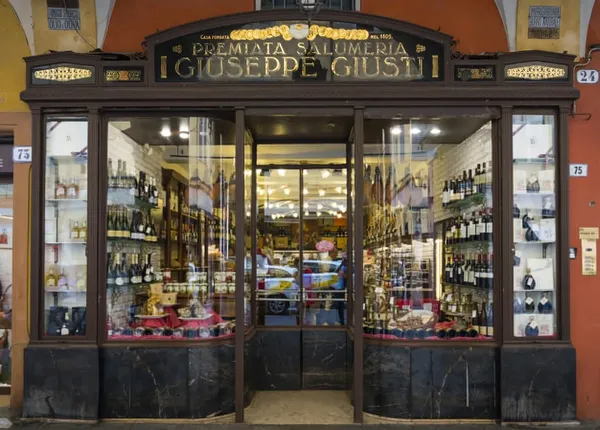
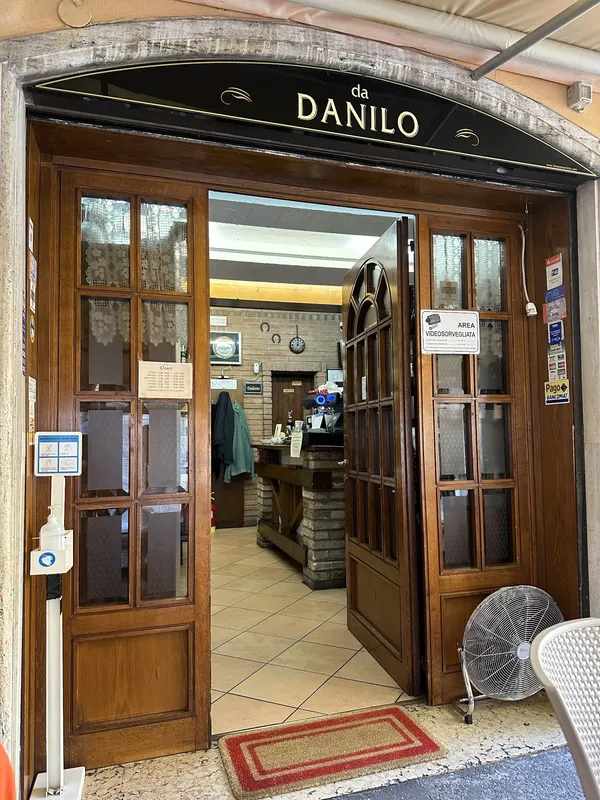
It sits at the summit of Modena's food city. Compare Bottura's own casual Franceschetta58, the old-world Hosteria Giusti and the classic Ristorante da Danilo, or browse the wider fine-dining picks.
The Kitchen
Bottura cooks what he calls tradition in evolution — Emilian classics taken apart and rebuilt with wit and precision. The signatures are famous in their own right: the Five Ages of Parmigiano Reggiano, which serves the cheese at five different maturities and temperatures; Oops! I Dropped the Lemon Tart, a dessert plated to look like an accident; and a tortellini walking into broth. The menu arrives as a tasting only, an argument about memory and place as much as a meal.
It is a destination price: tasting menus run roughly €390 to 450 a head before wine. You are paying for one of the most influential kitchens of the last twenty years, and tables open months in advance.
The Room
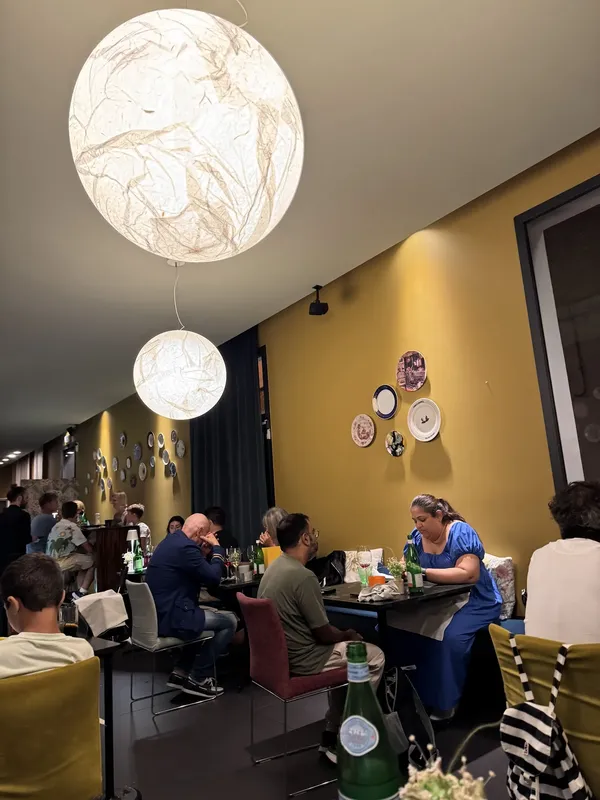
The room is small, calm and hung with contemporary art — only a dozen or so tables in a quiet palazzo on Via Stella, a world away from the grandeur the cooking's reputation might suggest. Service is warm, precise and genuinely fun, with Bottura's personality running through it. The intimacy is the point: this is a hushed, deeply personal room, not a grand dining hall.
Not for
Not for a spontaneous walk-in or a quick plate of pasta — this is a months-ahead, tasting-menu-only destination at a destination price, best given a full, unhurried evening.
Frequently Asked
What is Osteria Francescana known for?
It is Massimo Bottura's three-Michelin-star restaurant in Modena, twice named the World's Best Restaurant, known for reinventing Emilian classics with signatures like the Five Ages of Parmigiano Reggiano and Oops! I Dropped the Lemon Tart.
How many Michelin stars does Osteria Francescana have?
Three Michelin stars, held continuously since 2011, plus a Michelin Green Star for sustainability, retained in the 2026 guide.
What should I order at Osteria Francescana?
There is no a la carte — dining is by tasting menu, which runs through the signatures such as the Five Ages of Parmigiano Reggiano, the tortellini in broth and Oops! I Dropped the Lemon Tart.
How much does Osteria Francescana cost?
It is a destination price: tasting menus run roughly €390 to 450 a head before wine pairings.
How do I get a reservation at Osteria Francescana?
Book through the restaurant's website; tables release in monthly batches months in advance and are claimed within minutes, so plan well ahead.
Reserve a Table →
Reserve a Table
Reserve at Osteria Francescana
Book through the Osteria Francescana website; tables release in monthly batches and go within minutes.
Affiliate disclosure: Restaurants for Kings may earn a commission when you book through our reservation links, at no cost to you. Our scores are editorial and never paid for.
Practical Information
AddressVia Stella 22, 41121 Modena
NeighbourhoodOn Via Stella in Modena's medieval centre
CuisineContemporary Italian
PriceTasting menus only, running roughly €390–450 a head before wine; this is a destination, big-occasion price
Dress CodeSmart; jacket not required but most diners dress up
SeatingIntimate art-lined dining room of around a dozen tables; reservation essential
ReservationReservation essential, opening months ahead