How Florence Eats
Florence dines later than Rome but earlier than Madrid. The first seating at the trattorias begins at 19:30; the fine-dining rooms hold a second sitting at 21:30. Lunch is the strong service for visitors, Trattoria Mario (lunch only, no reservations, since 1953), Buca Mario, Cibreo Trattoria, and the Florentine business class still treats the long lunch as a serious commercial occasion. Sunday closures are widespread: Pinchiorri, Sostanza, Mario and Cibreo all shut Sunday and Monday.
Reservations sit primarily on SevenRooms (Pinchiorri, Santa Elisabetta, Atto di Vito Mollica) and TheFork (mid-tier); the trattorias still book by phone, opening lines at 09:30 and closing them when full. The Pinchiorri sixty-day rolling window is the single most important piece of planning information for any traveller, most other top-tier rooms drop tables thirty days out. The Tuscany August closure is real: Pinchiorri shuts the entire month, Sostanza closes mid-August, and the Centro Storico hotels run reduced kitchens.
Bills include a coperto (cover charge, EUR 2 to 6 per person, covers bread) and sometimes a servizio (10 per cent). Tipping above this is welcome but not expected; rounding up by EUR 5 to 20 at a fine-dining room is the local convention, and leaving the change at a trattoria is enough. The dress code is sharper than Rome, Pinchiorri requires a jacket at dinner and the room enforces it; Santa Elisabetta and Atto di Vito Mollica suggest a jacket; the trattorias are completely relaxed.
The Florentine dining year peaks twice. Late spring (April, June) before the heat closes the centro storico to comfort, and late September to mid-November when the porcini and white truffles arrive. November is the connoisseur's month, the Alba white truffle (tartufo bianco) is on the menu at every serious kitchen, the new Brunello vintage releases in early December, and the visitor volume is at its annual low.
Best Neighbourhoods for Dinner
Santa Croce / via Ghibellina. The geography that holds Pinchiorri, Cibreo and the Sant'Ambrogio market. The right neighbourhood for a serious destination dinner, Pinchiorri at 20:30 with a walk to the river afterwards.
Centro Storico (Duomo / Piazza della Signoria). Santa Elisabetta sits inside the Brunelleschi Hotel, built on the Pagliazza tower (the oldest standing building in Florence). Gucci Osteria is on the Piazza. The neighbourhood for high-impact dining for visitors who want to walk to the Uffizi after dessert.
Oltrarno (Santo Spirito / San Frediano). South of the Arno, the artisan quarter, Trattoria Sostanza, Il Santo Bevitore, Quattro Leoni, Gustapizza. Quieter, lower lighting, the right neighbourhood for the romantic dinner that does not feel touristy.
Sant'Ambrogio. The market neighbourhood, Cibreo, Cibreo Trattoria, the Mercato Sant'Ambrogio stalls. The Florentine version of working-day dining: lunch at the trattoria, dinner at the chef's restaurant, both within four streets.
Lungarno (river-facing hotels). Borgo San Jacopo (Lungarno Hotel), Il Palagio (Four Seasons), Atto di Vito Mollica (Cipriani Palace). Hotel dining at the level of fine-dining destinations, Ponte Vecchio views, river breeze, river-stone exteriors.
Fiesole / Bellosguardo. The hilltop above the city, La Loggia at Villa San Michele, Belmond Villa San Michele. Best for a Sunday afternoon long-lunch in May, September, when the view across the Arno valley is the meal.
The Top 10
Ranked by editorial weight, food, room, occasion fit, value. Linked entries open the full review.
Enoteca Pinchiorri
Annie Féolde founded Pinchiorri with Giorgio Pinchiorri in 1972 and earned the third star in 1993. Riccardo Monco and Alessandro Della Tommasina run the contemporary kitchen, pigeon two ways, ravioli of Casentino lamb, the sea urchin and burrata as the test dishes. The cellar holds 110,000 bottles across four temperature-controlled rooms. Jacket required. Score 9.5 / 9.5 / 6.
Santa Elisabetta
De Santis trained at Don Alfonso 1890 and Reale before opening Santa Elisabetta in 2014. The kitchen earned its second Michelin star in 2022. The menu draws on Southern Italian roots, the spaghetto al pomodoro reconstructed with seven tomato varieties, the lampredotto sandwich-as-amuse, the pizza margherita as a single course. Score 9 / 9 / 7.5.
Atto di Vito Mollica
Mollica left the Four Seasons in 2022 and opened Atto in the Cipriani Palace in 2023. The restaurant earned a Michelin star in the 2024 guide. The menu reads Tuscan, pici with hare ragu, the suckling pig roasted whole, the pappa al pomodoro reconstructed, with northern Italian wine pairings. Score 9 / 8.5 / 8.
Gucci Osteria
Gucci Osteria opened in 2018 inside the Gucci Garden on Piazza della Signoria. Mexican-Italian chef Karime Lopez (previously of Pujol and Mugaritz) runs the kitchen. The emoji burger, the tortellini in cream of Parmigiano, and the taco of Florentine pork are the recurring orders. Michelin star since 2019. Score 8 / 8.5 / 7.
Il Palagio
Il Palagio held a Michelin star under Vito Mollica from 2007 to 2022 and has retained the star under the current kitchen team. The Renaissance garden runs to 4.5 hectares, the dining terrace overlooks the original Medici fish ponds. The menu emphasises Chianti hills produce: Cinta Senese pork, Massese lamb, San Miniato truffles. Score 8.5 / 9.5 / 7.
Borgo San Jacopo
Borgo San Jacopo, inside the Ferragamo-owned Lungarno Hotel, holds a Michelin star and a south-facing terrace looking directly at the Ponte Vecchio. The kitchen, currently led by Claudio Mengoni, emphasises Tuscan seafood (the Tyrrhenian coast pesce di paranza, the Maremma red mullet). Score 8 / 9.5 / 7.
Saporium
Saporium opened in 2020 as the Borgo Santo Pietro group's Florence outpost. Ingredients come directly from the group's Chianti farm, the vegetables, the cheese, the herbs. The handkerchief pasta, the wild boar in red wine, and the pre-dessert ricotta with chestnut honey are the orders. Score 8 / 8 / 8.
Cibreo
Cibreo opened in 1979 and ran for over forty years under Picchi until his death in February 2022. The kitchen, now run by his son Giulio, maintains the menu in detail. The lampredotto, the panzanella, and the cieche di lumpisce (octopus stew) are the dishes that defined contemporary Tuscan cooking outside the trattoria tradition. Score 8.5 / 8 / 7.5.
Buca Mario
Buca Mario has cooked inside the Palazzo Niccolini-Antinori basement since 1886. The two-finger thick bistecca alla fiorentina is the order; the ribollita and the pappa al pomodoro are the secondary moves. The wine list runs deep on Chianti Classico and Brunello. Cash and major cards accepted. Score 8 / 8 / 8.
Trattoria Sostanza
Sostanza has run since 1869 and remains essentially unchanged: bench seating, paper menus, a hand-written bill. The signature pollo al burro (butter chicken, a half-bird sautéed in butter on a steel plate) is the order. The bistecca runs second. Wine list is a handwritten card. Cash only. Lunch is easier to book than dinner. Score 8.5 / 7 / 8.5.
By Occasion
First Date
The Florence first-date geography rewards the Oltrarno and the river-facing terraces. Skip the Centro Storico tourist trattorias and book a small Oltrarno room or a Lungarno hotel terrace.
- Borgo San Jacopo, Ponte Vecchio view, river breeze, May, September.
- Il Santo Bevitore, Oltrarno, candlelight, quiet pace.
- Gucci Osteria, central, stylish, walkable to a bar afterwards.
Close a Deal
Florence still treats the long lunch as a commercial occasion. The Four Seasons garden at lunch, Pinchiorri at dinner, or Atto di Vito Mollica's quieter banquettes are the three deal-closing rooms.
- Il Palagio, Four Seasons garden, two-hour lunch.
- Enoteca Pinchiorri, for the most senior visitor only.
- Atto di Vito Mollica, quieter banquette table, Cipriani Palace.
Birthday
The Florence birthday format scales gracefully, a Sant'Ambrogio trattoria for six to eight, a hotel dining room for ten to twelve, Pinchiorri's private salon for the milestone.
- Cibreo, long-table for ten, classic Tuscan repertoire.
- Santa Elisabetta, the Pagliazza tower, milestone occasions.
- Buca Mario, bistecca for the table, twelve seats.
Impress Clients
The Florentine argument is depth, the city has cooked at the top of the European tree continuously since 1500. Pinchiorri makes the deepest case; the contemporary rooms make the most current one.
- Enoteca Pinchiorri, the cellar tour before dinner is the move.
- Santa Elisabetta, for clients interested in contemporary cooking.
- Il Palagio, Four Seasons garden, Sunday lunch.
Proposal
Three rooms make the Florentine proposal, Pinchiorri's courtyard in summer, Il Palagio's garden, the Lungarno terrace with the Ponte Vecchio behind. Pre-arrange three weeks ahead.
- Enoteca Pinchiorri, the courtyard, May, September.
- Borgo San Jacopo, south terrace, Ponte Vecchio view.
- Il Palagio, Renaissance garden, sunset.
Solo Dining
The Florentine trattoria culture welcomes solo diners without making it strange. The Cibreo bar, the Sostanza bench seats, and the Mario lunchtime line are the three moves.
- Trattoria Mario, lunch only, shared tables, pasta and bistecca.
- Cibreo, bar seats, the full menu.
- Gucci Osteria, counter seats, lunch service.
Team Dinner
Tuscan family-style scaling works above six. Buca Mario and Sostanza handle eight to fourteen at long tables; Cibreo Trattoria does the bistecca for the table.
- Buca Mario, Renaissance basement, twelve seats at the long table.
- Trattoria Sostanza, bench seating, butter chicken and bistecca.
- Cibreo Trattoria, sharing format, eight to ten.
Florence Dining FAQ
Nearby Cities
Editorial Note
Reviewed by Fredrik Filipsson, editor, visited Q1 2026. All scores are integers on a 1 to 10 scale (food / ambience / value) and represent editorial judgement after dining anonymously and paying the full bill. See the methodology page for the full scoring rubric.
Additional Restaurants

Barcelona
All'Antico Vinaio

Barcelona
All'AnticoRistorante Cambi

Barcelona
Angel Roofbar& Dining

Barcelona
Bistrot a Modo Mio

Barcelona
Buca dell'Orafo
Barcelona
Buca dell'Orco

Barcelona
Caffè Rivoire

Barcelona
Cibreo Teatro del Sale

Barcelona
Dalla Lola

Barcelona
Enoteca Alessi

Barcelona
Gustapizza Florence

Barcelona
I Ghibellini
Barcelona
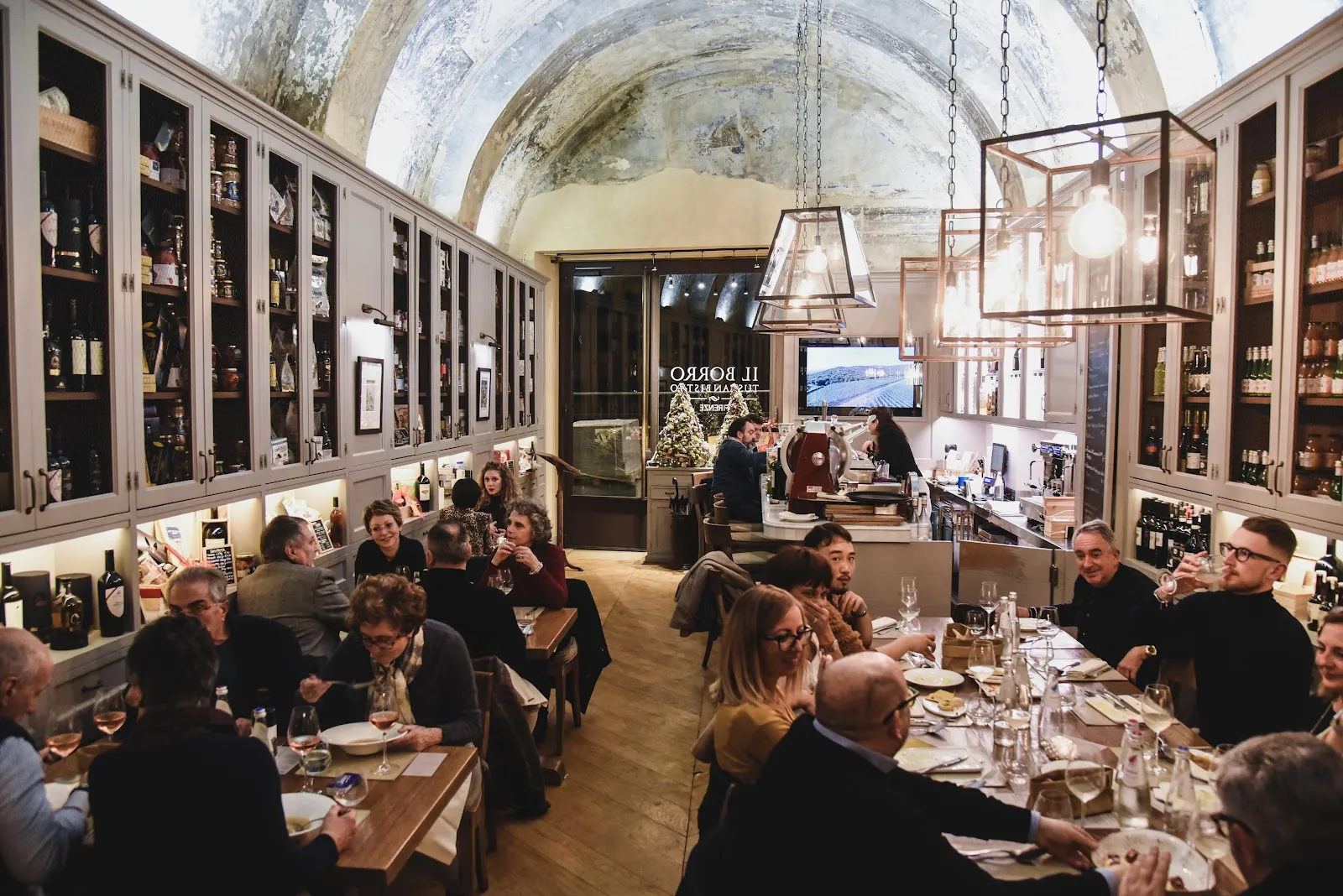
Il Borro Tuscan Bistro Florence

Barcelona
Il Latini Florence

Barcelona
L'Osteriadi Giovanni

Barcelona
La Buchetta Food & Wine

Barcelona
La Giostra

Barcelona
Luca's by Paulo Airaudo

Barcelona
Osteria del Cinghiale Bianco

Barcelona
Osteria dell'Enoteca

Barcelona
Osteria delle Tre Panche

Barcelona
Osteria Le Pietre

Barcelona
Osteria Santo Spirito

Barcelona
Quattro Leoni

Barcelona
Ristorante Oliviero

Barcelona
Trattoria Contadino

Barcelona
Trattoria dall’Oste

Barcelona
Trattoria dei 13 Gobbi

Barcelona
Trattoria dell’Orto

Barcelona
Trattoria La Casalinga

Barcelona
Trattoria Sabatino

Barcelona
Trattoria Zà Zà

Barcelona
Vini e Vecchi Sapori

Barcelona
Zeb Gastronomia

Barcelona
Trattoria Garga
Florence's frescoed bohemian trattoria since 1979, home of the Taglierini del Magnifico, book it for a first date with colour.
Barcelona
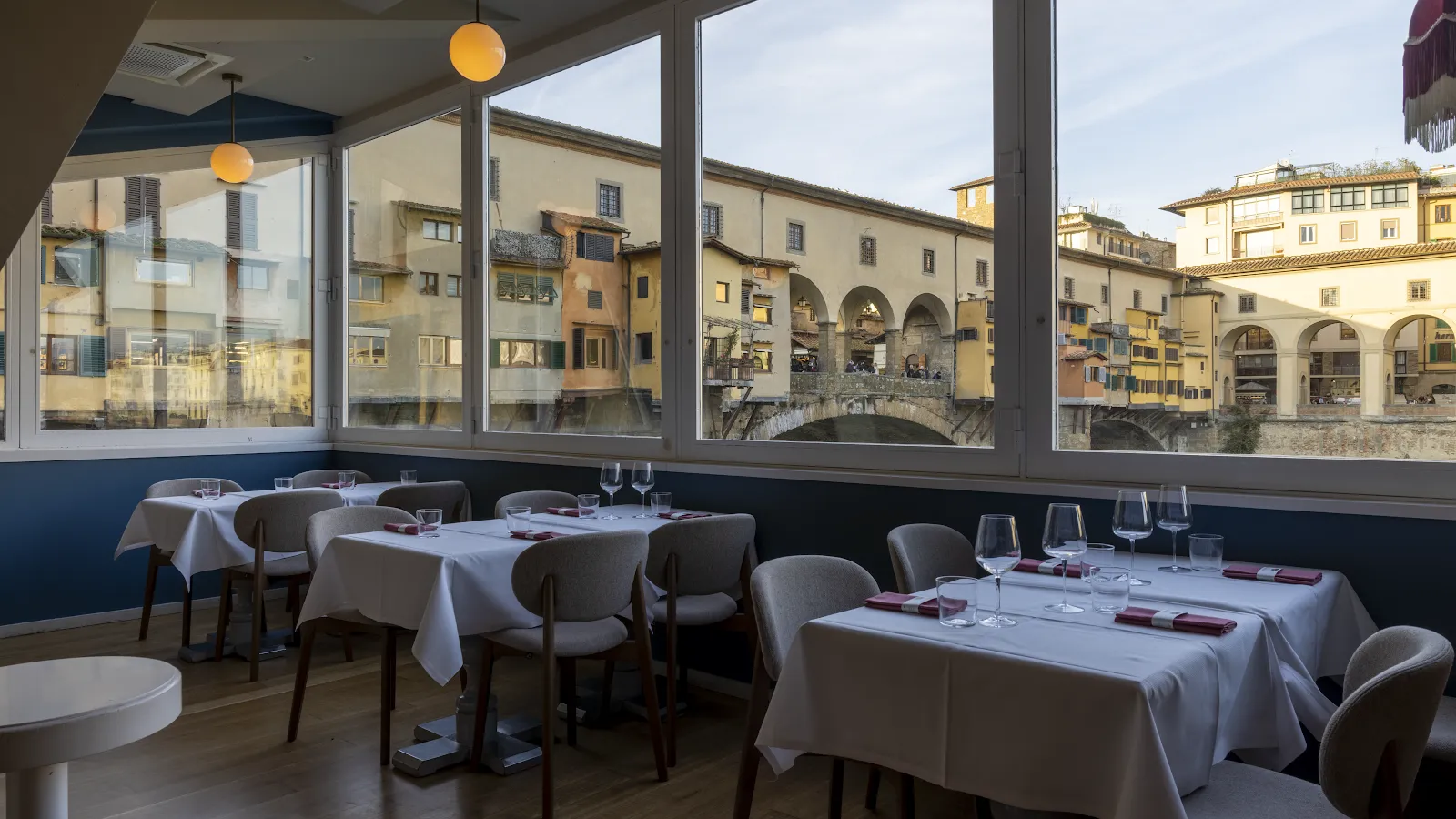
Golden View
"Tommaso Grasso's wine bar and kitchen over the Arno, 8,000 labels and a Ponte Vecchio view, book a window table for a first date."
Barcelona
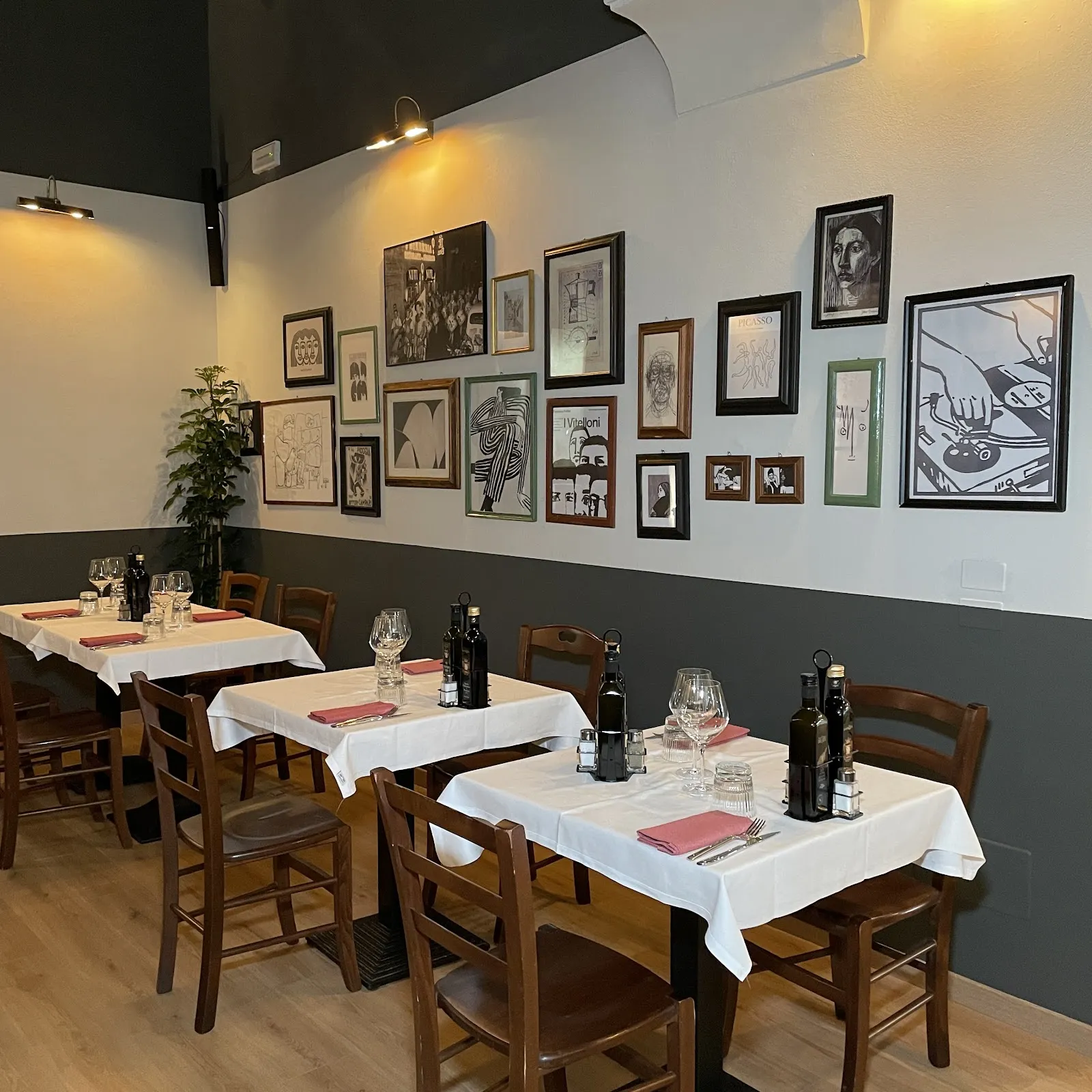
Il Grande Nuti
"A 1953 Tuscan trattoria off San Lorenzo market, bistecca alla Fiorentina seared in cast iron, book it for a first date."
Barcelona
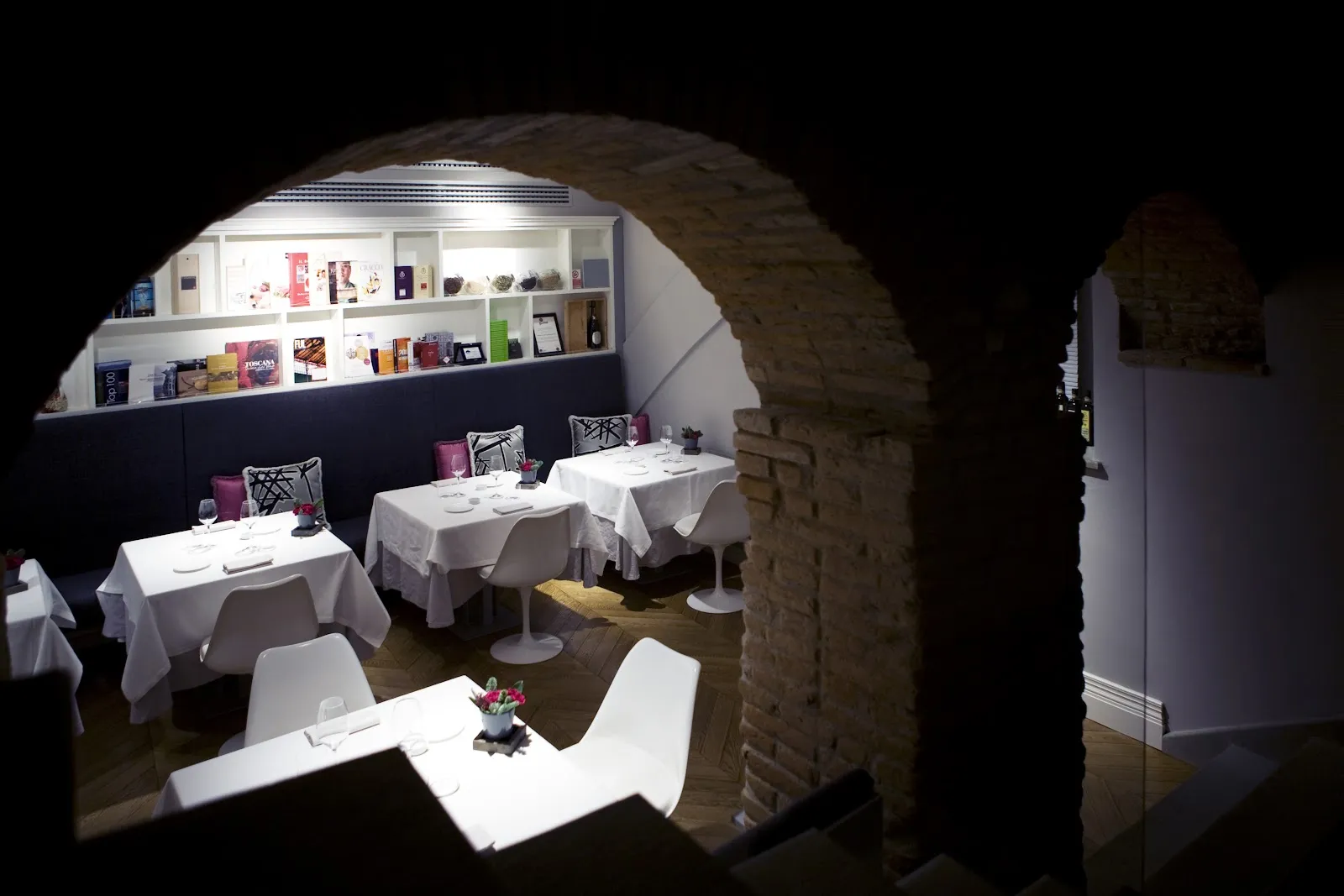
Ora d'Aria
"Marco Stabile's glass-walled kitchen behind the Uffizi has held a Michelin star since 2011, book it to impress a Florence client."
New — the nightly brief
Tonight in Florence →