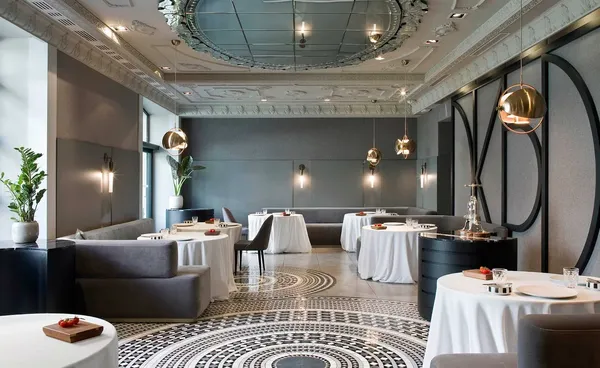
29
Impress Clients
Madrid — Salamanca
Ramón Freixa Madrid
Two-Michelin-star Salamanca mansion, Catalan precision in Madrid.
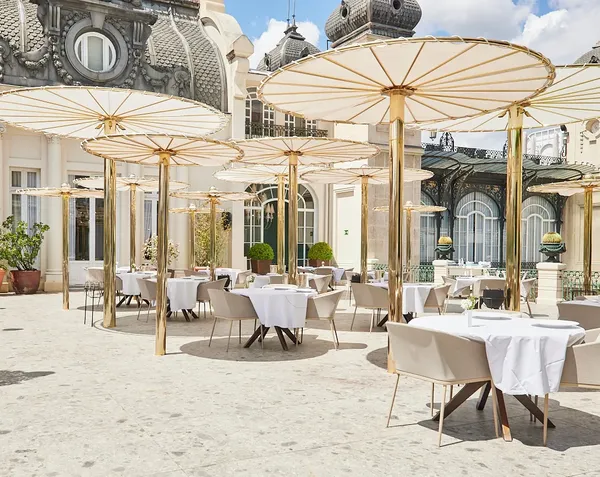
30
Impress Clients
Madrid — Centro
La Terraza del Casino
Paco Roncero's two-Michelin-star avant-garde dining inside the Casino de Madrid.
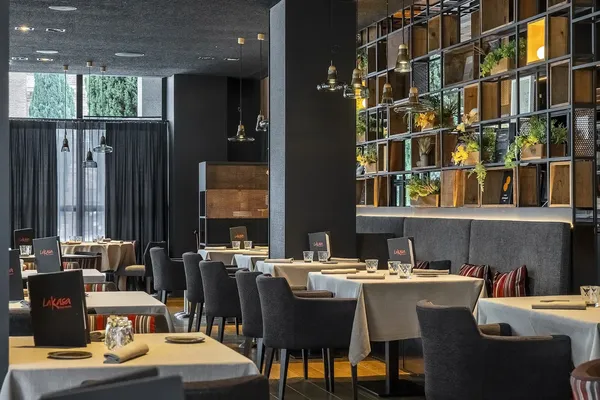
33
First Date
Madrid — Chamberí
Lakasa
César Martín's chef-driven Chamberí kitchen.
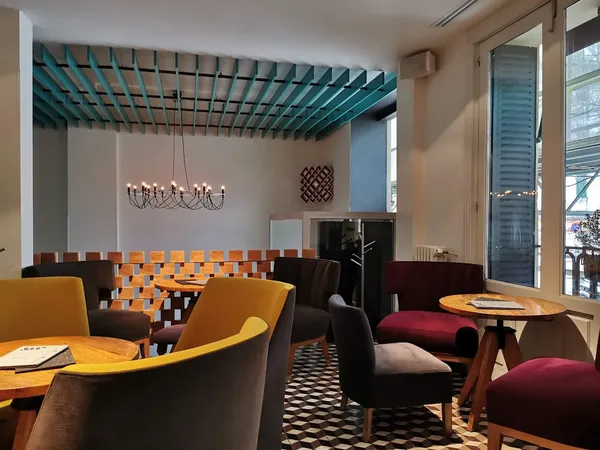
34
Impress Clients
Madrid — Salamanca
Punto MX
Roberto Ruiz's one-Michelin-star Mexican, Europe's first.
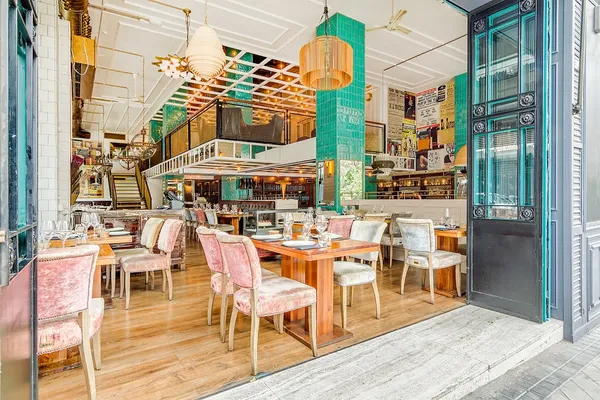
35
Solo Dining
Madrid — Centro
Casa Mono
Smart, chef-driven neighborhood Spanish.
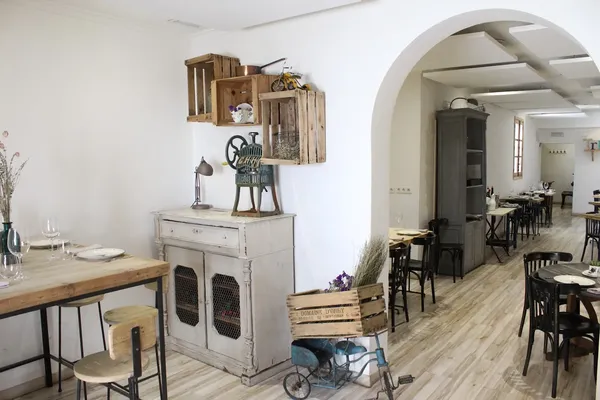
36
First Date
Madrid — Las Letras
Triciclo
Bib Gourmand neighborhood favorite, counter-driven Spanish.
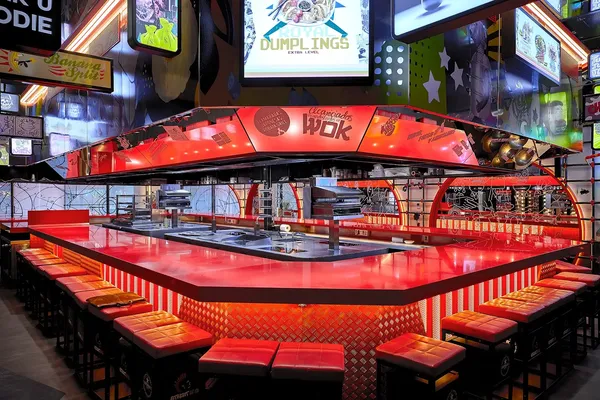
37
Team Dinner
Madrid — Salamanca
StreetXO
Dabiz Muñoz's Asian-fusion party, DiverXO's loud little brother.
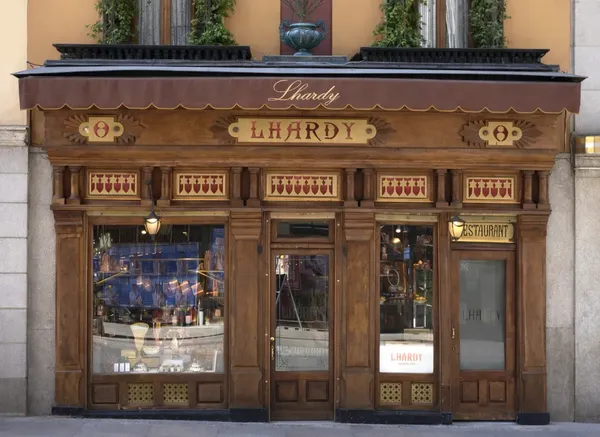
38
Birthday
Madrid — Centro
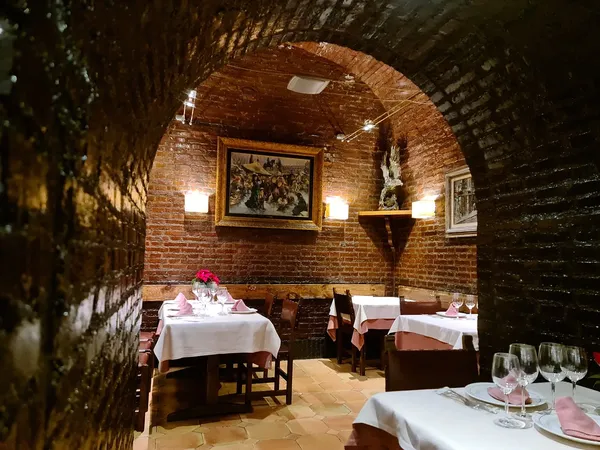
Lhardy
175-year-old Madrid institution, cocido madrileño at its most ceremonious.
39
Birthday
Madrid — La Latina
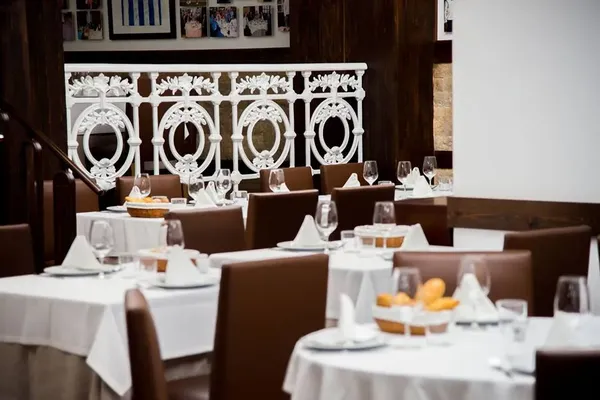
Casa Lucio
Madrid's huevos-rotos institution, politicians, kings, and locals.
40
Close a Deal
Madrid — Tetuán
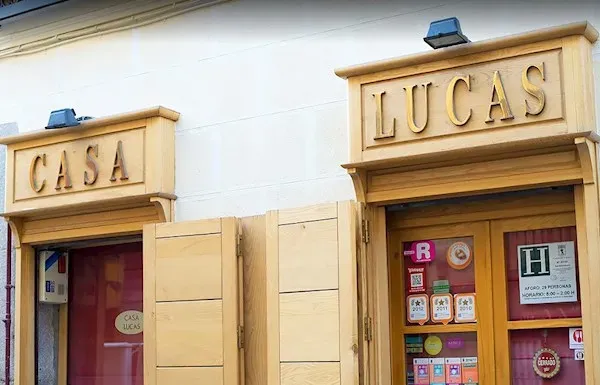
Asador Donostiarra
Power-meat Basque grilling, chuletón as life-changing.
41
Solo Dining
Madrid — La Latina
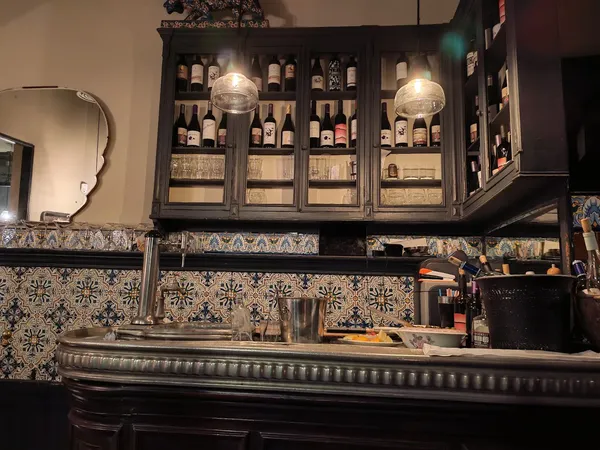
Bar Moneda
Cava Baja standing-bar institution, best classic tapas crawl stop.
42
First Date
Madrid — Chueca
Taberna La Carmencita
Madrid's oldest taberna (1854), green-tile classic.
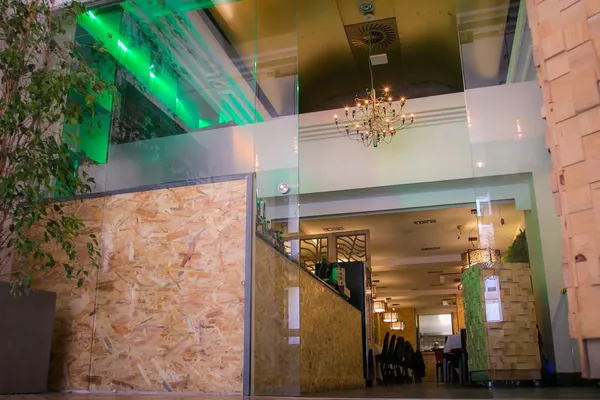
43
Solo Dining
Madrid — Salamanca
Café Saigon
Madrid's reference Vietnamese, pho with serious technique.
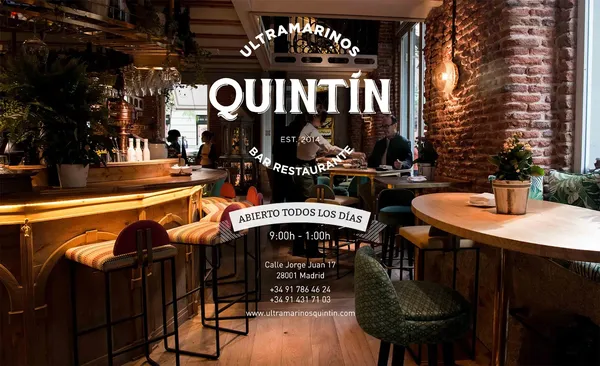
44
Close a Deal
Madrid — Chamartín
Quintín
Salamanca-leaning chef-driven Spanish, quietly polished.
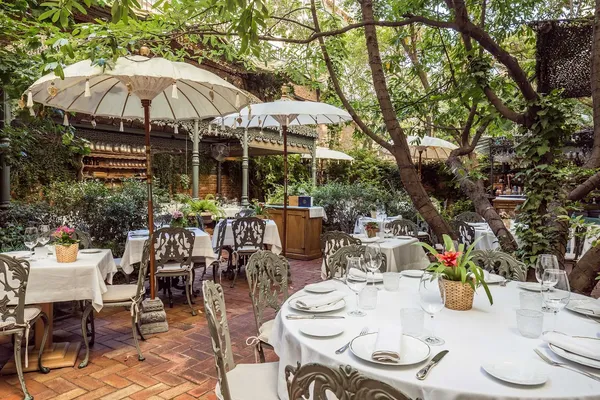
45
Close a Deal
Madrid — Salamanca
Numa Pompilio
Salamanca's tablecloth Italian, Roman elegance, deal-grade service.
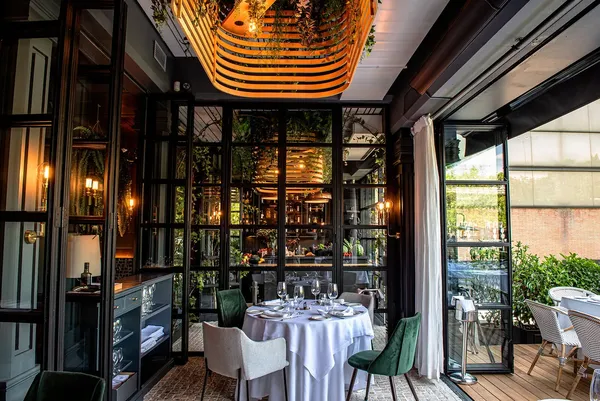
46
Birthday
Madrid — Salamanca
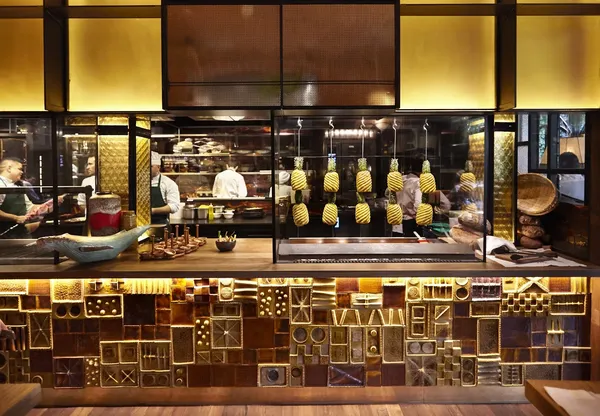
Tatel Madrid
Rafa Nadal-backed glam Spanish, DJ booth and tomahawks.
47
Birthday
Madrid — Chamartín
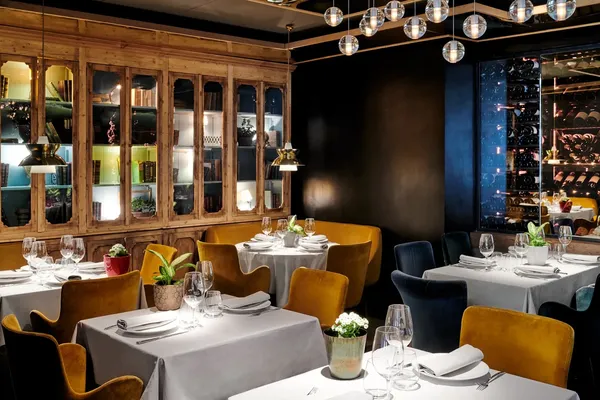
Amazónico
Jungle-themed Latin American party, Madrid's most photographed dinner.
48
Close a Deal
Madrid — Salamanca
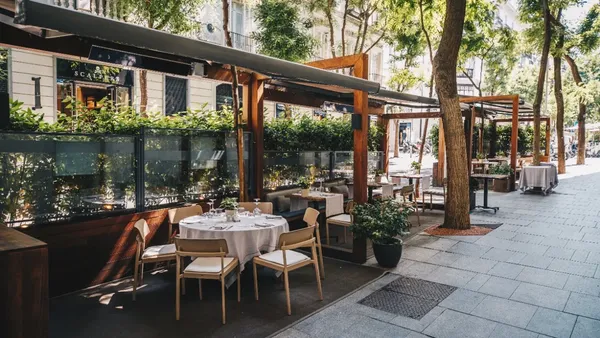
Ten Con Ten
Salamanca see-and-be-seen restaurant.
49
First Date
Madrid — Salamanca
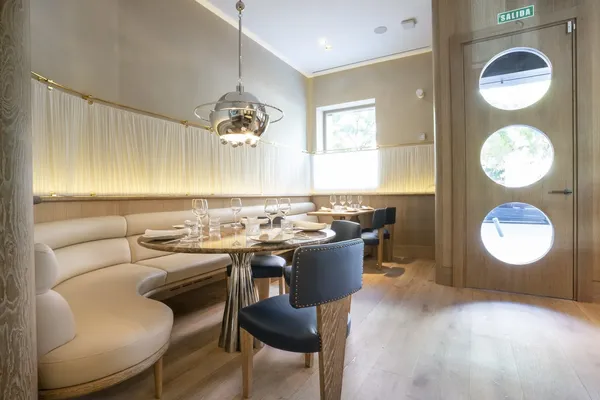
La Bien Aparecida
Polished Salamanca rooms, modern Cantabrian seafood.
50
First Date
Madrid — Las Letras
Bistronómika
Bistronomic chef-driven Spanish, wood-fire grill, native ingredients.
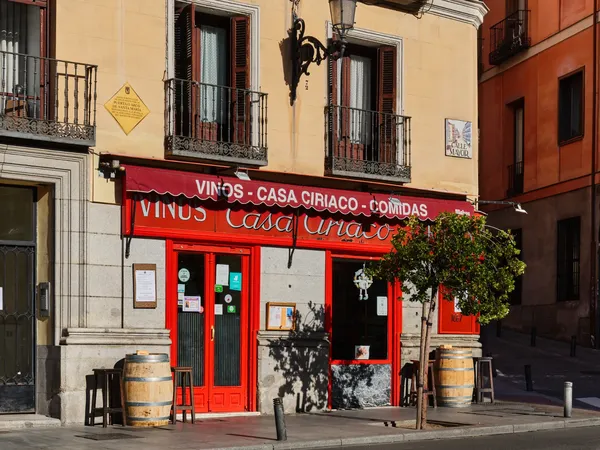
51
Team Dinner
Madrid — Centro
Casa Ciriaco
100-year-old casa, Madrid's pepitoria reference.
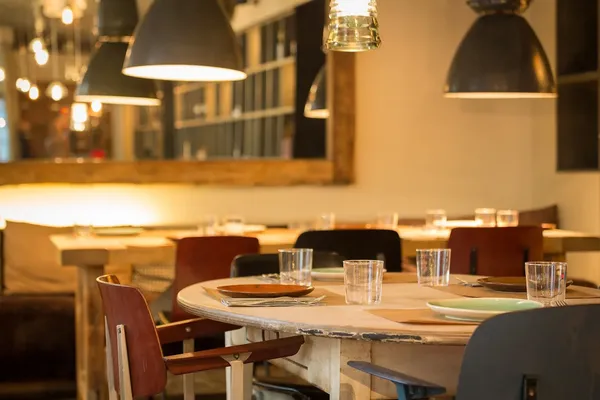
52
Close a Deal
Madrid — Salamanca
Ten Con Ten Salamanca
Salamanca corner-bar power-lunch hub.
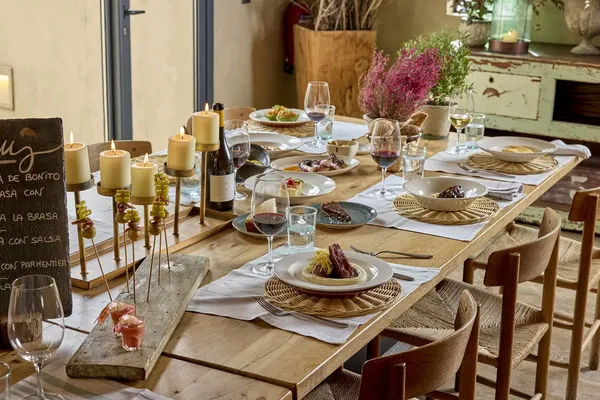
53
First Date
Madrid — Chamberí
Bar Tomate
All-day Chamberí kitchen, bistronomic Mediterranean.
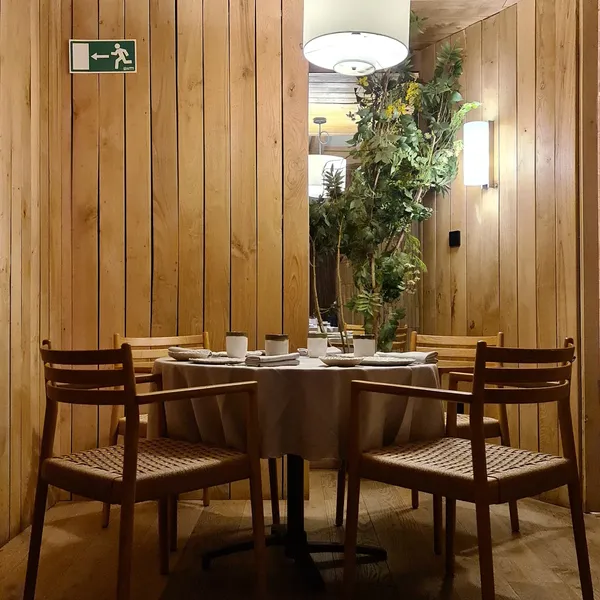
55
Birthday
Madrid — Mirasierra
Filandón
Power-fish institution favored by Spanish royalty.
56
Close a Deal
Madrid — Salamanca
Combarro
Power-seafood Madrid institution, fresh Galician shellfish flown daily.
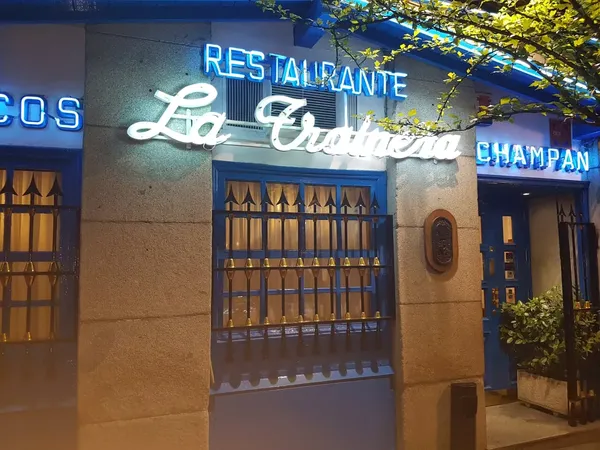
57
Birthday
Madrid — Salamanca
La Trainera
60-year Madrid seafood favorite, generations of regulars.
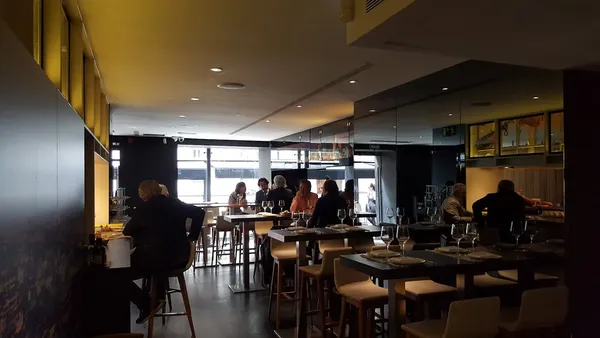
58
First Date
Madrid — Salamanca
Albora
One-Michelin-star Salamanca dining, modern Spanish polish.
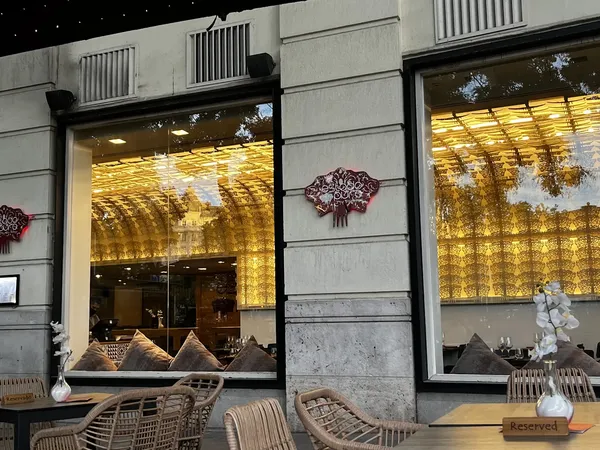
59
Solo Dining
Madrid — Las Letras
Estado Puro
Paco Roncero's tapas-modernized counter.
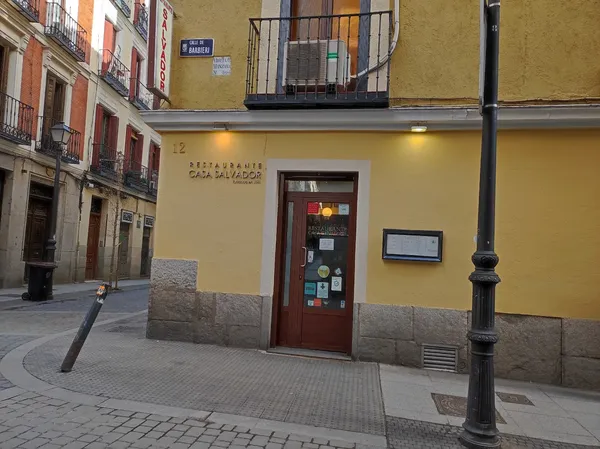
60
Solo Dining
Madrid — Chueca
Casa Salvador
1941 bullfighter's haunt, bull's-tail rabo de toro.
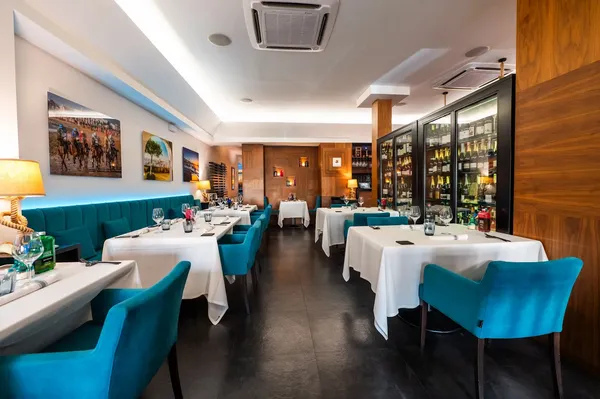
61
First Date
Madrid — Salamanca
Restaurante Surtopía
Andalusian fine dining in Salamanca, coastal Spain in Madrid.
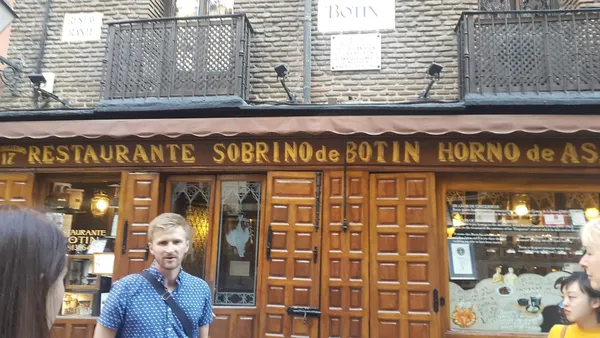
62
Team Dinner
Madrid — La Latina
Mesón del Champiñón
Cave-bar institution, mushrooms-stuffed-with-chorizo for under €10.
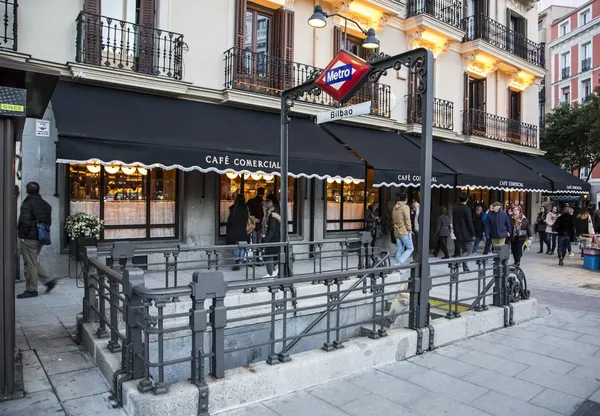
63
Solo Dining
Madrid — Chamberí
Café Comercial
Madrid's beloved café institution, chef revival.
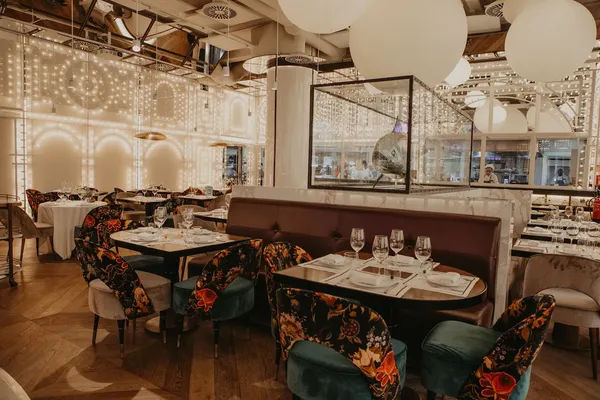
64
Birthday
Madrid — Salamanca
BiBo
Dani García's Andalusian cantina, playful, plentiful.
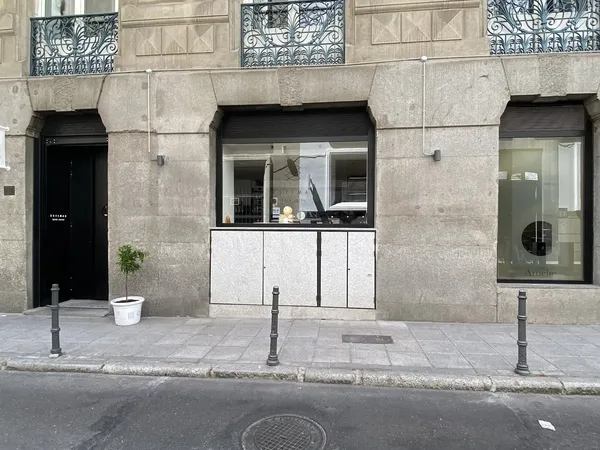
65
Impress Clients
Madrid — Centro
Etxeko Madrid
Martín Berasategui's one-Michelin-star Madrid outpost.
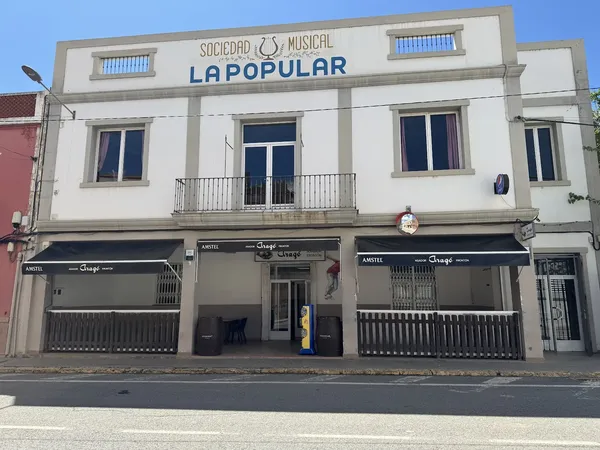
66
Close a Deal
Madrid — Chamartín
Asador Frontón
Power-meat Basque grill, chuletón at its most authoritative.
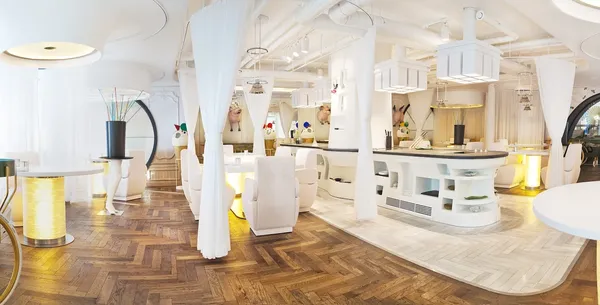
67
First Date
Madrid — Chamartín
Diverxitos
Dabiz Muñoz's accessible street-food kitchen, quicker DiverXO experience.
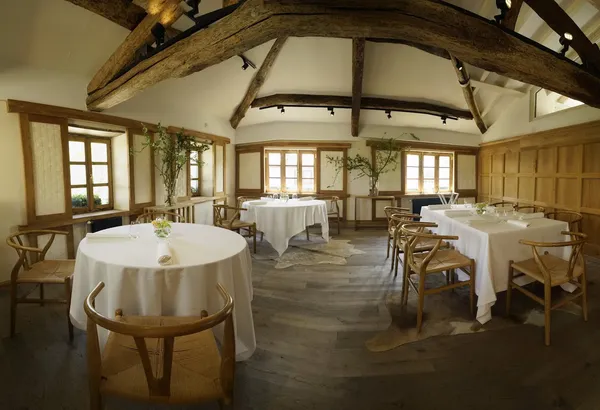
68
Impress Clients
Madrid — Salamanca
Casa Marcial Madrid
Two-Michelin-star Asturian dining transplanted to Madrid.


