Kanazawa's Finest Tables
5 restaurants listedGet the complete Kanazawa dining guide.
We email you when a table worth booking opens in Kanazawa, new openings and editor picks, free.
$ under $40 · $$ $40–$80 · $$$ $80–$150 · $$$$ $150+ per person
Best for Proposal in Kanazawa
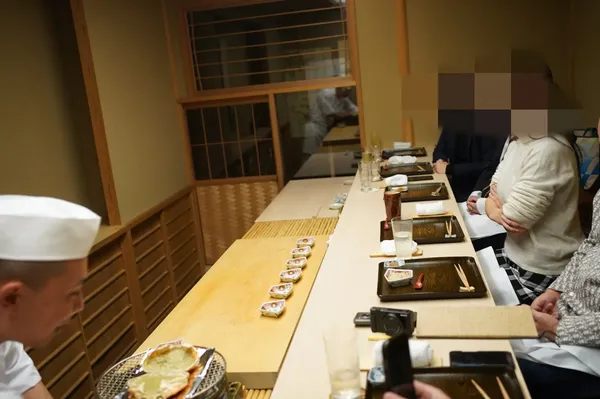
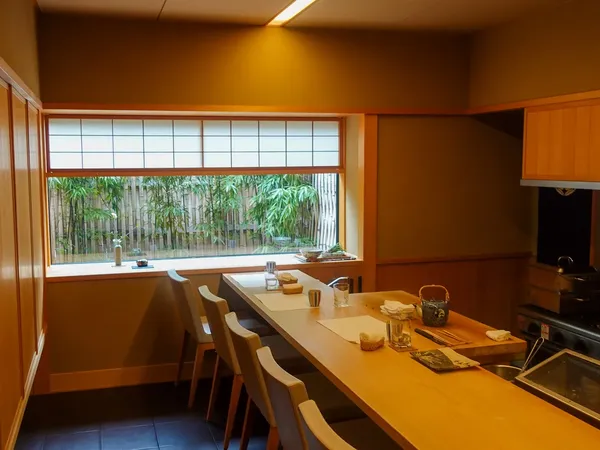
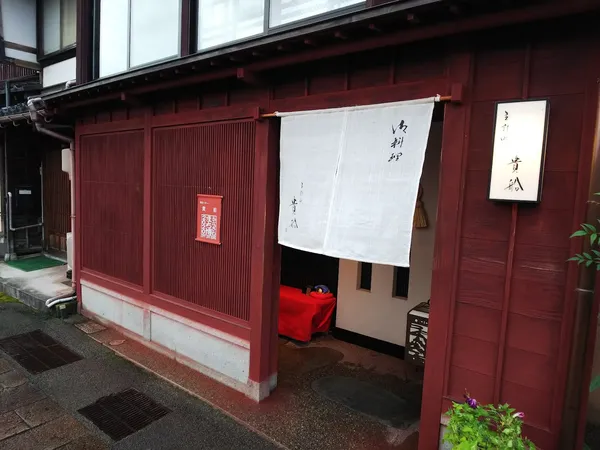
View all proposal restaurants →Kanazawa is unhurried in ways Tokyo and Kyoto are not. Its geisha districts feel less performative, its gardens less tourist-calibrated, its chefs less celebrated and therefore more focused on the work. Kataori, the subtractive-cooking 2-star counter where ingredients are permitted to speak at their own tempo. Kifune, a 100-year-old Kazuemachi townhouse where the Sai River runs past the window.
Best for Close a Deal in Kanazawa
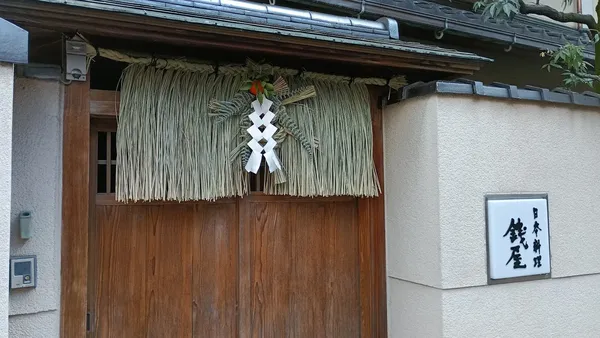
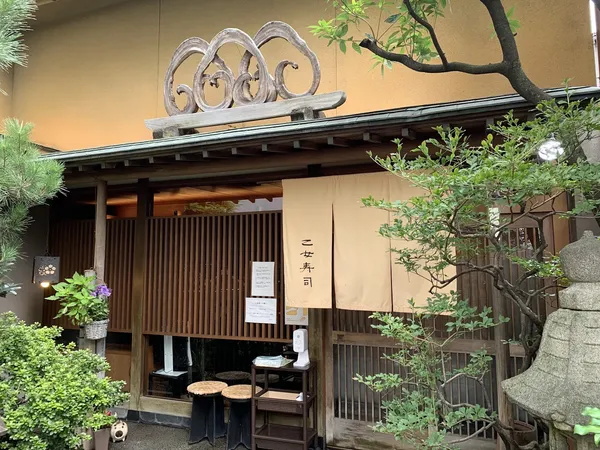
View all business dining restaurants →The city's two-star rooms take reservations seriously, they close more deals per table than most Ginza boardrooms. The omotenashi culture in Kanazawa remains, somehow, more intact than in Tokyo. Otome Sushi, the 2-star sushi counter with Sea of Japan sourcing that Tokyo sushi chefs fly in to study. Zeniya, the flagship 2-star kaiseki room, abalone steak on the tasting, private tatami rooms for discreet conversation.
Vote for Kanazawa's Best Table
Which Kanazawa restaurant closes the most deals? Which sets the stage for the right proposal? Registered readers vote on the city's best occasion pairings and shape next quarter's editorial rankings.
Register to Vote Sign InKanazawa Dining Guide
Kanazawa is the culinary capital of the Hokuriku coast, a small castle city of 450,000 on Japan's western seaboard, facing the Sea of Japan, shaped by the Maeda clan who spent the Edo period cultivating tea ceremony, Noh theatre, and a food culture as refined as anything in Kyoto. The Maeda's cultural legacy is why Kanazawa today holds more Michelin stars per capita than any Japanese city outside of Kyoto and Tokyo. The fish here is the best in Japan, full stop, the Sea of Japan is colder than the Pacific, the currents richer, and the Kanazawa fish markets receive the morning catch before Tokyo does.
The cuisine is kaga ryori, Kaga Province cooking, a regional branch of kaiseki that privileges seafood over the vegetable-forward Kyoto style. Snow crab in winter, firefly squid in spring, rockfish and sea bream year-round. The region's farmers supply root vegetables and mountain mushrooms that arrive at the city's counters within hours of harvest. The chefs work with an aesthetic restraint that descends from the tea ceremony, but the ingredients themselves are richer, fattier, more maritime than anything coming out of Kyoto's kitchens.
The three historic districts, Higashi Chaya, Nishi Chaya, and Kazuemachi Chaya, preserve the geisha-era architecture intact. The wooden latticed teahouses still operate; a handful have been converted into restaurants. Kazuemachi, the smallest and most atmospheric of the three, runs along the Sai River's south bank, where Kifune's century-old machiya sits in a row of lantern-lit storefronts. The Higashi district is the most photographed but the least interesting to dine in. The Nishi is where the locals go.
Getting reservations at Kanazawa's 2-star rooms requires lead time. Zeniya, Kataori, Otome Sushi, and Tempura Koizumi each operate 6-12 seat counters with fixed nightly sittings. Booking windows open 1-3 months in advance; hotel concierge at the Hyatt Centric or the Nikko Kanazawa will pull tables that are not otherwise available to walk-ins. Kifune is slightly more accessible. None of these restaurants list prices publicly, expect ¥25,000-¥60,000 per person for the tasting, plus sake pairings that add another ¥8,000-¥20,000. Credit cards are accepted at most but not all; cash remains common at the smaller counters.
Frequently Asked
Dining in Kanazawa
How many restaurants does Restaurants for Kings rank in Kanazawa?
Our Kanazawa editorial covers the city's top tier, Michelin-starred rooms, flagship chef-driven restaurants, iconic institutions, and the best new openings. Every restaurant listed has been personally reviewed by a named editor and scored on Food, Ambience, and Value.
How do I get a reservation at a top Kanazawa restaurant?
For the highest-demand rooms in Kanazawa, book 1-3 months in advance via the restaurant directly, OpenTable, TableCheck, or a hotel concierge. For flagship tasting menus, reservations often open on the 1st of the month for the following month, set a calendar alert. Concierge services at Amex Centurion and top hotels can pull tables at shorter notice.
What's the best restaurant in Kanazawa for closing a business deal?
Our Kanazawa editors rank deal-closing restaurants on the same criteria site-wide: acoustic privacy, power-table visibility, service pace, and discreet check handling. See our 'Best for Close a Deal' section above for the current top picks in the city, with editorial scores and reservation difficulty ratings.
Which Kanazawa restaurant is best for a first date?
First-date restaurants in Kanazawa are scored on conversation-friendly acoustics, impression without intimidation, and menu flexibility. The city's top first-date rooms are listed in our 'Best for First Date' section, all have intimate seating, manageable acoustics, and service that retreats after ordering.
How expensive is fine dining in Kanazawa?
Top-tier restaurants in Kanazawa range from accessible one-Michelin rooms through multi-star flagships. We score every restaurant on Value separately from Food and Ambience, a high-priced tasting can score 10/10 on Value if the experience delivers at that price point.
Does Restaurants for Kings take money from Kanazawa restaurants to rank them?
No. We do not accept payment, PR hospitality, or sponsorships that influence rankings. Every restaurant in our Kanazawa directory was visited anonymously and reviewed on the editor's own tab where possible. Any hospitality extended is disclosed on the individual restaurant page.