All Restaurants in Fukuoka

Sushi Sakai
Three Michelin stars in a sukiya-style counter where Chef Daigo Sakai's omakase course is the most precisely beautiful meal in Kyushu.

Sushi Gyoten
Three Michelin stars since 2014. Chef Gyoten's omakase courses at Yakuin Station are the reason food obsessives board planes to Fukuoka.

Chisou Nakamura
Two Michelin stars, seven counter seats, thirty years of refined Kyushu kaiseki, the most serious business table in Fukuoka.
Goh
Asia's 50 Best, one Michelin star, 14 seats at a communal table, Chef Tsuyoshi Fukuyama's theatrical Franco-Japanese courses rewrite every expectation.

Aji Takebayashi
One Michelin star. Chef Takebayashi trained under Osaka's legendary Aji Kitcho, then came home to Fukuoka to fold Western innovation into traditional kaiseki form.

Yakitori Choji
Michelin Bib Gourmand. The owner slaughters each bird in-house, fresh chicken sashimi followed by skewers that reduce grown food critics to silence.

Sushi Kijima
Michelin-selected. The only counter in Fukuoka that blends the disciplined Hakata sushi tradition with kappo-style small plates, dinner as ongoing conversation.

Ippongi Ishibashi
One Michelin star. The rare restaurant that synthesises Edomae sushi precision with kaiseki structure, a seamless multi-act dinner unlike anything else in Kyushu.

Akasaka Fujita
The most progressive kitchen in Fukuoka outside the starred establishments, a chef who treats Kyushu's larder as creative material, not sacred inheritance.
Best for First Date in Fukuoka
All First Date restaurants →Best for Business Dinner in Fukuoka
All Business Dinner restaurants →The Top 10, Fukuoka
Sushi Sakai
Chef Daigo Sakai's three-Michelin-star counter in Nishinakasu is the most demanding booking in Fukuoka, reservations open three months ahead and close within minutes. The sukiya-style interior, designed by master architect Shinji Maeda, creates a setting of severe calm: hinoki counter, bamboo shades, the sound of water. The omakase course at ¥30,800 draws on Kyushu's waters for shari rice vinegared to Sakai's unique specification and neta sourced daily from Hakata's Yanagibashi Rengo Market. A defining meal anywhere in Japan, at a price that represents exceptional value against comparable Tokyo experiences.
Sushi Gyoten
Three Michelin stars since 2014, a distinction Sushi Gyoten has held longer than almost any other sushi restaurant in Japan. Chef Gyoten trained in his hometown of Shimonoseki before relocating to Fukuoka in 2012, establishing a counter near Yakuin Station that draws international pilgrims on the strength of his reputation alone. The omakase courses run ¥18,000, ¥26,000 per person depending on the season, making this among the most reasonably priced three-star experiences on earth. Five seats. No walk-ins. The waiting list tells you everything you need to know.
Chisou Nakamura
Two Michelin stars and more than thirty years of service, Chef Toru Nakamura's kaiseki in Hakata is the benchmark against which all Kyushu kaiseki is measured. Seven counter seats and two private rooms serve up to fourteen guests. The cooking draws on Kyushu's distinct terroir: the region's kuroge wagyu, fresh seafood from surrounding seas, mountain vegetables from the interior, assembled in courses of unhurried authority. Dinner runs ¥30,000, ¥39,999; lunch on limited days from ¥20,000.
Imoto
Chef Tatsuya Imoto brought Kyoto-style cuisine south to Fukuoka, and the two Michelin stars that followed suggest the city had been waiting for exactly this. The restaurant sits in Yakuin's quiet residential streets, a neighbourhood of narrow lanes and evening silence that sets expectations before you've crossed the threshold. Wide windows overlook the city from an intimate, precisely arranged dining room. The cuisine is Kyoto in spirit: delicate, seasonal, technically meticulous, with Kyushu's exceptional local ingredients receiving treatment their quality deserves.
Goh
Eight appearances in Asia's 50 Best Restaurants. One Michelin star. A 14-seat communal table on the third floor of the 010 Building near Canal City Hakata. Chef Tsuyoshi Fukuyama operates at the intersection of French technique and Japanese instinct, serving courses that are theatrical, intellectually rigorous, and frequently unlike anything you have encountered before. The communal format is not a compromise, it is a deliberate choice that creates a dining experience closer to performance than to meal. Book early; Goh is among the hardest reservations in Fukuoka.
Aji Takebayashi
Chef Yuzuru Takebayashi trained at Osaka's storied Aji Kitcho, one of the most demanding apprenticeships in Japanese cuisine, before returning to Fukuoka to open this one-Michelin-star kaiseki counter. The cooking integrates Western elements with traditional kaiseki structure in ways that read as inevitable rather than clever: malt vinegar alongside Japanese dashi, olive oil in contexts that sharpen rather than obscure. The result is kaiseki that feels modern without announcing it.
Hakata Izumi
Over a century of fugu mastery in Hakata, recognised with one Michelin star. Puffer fish, the most famous high-stakes ingredient in Japanese cooking, requires a licensed chef and extraordinary precision. Hakata Izumi delivers both with generations of institutional knowledge: the fugusashi paper-thin sashimi arranged in chrysanthemum patterns, the fugu hot pot, the sake warmed in grilled fish fins. For visitors willing to trust one hundred years of expertise, there is nothing more distinctly Fukuokan on any table in the city.
Yakitori Choji
Michelin Bib Gourmand. The first thing you should know about Yakitori Choji is that the owner butchers each bird in-house, which means the chicken sashimi that begins every meal here is served within hours of slaughter. This is not a detail for the squeamish; it is the reason everything that follows is unlike yakitori you have eaten anywhere else. The skewers are grilled over binchotan charcoal with the particular attention that comes from knowing the source material intimately. One of Fukuoka's essential meals at any price point.
Sushi Kijima
Selected by the Michelin Guide, Sushi Kijima offers a format unique to Fukuoka: a counter that blends kappo small-plate cooking with the Hakata sushi tradition in a single, uninterrupted dining sequence. The fresh seafood sourced from Fukuoka's surrounding waters, the Genkai Sea to the north, Ariake Bay to the south, arrives at the counter with the kind of immediacy that makes the sushi here different from Tokyo in ways that geography explains and technique confirms. A deeply local experience at a genuinely accessible price.
Ichiran
Born in Fukuoka in 1960, and the most influential ramen shop in the history of the form. The individual booth format, a private wooden partition, a small window to the kitchen, a customisation form specifying noodle firmness, broth strength, and garlic level, was invented here and has never been improved upon. The flagship location near Nakasu retains the atmosphere of a cult establishment: queue, sit, eat, repeat. If you eat one bowl of tonkotsu in Fukuoka, let it be this one, at the source, in the city that invented it, served exactly as you specify.
The Fukuoka Dining Guide
Fukuoka sits at the northwestern tip of Kyushu Island, separated from South Korea by 200 kilometres of water and connected to the rest of Japan by bullet train. It is Japan's sixth-largest city, its fastest-growing, and, by any serious measure of eating, among its two or three best. The reason food writers who know Japan's dining landscape speak of Fukuoka in hushed, slightly possessive tones is simple: the city offers the quality of Tokyo at roughly two-thirds the price, in a format where counter seats outnumber white-tablecloth dining rooms and where the gap between street food and three-Michelin-star cooking is narrower than anywhere else in the country.
The cooking culture here is shaped by two defining conditions. First, Fukuoka sits at the confluence of three bodies of water, the Genkai Sea to the north, Ariake Bay to the south, and the Tsushima Strait to the northwest, that supply the fish markets at Yanagibashi Rengo with seafood of extraordinary quality and variety. The sushi and seafood here is different from Tokyo not just in price but in character: Kyushu fish is fattier, richer, and often species that the Tokyo market never sees. Second, Fukuoka's proximity to the Korean Peninsula has historically made it a city of exchange, in foodways as in trade, producing a local cuisine that integrates ingredients and techniques from across the broader region without acknowledging them as foreign.
The result is a city with two culinary faces. One face looks at the extraordinary concentration of Michelin-starred kaiseki and sushi counters that make Fukuoka's formal dining scene legitimately top-tier. The other face belongs to the yatai, the street food stalls that line the banks of the Naka River near Nakasu and Tenjin every evening from dusk, serving Hakata ramen, oden, yakitori, and mentaiko-laced rice to anyone who pulls up a stool. The two faces are not in tension. They are expressions of the same city's relationship with food: serious, unguarded, and deeply pleasurable.
Hakata is the historic commercial heart, Hakata Station, Yanagibashi Rengo Market, and the density of sushi counters and ramen shops that have made this district synonymous with Fukuoka's dining identity. Tenjin, across the Naka River, is the commercial and nightlife centre, home to department store food halls, the yatai river stalls, and yakitori specialists of exceptional quality. Yakuin and Hirao are residential neighbourhoods south of Tenjin where some of Fukuoka's most serious restaurants, including Sushi Gyoten and Imoto, have chosen to establish themselves, trading central visibility for a calm and local atmosphere. Nishinakasu, the entertainment district bridging Hakata and Tenjin, contains Sushi Sakai and a concentration of izakayas and counter restaurants that make it the most restaurant-dense square kilometre in Kyushu.
Reservations at Fukuoka's three-Michelin-star restaurants, Sushi Sakai and Sushi Gyoten, require planning of at least three to six months. Both accept reservations through their websites in Japanese; international visitors are advised to use services such as Tableall, Pocket Concierge, or ByFood, which handle English-language bookings for a service fee. For one and two-star establishments, one to three months advance booking is usually sufficient. Dress code at kaiseki and starred sushi counters is smart casual at minimum; remove shoes where indicated. Tipping is not practised in Japan, decline politely if change is offered as a rounding. The yatai stalls accept cash only; carry ¥3,000, ¥5,000 per person. Fukuoka Airport is 15 minutes from central Hakata by subway, the closest major international airport to a city centre in Japan.
Frequently Asked Questions
Additional Restaurants
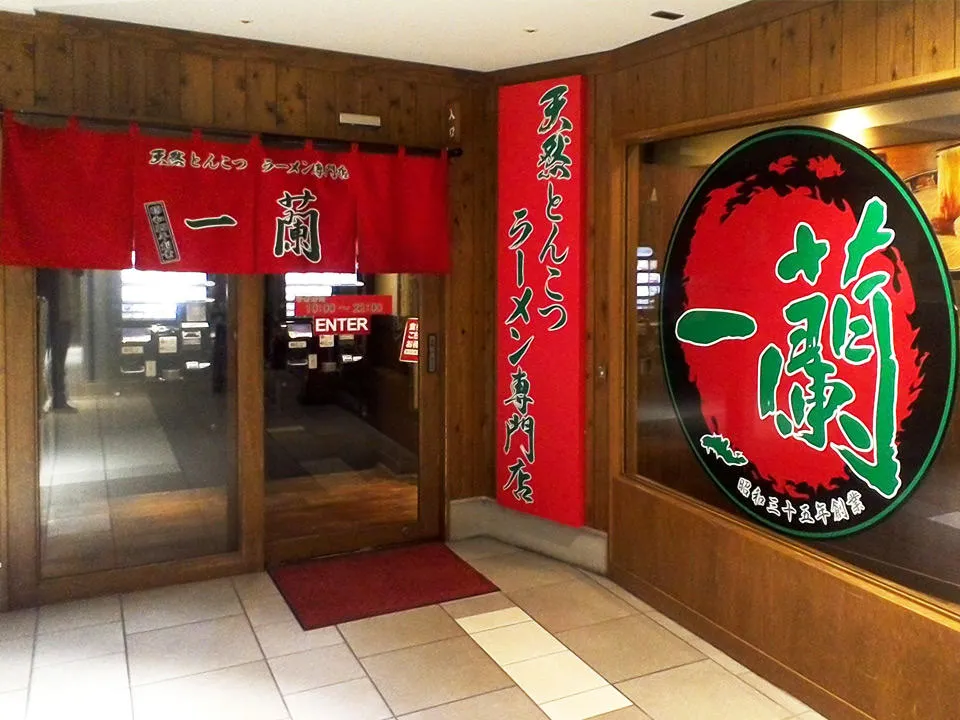
Ichiran
Fukuoka's tonkotsu institution and the birthplace of the solo ramen booth in 1993, come alone and eat exactly as it was designed.
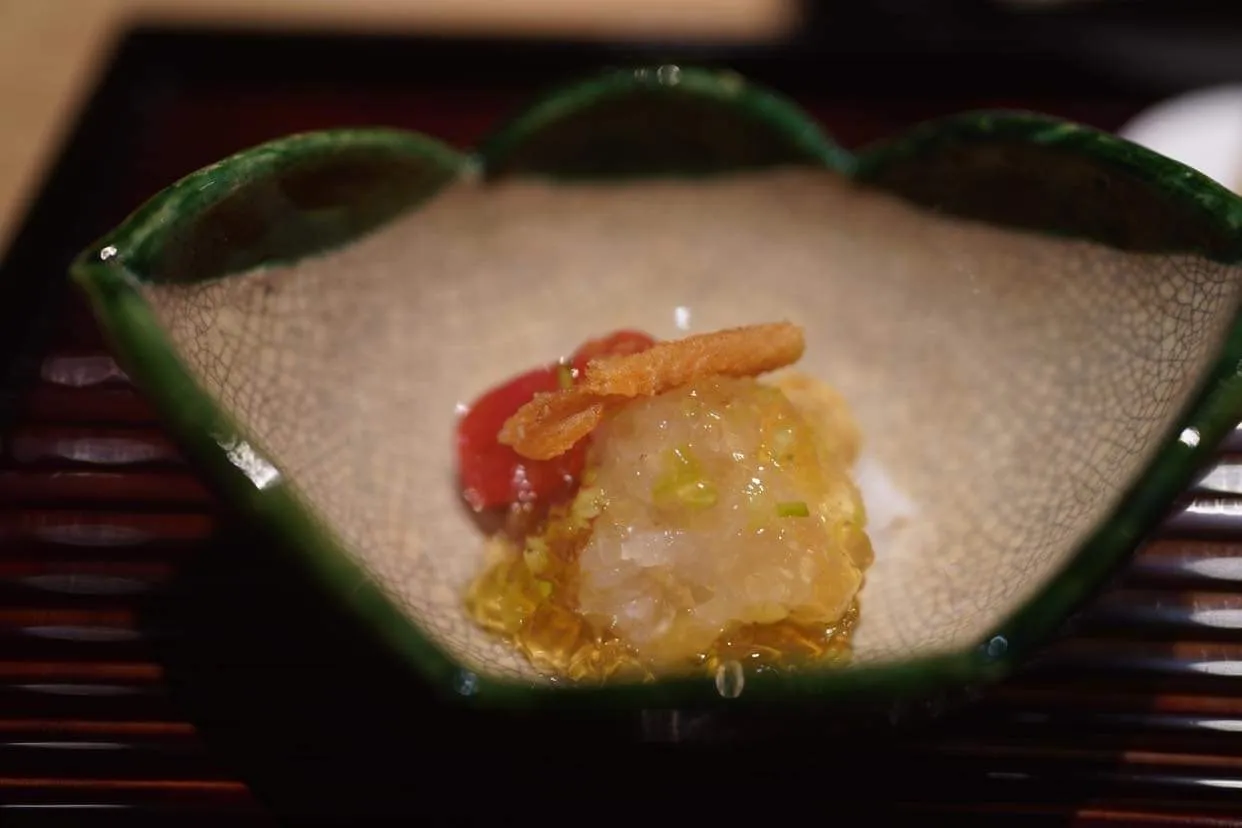
Imoto
"Two Michelin stars at ¥15,000, the best-value kaiseki counter in Japan, built on one flawless dashi. Book it for serious diners."