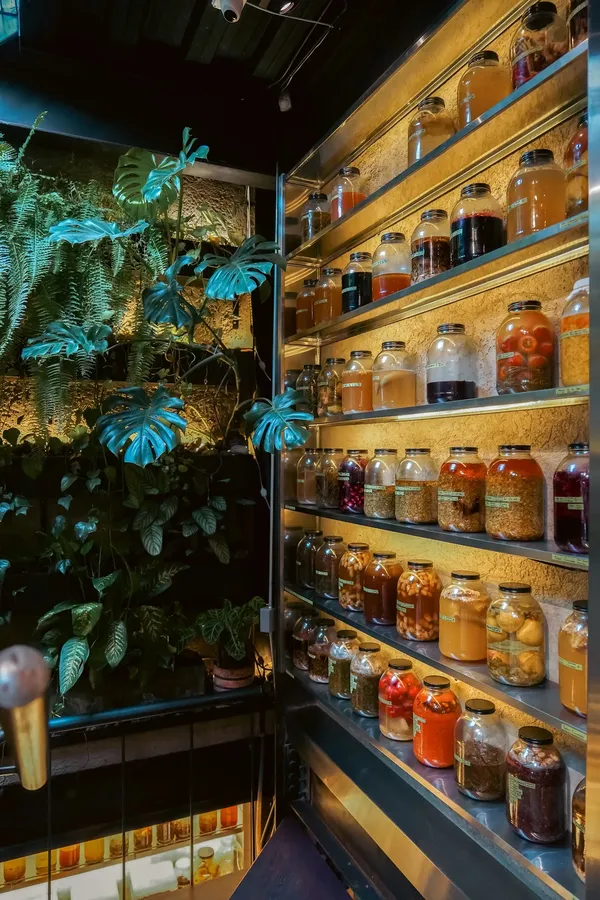
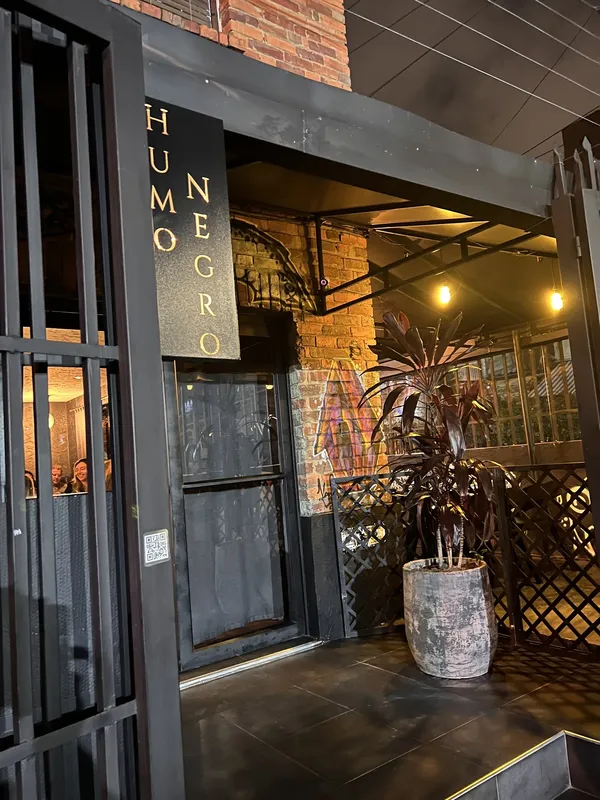
"Leonor Espinosa's Chapinero flagship ranked No. 23 in Latin America's 50 Best 2025, turning Colombian biomes into a tasting menu — book weeks ahead."
About Leo
Leo is the restaurant where Leonor Espinosa redrew the map of Colombian fine dining. Since 2021 it has occupied a townhouse at Calle 65bis #4-23 in the upmarket Chapinero district of Bogotá, where Espinosa cooks a tasting menu built entirely from the country's own ecosystems and her sommelier daughter, Laura Hernández-Espinosa, runs the pairings. Latin America's 50 Best ranked it No. 23 in 2025, and Espinosa herself was named The World's Best Female Chef in 2022. The full tasting starts around COP 580,000 per person. For the standards we judge it against, see our seven signs of a great restaurant.
The Kitchen
Leonor Espinosa is a self-taught chef who has become one of the most important figures in Colombian gastronomy, and Leo is the laboratory for her ideas. The menu follows a concept she calls Ciclo-Bioma — a journey through Colombia's biomes that draws on ingredients from the Amazon, the Páramo, the Pacific and the Caribbean, many of them little known outside the communities that harvest them.
A meal here is a sequence of small, exacting plates rather than a single signature dish: arawana, an Amazonian fish, served with sour cassava and a calf's-foot jelly under coquindo seed oil; dried shrimp with a crumb of crushed snails and ants; peach-palm heart with hormigas culonas, the big-bottomed ants of Santander. Ingredients like the mojojoy worm, borojó fruit and wild rodent appear as the cycle demands. The full Ciclo-Bioma tasting begins at about COP 580,000 per person, rising with the wine or the non-alcoholic botanical pairing Laura builds alongside it. The No. 23 placing in Latin America's 50 Best 2025 is the dated proof; the World's Best Female Chef title of 2022 is the wider context.
The Room
Leo spans two dining rooms under one roof: the ground floor showcasing Espinosa's cooking, and a second space overseen by Laura Hernández-Espinosa and her cellar. The townhouse setting in Chapinero is intimate and considered rather than grand — muted, warm, designed to keep the focus on the plates and the story behind each ingredient. This is a destination dinner: reservations are required and generally go weeks in advance, and the tasting unfolds over several hours, so plan the evening around it. Dress is smart; the room rewards the occasion.
Best for a Special Occasion
Book Leo for a milestone dinner or to impress a visiting client because it is, by ranking and reputation, one of the defining tables of Latin America — landing it signals you know where Bogotá eats. The Ciclo-Bioma tasting is a multi-hour journey through Colombia's ecosystems, paired by one of the country's best sommeliers. See the best restaurants to impress a client and the best birthday tables, plus our best tasting-menu restaurants worldwide.
Not for
Not for a casual or spontaneous meal — Leo is a multi-hour tasting menu of unfamiliar Amazonian ingredients, books weeks ahead, and carries a destination-dinner price.
Frequently Asked
Is Leo worth it?
Yes — it is one of Latin America's defining restaurants, ranked No. 23 in the region's 50 Best for 2025, and the clearest expression of modern Colombian cooking. Chef Leonor Espinosa's Ciclo-Bioma tasting (from about COP 580,000) is a multi-hour journey through the country's ecosystems. Book weeks ahead and treat it as the evening. See the Bogotá dining guide for alternatives.
What is the Ciclo-Bioma menu at Leo?
Ciclo-Bioma is Leonor Espinosa's tasting concept built around Colombia's biomes — the Amazon, Páramo, Pacific and Caribbean. Each course draws on ingredients native to those ecosystems, from arawana fish and peach-palm heart to hormigas culonas (big-bottomed ants), mojojoy worm and borojó. It is offered as a multi-step tasting, with wine or non-alcoholic botanical pairings.
Who is the chef at Leo?
Leo is run by chef Leonor Espinosa, a self-taught cook named The World's Best Female Chef in 2022 and a central figure in Colombia's food renaissance. Her daughter, sommelier Laura Hernández-Espinosa, oversees the pairings and the second dining room. Together they have made Leo one of the most acclaimed restaurants in Latin America.
How much does dinner at Leo cost?
The full Ciclo-Bioma tasting starts at around COP 580,000 per person without pairings, with non-alcoholic botanical and wine pairings priced above that. It is a destination-dinner price for a multi-hour, multi-course experience using rare Colombian ingredients. Reservations are required well in advance, generally weeks ahead of the date you want.
Where is Leo located in Bogotá?
Leo is at Calle 65bis #4-23 in the upmarket Chapinero district of Bogotá, where it relocated in 2021. It occupies a townhouse with two dining rooms under one roof. Chapinero is a walkable, central neighbourhood, so the restaurant pairs easily with a night out in the area. See the Bogotá dining guide for nearby tables.
Reserve a Table →
Reserve a Table
Reserve at Leo
Direct booking via restauranteleo.com
Affiliate disclosure: Restaurants for Kings may earn a commission when you book through our reservation links, at no cost to you. Our scores are editorial and never paid for.
Practical Information
AddressCalle 65bis #4-23, Chapinero, Bogotá, Colombia
NeighbourhoodChapinero
CuisineContemporary Colombian tasting menu
Average spendFrom ~COP 580,000 per person
SignatureCiclo-Bioma tasting · arawana, hormigas culonas
ChefLeonor Espinosa
SommelierLaura Hernández-Espinosa
Dress codeSmart
ReservationRequired · weeks ahead
RecognitionLatin America's 50 Best No. 23 (2025)