Atlanta's Finest Tables
70 restaurants rankedNew Atlanta restaurants, first.
New openings, reservation tips, and editor picks. Updated quarterly. Free to join.
$ under $40 · $$ $40–$80 · $$$ $80–$150 · $$$$ $150+ per person
1
Team Dinner
Atlanta
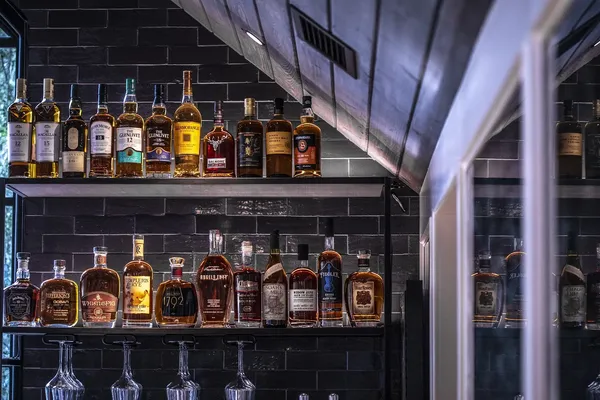
The Chastain
Overlooks a culinary garden where tonight's vegetables were harvested this morning. Michelin's Green Star for sustainability meets North Buckhead refinement.
1
Birthday
Atlanta
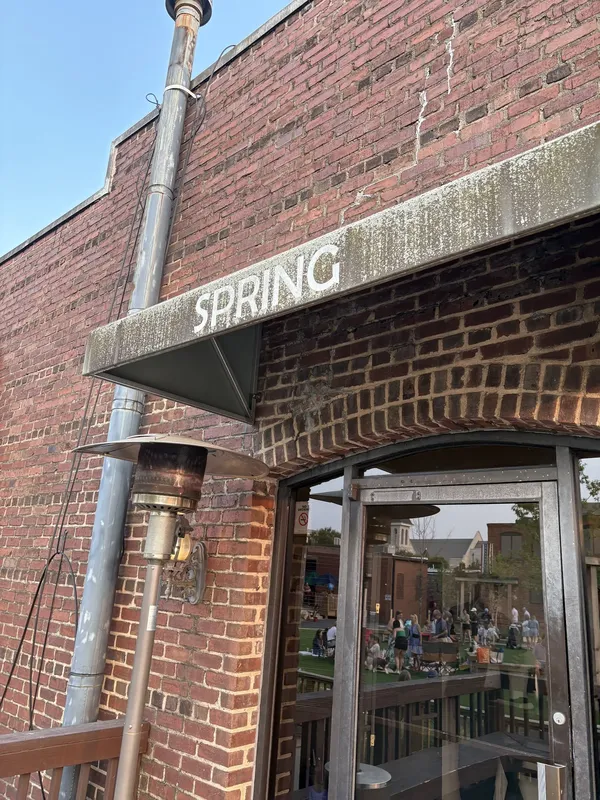
Spring
The only Michelin star outside Atlanta's perimeter. Chef Brian So's tasting menu in Marietta's mill district is worth every mile of the drive.
1
Close a Deal
Atlanta
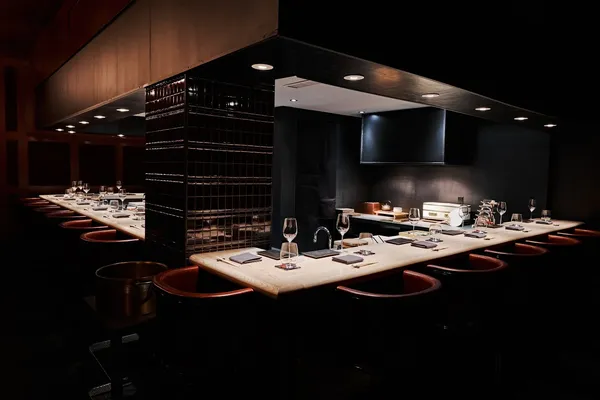
Mujō
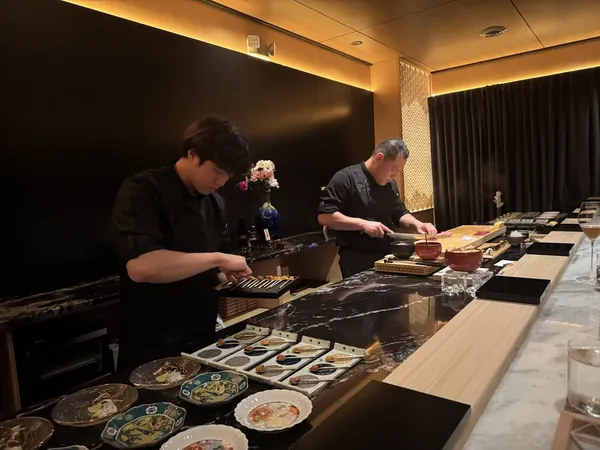
Chef J. Trent Harris's $245 omakase in a moody West Midtown setting that whispers power without shouting it. The deal-closer Atlanta executives keep off the radar.
1
First Date
Atlanta
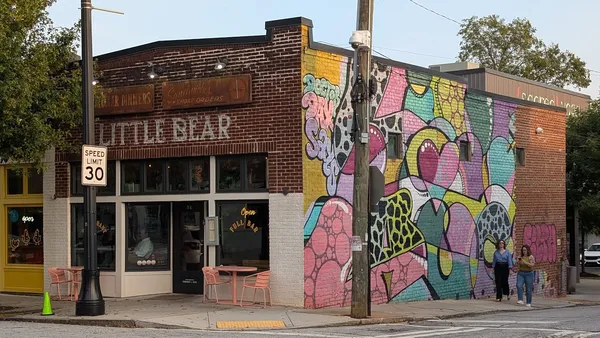
Little Bear
The neighbourhood restaurant Atlanta's chefs eat at on their nights off. Creative, honest cooking in Summerhill that deserves far more attention than it gets.
1
Close a Deal
Atlanta
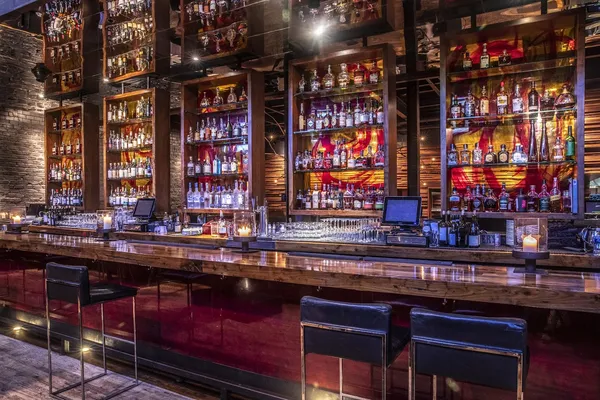
Kevin Rathbun Steak
Inman Park's premier cut house. Kevin Rathbun elevated the Atlanta steakhouse without sacrificing the masculine confidence the format demands.

1
Close a Deal
Atlanta
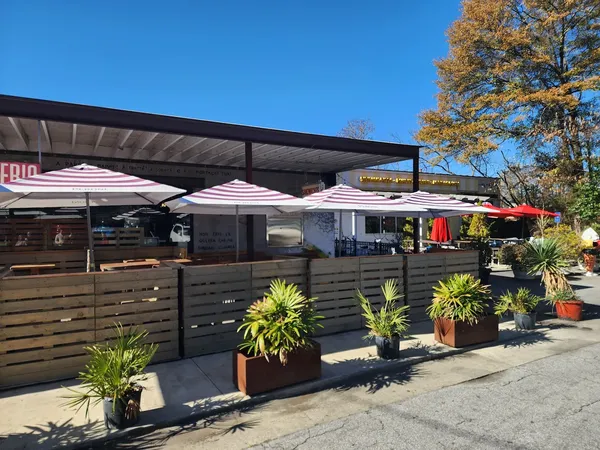
Chops Lobster Bar
Buckhead's power-lunch institution. The upstairs steakhouse closes contracts; the downstairs lobster bar celebrates them. Two restaurants, one address, unlimited leverage.
1
Team Dinner
Atlanta
Antico Pizza Napoletana
The pizza that made Atlantans rethink everything they knew about the form. Standing room, communal tables, and a DOP-certified Margherita worth the queue.

1
Impress Clients
Buckhead to The St. Regis Atlanta
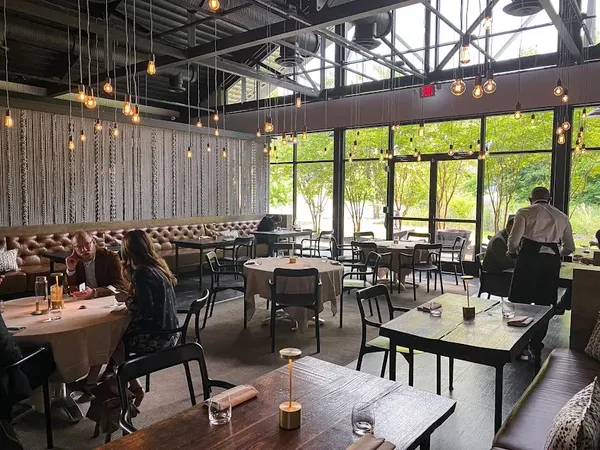
Atlas
Georgia's only Forbes Five-Star restaurant. Art-gallery dining where a Picasso watches you order and every plate justifies the reservation wait.
2
First Date
Westside to Blandtown
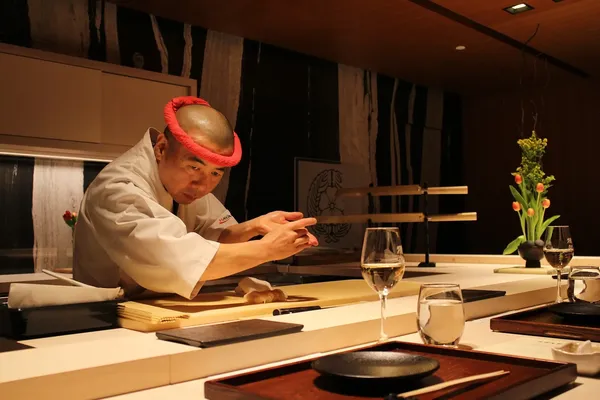
Bacchanalia
Atlanta's dining institution since 1993. The organic farm four-course that defines what Southern fine dining is supposed to feel like.
3
Solo Dining
Star Metals to Westside
Hayakawa
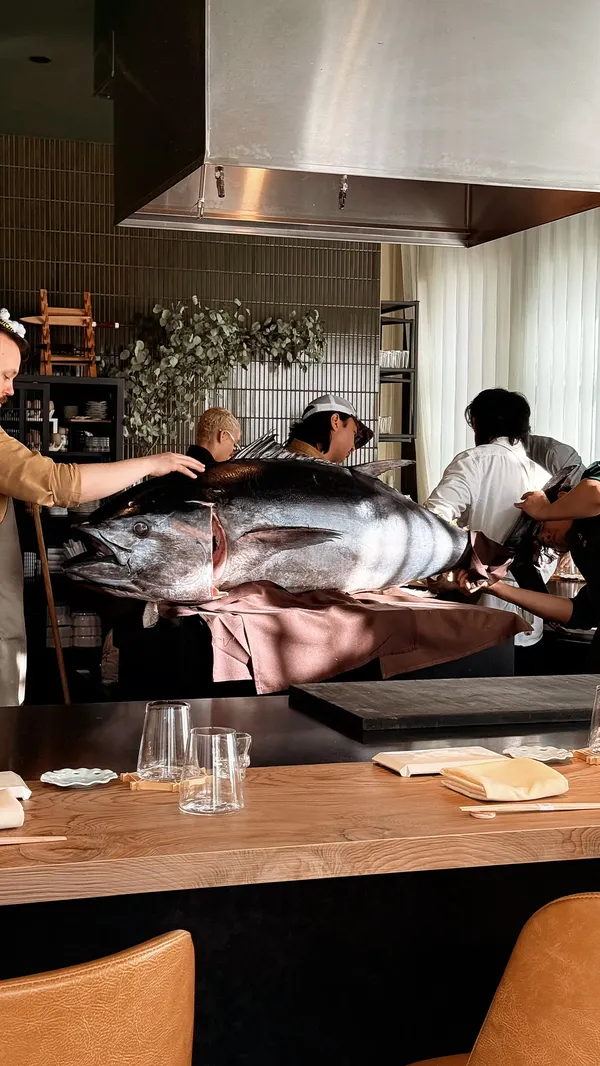
Chef Atsushi Hayakawa sources from Tokyo's Toyosu market for a $315 omakase that belongs in any conversation about America's best sushi counters.
4
Proposal
Midtown to Atlanta
Lazy Betty
Chefs Ron Hsu and Aaron Phillips have built Midtown's most emotionally intelligent tasting menu. Intimate, precise, and impossible to forget.

5
Cl




Additional Restaurants
First Date
8ARM
First Date
9 Mile Station
First Date
Aria Bistro
First Date
Aria, Atlanta
First Date
Babalu
First Date
Best Sushi in Atlanta, 2026
First Date
Bistro Niko
First Date
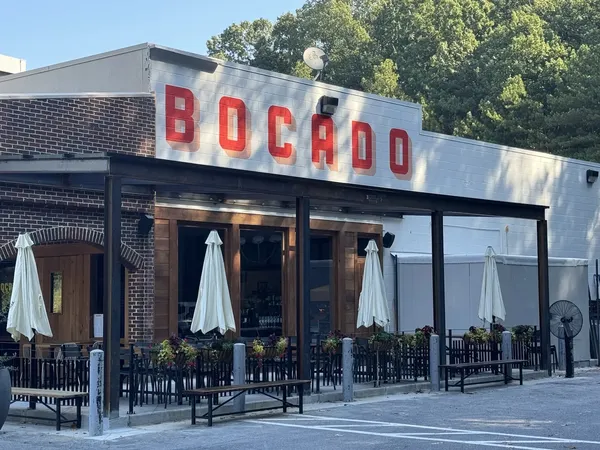
Bocado
First Date
BoccaLupo
First Date
Bone's
First Date
Bone's Restaurant
First Date
Bread & Butterfly
First Date
Brush Sushi Izakaya
First Date
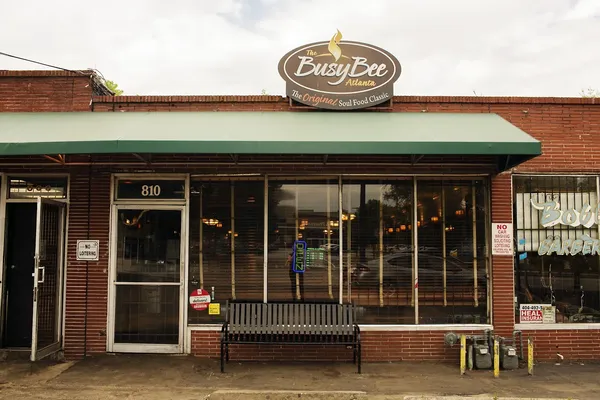
Busy Bee Cafe
First Date
Canoe
First Date
Cooks & Soldiers
First Date
Delbar
First Date
Empire State South
First Date
Best Fine Dining in Atlanta, 2026
First Date
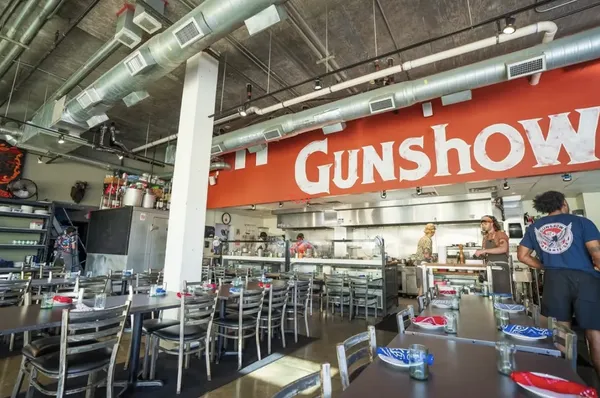
Gunshow
First Date
Holeman & Finch
First Date
Iberian Pig
First Date
Kr SteakBar
First Date
Kyma
First Date
La Grotta
First Date
Le Bilboquet
First Date
Local Three
First Date
Marcel
First Date
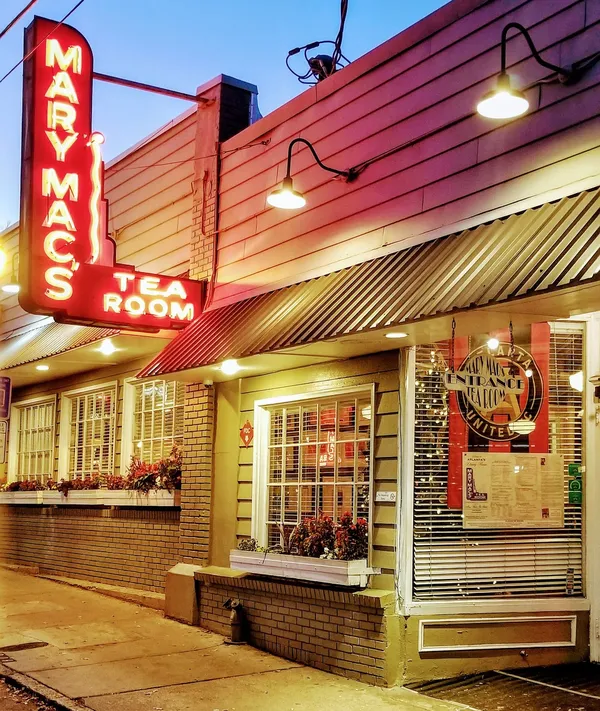
Mary Mac's Tea Room
First Date
Mary Mac's
First Date
Miller Union
First Date
O by Brush
First Date
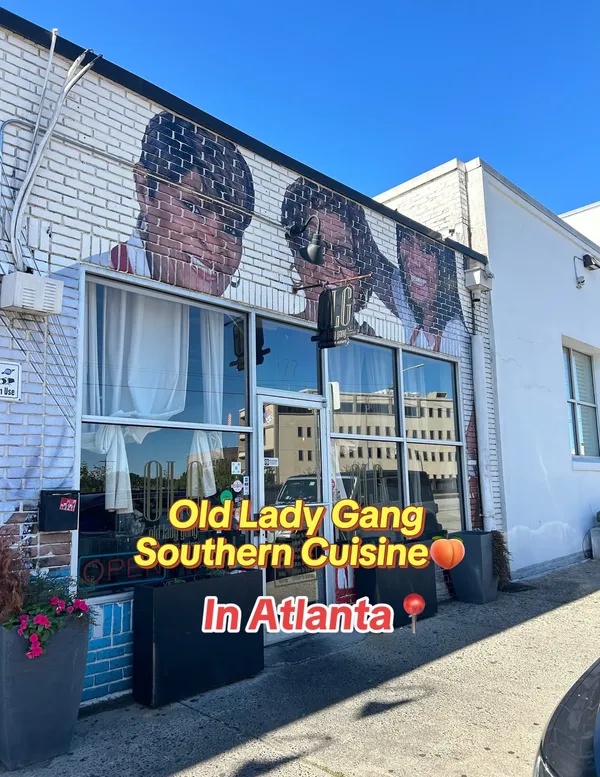
Old Lady Gang
First Date
Omakase Table
First Date
The Best Omakase in Atlanta, 2026
First Date
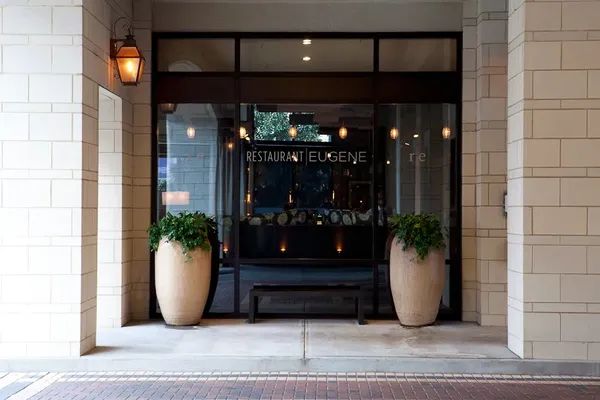
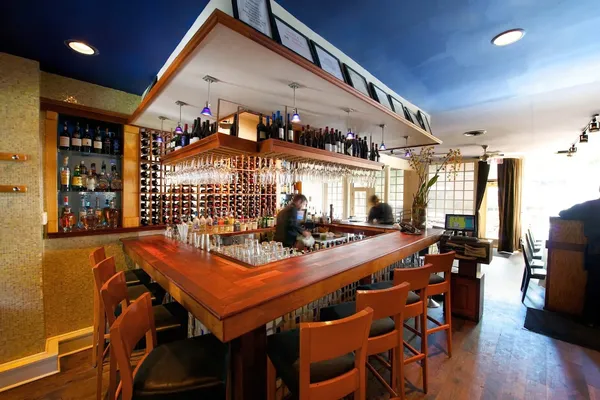
Restaurant Eugene
First Date
Sotto Sotto
First Date
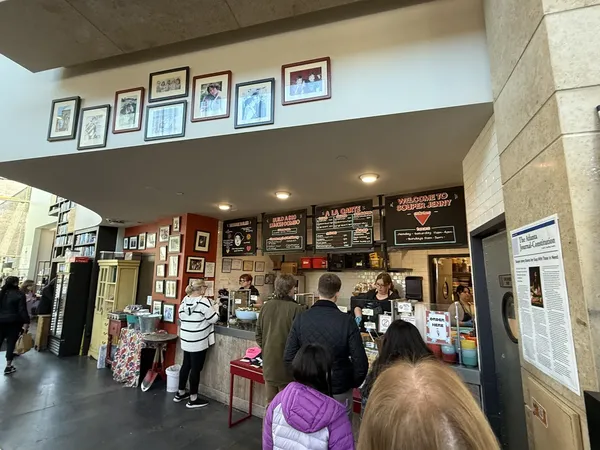
Souper Jenny
First Date
St. Cecilia
First Date
Staplehouse
First Date
Storico Vino
First Date
The Optimist
First Date
Ticonderoga Club
First Date
Tomo
First Date
Two Urban Licks
First Date
Watershed on Peachtree
First Date
Yebo Beach Haus
New — the nightly brief
Tonight in Atlanta →