Occasion
Team Dinner
The shared plate that builds more culture than any offsite.
A team dinner is where culture gets built. Not through speeches or mission statements, but through the simple act of breaking bread together. The right restaurant creates the conditions where people relax, where conversation flows across hierarchies, where work feels less like work because you're doing it with people you actually like. We've found restaurants where sharing food is native to the menu, where groups feel welcome (not tolerated), and where the meal itself reinforces the idea that your team is worth celebrating.
The best restaurants for a team dinner offer long tables, sharing menus, and private rooms that turn dinner into bonding. Top global picks for 2026 are led by Girl & the Goat in Chicago. Editorial runners-up: Lazy Bear (San Francisco), RPM Italian (Chicago).
Never settle for a mediocre reservation.
Join 12,000+ discerning diners. selected tables for every occasion, delivered weekly.
Top Team Dinner Restaurants
Where groups become stronger around the table


Gjelina
Los Angeles
California cuisine built for sharing. Groups thrive in this energy.
Zuma
Miami
Modern Japanese designed for izakaya-style group dining. Sake and small plates that encourage sharing.


From the Directory — Team Dinner Picks Worldwide
30 of the best Team Dinner tables across our 830-city directory, ranked by combined Food/Ambience/Value score. Open any to read the full profile.



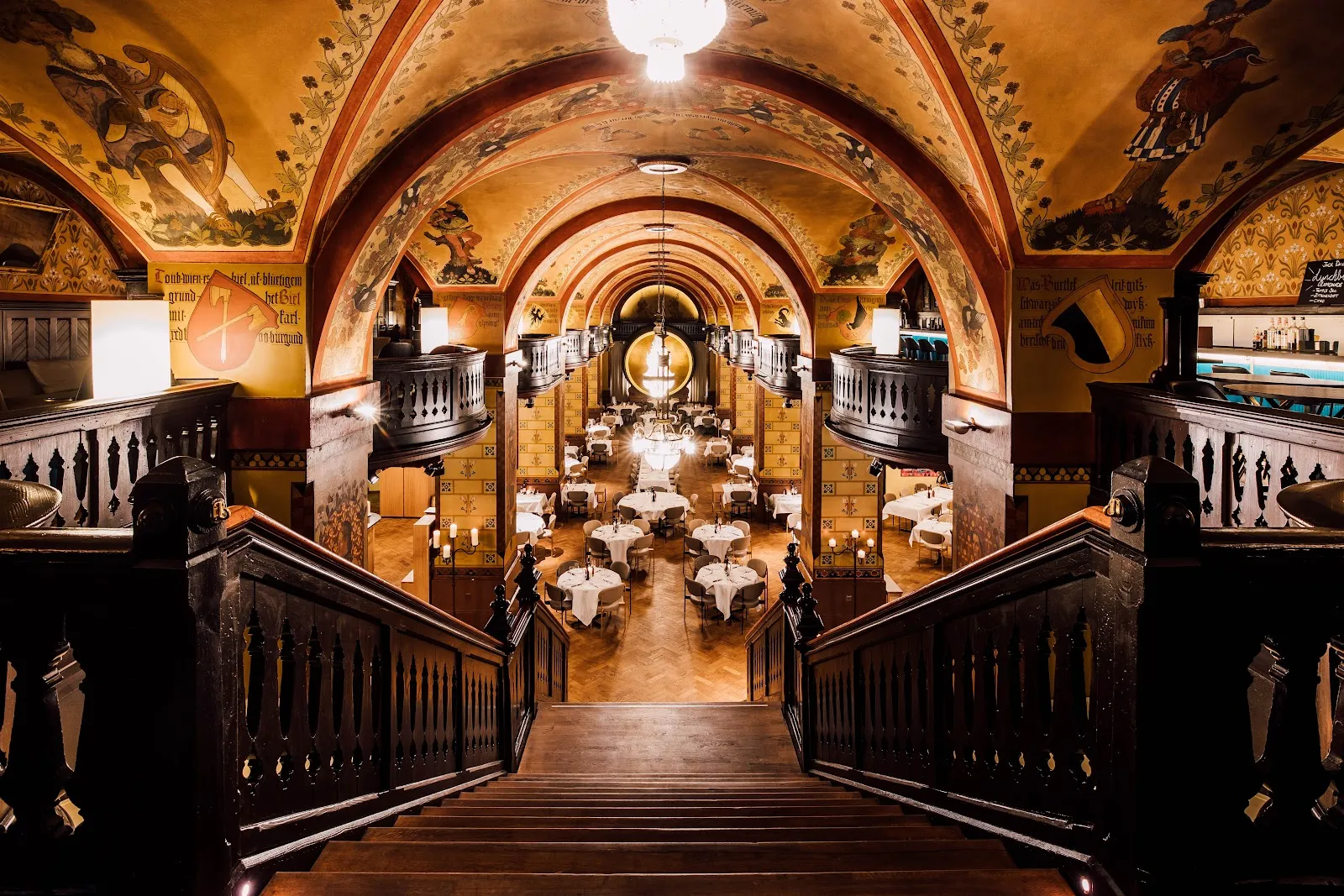
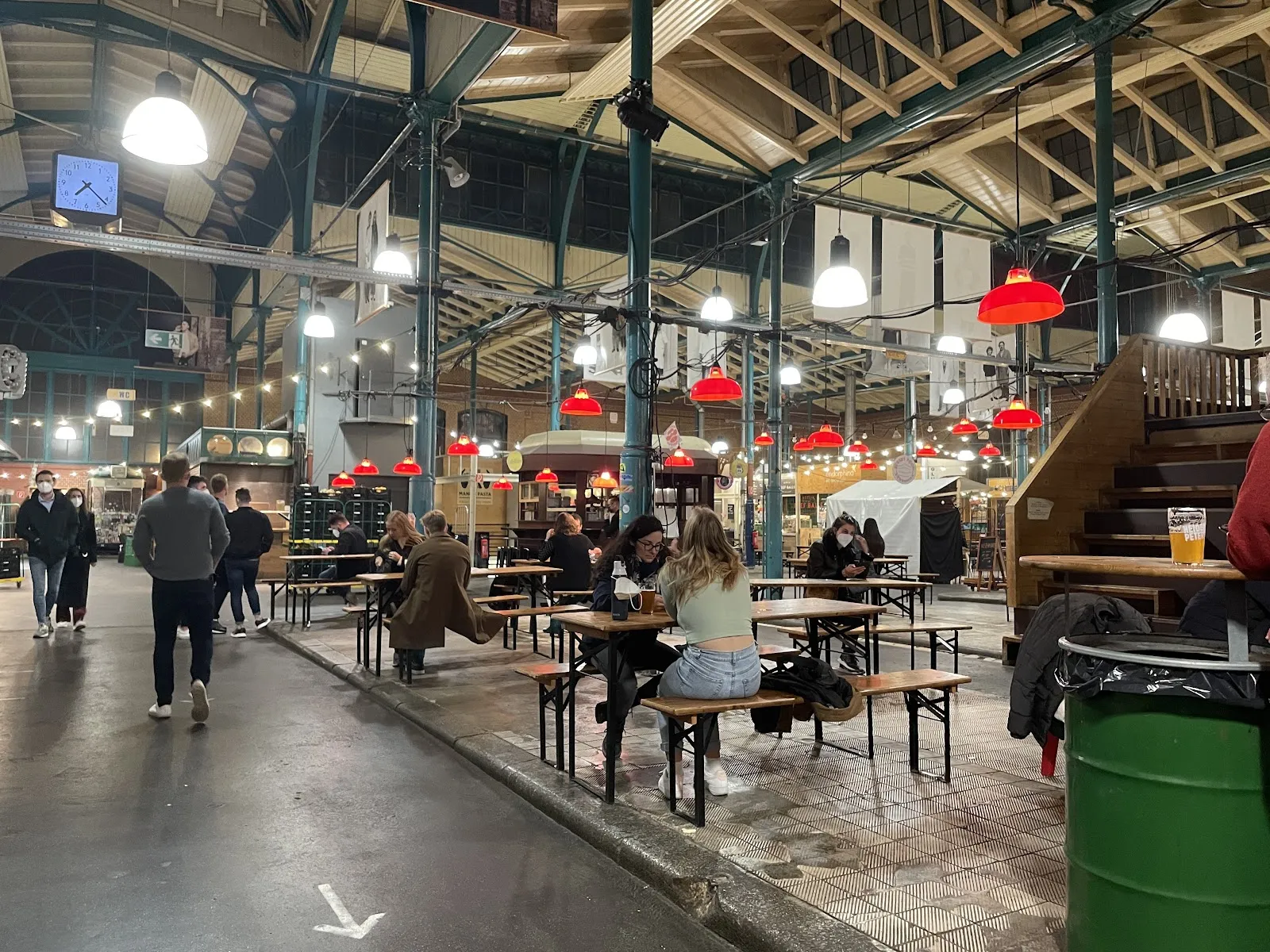


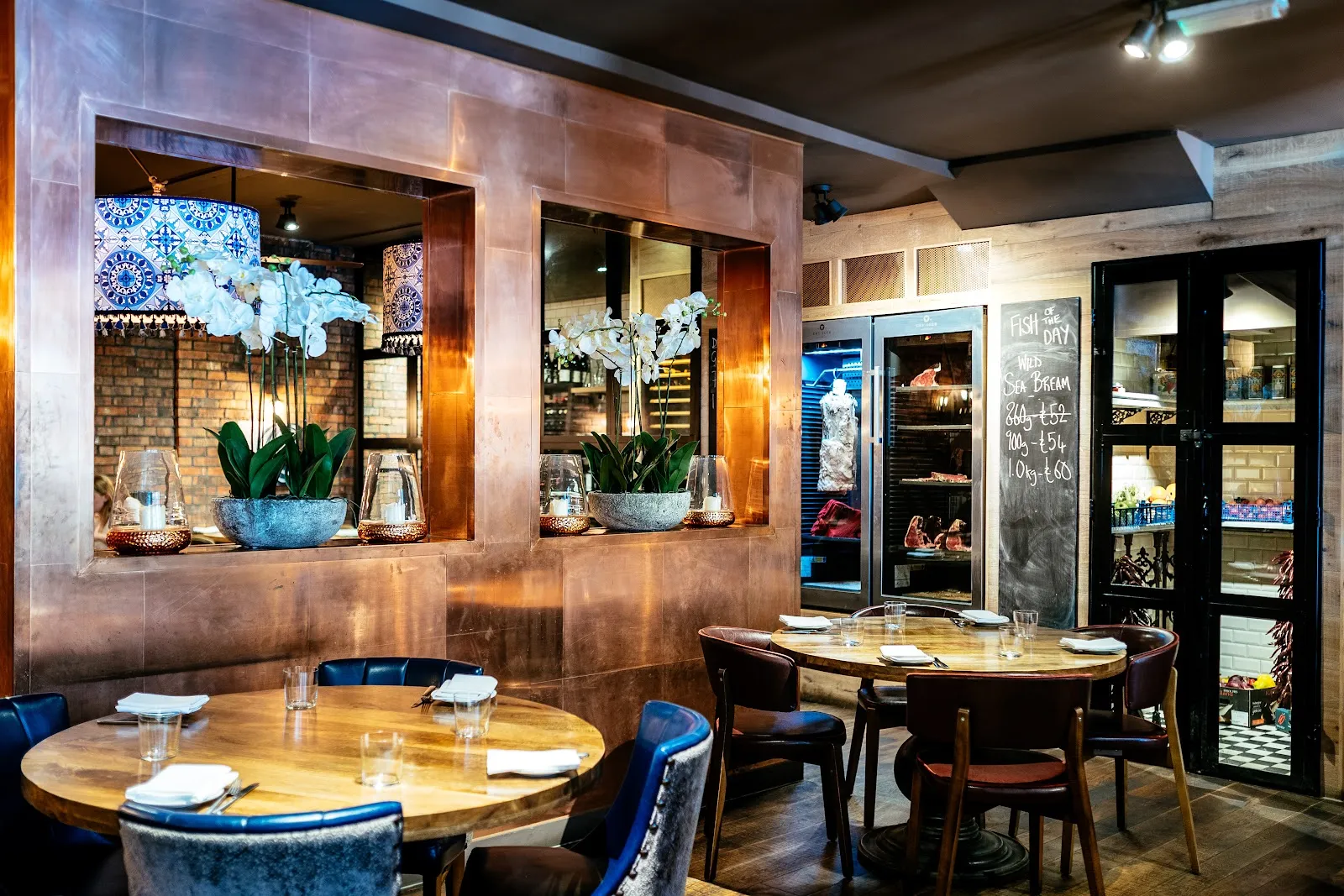


Building Culture at the Table
A team dinner is not about the food. It's about connection. It's about creating conditions where people see each other as humans instead of role titles. Where conversations happen that wouldn't happen in the office. Where someone learns that the quiet engineer from product has a wicked sense of humor. Where the CEO realizes the junior developer is smarter than they gave them credit for. These moments happen naturally when the restaurant is designed for it.
The Shared Plate Philosophy
The best team dinner restaurants embrace the shared plate. Not just as an option, but as the organizing principle of the menu. Girl & the Goat, Lazy Bear, Gjelina, and Zuma all understand that when a meal is designed for sharing, the group becomes the unit, not the individual.
Here's the magic: when you order family-style, there's natural conversation about the food. "You have to try this." "What do you think of that?" People pass plates. People taste what someone else ordered and have an opinion. The food becomes a catalyst for interaction. This is the opposite of individualized plates where everyone eats in parallel, occasionally making eye contact.
The shared plate also removes decision paralysis from groups. Instead of six people agonizing over their individual choices, the table orders strategically. Someone says, "Let's get a bunch of things." The restaurant helps guide the choices. The meal becomes a shared experience rather than six separate transactions.
At Girl & the Goat, this is baked into the restaurant's DNA. The menu is built for sharing. The dishes are designed to be passed around. The portions are generous enough to go around the table. Everyone gets to taste everything. Everyone has a voice in what you're eating.
Group Capacity and Infrastructure
Good team dinner restaurants have infrastructure for groups. This means they have tables that work for 8+ people. They have servers who can manage the complexity of group orders. They have kitchens that can execute dishes for large parties without losing quality. They have back-of-house operations that treat a group dinner like a normal service, not a special event that requires extraordinary effort.
RPM Italian and Gjelina both excel at this. They're high-volume restaurants that handle groups constantly. They know how to space tables so groups don't feel like they're in a sea of other groups. They know how to pace service so large parties feel like they're the only people in the room. They've solved the logistical complexity so it feels effortless.
Call ahead and mention you're coming with a group. Let them know the size. Ask if they have a preferred table configuration. Ask if they can help coordinate the menu. The best restaurants will have the team briefed on your arrival so there's no moment where you walk in and feel like an imposition.
Energy and Noise
A good team dinner restaurant has energetic noise, not chaotic noise. There's enough ambient activity that your group's conversation doesn't feel exposed or scrutinized. But it's not so loud that you can't hear the people across from you. This is a technical challenge that separates great restaurants from good ones.
Lazy Bear solves this through communal seating and built-in celebration. The room is designed as one long experience, not multiple isolated tables. This paradoxically makes groups feel more comfortable because they're not alone in a sea of couples.
Girl & the Goat has high energy without being overwhelming. The space is open and visible, but the acoustics are surprisingly manageable. People are clearly having fun, which gives your group permission to have fun. The vibe is "celebration," not "business dinner."
Price Points for Groups
Team dinners often have a budget. Good restaurants understand this and have options at different price points. Girl & the Goat is $$$, which feels celebratory without being extravagant for groups. RPM Italian is $$, which is accessible even for large teams. Gjelina and Republique are $$, which means you can take a big team without anyone doing the math on their expense report.
The key is that the price should feel generous, not excessive. You want your team to feel celebrated without feeling like the budget wasted money on something they could have done cheaper. Choose a restaurant where the quality justifies the price and the price justifies the occasion.
Dietary Inclusivity
Large teams have dietary requirements. Vegetarians, vegans, gluten-free, allergies, cultural preferences. A good team dinner restaurant has thought about this. They don't treat dietary requirements like special requests; they treat them as normal. The menu has enough variety that everyone can eat well, not just be accommodated.
Girl & the Goat has a menu with serious vegetable dishes, not vegetables as an afterthought. Lazy Bear's menu shifts daily but includes options for different preferences. Gjelina has naturally inclusive cuisine. When you call to book, mention dietary needs and ask if the restaurant can accommodate. The answer should be confident, not tentative.
Alcohol and Non-Alcohol Options
Not everyone drinks. A good team restaurant has this solved. They have excellent cocktails, wine, and non-alcoholic options. The person who's not drinking shouldn't feel like they're being given a consolation prize. The beverage program should make everyone feel included.
Zuma and Avec are both particularly good at this. Their wine programs are strong enough to feel celebratory, but they also have serious non-alcoholic options. Gjelina has great cocktails, wine, and mocktails that don't taste like punishment.
The Spacing and Flow
How much time should a team dinner take? Ideally 2-2.5 hours. Long enough for relaxation and connection, short enough that people don't get restless or tired. Good restaurants understand this pacing. They space courses appropriately. They don't let plates sit. They read the room and adjust.
Call the restaurant and mention the size of your party. Ask if they have a preferred timing. Let them know if you need to be done by a certain time (which is usually the case for team dinners). The best restaurants will build a timeline and stick to it.
Private Dining Rooms
For very large groups (15+), consider a private dining room. This removes complexity. You're not trying to manage a group's impact on the dining room. You can control the energy entirely. The restaurant has more flexibility with timing and customization.
That said, many teams prefer the main dining room. There's something about being part of a larger restaurant energy that enhances the celebration. You're not in a conference room that happens to serve food; you're in a real restaurant celebrating together. Choose based on your group's vibe.
Building the Memory
The best team dinners create memories that outlast the meal. People remember how they felt, not what they ate. They remember conversations that happened, connections that deepened. They remember feeling celebrated and seen as part of something valuable.
This is what makes Girl & the Goat or Lazy Bear better than a steakhouse or French restaurant for team dinners. Those are excellent restaurants, but they don't have culture-building baked into their DNA. The restaurants we've chosen are designed for the exact moment you're creating: bringing a group together, feeding them well, making them feel special, and creating an evening that reinforces why they like working together.
Choose your team restaurant with intention. Think about what kind of culture you want to build. Choose a place that mirrors that. Then execute the dinner with the same care you'd give to an important business meeting. Because it is one, it's just more effective than most, and everyone leaves with better relationships than when they arrived.
Also Perfect For...
Explore these occasions at the same restaurants
Best Cities for Team Dinners
Team dinners work differently in different cities. In New York, the best team dinner restaurants are professional infrastructure, they've handled corporate groups thousands of times and have the operations to prove it. In Chicago, a team dinner can lean into the city's comfort food culture while still delivering quality that makes people feel valued. In cities like Singapore and Tokyo, the team dinner carries additional cultural weight as a relationship-building tool that often matters more than the business itself.
New York City
New York team dinners benefit from the city's extraordinary range of group-capable restaurants. Carbone works for senior team dinners where impression matters, the theatricality of the room energises a group. For larger teams on a range of budgets, the city's Italian and Italian-American restaurants have perfected the art of feeding groups with genuine quality. Private dining rooms at the city's top restaurants are available and appropriate for confidential or sensitive team gatherings.
Chicago
Girl & the Goat is the Chicago benchmark for team dinners, Stephanie Izard's sharing-plate restaurant is genuinely designed for groups, with large tables, rotating dishes, and a menu that accommodates most dietary requirements without making anyone feel like an afterthought. For smaller, senior teams, Avec's wine-focused Mediterranean menu creates a different kind of team connection: slower, more conversational, more personal.
Los Angeles
Los Angeles team dinners work best at restaurants with energy and space. Gjelina in Venice has built a culture around communal dining that translates perfectly to work groups. Bestia in the Arts District handles groups with the same quality it delivers to tables of two. The city's dining culture is relaxed enough that team dinners here feel genuinely casual rather than performatively celebratory.
London
London team dinners in the City and Canary Wharf tend toward function and quality, there are excellent group-capable restaurants near every major financial and professional hub. For team dinners in a more social context, Soho and Shoreditch have restaurants that feel alive and diverse enough to be interesting for mixed teams. The city's excellent Indian, Chinese, and Middle Eastern restaurants are genuinely excellent team dinner choices if your team is adventurous.
Singapore and Hong Kong
Team dinners in Singapore and Hong Kong operate on different cultural assumptions. The dinner is explicitly relationship-building, not incidental to it. Private rooms are standard at the best restaurants; they signal that the evening has been properly planned. Food quality at the top end is extraordinarily high. For international teams visiting either city, dinner at a serious Cantonese or modern Asian restaurant communicates respect for the local culture in a way that any client or colleague will notice and appreciate.
Team Dinner Planning, Frequently Asked Questions
How far in advance should I book a team dinner at a serious restaurant?
For groups of 6 to 10, 2 to 3 weeks is usually sufficient at most mid-to-high-end restaurants. For groups of 10 to 20, or for restaurants with private dining rooms, book 4 to 6 weeks in advance. For Michelin-starred or otherwise impossible-to-book restaurants, treat a team dinner booking the same as any important reservation: call the moment your date is confirmed and ask specifically about group availability. Weekday evenings have significantly more flexibility than weekends for large groups.
How do I handle dietary requirements for a large team?
Survey your team before booking, a quick message asking about any dietary restrictions or allergies is worth the effort. Then call the restaurant with a complete list. Good restaurants handle dietary requirements proactively; they adjust portions, offer substitutions within the same tasting format, or redesign courses entirely. What you want to avoid is individual team members raising requirements at the table that the kitchen hasn't had time to accommodate. Advanced notice transforms a potential problem into a non-event.
Should we do a set menu or order à la carte for a team dinner?
A set menu (or pre-ordered family-style selection) is strongly recommended for groups. It removes the awkward long pause when eight people are simultaneously reading menus and half the table hasn't decided yet. It simplifies service for the kitchen. It usually offers better value than ordering individually. Many restaurants will work with you to create a custom selection in advance, call the day before and ask. This level of preparation also signals to the restaurant that your group deserves a higher level of attention.
How do I keep a team dinner from becoming a work meeting?
Lead with the personal, not the professional. The first 20 minutes of a team dinner should be entirely social, ask about weekends, travels, interests. Talk about the food when it arrives. If your team doesn't naturally shift into social conversation, come prepared with a question or observation that's clearly off-topic from work. The restaurant will help: the food creates natural conversation, the service creates natural pauses, and the setting, if you've chosen well, does most of the work of creating genuine human connection.
What's a reasonable per-head budget for a team dinner?
For most professional team dinners, $80, $150 per head before drinks is the appropriate range for a genuinely excellent restaurant. Below $60 per head, you're limited to places that may not create the "valued and celebrated" feeling you want for your team. Above $200 per head for a regular team dinner, you're spending in a way that may create awkwardness about the budget rather than gratitude for the experience. For milestone celebrations (company anniversary, major deal closed, annual off-site), $150, $250 per head is reasonable and signals that the occasion warrants investment.
The finest tables. Every occasion.
Weekly curation for discerning diners, free, always.
Best Team Dinner Restaurants by City
selected 2026 picks for team dinner dining in the world's most considered cities.
Top Tables for Team Dinner, by City
The three highest-scored team dinner restaurants in every priority city.
Dubai
- Al Khayma Heritage Restaurant, · $$$ · 9/10
- Ce la Vi Dubai, · $$$ · 9/10
- Tasca by José Avillez, Portuguese Contemporary · $$$$ · 9/10
- Zuma Dubai, Japanese Izakaya · $$$ · 9/10
- Nobu Dubai, Japanese-Peruvian · $$$ · 9/10
- COYA Dubai, Peruvian · $$$ · 8/10
- La Petite Maison, French Mediterranean · $$$ · 9/10
- Torno Subito, Italian · $$$ · 9/10
- Hutong, Northern Chinese · $$$ · 9/10
- GAIA, Greek Mediterranean · $$$ · 8/10
- Akira Back, Korean-Japanese · $$$ · 9/10
- Hakkasan Dubai, Cantonese Chinese · $$$$ · 9/10
- Netsu, Japanese (Warayaki Steakhouse) · $$$$ · 9/10
- Em Sherif, Lebanese Fine Dining · $$$ · 9/10
- BOCA, Modern Spanish · $$$ · 9/10
- Kinoya, Japanese Izakaya · $$ · 9/10
- 3Fils, Contemporary Asian · $$ · 9/10
- Carnival by Trèsind, Progressive Indian · $$$ · 9/10
- LOWE, Contemporary International · $$$ · 9/10
- Smoked Room, Smoked Steakhouse · $$$$ · 9/10
- 11 Woodfire, Wood-Fired Contemporary · $$$ · 9/10
- Beefbar Dubai, Premium Steakhouse · $$$$ · 9/10
- Berenjak Dubai, Persian · $$$ · 9/10
- CUT by Wolfgang Puck, American Steakhouse · $$$$ · 9/10
- Demon Duck by Alvin Leung, Chinese / Pan-Asian · $$$ · 9/10
- Jun's, Third-Culture Contemporary · $$$ · 9/10
- Masti Cocktails & Cuisine, Modern Indian · $$$ · 9/10
- The Guild, Brasserie / Chophouse · $$$$ · 9/10
- Ninive, Arabic / Mediterranean · $$$ · 9/10
- Teible, Modern Emirati · $$$ · 9/10
- Shanghai Me, Pan-Asian / Chinese · $$$ · 9/10
- Mina Brasserie, Modern French-Mediterranean · $$$$ · 9/10
- Sucre Dubai, Modern Argentine · $$$ · 9/10
- Alici Dubai, Italian Seafood · $$$ · 9/10
- Maiden Shanghai, Regional Chinese · $$$$ · 9/10
- Twiggy by La Cantine, Mediterranean · Italian · $$$ · 9/10
- Signor Sassi Dubai, Classic Italian · $$$ · 9/10
- Josette Dubai, Modern Parisian Brasserie · $$$$ · 9/10
- Tagomago Dubai, Spanish Mediterranean · $$$ · 8/10
- Bussola Dubai, Italian (three formats) · $$$ · 8/10
- Ling Ling Dubai, Contemporary Asian · $$$$ · 8/10
- Morah Dubai, Middle Eastern Mediterranean · $$$ · 9/10
- Alaya Dubai, Coastal Middle Eastern · $$$ · 9/10
- Siraj, Emirati Levantine · $$ · 9/10
- Fi’lia Dubai, Italian · $$$ · 9/10
- Bait Maryam, Palestinian-Jordanian · $$ · 9/10
- Shabestan, Persian · $$ · 9/10
- 99 Sushi Bar Dubai, Contemporary Japanese · $$$ · 9/10
- Sumosan Dubai, Contemporary Japanese · $$$ · 9/10
- Carine, French Mediterranean · $$$ · 9/10
Bangkok
- CHOTE CHITR, Traditional Central Thai · $ · 9/10
- METHAVALAI SORNDAENG, Heritage Central Thai · $$ · 9/10
- Potong, Thai-Chinese · $$$$ · 9/10
- Canvas, Creative Thai · $$$ · 9/10
- nahm, Contemporary Thai · $$$ · 9/10
- Saawaan, Modern Thai · $$$ · 9/10
- Haoma, Neo-Indian / Sustainable · $$$ · 9/10
- Inddee, Regional Indian · $$$$ · 9/10
- Paste Bangkok, Thai · $$$ · 9/10
- 80/20, Creative Thai · $$$ · 9/10
- PRIME STEAK HOUSE, American Steakhouse · $$$$ · 9/10
- THANYING, Royal Court Thai · $$$ · 9/10
- SRI TRAT, Eastern Thai / Trat Province · $$ · 8/10
- SOMTUM DER, Isaan Thai · $$ · 8/10
- OJO, Modern Mexican · $$$ · 8/10
- EAT ME, Contemporary International · $$$ · 8/10
- BO.LAN, Sustainable Thai · $$$ · 8/10
- BLUE ELEPHANT, Royal Thai · $$$ · 8/10
- BAAN KHANITHA, Royal Thai · $$$ · 8/10
- AKSORN, Heritage Thai · $$$ · 8/10
- BAAN ICE, Thai Comfort · $$ · 9/10
- BAAN KAI MUK, Southern Thai · $$ · 9/10
- VOGUE LOUNGE, Contemporary European · $$$ · 9/10
- GORD BANGKOK, Modern European · $$$ · 9/10
- INDUS RESTAURANT, North Indian Fine Dining · $$$ · 9/10
Tokyo
- KANDA YABU SOBA, Handmade Soba · $$ · 9/10
- Florilège, French Plant-Forward · $$$ · 9/10
- Kanda, Japanese Kaiseki · $$$$ · 9/10
- L'Effervescence, French · $$$ · 9/10
- Nishiazabu Sushi Shin, Sushi Omakase · $$$ · 9/10
- Ginza Wakuta, Kaiseki · $$$ · 9/10
- Tofuya Ukai, Tofu Kaiseki · $$$ · 9/10
- YAKINIKU JUMBO, Premium Yakiniku · $$$$ · 9/10
- HIBIKI, Contemporary Japanese · $$$ · 9/10
- RESTAURANT SHUNJU, Creative Japanese · $$$ · 9/10
- Gen Yamamoto, Cocktail Bar & Japanese Snacks · $$$ · 9/10
London
- Clos Maggiore, · $$$ · 9/10
- A. Wong, Modern Chinese · $$$$ · 9/10
- Barrafina Dean Street, Spanish / Tapas · $$ · 9/10
- Gymkhana, Indian · $$$ · 9/10
- Scott's, British Seafood · $$$ · 8/10
- Nobu London, Japanese · $$$ · 8/10
- Hawksmoor Air Street, British Steakhouse · $$$ · 8/10
- Hakkasan Mayfair, Cantonese · $$$$ · 8/10
- Brat, Wood-Fired / Basque · $$$ · 8/10
- Sabor, Spanish · $$ · 9/10
- Kiln, Thai · $$ · 9/10
- Lyle's, Modern British · $$$ · 8/10
- Dishoom, Indian Café · $$ · 9/10
- Daphne's, Italian · $$$ · 8/10
- The Harwood Arms, British / Gastropub · $$$ · 8/10
- Trinity, Modern European · $$$ · 8/10
- Portland, Modern European · $$$ · 8/10
- Trishna, Indian / Coastal · $$$ · 8/10
- Bombay Bustle, Indian / Mumbai street · $$$ · 8/10
- Brigadiers, Indian / Grill & Bar · $$$ · 9/10
- BAO Soho, Taiwanese · $$ · 9/10
- Hoppers, Sri Lankan / South Indian · $$ · 9/10
- Simpson's in the Strand, British / Carvery · $$$ · 8/10
- The Wolseley, European Cafe / Grand Cafe · $$$ · 8/10
- The Ivy, British / European · $$$ · 8/10
- St. JOHN, British / Nose-to-tail · $$$ · 9/10
- Quo Vadis, Modern British · $$$ · 9/10
- Dean Street Townhouse, British / European · $$$ · 8/10
- Padella Borough, Italian / Fresh Pasta · $$ · 9/10
- Noble Rot Soho, Modern European / Wine · $$$ · 9/10
- Smokestak, American BBQ · $$ · 8/10
- Goodman Mayfair, Steakhouse · $$$$ · 8/10
- The Palomar, Modern Middle Eastern / Jerusalem · $$$ · 9/10
- Sessions Arts Club, Modern European / Mediterranean · $$$ · 9/10
- Akub, International · $$$ · 9/10
Singapore
- Esora, Modern Japanese Kappo · $$$$ · 9/10
- THE COCONUT CLUB, Nasi Lemak · $$ · 9/10
- TRUE BLUE CUISINE, Peranakan · $$ · 9/10
- Zuma Singapore, Japanese Robata · $$$$ · 8/10
- Burnt Ends, Modern Australian Barbecue · $$$ · 9/10
- Labyrinth, Innovative Singaporean · $$$ · 9/10
- Nouri, Crossroads Cooking · $$$ · 8/10
- Whitegrass, French-Japanese · $$$ · 9/10
- Thevar, Modern Indian · $$$ · 9/10
- Cure, Modern European · $$$ · 8/10
- Meta, Modern Korean · $$$ · 9/10
- Summer Palace, Cantonese · $$$$ · 8/10
- Art, Modern European · $$$ · 9/10
- Beni, Japanese-French · 55 · 9/10
- Basque Kitchen by Aitor, Basque · 5$ · 9/10
- Preludio, Contemporary European · 5$ · 9/10
- The Song of India, Contemporary Indian · 5$ · 9/10
- TABLESCAPE, Modern Singaporean Heritage · $$$ · 8/10
- PRELUDIO, Contemporary European · $$$ · 8/10
- NATIONAL KITCHEN, Peranakan-Singaporean · $$$ · 8/10
- ESQUINA, Modern Spanish Tapas · $$$ · 8/10
- CHEEK BISTRO, Modern Singaporean · $$$ · 8/10
- CANDLENUT, Peranakan · $$$ · 8/10
- ART AT ONE ALTITUDE, Contemporary European · $$$ · 8/10
- FOREST, Chinese Vegetarian · $$$ · 9/10
- OSTERIA BBR, Contemporary Italian · $$$$ · 9/10
- THE DISGRUNTLED CHEF, Modern European · $$$ · 9/10
- IGGY'S WINE BAR, Wine Bar / European Snacks · $$$ · 9/10
- SOMMER, Modern European · $$$ · 9/10
- WOOLOOMOOLOO, Australian Steakhouse · $$$ · 9/10
- CAFFÈ CICHÉTI, Italian Osteria · $$ · 9/10
Miami
- Latelier de Joel Robuchon, · $$$ · 10/10
- Café La Trova, Cuban / Cocktail Bar · $$$ · 9/10
- Los Félix, Modern Mexican / Heirloom Corn · $$$ · 9/10
- Cote Miami, Korean Steakhouse · $$$ · 9/10
- Joe's Stone Crab, Seafood / American · $$$ · 8/10
- Komodo, Southeast Asian Fusion · $$$$ · 9/10
- Doya, Aegean Meze · $$$ · 9/10
- Ghee Indian Kitchen, Indian / Farm-to-Table · $$$ · 9/10
- Prime 112, Steakhouse · $$$$ · 8/10
- Papi Steak, Steakhouse · $$$$ · 8/10
- The Forge, Steakhouse / American · $$$$ · 8/10
- STK Miami, Steakhouse · $$$$ · 8/10
- Smith & Wollensky Miami, Steakhouse · $$$$ · 8/10
- Ocean Prime Miami, Steakhouse / Seafood · $$$$ · 8/10
- Bourbon Steak Miami, Steakhouse · $$$$ · 9/10
- Red, The Steakhouse, Steakhouse · $$$$ · 8/10
- Michael's Genuine Food & Drink, American / New American · $$$ · 9/10
- The Capital Grille Miami, Steakhouse · $$$$ · 8/10
- Amal Miami, Lebanese / Modern Mediterranean · $$$$ · 9/10
- OLA Miami, Nuevo Latino · $$$ · 9/10
- Versailles Restaurant, Cuban · $$ · 9/10
- CVI.CHE 105, Peruvian · $$$ · 9/10
- Macchialina, Italian · $$$ · 9/10
- Sadelle's Miami, American / Jewish Deli · $$$ · 8/10
- Pura Vida Miami, Healthy / Californian · $$ · 9/10
- KYU Miami, Asian Barbecue · $$$$ · 9/10
- Beaker & Gray, New American · $$$ · 9/10
- Malibu Farm Miami, Californian / Healthy · $$$ · 9/10
Munich
- 1804 Hirschau, Modern Bavarian · $$$ · 10/10
- Restaurant Mark's, French-Mediterranean · $$$ · 10/10
- Spago Munich by Wolfgang Puck, Californian · $$$ · 10/10
- Zum Wirt, Traditional Bavarian · $$ · 9/10
- KOMU, International · $$$ · 9/10
- Matsuhisa Munich, International · $$$ · 9/10
- Les Deux, International · $$$ · 9/10
- Tantris DNA, International · $$$ · 9/10
- Käfer-Schänke, International · $$$ · 9/10
- Werneckhof, International · $$$ · 9/10
- Brothers, International · $$$ · 9/10
- Brenner Grill, International · $$$ · 9/10
- Sparkling Bistro, International · $$$ · 9/10
- Showroom, International · $$$ · 9/10
- Gabelspiel, International · $$$ · 9/10
- Acetaia, International · $$$ · 9/10
- Pageou, International · $$$ · 9/10
- Vinaiolo, International · $$$ · 9/10
- Trader Vic's, International · $$$ · 8/10
- Boettner's, International · $$$ · 9/10
- Wirtshaus in der Au, International · $$$ · 9/10
- Haxnbauer, International · $$$ · 9/10
- Zum Franziskaner, International · $$$ · 9/10
- Hofbräuhaus, International · $$$ · 9/10
- Augustiner-Keller, International · $$$ · 9/10
- Schneider Bräuhaus, International · $$$ · 9/10
- Weisses Bräuhaus, International · $$$ · 9/10
- Broeding, International · $$$ · 9/10
- Theresa Grill Bar, International · $$$ · 8/10
- Augustiner Stammhaus, International · $$$ · 9/10
- Le Stollberg, International · $$$ · 9/10
- Ruffini, International · $$$ · 9/10
- Conviva im Blauen Haus, International · $$$ · 9/10
- Bamberger Haus, International · $$$ · 9/10
- Lenbachhaus Café, International · $$$ · 9/10
- Max Emanuel Brauerei, International · $$$ · 9/10
- Schwarzreiter, International · $$$ · 9/10
- Paulaner am Nockherberg, International · $$$ · 9/10
- Café Bistro Dallmayr, International · $$$ · 9/10
- Tramin, International · $$$ · 9/10
- Tantris DNA Bar, International · $$$ · 9/10
- Gesellschaftsraum, International · $$$ · 9/10
- Wolfsbarsch, International · $$$ · 8/10
- Garden Restaurant, International · $$$ · 9/10
- Boettner's Wine Bar, International · $$$ · 9/10
- Mountain Hub Gourmet, International · $$$ · 8/10
- Palais Kuffer, International · $$$ · 9/10
- Viktualienmarkt, International · $$$ · 9/10
- Donisl, International · $$$ · 9/10
- Schumann's Bar, International · $$$ · 9/10
- Atelier, International · $$$ · 9/10
Hong Kong
- Neighborhood, Modern French Bistro · $$$ · 9/10
- Andō, Spanish-Japanese · $$$$ · 9/10
- Mono, Latin American Modern · $$$$ · 9/10
- T’ang Court, Cantonese · $$$$ · 8/10
- Lung King Heen, Cantonese · $$$$ · 8/10
- Ying Jee Club, Cantonese · $$$ · 9/10
- Roganic, Modern British · $$$ · 9/10
- One Harbour Road, Cantonese · $$$ · 9/10
- New Punjab Club, Modern Indian · $$$ · 8/10
- Hansik Goo, Korean · $$$ · 9/10
- Whey, Modern · $$$ · 9/10
- Arcane, Contemporary European · 5$ · 9/10
- VEA, Chinese-French · 55 · 9/10
- Epure, French · 55 · 9/10
- YARDBIRD, Japanese Yakitori · $$$ · 8/10
- RONIN, Japanese Bar / Omakase · $$$ · 8/10
- LOUISE, French Bistronomy · $$$ · 8/10
- HO LEE FOOK, Contemporary Chinese · $$$ · 8/10
- GUO FU LOU, Cantonese · $$$ · 8/10
- DUDDELL'S, Cantonese · $$$$ · 8/10
- BEEFBAR, Contemporary Steakhouse · $$$$ · 8/10
- SERGE ET LE PHOQUE, Natural French · $$$ · 9/10
Cape Town
- Chefs Warehouse at Beau Constantia, Modern Cape / Asian-influenced · $$$$ · 9/10
- Foxcroft Restaurant, Modern International / Fine Dining · $$$ · 9/10
- Jordan Restaurant, Modern South African · $$$$ · 9/10
- TTK Fledgelings, Nouvelle Latin, Modern South African · $$$ · 8/10
- The Fat Butcher, Steakhouse · $$$ · 8/10
- TANG, Cantonese / Japanese / Asian Fusion · $$$ · 9/10
- Societi Bistro, Mediterranean, French · $$$ · 8/10
- Sa'Mesa, Contemporary South African · $$$ · 8/10
- Nikkei, Japanese, Peruvian, Nikkei Fusion · $$$ · 8/10
- Loading Bay, Contemporary, All-Day · $$ · 8/10
- La Parada, Spanish Tapas · $$ · 8/10
- Karibu, South African, Pan-African · $$$ · 8/10
- Hugo Social Club, Mediterranean · $$$ · 8/10
- Grub & Vine, Modern European / Bistro · $$$ · 9/10
- El Burro, Mexican · $$ · 8/10
- Dear Me, Contemporary, All-Day Brasserie · $$ · 8/10
- Codfather Seafood & Sushi, Seafood, Sushi · $$$ · 8/10
- Clarke's Bar & Dining Room, Contemporary · $$ · 8/10
- Chefs Warehouse & Canteen, Global Tapas / Contemporary · $$$ · 9/10
- Burrata, Italian, Neapolitan Pizza · $$$ · 8/10
- The Bungalow, Mediterranean, Seafood · $$$ · 8/10
- The Brass Bell, Seafood, Grills · $$ · 8/10
- Bocca, Italian, Neapolitan Pizza · $$$ · 8/10
- The Shortmarket Club, Modern South African · $$$ · 9/10
- The Pot Luck Club, Pan-Asian Small Plates · $$$ · 9/10
- Le Bistrot de JAN, French Bistro · $$$ · 8/10
- Belly of the Beast, Modern South African · $$$ · 9/10
- Maru, Korean Steakhouse · $$$ · 8/10
- Harbour House, Seafood · $$$ · 9/10
- The Grand Café & Rooms, Mediterranean · $$$ · 8/10
- La Mouette, French Bistro · $$$ · 8/10
- Mama Africa, Traditional African · $$ · 8/10
Brussels
- Nüetnigenough, Belgian Brasserie · $$ · 9/10
- Humphrey, Filipino-Inspired · $$$ · 8/10
- Belga Queen, Belgian Brasserie · $$$ · 8/10
- La Paix, Belgian Contemporary · $$$$ · 9/10
- Kamo, Japanese · $$$ · 8/10
- humus x hortense, Vegan Fine Dining · $$$ · 8/10
- Senzanome, Italian Fine Dining · $$$ · 8/10
- Barge, Contemporary Belgian · $$$ · 8/10
- Racines, Italian · $$$ · 8/10
- Tero, Belgian Organic · $$ · 8/10
- Saint Boniface, Lyonnais / French · $$ · 8/10
- L'Ana Thème, Belgian / French · $$ · 8/10
- Aux Armes de Bruxelles, Belgian / French · $$ · 8/10
- Bouillon Bruxelles, Belgian · $$ · 8/10
- Fin de Siècle, Belgian · $$ · 8/10
- Chez Leon, Belgian / Mussels · $$ · 8/10
- Taverne du Passage, Belgian Art Deco · $$ · 8/10
- Lola, French Brasserie · $$$ · 8/10
- Le Variétés, French Brasserie · $$ · 8/10
- Scheltema, Seafood Brasserie · $$$ · 8/10
- La Quincaillerie, Seafood / Belgian · $$$ · 8/10
- La Buvette, Belgian Seasonal · $$$ · 8/10
- Entropy, Plant-Driven · $$ · 8/10
- Certo, Italian · $$ · 8/10
- Titulus, Natural Wine / Small Plates · $$ · 8/10
- Le Mess, French Seasonal · $$ · 8/10
- Colonel, Contemporary Steak / Grill · $$$ · 8/10
- Yamayu Santatsu, Japanese · $$$ · 8/10
- Bia Mara, Sustainable Seafood · $$ · 8/10
- L'Ogenblik, French Bistro · $$ · 8/10
- La Manufacture, Contemporary Belgian · $$$ · 8/10
- Henri, Contemporary Belgian · $$ · 8/10
- Café des Spores, Belgian / Fungi-Focused · $$ · 8/10
- Au Vieux Saint-Martin, Belgian Brasserie · $$$ · 8/10
- Les Brigittines, Belgian Traditional · $$$ · 8/10
- Nonbe Daigaku, Japanese Izakaya · $$ · 8/10
- Brasserie Georges, Belgian Brasserie · $$ · 8/10
- Le Chien de Pavlov, Belgian Bistro · $$ · 8/10
Florence
- Trattoria Zà Zà, Tuscan · $$ · 9/10
- I Ghibellini, Traditional Tuscan · $$ · 9/10
- Osteria delle Tre Panche, Traditional Tuscan · $$ · 8/10
- Gucci Osteria da Massimo Bottura, International · $$$ · 9/10
- Atto di Vito Mollica, International · $$$ · 9/10
- Saporium Firenze, International · $$$ · 9/10
- Luca's by Paulo Airaudo, International · $$$ · 9/10
- Il Santo Bevitore, International · $$$ · 9/10
- La Giostra, International · $$$ · 9/10
- Cibreo Ristorante, International · $$$ · 9/10
- Osteria dell'Enoteca, International · $$$ · 9/10
- Buca dell'Orafo, International · $$$ · 9/10
- Trattoria Sostanza, International · $$$ · 9/10
- Il Latini, International · $$$ · 9/10
- Buca Mario, International · $$$ · 8/10
- Zeb Gastronomia, International · $$$ · 9/10
- Vini e Vecchi Sapori, International · $$$ · 9/10
- Trattoria Mario, International · $$$ · 9/10
- Osteria Santo Spirito, International · $$$ · 9/10
- Golden View Open Bar, International · $$$ · 9/10
- Cibreo Trattoria, International · $$$ · 9/10
- Osteria Le Pietre, International · $$$ · 9/10
- L'Osteria di Giovanni, International · $$$ · 9/10
- All'Antico Ristorante Cambi, International · $$$ · 9/10
- Trattoria La Casalinga, International · $$$ · 9/10
- Dalla Lola, International · $$$ · 8/10
- Ristorante Oliviero, International · $$$ · 8/10
- Angel Roofbar & Dining, International · $$$ · 9/10
- Gustapizza, International · $$$ · 9/10
- Bistrot a Modo Mio, International · $$$ · 9/10
- Trattoria dei 13 Gobbi, International · $$$ · 9/10
- Cibreo Teatro del Sale, International · $$$ · 9/10
- La Buchetta Food & Wine, International · $$$ · 9/10
- Trattoria Contadino, International · $$$ · 9/10
- Trattoria dall'Oste, International · $$$ · 8/10
- Grande Nuti, International · $$$ · 8/10
- Buca dell'Orco, International · $$$ · 9/10
- Il Borro Tuscan Bistro, International · $$$ · 8/10
- Garga, International · $$$ · 9/10
- Osteria del Cinghiale Bianco, International · $$$ · 9/10
- Quattro Leoni, International · $$$ · 9/10
- Enoteca Alessi, International · $$$ · 9/10
- Trattoria dell'Orto, International · $$$ · 9/10
- Trattoria Sabatino, International · $$$ · 9/10
Shanghai
- XIBO, Xinjiang / Northwestern Chinese · $$ · 9/10
- , · $$$ · 9/10
- Canton 8, Cantonese, Dim Sum, Seafood · $$ · 9/10
- Cheng Long Hang, Shanghainese · $$$ · 9/10
- 102 House, Cantonese · $$$$ · 9/10
- Mr & Mrs Bund, French Contemporary · $$$ · 9/10
- Imperial Treasure Fine Chinese Cuisine, Cantonese / Shanghainese · $$$ · 9/10
- Hakkasan, Cantonese · $$$ · 9/10
- Wu You Xian, Dim Sum / XiaoLongBao · $$ · 9/10
- Morton's of Chicago, American Steakhouse · $$$ · 8/10
- The House of Rong, Shanghainese / Chinese · $$$ · 9/10
- Polux by Paul Pairet, French Bistro · $$ · 9/10
- Vivant by Johnny Pham, French-Vietnamese · 5$ · 9/10
- Yi Long Court, Cantonese · 55 · 9/10
- YONG FU ELITE, Ningbo Cuisine · $$$ · 8/10
- YI LONG COURT, Cantonese · $$$$ · 8/10
- YÈ SHANGHAI, Classic Shanghainese · $$$ · 8/10
- JING'AN 8, Shanghainese Heritage · $$$ · 8/10
- JIN XUAN, Cantonese · $$$$ · 8/10
- JADE GARDEN, Cantonese · $$$ · 8/10
- GRILL 58, International Steakhouse · $$$$ · 8/10
- FRANCK BISTRO, French Bistronomy · $$$ · 8/10
- EL WILLY, Modern Spanish · $$$ · 8/10
- 1515 WEST CHOPHOUSE, American Steakhouse · $$$$ · 9/10
New Delhi
- SODA BOTTLE OPENERWALA, Irani Café / Parsi · $$ · 9/10
- KARIM'S, Mughal / Old Delhi · $ · 9/10
- , · $$$ · 9/10
- Travertino, Italian · $$$ · 8/10
- Threesixty°, International / All-Day · $$$ · 8/10
- The Spice Route, Pan-Asian / Spice Route Cuisines · $$$ · 8/10
- Loya, Regional Indian NW · $$$ · 9/10
- House of Ming, Chinese · $$$ · 9/10
- ZAFFRAN, North Indian / Mughlai · $$ · 8/10
- YUNNAN EXPRESS, Yunnan Chinese · $$ · 8/10
- TRES, Modern European-Indian · $$$ · 8/10
- SWAGATH, Mangalorean / Coastal Indian · $$ · 8/10
- SEVILLA, Mediterranean / Spanish · $$$ · 8/10
- PUNJAB GRILL, Punjabi Fine Dining · $$$ · 8/10
- OLIVE BAR & KITCHEN, Mediterranean / European · $$$ · 8/10
- Avartana, Molecular Indian · $$$ · 8/10
- LOYA, North Indian Heritage · $$$ · 8/10
- HOUSE OF MING, Chinese · $$$ · 8/10
- DIVA, Contemporary Italian · $$$ · 8/10
- CHOR BIZARRE, North Indian / Kashmiri · $$ · 8/10
- OH! CALCUTTA, Bengali · $$$ · 9/10
- THE GRAMMAR ROOM, Contemporary Indian-European · $$$ · 9/10
- Baoshuan, International · $$$ · 9/10
Sarasota
- Selva Grill, · $$$ · 9/10
- Indigenous, · $$$ · 9/10
- Owen's Fish Camp, · $$$ · 9/10
- Michael's on East, International · $$$ · 9/10
- Jack Dusty, International · $$$ · 9/10
- Selva, International · $$$ · 9/10
- Sage SRQ, International · $$$ · 9/10
- Ophelia's on the Bay, International · $$$ · 9/10
- Kojo, International · $$$ · 9/10
- Ocean Prime, International · $$$ · 8/10
- Element Modern Steakhouse, International · $$$ · 8/10
- Bijou Cafe, International · $$$ · 9/10
- Speaks Clam Bar, International · $$$ · 9/10
- Adeline, International · $$$ · 9/10
- Hyde Park Prime Steakhouse, International · $$$ · 8/10
- The Capital Grille, International · $$$ · 8/10
- Sardinia, International · $$$ · 9/10
- Marina Jack, International · $$$ · 8/10
- Boca, International · $$$ · 8/10
- Marcello's, International · $$$ · 8/10
- Cafe L'Europe, International · $$$ · 8/10
- MarcelDW, International · $$$ · 8/10
- Fleming's Prime Steakhouse, International · $$$ · 8/10
- Louies Modern, International · $$$ · 8/10
- 1592 Wood Fired Kitchen, International · $$$ · 9/10
- Rufa at The Ritz-Carlton, International · $$$ · 8/10
- Connors Steak and Seafood, International · $$$ · 8/10
- Dry Dock Waterfront Grill, International · $$$ · 9/10
- The Columbia Restaurant, International · $$$ · 8/10
- Patrick's 1481, International · $$$ · 8/10
- Mattison's City Grille, International · $$$ · 8/10
- Turtles on Little Sarasota Bay, International · $$$ · 8/10
- Rosebud's Steaks and Seafood, International · $$$ · 8/10
- Beso, International · $$$ · 8/10
- The Cottage, International · $$$ · 8/10
- Owen's at Lakewood Ranch, International · $$$ · 8/10
- State Street Eating House + Cocktails, International · $$$ · 9/10
- Libby's Neighborhood Brasserie, International · $$$ · 9/10
- Mademoiselle Paris, International · $$$ · 9/10
- Siesta Key Oyster Bar (SKOB), International · $$$ · 9/10
- Pier 22, International · $$$ · 9/10
Seville
- Sobretablas, · $$$ · 10/10
- Abantal, Contemporary Andalusian · $$$$ · 9/10
- Az-Zait, · $$$ · 9/10
New York
- 4 Charles Prime Rib, American Steakhouse · $$$ · 9/10
- Crown Shy, New American · $$$ · 9/10
- Manhatta, New American · $$$ · 9/10
- Peter Luger Steak House, American Steakhouse · $$$ · 8/10
- Nobu Downtown, Japanese Fusion · $$$ · 8/10
- Minetta Tavern, French Bistro · $$$ · 9/10
- Don Angie, Italian-American · $$$ · 9/10
- Balthazar, French Brasserie · $$$ · 9/10
- Gramercy Tavern (Fleur), New American · $$$ · 8/10
- Lilia, Roman Italian · $$$ · 8/10
- Atomix, Korean Fine Dining · $$$ · 9/10
- Keens Steakhouse, American Steakhouse · $$$ · 8/10
- Jua, Contemporary Korean · $$$ · 9/10
- Semma, South Indian · $$$ · 9/10
- Cosme, Mexican Contemporary · $$ · 9/10
- Aska, International · $$$ · 9/10
Aspen
- Parc, · $$$ · 9/10
- Petit Trois, French Bistro · $$$$ · 9/10
- Bosq, Seasonal Tasting Menu · $$$$ · 9/10
- Ute City, American · $$ · 8/10
- Zocalito, Latin Bistro · $$ · 8/10
- Cache Cache, French-American · $$$ · 8/10
- Prospect, American Contemporary · $$$ · 8/10
- Mawa's Kitchen, Afro-Mediterranean · $$$ · 8/10
- Ajax Tavern, New American · $$$ · 8/10
- Clark's Oyster Bar, Seafood · $$$ · 8/10
- Kenichi, Japanese / Sushi · $$$ · 8/10
- Wayan, French-Indonesian · $$$ · 8/10
- Sant Ambroeus, Milanese Italian · $$$ · 8/10
- Steakhouse 316, American Steakhouse · $$$ · 8/10
- Betula, American Contemporary · $$$ · 8/10
- Aosta, Italian Alpine · $$$ · 8/10
- L'Hostaria, Northern Italian · $$$ · 8/10
- White House Tavern, American Gastropub · $$ · 8/10
- HaSalon, Mediterranean · $$$ · 8/10
- Pinons, Rocky Mountain · $$$ · 8/10
- Rustique Bistro, French Bistro · $$$ · 8/10
- Jimmy's, American · $$$ · 8/10
- Pyramid Bistro, Vegetarian Fine Dining · $$$ · 8/10
- Jing, Asian Fusion · $$ · 8/10
- Meat & Cheese, Farm-to-Table / Charcuterie · $$ · 8/10
- Hickory House, American BBQ · $$ · 8/10
- Wild Fig, Mediterranean · $$$ · 8/10
- Justice Snow's, American Craft · $$ · 8/10
- Brunelleschi's, Italian · $$$ · 8/10
- Jimmy J's Cafe, American Cafe · $ · 8/10
- Chefs Club, Contemporary American · $$$ · 8/10
New Haven
- The Capital Grille, · $$$ · 9/10
- Olea, · $$$ · 9/10
- ZINC, · $$$ · 9/10
- Box 63, Contemporary American · $$$ · 8/10
- Miya's Sushi, Sustainable Japanese · $$ · 8/10
- ROLi, Modern European · $$$ · 9/10
- The Luke Brasserie, French-Mediterranean · $$$ · 9/10
- Atelier Florian, Belgian Seafood · $$$ · 8/10
- Heirloom, Farm Coastal · $$$ · 8/10
- Strega, Contemporary Italian · $$$ · 8/10
- Cast Iron Chef Chop House, Steakhouse & Oyster Bar · $$$ · 8/10
- Barcelona Wine Bar, Spanish Tapas · $$ · 8/10
- September in Bangkok, Contemporary Thai · $$ · 8/10
- Encore by Goodfellas, Contemporary American · $$$ · 8/10
- Modern Apizza, New Haven Apizza · $ · 8/10
- Hachiroku Shokudo & Sake Bar, Japanese · $$ · 8/10
- Consiglio's, Italian · $$ · 8/10
- Tre Scalini Ristorante, Italian · $$ · 8/10
- Pacifico, Latin American · $$ · 8/10
- Olives & Oil, Italian · $$ · 8/10
- Ordinary, New American Gastropub · $$ · 8/10
- Shell & Bones Oyster Bar, Seafood · $$$ · 8/10
- Tavern on State, American · $$ · 8/10
- Casanova, Italian · $$$ · 8/10
- Zeneli Pizzeria, New Haven Apizza · $ · 8/10
- Prime 16, Craft Burgers & Bar · $$ · 8/10
- Basta Trattoria, Italian · $$ · 8/10
- Bar Baco, Spanish Wine Bar · $$ · 8/10
- Leon's, Italian-American · $$ · 8/10
- Miso, Japanese & Sushi · $$ · 8/10
- Anna Liffey's, Irish Pub · $ · 8/10
- Frank Pepe's on State Street, New Haven Apizza · $ · 8/10
Salzburg
- Cafe Tomaselli, · $$$ · 8/10
- Die Weisse, · $$$ · 8/10
- Augustiner Brau, · $$$ · 8/10
- Zum fidelen Affen, Traditional Austrian · $$ · 9/10
- Zum Wohl, Wine Bar / Austrian · $$ · 8/10
- IMLAUER Sky Bar & Restaurant, Austrian / Contemporary · $$$ · 9/10
- Carpe Diem Finest Fingerfood, Contemporary Austrian · $$$ · 8/10
- Panoramarestaurant zur Festung, Austrian · $$$ · 9/10
- Ludwig, Modern Austrian · $$$ · 8/10
- Magazin Restaurant & Weinbar, Austrian / Wine Bar · $$$ · 9/10
- Café Sacher Salzburg, Austrian / Café · $$$ · 8/10
- Restaurant Triangel, Austrian / International · $$$ · 8/10
- Gasthaus Zwettler's, Traditional Austrian · $$ · 8/10
- Bärenwirt, Traditional Austrian · $$ · 8/10
- Restaurant Goldene Ente, Austrian / International · $$$ · 8/10
- Wilder Mann, Traditional Austrian · $$ · 8/10
- Stieglkeller, Austrian / Beer Garden · $$ · 8/10
- Brandstätter, Austrian / International · $$$ · 8/10
- s'Herzl, Traditional Austrian · $$ · 8/10
- Innergebirg, Regional Austrian · $$ · 8/10
- Zimmermann, Austrian / International · $$$ · 8/10
- Alter Fuchs, Traditional Austrian · $$ · 8/10
- Gasthaus Hinterbrühl, Traditional Austrian · $$ · 8/10
- Restaurant Mirabell, International / Austrian · $$$ · 8/10
- Zirkelwirt, Austrian / Casual · $$ · 8/10
- Gasthof Stadtfürstl, Traditional Austrian · $$ · 8/10
- Restaurant Elefant, Austrian / Classic · $$ · 8/10
Santorini
- Lauda, · $$$ · 10/10
- The Athenian House, · $$$ · 9/10
- Ambrosia Restaurant, Greek Gourmet, Mediterranean · $$$$ · 9/10
- Metaxi Mas, Cretan & Greek · $$$ · 9/10
- 1800, Mediterranean · $$$ · 9/10
- Venetsanos Winery, International · $$$ · 8/10
- To Steki Tou Psara, Greek Fisherman's / Seafood · $$ · 8/10
- To Psaraki, Greek Seafood, Fish Taverna · $$ · 8/10
- Sphinx, Mediterranean Greek · $$$ · 8/10
- Roka, Greek, Mediterranean, Seafood · $$$ · 8/10
- Nobu Santorini, International · $$$ · 8/10
- Nichteri, International · $$$ · 8/10
- Mylos, Mediterranean & Asian Fusion · $$$ · 8/10
- Melitini, Greek Meze / Tapas · $$ · 8/10
- Marie Antoinette, International · $$$ · 8/10
- Mamageika, Cycladic Home Cooking · $$ · 8/10
- Katharos Lounge, Plant-forward Mediterranean · $$$ · 8/10
- Kapari, Modern Greek Mediterranean · $$$ · 8/10
- Kalofeggo, Greek Mediterranean · $$$ · 8/10
- Five Senses, International · $$$ · 8/10
- Feggera, Greek Mediterranean · $$$ · 8/10
- Dimitris Ammoudi, Greek Seafood · $$$ · 8/10
- Caldera Restaurant, Mediterranean · $$$ · 8/10
- Bony Fish, Greek Seafood · $$$ · 8/10
Milan
- Trattoria del Nuovo Macello, Traditional Milanese · $$ · 9/10
- Osteria del Binari, Traditional Lombard · $$ · 8/10
- Ratanà, Modern Milanese, Seasonal · $$$ · 8/10
- Joia, Vegetarian / Plant-Based Fine Dining · $$$ · 9/10
- Langosteria, Seafood / Italian Mediterranean · $$$$ · 9/10
- Horto, Modern Italian / Sustainable · $$$ · 9/10
- La Brisa, Lombardian / Modern Italian · $$$ · 9/10
- Anima, Modern Italian · $$$ · 9/10
- Trattoria Trippa, Modern Trattoria / Offal & Seasonal · $$ · 9/10
- Erba Brusca, Farm-to-Table / Garden Italian · $$ · 9/10
- Terrazza Triennale, Modern Italian / Rooftop · $$$ · 9/10
- Da Giacomo, Classic Milanese / Seafood · $$$ · 8/10
- Trattoria Masuelli San Marco, Traditional Milanese · $$ · 9/10
- Spazio, Niko Romito, Modern Italian · $$$ · 8/10
- Alice, Eataly Milano, Modern Italian / Seasonal · $$$ · 8/10
- Madonnina, Traditional Milanese · $$ · 9/10
- Seta By Antonio Guida, International · $$$ · 8/10
Kuala Lumpur
- K Kaiseki, Japanese Kaiseki · $$$$ · 9/10
- Nathalie's Gourmet Studio, Contemporary French · $$$ · 9/10
- Terra Dining, · $$$ · 9/10
- Toh Lee at EQ, Cantonese · $$$$ · 8/10
- Beta KL, Modern Malaysian · $$$ · 8/10
- Akar Dining, Modern Malaysian · $$$ · 8/10
- Chim by Chef Noom, Thai Fine Dining · $$$$ · 8/10
- Yun House, Cantonese · $$$$ · 8/10
- Marble 8, Steakhouse · $$$$ · 8/10
- Nobu Kuala Lumpur, Japanese / Peruvian · $$$ · 8/10
- Strato at Troika Sky Dining, Italian · $$$ · 9/10
- Bijan Bar & Restaurant, Malay Fine Dining · $$ · 9/10
- Cielo KL, Steak & Seafood · $$$ · 8/10
- Fuego at Troika, Latin American · $$$ · 8/10
- Entier French Dining, Contemporary French · $$$ · 8/10
- Isao, Japanese · $$$ · 8/10
- Ministry of Crab, Seafood · $$$ · 8/10
- Akar, International · $$$ · 9/10
- Thirty8, International · $$$ · 9/10
Salt Lake City
- Manoli's, Modern Greek · $$ · 8/10
- Whiskey Street, American · $$ · 8/10
- Red Rock Brewing Co., American — Brewery · $$ · 8/10
- HSL, New American · $$$ · 8/10
- Oquirrh, New American · $$$ · 8/10
- Arlo, New American · $$$ · 8/10
- Takashi, Japanese, Sushi · $$$ · 8/10
- Spencer's for Steaks & Chops, Steakhouse · $$$$ · 8/10
- Bambara, New American · $$$ · 8/10
- Pago, Farm-to-Table · $$$ · 8/10
- Copper Common, New American, Wine Bar · $$ · 8/10
- Valter's Osteria, Northern Italian · $$$ · 8/10
- Tiburon Fine Dining, Contemporary American · $$$ · 8/10
- Harbor Seafood & Steak Co., Seafood, Steakhouse · $$$ · 8/10
- The Copper Onion, New American · $$ · 8/10
- Ivy & Varley, American Bistro · $$ · 8/10
- Red Iguana, Mexican, Mole · $ · 8/10
- Caffe Molise, Italian · $$ · 8/10
- Kyoto Japanese Restaurant, Japanese · $$ · 8/10
- Sapa Sushi Bar & Asian Grill, Japanese, Pan-Asian · $$ · 8/10
- Feldman's Deli, Jewish Deli · $ · 8/10
- Frida Bistro, Modern Mexican · $$ · 8/10
- Market Street Grill, Seafood · $$$ · 8/10
- Provisions, New American · $$ · 7/10
- Finca, Spanish, Tapas · $$ · 8/10
- Stoneground Italian Kitchen, Italian · $$ · 8/10
- Wild Grape Bistro, French-American · $$$ · 8/10
Palm Springs
- Bar Cecil, European Brasserie · $$$$ · 9/10
- El Mirasol, · $$$ · 9/10
- Miro's Restaurant, Mediterranean-European · $$$ · 9/10
- Copley's on Palm Canyon, New American · $$$ · 9/10
- Spencer's Restaurant, New American · $$$ · 8/10
- Birba, Italian · $$ · 9/10
- The Purple Room, American Supper Club · $$$ · 8/10
- Clandestino, Modern Mexican · $$ · 9/10
- Rooster and the Pig, Vietnamese · $$ · 9/10
- Mr. Lyons, American Steakhouse · $$$$ · 8/10
- Bar Issi, Italian · $$$ · 8/10
- Eight4Nine, New American · $$$ · 8/10
- Tac/Quila, Regional Mexican · $$ · 9/10
- FARM, California Cuisine · $$$ · 8/10
- Johannes, European · $$$ · 8/10
- The Colony Club, California Cuisine · $$$ · 8/10
- Melvyn's, American Continental · $$$ · 8/10
- Cheeky's, American Brunch · $$ · 9/10
- Lulu California Bistro, California Bistro · $$ · 8/10
- Amigo Room, American Bar & Kitchen · $$ · 8/10
- Crudo, Seafood & Raw Bar · $$$ · 8/10
- The Tropicale, New American / Pacific Rim · $$ · 8/10
- Copleys On Palm Canyon, International · $$$ · 8/10
- Miros Restaurant, International · $$$ · 9/10
- Spencers Restaurant, International · $$$ · 9/10
Honolulu
- Mariposa, Contemporary American · $$$ · 9/10
- Senia, Contemporary Pacific · $$$$ · 9/10
- Fête, New American, Farm-to-Table · $$$ · 9/10
- Miro Kaimuki, French-Japanese Tasting · $$$ · 9/10
- Orchids, Mediterranean · $$$ · 9/10
- Leila, Moroccan-Mediterranean · $$$ · 9/10
- Merriman's Honolulu, Hawaii Regional Farm-to-Table · $$$ · 9/10
- MW Restaurant, New American-Hawaii · $$$ · 9/10
- The Signature Prime Steak & Seafood, Premium Steakhouse · $$$$ · 9/10
- Beachhouse at the Moana, Hawaii Seafood & Steaks · $$$ · 8/10
- Roy's Waikiki, Hawaiian Fusion · $$$ · 8/10
- Giovedi, Italian-Asian Fusion · $$$ · 9/10
- Arancino di Mare, Italian Seafood · $$$ · 8/10
- Livestock Tavern, American Bistro · $$ · 8/10
- Morton's The Steakhouse, Premium Steakhouse · $$$$ · 8/10
- The Pig & The Lady, Vietnamese-American · $$ · 8/10
- Tiki's Grill & Bar, Pacific Rim · $$ · 8/10
- Eating House 1849, Pacific Fusion · $$ · 8/10
- Side Street Inn, Local Hawaiian Comfort · $$ · 8/10
Paris
- Alain Ducasse Plaza Athenee, · $$$ · 9/10
- Guy Savoy, French Haute Cuisine · $$$$ · 9/10
- Hotel Particulier Montmartre, · $$$ · 9/10
- Septime, Bistronomic French · $$$ · 9/10
- Verjus, Contemporary French-American · $$$ · 9/10
- Le Train Bleu, Classic French Brasserie · $$$ · 9/10
- Frenchie, Contemporary French · $$$ · 8/10
- L'Ami Jean, Basque French Bistro · $$ · 9/10
- Allard, Classic French Bistro · $$$ · 8/10
- Brasserie Bofinger, Alsatian Brasserie · $$ · 9/10
- Le Bon Georges, Classic French Bistro · $$ · 8/10
- Fouquet's, French Brasserie · $$$ · 8/10
- Le Moulin de la Galette, International · $$$ · 9/10
- VIRTUS, Contemporary French · $$$ · 9/10
- YAM'TCHA, French-Chinese · $$$ · 9/10
- AU PIED DE COCHON, Classic French / Brasserie · $$$ · 9/10
- AUX LYONNAIS, Lyonnais Bouchon · $$$ · 9/10
- COMICE, Contemporary French · $$$ · 9/10
Vail
- Alpenrose Vail, · $$$ · 9/10
- Matsuhisa, · $$$ · 9/10
- Sweet Basil, New American · $$$$ · 9/10
- Tavernetta Vail, Northern Italian · $$$$ · 9/10
- Mountain Standard, Wood-Fired American · $$$ · 8/10
- Vail Chophouse, Prime Steakhouse · $$$$ · 8/10
- Chasing Rabbit, Modern Mediterranean · $$$ · 8/10
- Root & Flower, Wine Bar / American · $$$ · 8/10
- La Nonna, Italian · $$$ · 8/10
- Montauk Seafood Grill, Seafood · $$$ · 8/10
- Larkspur at Vail, American Contemporary · $$$ · 8/10
- Elway's Vail, American Steakhouse · $$$ · 8/10
- Swiss Chalet Restaurant, Swiss Alpine · $$$ · 8/10
- Alpenrose, German-Austrian · $$ · 8/10
- Campo de Fiori, Italian · $$$ · 8/10
- The Remedy Bar + Kitchen, Mountain Contemporary · $$$ · 8/10
- Up the Creek, American Contemporary · $$$ · 8/10
- Pepi's Restaurant & Bar, Austrian Alpine · $$ · 8/10
- Pazzo's, Italian · $$ · 8/10
- Almresi, Alpine Austrian · $$ · 8/10
- Haystacks, Mexican · $$ · 8/10
- Arrabelle Square Bar & Grill, American Grill · $$$ · 8/10
- Gorsuch Cuisine, American Fine Dining · $$$ · 8/10
- Los Amigos, Mexican · $$ · 8/10
- Garfinkel's, American Bar & Grill · $$ · 7/10
- Westside Cafe & Market, American / Breakfast · $$ · 8/10
- Tavern on the Square, American Casual · $$ · 8/10
- The 10th, Mountain American · $$$ · 8/10
Colorado Springs
- Summit at The Broadmoor, · $$$ · 9/10
- The Rabbit Hole, · $$$ · 9/10
- Four by Brother Luck, · $$$ · 9/10
- Carlos' Bistro, French-American · $$$ · 9/10
- The Warehouse Restaurant, Contemporary American · $$ · 8/10
- District Elleven, Contemporary American · $$$ · 8/10
- The Steakhouse at Flying Horse, Prime Steakhouse · $$$$ · 8/10
- Pamela's at Hotel Polaris, Contemporary American · $$$ · 8/10
- Craftwood Inn, Colorado Game & Wild · $$$ · 8/10
- Cowboy Star, American Steakhouse & Butcher · $$$ · 8/10
- Ristorante di Sopra, Northern Italian · $$ · 8/10
- Prime 25, Prime Steakhouse · $$$ · 8/10
- Ephemera, New American Bar & Kitchen · $$ · 8/10
- Ristorante Del Lago, Italian · $$$ · 8/10
- MacKenzie's Chop House, Classic Steakhouse · $$$ · 8/10
- Phantom Canyon Brewing Co., Brewpub & American · $$ · 8/10
- Amore Italian Grille, Modern Italian · $$$ · 8/10
- Shuga's, Eclectic American · $$ · 8/10
- ViewHouse Eatery, Bar & Rooftop, American · $$ · 8/10
- The Public House at The Alexander, Gastropub · $$ · 8/10
- Nana's Dim Sum & Dumpling, Chinese Dim Sum · $$ · 8/10
- Jake & Telly's Greek Taverna, Greek · $$ · 8/10
- Ambli Kitchen & Bar, Modern American · $$ · 8/10
- Old Colorado City Bakery, American Bakery & Cafe · $ · 8/10
Porto
- Euskalduna Studio, Contemporary Tasting Menu · $$$$ · 10/10
- Semea by Euskalduna, · $$$ · 9/10
- The Yeatman Gastronomic Restaurant, Contemporary Portuguese · $$$$ · 9/10
- Raíz, Contemporary Portuguese · $$$ · 9/10
- Taberna dos Mercadores, Traditional Portuguese · $$ · 9/10
- DOP by Rui Paula, Contemporary Portuguese · $$$ · 9/10
- Éon, Contemporary Portuguese · $$$ · 9/10
- Blind, Contemporary · $$$ · 9/10
- In Diferente, Contemporary Portuguese · $$$ · 9/10
- O Paparico, Contemporary Portuguese · $$$ · 9/10
- Matriarca, Contemporary Portuguese · $$$ · 9/10
- Apego, Portuguese-French Fusion · $$$ · 9/10
- Book, Contemporary Portuguese · $$$ · 9/10
- Cantina 32, Creative Portuguese · $$ · 9/10
- Flow, Contemporary European · $$$ · 8/10
- Camafeu, Contemporary Portuguese · $$ · 9/10
- Mercearia das Flores, Wine Bar & Small Plates · $$ · 9/10
- O Buraco, Traditional Portuguese · $ · 9/10
- Brasão Coliseu, Traditional Portuguese · $ · 9/10
- Taberna do Largo, Traditional Portuguese · $$ · 9/10
- Café Santiago, Traditional Portuguese · $ · 9/10
Bordeaux
- La Grande Maison de Bernard Magrez, Contemporary French · $$$$ · 10/10
- Le Chapon Fin, · $$$ · 9/10
- Le Gabriel, L'Observatoire du Gabriel, Contemporary French · $$$$ · 9/10
- Le Prince Noir, Vivien Durand, Creative French · $$$ · 9/10
- Soléna, Contemporary French · $$$ · 9/10
- L’Oiseau Bleu, Modern French · $$$ · 8/10
- La Tupina, Southwest French · $$$ · 9/10
- Le Quatrième Mur, French Brasserie · $$$ · 8/10
- Arcada, Contemporary French · $$$ · 8/10
- Nama, Franco-Japanese · $$$ · 8/10
- Le 7 Restaurant, Contemporary French · $$$ · 8/10
- Ressources, Sustainable French · $$$ · 8/10
- Miles, Modern European · $$ · 8/10
- Café Maritime, French Seafood · $$$ · 8/10
- Le Bordeaux Gordon Ramsay, French Brasserie · $$$ · 8/10
- L’Huîtrier Pie, Seafood · $$$ · 8/10
- Symbiose, Contemporary French · $$$ · 8/10
- Tentazioni, Italian · $$$ · 8/10
- La Brasserie du Bord de l’Eau, French Brasserie · $$$ · 8/10
- La Table du Lavoir, Contemporary French · $$ · 8/10
- Racines, Modern French Bistro · $$ · 8/10
- L’Air de Famille, French Bistro · $$ · 8/10
- , French Bistro · $$ · 8/10
Chicago
- Alinea, New American · $$$$ · 9/10
- Bavette's Bar & Boeuf, French Steakhouse · $$$ · 9/10
- Elske, Contemporary American · $$$ · 9/10
- Roister, American · $$$ · 9/10
- Au Cheval, American · $$ · 9/10
- The Publican, American · $$$ · 8/10
- The Purple Pig, Mediterranean · $$$ · 8/10
- Frontera Grill, Regional Mexican · $$$ · 9/10
- Lou Malnati's Pizzeria, Chicago Deep Dish Pizza · $$ · 8/10
- Pequod's Pizza, Chicago Pan Pizza · $$ · 8/10
- Pizzeria Uno, Chicago Deep Dish Pizza · $$ · 8/10
- Lula Cafe, American · $$$ · 9/10
- Daisies, Modern Italian · $$$ · 9/10
- Carnitas Uruapan, Michoacán Carnitas Specialist · $ · 9/10
- HaiSous, Vietnamese · $$$ · 8/10
- Three Dots and a Dash, Tiki Cocktail Bar · $$$ · 9/10
- Etta, American · $$$ · 8/10
- Quartino Ristorante, Italian · $$$ · 8/10
- Hopleaf, Belgian Beer Bar · $$ · 8/10
- Beatrix, American · $$ · 8/10
- Akahoshi Ramen, Japanese · $$ · 9/10
- MingHin Cuisine, Cantonese · $$ · 9/10
- Mott Street, Pan-Asian · $$$ · 9/10
- Bonci, Roman Pizza al Taglio · $$ · 8/10
- Pizzeria Bebu, Modern Pizza & Pasta · $$ · 8/10
- Bar Sotano, Modern Mexican · $$$ · 9/10
- Andros Taverna, Greek · $$$ · 9/10
- Lillie's Q, Southern BBQ · $$ · 8/10
- Bub City, American · $$$ · 8/10
- Twin Anchors, American · $$ · 8/10
- Big Jones, Southern · $$$ · 8/10
- The Allis, British · $$$ · 8/10
- Eataly Chicago, Italian · $$ · 8/10
- Wildberry Pancakes & Cafe, American · $$ · 8/10
- Coalfire Pizza, Coal-Fired Pizza · $$ · 8/10
- Trattoria No. 10, Italian · $$$ · 9/10
- Volare Ristorante Italiano, Italian · $$$ · 8/10
- Harry Caray's Italian Steakhouse, Italian-American Steakhouse · $$$$ · 8/10
- Sun Wah BBQ, Cantonese · $$ · 9/10
- Imperial Lamian, Chinese · $$$ · 9/10
- Yusho, Japanese · $$$ · 8/10
- Mi Tocaya Antojería, Mexican · $$$ · 9/10
- 5 Rabanitos, Regional Mexican · $$ · 9/10
- Birrieria Zaragoza, Mexican · $ · 9/10
- The Berghoff, German · $$$ · 9/10
- Billy Goat Tavern, American · $ · 9/10
- Kuma's Corner, American · $$ · 9/10
- Pleasant House Pub, British Pub · $$ · 9/10
- Dove's Luncheonette, Tex-Mex Diner · $$ · 9/10
- Sportsman's Club, Neighbourhood Cocktail Bar · $$ · 8/10
- Kasama, Modern Filipino-American · $$$ · 8/10
- Boka, Seasonal American · $$$ · 9/10
- Galit, Modern Middle Eastern · $$ · 9/10
- Topolobampo, Modern Mexican · $$$ · 8/10
- Sepia, Contemporary American · $$$ · 8/10
- Schwa, New American · $$$ · 8/10
- Indienne, Modern Indian · $$$ · 8/10
- Gibsons Bar & Steakhouse, American Steakhouse · $$$ · 8/10
- Moody Tongue, American / Craft Brewery · $$$ · 8/10
- EL Ideas, Contemporary American · $$ · 8/10
- Monteverde, Italian · $$$ · 9/10
- Longman & Eagle, American (Gastropub) · $$ · 9/10
- Cabra, Peruvian-Inspired · $$$ · 8/10
- Aba, Modern Mediterranean · $$$ · 9/10
- Sushi-san, Japanese · $$$ · 9/10
- Lao Sze Chuan, Chinese · $$ · 9/10
- Spacca Napoli, Pizza · $$ · 9/10
- Big Star, Mexican · $$ · 9/10
- Smoque BBQ, BBQ · $$ · 8/10
- Honey Butter Fried Chicken, Southern American · $$ · 8/10
Lagos
- NOK by Alara, Pan-African, Contemporary African · $$$$ · 9/10
- 788 On the Sea Lagos, · $$$ · 9/10
- Rococo Restaurant Lagos, · $$$ · 9/10
- Shiro, Pan-Asian · $$$ · 9/10
- Kapadoccia, Turkish / Mediterranean · $$$ · 9/10
- Cactus Restaurant, Nigerian / International · $$$ · 9/10
- RSVP, International / New American · $$$ · 8/10
- Z Kitchen, Lebanese / International · $$$ · 9/10
- Izanagi, Japanese · $$$ · 9/10
- Talindo Steak House, Steakhouse · $$$$ · 8/10
- The Ona, Modern Nigerian · $$$ · 9/10
- Terra Kulture, Nigerian Cultural · $$ · 9/10
- Sky Restaurant, International / Seafood · $$$ · 9/10
- Spice Route, Indian · $$$ · 9/10
- The House, Nigerian / International · $$$ · 9/10
- The Angler, Seafood · $$$ · 9/10
- Locale, Modern Nigerian / International · $$ · 9/10
- The Yellow Chilli, Nigerian · $$ · 8/10
- Godaif Village, Italian / Pizza · $$ · 8/10
- Sycamore by Onebasket, Nigerian / Continental · $$ · 9/10
- The Cliff Restaurant, Greek / Mediterranean · $$$ · 8/10
- Seetle, Pasta / Café · $$ · 9/10
- Mako, Nigerian / International · $$ · 9/10
- Kaizen Sushi, Japanese / Sushi · $$$ · 8/10
- Shiro Lagos, International · $$$ · 9/10
- Turaka Lagos, International · $$$ · 9/10
Monterey
- Aubergine at L'Auberge Carmel, · $$$ · 9/10
- La Bicyclette, · $$$ · 9/10
- Marinus at Bernardus Lodge, · $$$ · 9/10
- Coastal Kitchen, Contemporary California · $$$ · 9/10
- Montrio Bistro, New American · $$$ · 8/10
- Passionfish, Sustainable Seafood · $$$ · 9/10
- The Sardine Factory, Seafood & Prime Steaks · $$$ · 8/10
- Maligne, Contemporary European · $$$ · 8/10
- The C Restaurant + Bar, Sustainable Seafood · $$$ · 8/10
- Schooners Monterey, Modern American · $$ · 8/10
- Bistro Moulin, French Californian · $$$ · 8/10
- Jacks Monterey, Contemporary California · $$$ · 8/10
- Crystal Fish, Japanese / Sushi · $$ · 8/10
- Whaling Station Steakhouse, Prime Steakhouse · $$$ · 8/10
- Mundaka, Spanish Tapas · $$ · 8/10
- Stokes Adobe, Farm-to-Table California · $$$ · 8/10
- Cultura Comida y Bebida, Modern Mexican · $$ · 8/10
- Flying Fish Grill, Asian-Inspired Seafood · $$$ · 8/10
- Dametra Cafe, Mediterranean · $$ · 8/10
- Lalla Oceanside Grill, California Coastal · $$ · 8/10
- Chart House, Seafood & Steaks · $$$ · 7/10
- Andre's Bouchee, French · $$$ · 8/10
- The Fish Hopper, California Seafood · $$ · 8/10
- Old Fisherman's Grotto, Classic Seafood · $$ · 8/10
- Stationaery, California Contemporary · $$$ · 8/10
- Cella Restaurant & Bar, Italian California · $$ · 8/10
- Will's Fargo Dining House, Western Heritage Steakhouse · $$ · 8/10
Mumbai
- Britannia & Co., Parsi Heritage · $$ · 9/10
- The Bohri Kitchen, Bohri Muslim, Home Dining · $$ · 9/10
- Papa's, Asian Modern Tasting Counter · $$$ · 9/10
- The Table, Contemporary Global · $$$ · 9/10
- Trishna, Coastal Seafood · $$$ · 9/10
- The Bombay Canteen, Modern Indian · $$$ · 9/10
- Yauatcha, Cantonese Dim Sum · $$$ · 8/10
- KOKO, Asian Gastropub · $$$ · 9/10
- Gaijin, Modern Japanese · $$$ · 9/10
- Khyber, North Indian / Mughlai · $$$ · 8/10
- Dakshin, South Indian Fine Dining · $$$ · 9/10
- Bastian, Seafood / American · $$$ · 9/10
- Pomodoro, Italian · $$$ · 8/10
- China House, Chinese · $$$ · 8/10
- Izumi, Japanese / Ramen · $$ · 9/10
- Soho House Mumbai, International / Members Club · $$$ · 8/10
- Rue du Liban, Lebanese · $$$ · 9/10
- Olive Bar & Kitchen, Mediterranean · $$$ · 9/10
- Ekaa, Modern · $$$ · 9/10
- Americano, American · $$$ · 9/10
Nairobi
- Graze Steakhouse Sankara, · $$$ · 9/10
- Slate, · $$$ · 9/10
- INTI, A Nikkei Experience, Japanese, Peruvian, Nikkei · $$$$ · 9/10
- Tambourin, Levantine, Middle Eastern, Arabian · $$$$ · 8/10
- Tamarind Brasserie, Seafood, Kenyan, International · $$$ · 8/10
- Mythos Taverna, Greek, Mediterranean · $$ · 8/10
- Harvest Restaurant, Contemporary Grill, Farm-to-Table · $$$ · 8/10
- Haandi, North Indian, Frontier Cuisine · $$ · 9/10
- Cultiva Farm Kenya, Farm-to-Table, Organic, Contemporary · $$ · 9/10
- Copper The Urban Grill, Steakhouse, International · $$$ · 8/10
- Talisman, International Fusion · $$$ · 9/10
- Jiko at Tribe Hotel, African Contemporary · $$$ · 9/10
- Seven Seafood & Grill, Seafood & Steakhouse · $$$ · 8/10
- The Carnivore, Grilled Meats / Nyama Choma · $$ · 9/10
- Fogo Gaucho, Brazilian Steakhouse · $$$ · 8/10
- Nyama Mama, Modern Kenyan · $$ · 9/10
- Brew Bistro Rooftop, Gastropub · $$ · 8/10
- Under the Swahili Tree, African / International · $$ · 8/10
- Acacia at Emara Ole Sereni, International · $$$ · 8/10
- Trattoria, Italian · $$ · 8/10
- Artcaffe, International / Cafe · $$ · 8/10
- The Carnivore, International · $$$ · 9/10
Newport Beach
- Fable & Spirit, Modern Californian, British Pub · $$$ · 9/10
- Andrea at Pelican Hill, Italian, Northern Italian, Contemporary European · $$$$ · 9/10
- Pelican Grill, New American, California · $$$ · 9/10
- 21 Oceanfront, Seafood / Continental · $$$ · 8/10
- Ocean 48, Seafood / Steakhouse · $$$$ · 8/10
- The Cannery, Seafood / American · $$$ · 8/10
- A Restaurant, American / Steakhouse · $$$ · 8/10
- Javier's, Upscale Mexican · $$$ · 8/10
- The Winery Restaurant, American / Wine Bar · $$$ · 8/10
- The Rusty Pelican, Seafood / American · $$$ · 8/10
- Hook & Anchor, Seafood · $$ · 9/10
- Malibu Farm, Farm-to-Table / Californian · $$ · 8/10
- Bear Flag Fish Co, Seafood / Casual · $$ · 9/10
- The Bungalow, American · $$$ · 8/10
- SOL Mexican Cocina, Mexican · $$$ · 8/10
- Shorebird, Modern American · $$$ · 8/10
- JOEY Newport Beach, Contemporary Global · $$$ · 8/10
- SUGARFISH, Japanese / Sushi · $$$ · 8/10
- Palmilla Cocina y Tequila, Mexican · $$$ · 8/10
- Nick's Newport Beach, American · $$ · 8/10
- Lemon & Thyme, Mediterranean · $$ · 8/10
- Lighthouse Bayview Cafe, American / Seafood · $$ · 8/10
Sun Valley
- Rominna's, · $$$ · 9/10
- Rickshaw, · $$$ · 9/10
- The Roundhouse, · $$$ · 9/10
- The Ram, American Continental · $$$ · 9/10
- Grill at Knob Hill, Rocky Mountain American · $$$ · 8/10
- The Sawtooth Club, New American · $$$ · 8/10
- Pioneer Saloon, American Steakhouse · $$$ · 8/10
- Enoteca, Italian Wine Bar · $$$ · 8/10
- Ketchum Grill, New American · $$$ · 8/10
- Il Naso, Italian · $$$ · 8/10
- Vintage Restaurant, American · $$$ · 8/10
- Duchin Lounge, American Cocktail Lounge · $$$ · 8/10
- Konditorei, Austrian Alpine Cafe · $$ · 8/10
- Warfield Distillery & Brewery, Gastropub · $$ · 8/10
- Cookbook, New American · $$ · 8/10
- The Cellar Pub, American Pub · $$ · 8/10
- Humberto's Bistro, Contemporary Bistro · $$ · 8/10
- Sun Valley Wine Company, Wine Bar · $$ · 8/10
- Village Station, Italian-American · $$ · 8/10
- Sawtooth Brewery Public House, Brewpub · $$ · 8/10
- The Kneadery, American Breakfast · $ · 8/10
- Warm Springs Lodge, Mountain American · $$ · 8/10
- Grumpy's, American Burgers · $ · 8/10
- Rasberrys, American Bistro · $$ · 8/10
- Smoky Mountain Pizzeria Grill, Pizza · $ · 8/10
- Lefty's Bar & Grill, American Bar & Grill · $ · 8/10
- La Cabanita, Mexican · $ · 8/10
- Desperados, Mexican · $ · 8/10
Tbilisi
- Vino Underground, · $$$ · 8/10
- Mapshalia, Traditional Georgian · $ · 8/10
- Sakhli Kipianze, Traditional Georgian · $$ · 8/10
- Sasadilo at Zeche, Modern Comfort Georgian · $$ · 8/10
- Twins Wine House, Georgian · $$$ · 8/10
- Barbarestan, 19th-Century Georgian · $$$ · 9/10
- Keto and Kote, Georgian Fine Dining · $$$ · 9/10
- Shavi Lomi, Modern Georgian · $$ · 9/10
- Ninia's Garden, Modern Georgian · $$ · 9/10
- Stamba Cafe, Georgian / International · $$$ · 8/10
- Culinarium Khasheria, Nouveau Georgian · $$ · 8/10
- Andropov's Ears, European-Georgian Fusion · $$$ · 8/10
- ATI Restaurant, International / Georgian · $$$ · 8/10
- Azarpesha, Seasonal Georgian · $$ · 8/10
- Iakobis Ezo, Modern Georgian · $$$ · 8/10
- Shemomechama, Georgian / Khinkali · $ · 8/10
- Alubali, Georgian / Garden Dining · $$ · 8/10
- Nanuchka, Vegan Georgian · $$ · 8/10
- Usakhelouri, Traditional Georgian · $$ · 8/10
- Cafe Gabriadze, Traditional Georgian · $$ · 8/10
- Organique Josper, Modern Georgian · $$ · 8/10
Telluride
- 221 South Oak, New American · $$$ · 9/10
- Allred's, Contemporary American · $$$$ · 9/10
- Alpino Vino, Northern Italian · $$$$ · 9/10
- New Sheridan Chop House, Steakhouse · $$$$ · 8/10
- La Marmotte, French Bistro · $$$ · 8/10
- The National, Mediterranean / Italian · $$$ · 8/10
- Wood Ear, Pan-Asian · $$$ · 8/10
- Side Work, Spanish American · $$$ · 8/10
- Rustico Ristorante, Italian · $$$ · 8/10
- There, New American · $$$ · 8/10
- The Grand, New American · $$$ · 8/10
- Petite Maison, French-Inspired · $$ · 8/10
- Oak, BBQ & Southern · $$ · 8/10
- LIZ, Healthy / Bowls · $$ · 8/10
- Floradora Saloon, American Comfort · $$ · 8/10
- Smuggler Union Restaurant & Brewery, American / Brewpub · $$ · 8/10
- Stronghouse Brew Pub, American / Brewpub · $$ · 8/10
- Gorrono Ranch, American / Ranch BBQ · $$ · 8/10
- Uno Dos Tres Tacos & Tequila, Mexican · $$ · 8/10
- Giuseppe's, New Orleans / Comfort · $$ · 8/10
- Tomboy Tavern, American Tavern · $$ · 8/10
- Brown Dog Pizza, Pizza · $$ · 8/10
- Cask & Corkscrew, Wine Bar / American · $$ · 8/10
- Last Dollar Saloon, American Saloon · $ · 8/10
- Butcher & Baker Cafe, Breakfast / Cafe · $ · 8/10
- Siam, Thai · $$ · 8/10
Tucson
- Casa Madre, · $$$ · 9/10
- Café à la C'Art, Contemporary American / Bistro · $$ · 9/10
- Mi Nidito, Sonoran Mexican · $ · 9/10
- Vivace Restaurant, Northern Italian · $$$ · 8/10
- Tito & Pep, Sonoran / Southwestern · $$$ · 9/10
- Feast, Eclectic / New American · $$$ · 8/10
- Wildflower American Cuisine, New American · $$$ · 8/10
- The Parish, Southern / New Orleans · $$ · 9/10
- Arizona Inn Main Dining Room, American / Continental · $$$ · 8/10
- Kingfisher Bar & Grill, Seafood / American Bistro · $$ · 8/10
- Charro Steak & Del Rey, Steakhouse / Southwestern · $$$ · 8/10
- The Coronet, Eclectic / Global · $$ · 8/10
- Bottega Michelangelo, Italian · $$$ · 8/10
- Fleming's Prime Steakhouse, Prime Steakhouse · $$$$ · 8/10
- Nook, New American · $$ · 8/10
- Caffe Torino, Northern Italian · $$$ · 8/10
- The Cork Tucson, American / Wine Bar · $$$ · 8/10
- Ursa, Desert / Indigenous-Inspired · $$$ · 8/10
- Passaggio, Italian · $$$ · 8/10
- El Charro Café, Sonoran Mexican · $$ · 8/10
- Wild Garlic Grill, New American / Seasonal · $$$ · 8/10
- Blanco Tacos & Tequila, Modern Mexican · $$ · 8/10
- Barrio Brewing Co., American / Brewpub · $$ · 8/10
- JoJo's Restaurant, American / New American · $$ · 8/10
- Zinburger Wine & Burger Bar, American / Gourmet Burgers · $$ · 8/10
- Guadalajara Original Grill, Mexican · $$ · 8/10
Warsaw
- Rozbrat 20, Modern Polish · $$$ · 9/10
- Nuta, Italian-Polish-Asian Fusion · $$$$ · 9/10
- Szóstka, Seafood · $$$ · 9/10
- Europejski Grill, Modern Polish · $$$ · 9/10
- Concept 13, Modern European · $$$ · 9/10
- Wandal, Modern Polish · $$$ · 9/10
- Stixx Bar & Grill, Steakhouse · $$$ · 8/10
- AleGloria, Classic Polish · $$$ · 8/10
- Joel Sharing Concept, Israeli-Mediterranean · $$ · 8/10
- Alewino, Polish Bistro · $$ · 8/10
- Bristol Bar, Classic Polish · $$$ · 8/10
- Fukier, Traditional Polish · $$$ · 8/10
- Butchery & Wine, Steakhouse · $$$ · 8/10
- Syrena Irena, Traditional Polish · $$ · 8/10
- Moonsfera, Polish-European · $$$ · 8/10
- , Creative Polish · $$ · 8/10
- Mąka i Woda, Italian-Polish · $$ · 8/10
- Bierhalle, Polish Beer Hall · $$ · 8/10
- Kontakt, Wine Bar · $$ · 8/10
- Nolita, International · $$$ · 9/10
Berlin
- Lorenz Adlon Esszimmer, Modern European · $$$$ · 10/10
- Rutz, Contemporary German · $$$$ · 10/10
- CORDO, Natural Wine Bar / Creative Nordic German · $$ · 9/10
- Nobelhart & Schmutzig, Radical Localism / Contemporary German · $$$ · 9/10
- Grill Royal, Premium Steakhouse · $$$$ · 9/10
- Borchardt, French-German Brasserie · $$$ · 9/10
- Cookies Cream, Creative Vegetarian Fine Dining · $$$ · 9/10
- VOLT, Contemporary German · $$$ · 9/10
- Katz Orange, Organic Modern German · $$$ · 9/10
- Hallmann und Klee, Modern European / Seasonal · $$$ · 9/10
- Lavanderia Vecchia, Traditional Italian · $$ · 9/10
- Lutter & Wegner, Austrian-German Classic · $$$ · 9/10
- Frea, Vegan Fine Dining / Zero Waste · $$$ · 9/10
- Café Einstein Stammhaus, Viennese Coffeehouse / Austrian · $$ · 9/10
- Bieberbau, Modern German / Central European · $$$ · 9/10
- Henne, Berlin Institution / Roasted Chicken · $ · 9/10
- NENI Berlin, Israeli / Middle Eastern · $$$ · 9/10
- eins44, Seasonal Modern German · $$$ · 9/10
Beverly Hills
- Urasawa, Omakase Sushi · $$$$ · 10/10
- Spago, California Modern · $$$$ · 10/10
- Funke, Italian · $$$$ · 9/10
- Nua, Contemporary Japanese · $$$ · 8/10
- CUT by Wolfgang Puck, Modern Steakhouse · $$$$ · 9/10
- The Belvedere, French Brasserie · $$$ · 9/10
- Mastro's Beverly Hills Penthouse, Luxury Steakhouse · $$$$ · 9/10
- Bacari Beverly Hills, Mediterranean Small Plates · $$$ · 8/10
- Mirame, Contemporary Mexican · $$$ · 8/10
- Steak 48, Modern Steakhouse · $$$$ · 8/10
- South Beverly Grill, American Contemporary · $$ · 8/10
- Il Pastaio, Italian Pasta · $$ · 9/10
- The Honor Bar, sharpened Casual · $$ · 9/10
- Cut Beverly Hills, International · $$$ · 9/10
- Funke Beverly Hills, International · $$$ · 9/10
- Mastros Penthouse Beverly Hills, International · $$$ · 9/10
- Steak 48 Beverly Hills, International · $$$ · 9/10
Boulder
- Flagstaff House Restaurant, · $$$ · 9/10
- Cozobi Fonda Fina, · $$$ · 9/10
- Frasca Food and Wine, · $$$ · 9/10
- Corrida, Spanish Steakhouse · $$$$ · 9/10
- Blackbelly Market, Farm-to-Table American · $$$ · 9/10
- Bramble & Hare, New American Farm-to-Table · $$$ · 9/10
- Oak at Fourteenth, Wood-Fired New American · $$$ · 9/10
- Black Cat Farm‑Table‑Bistro, New American · $$$ · 9/10
- Basta, Wood-Fired Italian · $$ · 9/10
- Brasserie Ten Ten, French Brasserie · $$$ · 9/10
- Jax Fish House, Seafood & Raw Bar · $$$ · 8/10
- River and Woods, Farm-to-Table American · $$$ · 9/10
- VINCA on Pearl, Modern European · $$$ · 8/10
- Cafe Aion, Spanish Tapas · $$ · 9/10
- Santo, Latin American · $$$ · 8/10
- Boulder Dushanbe Tea House, Global / American · $$ · 9/10
- Steakhouse No. 316, American Steakhouse · $$$ · 8/10
- Arcana, Modern American · $$$ · 8/10
- Mister Oso, Latin / Mexican · $$ · 8/10
- West End Tavern, American · $$ · 8/10
- Stella's Cucina, Italian · $$ · 8/10
- Pizzeria Locale, Neapolitan Pizza · $$ · 8/10
- Farm & Smoke, Craft BBQ · $$ · 8/10
Dublin
- Dax Restaurant, Contemporary French · $$$ · 9/10
- Hawksmoor Dublin, Steak / Seafood · $$$ · 9/10
- Liath, Modern Irish · $$$$ · 9/10
- Forest Avenue, Modern Irish · $$$ · 8/10
- One Pico, Modern French · $$$ · 8/10
- Allta, Modern Irish · $$$ · 8/10
- Etto, Modern European / Italian · $$$ · 9/10
- Pickle, Modern Indian · $$$ · 9/10
- The Winding Stair, Modern Irish · $$ · 9/10
- Delahunt, Modern Irish · $$$ · 8/10
- Drury Buildings, Modern European · $$$ · 8/10
- Bastible, Modern Irish · $$$ · 9/10
- SOLE Seafood & Grill, Irish Seafood · $$$ · 8/10
- Boeuf, Steakhouse · $$$ · 8/10
- FIRE Steakhouse & Bar, Steakhouse · $$$ · 8/10
- The Pig's Ear, Modern Irish · $$$ · 8/10
- Featherblade, Steakhouse · $$ · 8/10
- Achara, Northern Thai / BBQ · $$ · 8/10
Istanbul
- Sankai by Nagaya, Japanese Omakase / Kaiseki · $$$$ · 10/10
- Aqua at Four Seasons Hotel Istanbul at the Bosphorus, Mediterranean Seafood · $$$$ · 9/10
- Nicole Restaurant, Modern Turkish · $$$$ · 9/10
- Tuğra Restaurant, Ottoman / Turkish · $$$$ · 9/10
- Arkestra, Contemporary European · $$$ · 9/10
- Sunset Grill & Bar, International / Japanese · $$$$ · 9/10
- Araka, Contemporary / Vegetable-Forward · $$$ · 9/10
- Beyti, Ottoman Kebab · $$$ · 9/10
- Araf, Contemporary Turkish · $$$ · 9/10
- Zuma Istanbul, Japanese Robata · $$$$ · 8/10
- Mürver, Contemporary Turkish · $$$ · 9/10
- Narimor, Contemporary Turkish · $$$ · 9/10
- Casa Lavanda, Contemporary · $$$ · 9/10
- Kitchen by Osman Sezener, Contemporary Turkish · $$$ · 9/10
- Vogue Restaurant, International Fusion · $$$ · 9/10
- Karaköy Lokantası, Traditional Turkish · $$ · 9/10
Venice
- Ristorante Quadri, Contemporary Venetian · $$$$ · 9/10
- Cantine del Vino gia Schiavi, Wine Bar / Cicchetti · $ · 9/10
- Agli Amici Dopolavoro, Modern Venetian · $$$$ · 9/10
- Osteria da Fiore, International · $$$ · 9/10
- Antiche Carampane, International · $$$ · 9/10
- Al Covo, International · $$$ · 9/10
- Local, International · $$$ · 9/10
- Il Ridotto, International · $$$ · 9/10
- Wistèria, International · $$$ · 9/10
- Osteria alle Testiere, International · $$$ · 9/10
- Trattoria al Gatto Nero, International · $$$ · 9/10
- Osteria Bancogiro, International · $$$ · 9/10
- CoVino, International · $$$ · 9/10
- Alla Vedova, International · $$$ · 9/10
- Estro, International · $$$ · 9/10
- Da Ivo, International · $$$ · 8/10
- Osteria di Santa Marina, International · $$$ · 9/10
- Il Paradiso Perduto, International · $$$ · 9/10
Zanzibar
- The Palms Zanzibar, · $$$ · 9/10
- Upendo Beach Restaurant, · $$$ · 9/10
- Baraza Sultan Restaurant, · $$$ · 9/10
- The Island Pongwe, Italian / Indian Ocean Seafood · $$$ · 9/10
- Emerson on Hurumzi, Swahili / Omani / Persian Fusion · $$$ · 9/10
- Upendo Beach Club, Beach Fusion / Grill · $$$ · 8/10
- Livingstone Beach Restaurant, International / Seafood · $$$ · 8/10
- Z Hotel Rooftop, Contemporary International · $$$ · 8/10
- Maru Maru Hotel Terrace, Fusion / Indian / International · $$ · 8/10
- 6 Degrees South, Afro-Continental Modern · $$ · 8/10
- Forodhani Gardens Night Market, Zanzibar Street Food · $ · 9/10
- Cape Town Fish Market, Fresh Seafood · $$ · 8/10
- Pongwe Beach Hotel Restaurant, Swahili Fusion · $$$ · 8/10
- Matemwe Lodge Restaurant, Swahili / Indian Ocean · $$$ · 8/10
- Bahari Restaurant at Tembo House, International / Seafood · $$ · 8/10
Seoul
- Mingles, Modern Korean · $$$$ · 9/10
- Balwoo Gongyang, Korean Temple Cuisine · $$$ · 9/10
- La Yeon, Korean Haute Cuisine · $$$$ · 9/10
- Kwonsooksoo, Modern Korean · $$$$ · 9/10
- 7th Door, Creative Korean · $$$ · 9/10
- Dooreyoo, Traditional Korean · $$$ · 9/10
- Bicena, French-Korean · $$$ · 9/10
- Zest, Korean Contemporary · $$$ · 9/10
- Hansikgonggan, Traditional Korean · $$$ · 9/10
- Nuseum, Modern Korean · $$$ · 9/10
- Yongsusan, Korean Royal Court Cuisine · $$$ · 9/10
- Toc Toc, French · $$$ · 9/10
Helsinki
- Restaurant Shelter, · $$$ · 9/10
- The Room Kozeen Shiwan, · $$$ · 9/10
- Baskeri & Basso, European · $$ · 9/10
- Plein, European · $$ · 8/10
- Restaurant 305, European · $$ · 8/10
- Teller, Modern European · $$ · 9/10
- Restaurant Savoy, Finnish-French, Classic · $$$ · 9/10
- Nokka, Finnish, Seafood & Farm-to-Table · $$$ · 9/10
- Bona Fide, Neo-Bistro, Seasonal · $$ · 9/10
- Kuurna, Nordic, Bistro · $$ · 8/10
- Nolla, Nordic, Zero Waste Bistro · $$ · 8/10
- Brasserie Lionne, French, Brasserie · $$$ · 8/10
- Boreal, Nordic, Fermentation Fine Dining · $$$ · 9/10
- Sea Horse, Finnish, Classic Since 1933 · $$ · 9/10
- Savotta, Finnish, Traditional · $$ · 8/10
- Kappeli, Finnish-European, Grand Café · $$$ · 8/10
- Café Savoy, French-inspired, Bistro · $$ · 8/10
- Kosmos, Finnish-European, Classic Brasserie · $$$ · 8/10
- Jason, Nordic, Creative Contemporary · $$$ · 9/10
Melbourne
- Ides, Modern Australian · $$$ · 9/10
- Ishizuka, Japanese Kaiseki · $$$$ · 9/10
- Cutler & Co, Modern Australian · $$$ · 9/10
- Flower Drum, Cantonese · $$$ · 9/10
- Society, Modern Australian · $$$ · 9/10
- Lee Ho Fook, Contemporary Chinese · $$$ · 9/10
- Navi, Modern Australian · $$$ · 9/10
- Aru, Modern Indian · $$$ · 9/10
- Greasy Zoe's, Modern Bistro · $$ · 9/10
- Rockpool Bar & Grill, Contemporary Steakhouse · $$$$ · 9/10
- France Soir, International · $$$ · 9/10
Monte Carlo
- Marlow, British Contemporary · $$$ · 10/10
- Le Louis XV, Alain Ducasse à l'Hôtel de Paris, French Mediterranean · $$$$ · 10/10
- Rampoldi Monte Carlo, Italian Mediterranean · $$$ · 10/10
- Yoshi, International · $$$ · 9/10
- Nobu Fairmont Monte Carlo, International · $$$ · 8/10
- Elsa, International · $$$ · 8/10
- Café de Paris Monte-Carlo, International · $$$ · 8/10
- Sass Café, International · $$$ · 8/10
- Mada'One, International · $$$ · 8/10
- Café Llorca, International · $$$ · 8/10
- Coya Monte Carlo, International · $$$ · 8/10
- Twiga Monte-Carlo Beach, International · $$$ · 8/10
- La Note Bleue, International · $$$ · 8/10
- Stars 'N' Bars, International · $$$ · 8/10
- Maya Bay, International · $$$ · 8/10
- Cipriani Monte Carlo, International · $$$ · 8/10
- Amazónico Monte Carlo, International · $$$ · 8/10
- Mozza, International · $$$ · 8/10
- Sea Lounge, International · $$$ · 8/10
- Les Ambassadeurs Christophe Cussac, International · $$$ · 9/10
- Pavyllon Monte Carlo, International · $$$ · 9/10
Cairo
- Khufu's Restaurant, Egyptian Contemporary · $$$$ · 9/10
- Crimson Bar Grill, · $$$ · 9/10
- Byblos Four Seasons, · $$$ · 9/10
- The Grill, French / Steakhouse · $$$$ · 9/10
- Zitouni, Egyptian Fine Dining · $$$ · 9/10
- The Moghul Room, Indian · $$$ · 8/10
- Sequoia, Mediterranean · $$$ · 9/10
- Abou El Sid, Egyptian · $$ · 9/10
- Naguib Mahfouz Café, Egyptian · $$ · 9/10
- Andrea Cairo, Egyptian / Grills · $$ · 9/10
- 8, Four Seasons, Chinese · $$$$ · 8/10
- Makino, Japanese · $$$ · 8/10
- Eight Four Seasons Nile Plaza, International · $$$ · 9/10
- Zitouni Four Seasons, International · $$$ · 9/10
Santa Barbara
- Bouchon Santa Barbara, French-Californian · $$$ · 9/10
- The Stonehouse, New American · $$$$ · 9/10
- Caruso's, Italian-Californian · $$$$ · 9/10
- Lucky Penny, Wood-Fired Pizza · $ · 9/10
- The Lark, New American · $$$ · 9/10
- Bibi Ji, Modern Indian · $$$ · 9/10
- Sama Sama Kitchen, Indonesian-Asian · $$ · 9/10
- Loquita, Spanish · $$$ · 9/10
- Olio e Limone Ristorante, Italian · $$$ · 9/10
- Convivo, Nomad Italian · $$$ · 9/10
- Barbareño, Californian · $$$ · 9/10
- Toma Restaurant & Bar, Mediterranean-Italian · $$$ · 9/10
- Finch & Fork, New American · $$$ · 8/10
- Santo Mezcal, Contemporary Mexican · $$ · 9/10
- Brophy Bros., Seafood · $$ · 9/10
- Boathouse at Hendry's Beach, Seafood / Californian · $$ · 9/10
- Lure Fish House, Seafood · $$ · 8/10
- Carusos Rosewood Miramar, International · $$$ · 9/10
- The Stonehouse San Ysidro Ranch, International · $$$ · 9/10
Stockholm
- AIRA, Modern Nordic · $$$$ · 10/10
- Frantzén, Nordic-Japanese · $$$$ · 10/10
- Brasserie Astoria, French Brasserie · $$$ · 10/10
- Ekstedt, Fire-Cooked Nordic · $$$ · 9/10
- Sushi Sho, Japanese Omakase · $$$ · 9/10
- Nour, Nordic-Japanese Fusion · $$$ · 9/10
- Adam/Albin, Nordic-Creative · $$$ · 9/10
- Dashi, Japanese Tasting Menu · $$$ · 9/10
- Stadshuskällaren, Swedish / Nordic · $$$$ · 9/10
- Pelikan, Swedish Traditional · $$ · 9/10
- Berns Asiatiska, Asian Fusion · $$$ · 9/10
- Bibon, Modern European Bistro · $$$ · 9/10
- Hillenberg, Southern European · $$$ · 9/10
- Restaurang AG, Premium Steakhouse · $$$ · 9/10
- Restaurang Hantverket, Swedish Artisanal · $$$ · 9/10
- Bakfickan, Classic Swedish · $$ · 9/10
Vienna
- Steirereck im Stadtpark, Contemporary Austrian · $$$$ · 10/10
- Amador, Modern Creative · $$$$ · 10/10
- Silvio Nickol Gourmet Restaurant, Contemporary Austrian · $$$$ · 9/10
- Mraz & Sohn, Modern Austrian · $$$ · 9/10
- TIAN, Vegetarian / Farm-to-Table · $$$ · 9/10
- APRON, Contemporary Austrian · $$$ · 9/10
- Pramerl & the Wolf, Modern Austrian Bistro · $$$ · 9/10
- Addiert, Korean Fine Dining · $$$ · 9/10
- JOLA, Vegan Fine Dining · $$$ · 9/10
- Z'SOM, Latin American / Contemporary · $$$ · 9/10
- Restaurant Herzig, Contemporary Austrian · $$$ · 8/10
- Figlmüller Wollzeile, Traditional Viennese · $$ · 9/10
- Plachutta Wollzeile, Traditional Viennese / Tafelspitz · $$$ · 9/10
Charlotte
- Counter-, Contemporary American · $$$$ · 9/10
- La Belle Helene, · $$$ · 9/10
- Omakase by PrimeFish, Japanese Omakase · $$$$ · 9/10
- Sullivan's Steakhouse, Classic Steakhouse · $$$ · 8/10
- Peppervine, Contemporary American · $$$$ · 8/10
- Dressler's, American Steakhouse · $$$ · 8/10
- Church and Union, Modern American · $$$ · 8/10
- Chima Steakhouse, Brazilian Churrascaria · $$$ · 8/10
- The Capital Grille, Classic Steakhouse · $$$$ · 8/10
- Restaurant Constance, New American · $$$ · 9/10
- Rada, Mediterranean Contemporary · $$$ · 9/10
- Steak 48, Prime Steakhouse · $$$$ · 9/10
- Fin & Fino, Social Seafood House · $$$ · 9/10
- Supperland, American / Prime Beef · $$$ · 9/10
- The Asbury, Modern Southern · $$$ · 9/10
- Coquette, French Buvette · $$$ · 9/10
Denver
- Annette, Contemporary American · $$$ · 9/10
- Glo Noodle House, Japanese, Ramen, Noodles · $$ · 9/10
- Mezcaleria Alma, Mexican / CDMX · $$$ · 9/10
- Margot, Contemporary American · $$$ · 9/10
- Guard and Grace, Modern Steakhouse · $$$$ · 8/10
- Brutø, Contemporary Mexican · $$$ · 9/10
- Tavernetta, Italian · $$$$ · 8/10
- Rioja, Mediterranean · $$$ · 9/10
- Ash'Kara, Israeli / Mediterranean · $$$ · 9/10
- Safta, Israeli / Middle Eastern · $$$ · 9/10
- Ultreia, Spanish · $$$ · 9/10
- Panzano, Italian · $$$ · 8/10
- Elway's, American Steakhouse · $$$$ · 8/10
- El Five, Mediterranean / Pan-Latin · $$$ · 9/10
- Mercantile Dining Provision, International · $$$ · 9/10
Dubrovnik
- Restaurant 360, Mediterranean, French · $$$$ · 10/10
- Above 5 Rooftop Restaurant, Mediterranean · $$$$ · 9/10
- Nautika Restaurant, Adriatic Seafood, Mediterranean · $$$$ · 9/10
- Fish Restaurant Proto, Dalmatian Seafood · $$$ · 8/10
- Restaurant Kopun, Traditional Croatian · $$ · 9/10
- Oyster & Sushi Bar Bota, Japanese-Dalmatian Fusion · $$$ · 9/10
- Gradska Kavana Arsenal, Croatian Mediterranean · $$$ · 9/10
- Dubravka 1836, Coastal Croatian · $$$ · 9/10
- Marco Polo, Mediterranean · $$$ · 9/10
- Posat, Mediterranean · $$$ · 9/10
- Lokanda Peskarija, Seafood Tapas · $$ · 9/10
- Orhan, Dalmatian Seafood · $$$ · 9/10
- Azur, Mediterranean-Asian Fusion · $$ · 9/10
- Nishta, Vegetarian / Vegan · $$ · 9/10
- Sesame, Traditional Dalmatian · $$ · 9/10
- Konoba Lucin Kantun, Dalmatian Wine & Small Plates · $$ · 9/10
- Fish Bar El Pulpo, Croatian Seafood · $$ · 9/10
Irvine
- O Fine Japanese Cuisine, Japanese, Sushi, Omakase · $$$ · 9/10
- Bistango, New American · $$$$ · 9/10
- Fukada Restaurant, Japanese · $ · 9/10
- Mastro's Ocean Club, Prime Seafood & Steakhouse · $$$$ · 9/10
- Jiang Nan, Chinese Fusion · $$$ · 9/10
- Andrei's Conscious Cuisine, New American / Mediterranean · $$$ · 9/10
- Fogo de Chao, Brazilian Churrasco · $$$ · 8/10
- Ruth's Chris Steak House, American Steakhouse · $$$$ · 8/10
- Il Fornaio, Italian Fine Dining · $$$ · 8/10
- Warehouse 72, American Contemporary · $$$ · 8/10
- Lucca Cafe & Bar, Italian Trattoria · $$ · 8/10
- North Italia, Modern Italian · $$ · 8/10
- True Food Kitchen, Health-Forward American · $$ · 8/10
- East Borough, Modern Vietnamese · $$ · 9/10
- Lemon & Thyme, Mediterranean Small Plates · $$ · 8/10
- Bosscat Kitchen & Libations, American Comfort & Whiskey · $$ · 8/10
- Puesto, Modern Mexican · $$ · 8/10
- The Ranch Restaurant, American Grill & Steakhouse · $$$ · 8/10
- Yard House, American Gastropub · $$ · 8/10
- Royal Khyber, Indian Fine Dining · $$$ · 8/10
- Chaak Kitchen, sharpened Mayan Cuisine · $$ · 9/10
- Benihana, Japanese Teppanyaki · $$$ · 8/10
- Herb & Ranch, Farm-to-Table American · $$ · 8/10
- Ootoro Sushi, Japanese Sushi Bar · $$$ · 8/10
Los Angeles
- Nobu Malibu, · $$$ · 9/10
- Spago Beverly Hills, · $$$ · 9/10
- Hayato, Japanese Kaiseki · $$$$ · 9/10
- Kato, Taiwanese Tasting Menu · $$$ · 8/10
- Osteria Mozza, Italian · $$$ · 8/10
- Holbox, Mexican Seafood · $$ · 8/10
- Nobu, Japanese-Peruvian · $$$ · 8/10
- Horses, French-American · $$$ · 8/10
- Jon & Vinny's, Italian-American · $$ · 8/10
- Meteora, American Live-Fire · $$$ · 8/10
- Majordomo, Korean-American · $$$ · 8/10
- Felix Trattoria, Italian · $$$ · 8/10
Louisville
- Brendons Catch 23, · $$$ · 9/10
- Mill Iron 4, · $$$ · 9/10
- Byrdie's, · $$$ · 9/10
- Jack Fry's, New American / Southern · $$$ · 8/10
- Proof on Main, New American · $$$ · 9/10
- Jeff Ruby's Steakhouse, American Steakhouse · $$$$ · 8/10
- Le Relais, Classic French · $$$ · 8/10
- MeeshMeesh, Mediterranean · $$$ · 8/10
- Volare, Italian · $$$ · 8/10
- River House, Seafood / American · $$$ · 8/10
- Bar Vetti, Italian / Pasta · $$ · 8/10
- Doc Crow's, Southern Smokehouse / Raw Bar · $$ · 8/10
- Swizzle Dinner & Drinks, American / Supper Club · $$$ · 8/10
- The Capital Grille, American Steakhouse · $$$$ · 8/10
- Buck's Restaurant & Bar, American / Eclectic · $$$ · 8/10
- Repeal Oak Fired Steakhouse, Oak-Fired Steakhouse · $$$ · 8/10
- J. Graham's at The Brown Hotel, Kentucky Traditional · $$$ · 8/10
- North of Bourbon, Creole / Southern · $$$ · 9/10
- Hammerheads, Creative Bar Food · $$ · 8/10
- Mayan Café, Yucatecan / Mexican · $$ · 9/10
- District 6, Contemporary American · $$$ · 8/10
- The Oak Room, American / Continental · $$$ · 8/10
- Tony Boombozz, Craft Pizza · $$ · 8/10
Zurich
- Ecco Zürich, French-Asian Contemporary · $$$$ · 9/10
- Restaurant Pavillon, French Haute Cuisine · $$$$ · 9/10
- Razzia, Modern Brasserie / Fusion · $$ · 9/10
- IGNIV Zürich, Modern European Sharing · $$$ · 9/10
- Kronenhalle, Classic Swiss Brasserie · $$$ · 9/10
- Maison Manesse, Avant-Garde / Creative · $$$ · 9/10
- CLOUDS Kitchen, Modern European · $$$ · 8/10
- Zunfthaus zur Waag, Traditional Swiss · $$$ · 9/10
- Gamper, Modern European / Surprise Menu · $$$ · 9/10
- Giesserei, Seasonal European · $$ · 9/10
- Schiffbau, European Brasserie · $$$ · 8/10
- Haus Hiltl, Vegetarian / International · $$ · 8/10
- Bürgli, Swiss Seasonal · $$$ · 9/10
- Haus zum Rüden, Swiss / Modern European · $$$ · 8/10
- KLE, Modern European Tasting Menu · $$$ · 9/10
- Pavillon Baur Au Lac, International · $$$ · 9/10
- The Restaurant Dolder Grand, International · $$$ · 9/10
Athens
- Delta, Contemporary Greek · $$$$ · 9/10
- GB Roof Garden, Mediterranean · $$$ · 9/10
- CTC Urban Gastronomy, Modern Greek · $$$ · 9/10
- Varoulko Seaside, Seafood / Mediterranean · $$$ · 9/10
- Nolan, Asian-Greek Fusion · $$ · 9/10
- Papadakis, Seafood / Mediterranean Fine Dining · $$$ · 9/10
- Oikeio, Traditional Greek · $$ · 9/10
- Karamanlidika tou Fani, Greek Deli / Meze · $$ · 9/10
- Psarras, Traditional Greek Taverna · $$ · 9/10
- Simul, Modern Greek / Bistronomy · $$ · 9/10
- Atlantikos, Modern Seafood Taverna · $$ · 9/10
- Barbounaki, Seafood Meze · $$$ · 9/10
- Platanos, Traditional Greek Taverna · $ · 9/10
- Okio, Mediterranean-Asian Fusion · $$ · 9/10
Buenos Aires
- Florería Atlántico, · $$$ · 9/10
- Fogón Asado, Contemporary Asado · $$$ · 9/10
- Roux, French-Argentine · $$$ · 9/10
- Aramburu, Contemporary Argentine · $$$$ · 9/10
- Don Julio, Argentine Parrilla · $$$ · 9/10
- Crizia, Argentine Seafood · $$$ · 9/10
- La Cabrera, Argentine Parrilla · $$$ · 9/10
- Gran Dabbang, Asian-Latin Fusion · $$ · 9/10
- Cabaña Las Lilas, Argentine Parrilla · $$$$ · 9/10
- El Baqueano, Contemporary Argentine · $$$ · 9/10
- Sarkis, Armenian · $$ · 9/10
- La Mar, Peruvian Cevicheria · $$$ · 9/10
- Elena, Argentine Brasserie · $$$$ · 9/10
- Mengano, Modern Bodegón · $$ · 9/10
- La Brigada, Argentine Parrilla · $$$ · 9/10
Carmel
- Mundaka, · $$$ · 9/10
- Cantinetta Luca, Italian · $$$ · 9/10
- La Bicyclette, French / European Bistro · $$$ · 9/10
- Anton & Michel, Modern European / Continental · $$$ · 9/10
- Cultura Comida y Bebida, Contemporary Mexican · $$$ · 9/10
- Seventh & Dolores, Contemporary Steakhouse · $$$$ · 8/10
- Flying Fish Grill, Seafood / Pacific Rim · $$$ · 8/10
- L'Escargot, Classic French · $$$ · 8/10
- PortaBella, Mediterranean / European · $$$ · 8/10
- Foray, Contemporary California · $$$ · 8/10
- Lugano Swiss Bistro, Swiss / European · $$$ · 8/10
- Rio Grill, California Grille · $$$ · 8/10
- Dametra Café, Mediterranean · $$ · 8/10
- The Forge in the Forest, American / Casual · $$$ · 8/10
- Carmel Belle, Farm-to-Table Café · $$ · 8/10
Fayetteville
- Vetro 1925, · $$$ · 9/10
- Atlas The Restaurant, · $$$ · 9/10
- Bocca, · $$$ · 9/10
- Theo's, Contemporary American · $$$ · 8/10
- Bordino's Restaurant & Wine Bar, Italian / Wine Bar · $$$ · 9/10
- Mockingbird Kitchen, Modern Ozark / New American · $$ · 8/10
- Ella's Table, New American · $$$ · 8/10
- Feed & Folly, New American / Ozark · $$ · 8/10
- Feral Pig, Ozark Charcuterie / New American · $$ · 8/10
- Faymosa, New American / Brunch · $$ · 8/10
- Nomads Southtown, American / Brunch · $$ · 8/10
- Hugo's, American / Burgers · $ · 8/10
- La Media Luna, Mexican · $$ · 8/10
- Rice Forest, Asian / Southeast Asian · $$ · 8/10
- The Farmer's Table Cafe, American / Breakfast & Brunch · $ · 8/10
- JJ's Grill, American · $ · 8/10
- Frida's California Grill, Mexican-California · $$ · 8/10
- Southern Food Company, Southern American · $ · 8/10
- Catfish Hole, Southern / Seafood · $ · 8/10
- Doe's Eat Place, Steakhouse / Southern · $$ · 8/10
- Leverett Lounge, American / Bar Food · $ · 8/10
- Hammontree's Grilled Cheese, American / Sandwiches · $ · 8/10
- , American / Gastropub · $$ · 8/10
- Opal, American · $$ · 8/10
Kansas City
- Grünauer, · $$$ · 9/10
- The Town Company, New American · $$$$ · 9/10
- Farina, · $$$ · 9/10
- Stroud's, American / Pan-Fried Chicken · $$ · 8/10
- Novel Restaurant, Contemporary American · $$$ · 8/10
- 1587 Prime, Contemporary Steakhouse · $$$$ · 8/10
- The Antler Room, International Small Plates · $$$ · 8/10
- Pierpont's at Union Station, Steakhouse / Seafood · $$$ · 8/10
- Stock Hill, Modern Steakhouse · $$$ · 8/10
- Joe's Kansas City Bar-B-Que, Kansas City BBQ · $$ · 8/10
- Le Fou Frog, French Bistro · $$$ · 8/10
- Fox and Pearl, Contemporary American · $$$ · 8/10
- Anjin, Japanese Izakaya · $$ · 9/10
- Q39, Competition BBQ · $$ · 8/10
- Parker at The Fontaine, American / Rooftop · $$$ · 8/10
- Extra Virgin, Mediterranean Tapas · $$ · 8/10
- Noka, Modern Japanese · $$$ · 8/10
- Rye Plaza, Farm-to-Table American · $$$ · 8/10
- Zero Zero Handmade Pasta, Italian / Pasta · $$ · 8/10
- Akoya Omakase, International · $$$ · 9/10
Key West
- Little Pearl, · $$$ · 9/10
- Cafe Marquesa, · $$$ · 9/10
- Latitudes Sunset Key, · $$$ · 9/10
- Latitudes, International · $$$ · 8/10
- Louie's Backyard, International · $$$ · 8/10
- Hot Tin Roof, International · $$$ · 8/10
- Martin's, International · $$$ · 8/10
- Santiago's Bodega, International · $$$ · 9/10
- Blue Heaven, International · $$$ · 9/10
- Hogfish Bar & Grill, International · $$$ · 9/10
- El Siboney, International · $$$ · 8/10
- Tavern N Town, International · $$$ · 8/10
- First Flight Island Restaurant, International · $$$ · 8/10
- Half Shell Raw Bar, International · $$$ · 8/10
- Antonia's Restaurant, International · $$$ · 8/10
- Azur Restaurant, International · $$$ · 8/10
- Nine One Five, International · $$$ · 9/10
- Café Solé, International · $$$ · 9/10
- Lola's Bistro, International · $$$ · 9/10
- The Flaming Buoy Filet Co., International · $$$ · 9/10
Lima
- Grimanesa Vargas Anticuchos, Peruvian Street Food / Anticuchos · $ · 9/10
- Maido, Nikkei (Japanese-Peruvian) · $$$$ · 9/10
- Mérito, · $$$ · 9/10
Lisbon
- Fifty Seconds, Contemporary Portuguese · $$$$ · 10/10
- Alma, Contemporary Portuguese · $$$$ · 9/10
- Belcanto, Contemporary Portuguese · $$$$ · 9/10
- Grenache, Contemporary / French · $$$ · 9/10
- A Cevicheria, Portuguese-Peruvian Seafood · $$$ · 9/10
- Cervejaria Ramiro, Classic Portuguese Seafood · $$ · 9/10
- Solar dos Presuntos, Traditional Portuguese (Minho) · $$$ · 9/10
- Taberna da Rua das Flores, Modern Portuguese Tasca · $$ · 9/10
- Via Graça, Traditional Portuguese · $$$ · 9/10
- Bairro do Avillez, Modern Portuguese Tavern · $$$ · 9/10
- Largo, Creative Contemporary · $$$ · 9/10
Mallorca
- Sadrassana, · $$$ · 9/10
- Marc Fosh, Mediterranean Contemporary · €€€€ · 9/10
- Zaranda, Contemporary Spanish · €€€€ · 9/10
- Es Fum, Contemporary Mediterranean · €€€€ · 9/10
- Maca de Castro, Local Mallorcan · €€€€ · 9/10
- Fusión 19, Contemporary European · €€€€ · 9/10
- Sa Clastra, Creative Mediterranean · €€€€ · 9/10
- Terrae, Sustainable Fine Dining · €€€ · 9/10
- Kraken, Seafood · €€€ · 8/10
- KATAGI Blau, Japanese Omakase / Teppanyaki · €€€€ · 9/10
- De Tokio a Lima, Nikkei Fusion · €€€ · 9/10
- Ca na Toneta, Traditional Mallorcan · €€€ · 9/10
- Vandal, Creative Contemporary · €€€ · 8/10
- Es Canyís, Seafood Mediterranean · €€€ · 8/10
- Adrián Quetglas, Contemporary Spanish · €€€ · 8/10
- Aromata, Modern Spanish · €€€ · 8/10
Mendocino
- Harbor House Inn, New American · $$$$ · 9/10
- Cafe Beaujolais, · $$$ · 9/10
- Ravens Restaurant, Vegan, Plant-Based, Californian · $$$ · 9/10
- MacCallum House Restaurant, New American · $$$ · 8/10
- Trillium Cafe, California / Seafood · $$$ · 8/10
- Ledford House, French Provençal · $$$ · 9/10
- Flow Restaurant, California Coastal · $$ · 8/10
- Luna Trattoria, Italian · $$ · 8/10
- Mendocino Hotel Restaurant, California · $$$ · 8/10
- Little River Inn Restaurant, California Coastal · $$$ · 8/10
- Mendo Bistro, New American · $$$ · 8/10
- The Fog Eater Cafe, Vegetarian / Southern · $$ · 8/10
- Noyo Harbor Inn Restaurant, Seafood · $$$ · 8/10
- North Coast Brewing Taproom, American / Gastropub · $$ · 8/10
- GoodLife Cafe & Bakery, Cafe / Bakery · $ · 8/10
- Elk Cove Inn Restaurant, California Coastal · $$$ · 8/10
- Patterson's Pub, Irish Pub / American · $ · 8/10
- 955 Ukiah Street, Eclectic / New American · $$$ · 8/10
- Piaci Pub & Pizzeria, Pizza / Pub · $ · 8/10
Peoria
- Fabio On Fire, · $$$ · 9/10
- Fleming's Prime Steakhouse & Wine Bar, Steakhouse · $$$$ · 9/10
- Firebirds Wood Fired Grill, American Steakhouse · $$$ · 8/10
- Postino Peoria, Wine Bar, Mediterranean · $$ · 9/10
- The Social on 83rd, Contemporary American · $$ · 8/10
- Blanco Cocina + Cantina, Modern Mexican · $$$ · 8/10
- Parrillero Meat Market, Latin Steakhouse · $$$ · 8/10
- Hanging Gardens, Mediterranean · $$ · 8/10
- Haymaker Restaurant Co., American Comfort · $$ · 8/10
- Sushi Maru, Japanese, Sushi · $$ · 8/10
- Hash Kitchen, Brunch, American · $$ · 8/10
- House of Honey, Contemporary American · $$ · 8/10
- Peoria Artisan Brewery, Brewpub, American · $ · 8/10
- The Links Grill, American, Golf Club · $$ · 8/10
- Twisted Italian, Italian, Creative · $$ · 8/10
- The WaterHus, Seafood / American · $$$ · 8/10
Portland
- Han Oak, Korean · $$ · 9/10
- Langbaan, Thai · $$$$ · 9/10
- Ox, Argentine · $$$ · 9/10
- Coquine, French-American · $$$ · 9/10
- Arden, New American / Wine · $$$ · 9/10
- Kachka, Russian / Soviet · $$$ · 9/10
- Andina, Peruvian · $$$ · 9/10
- Canard, Wine Bar / Small Plates · $$ · 9/10
- Mucca Osteria, Italian · $$ · 9/10
- Wolf, New American · $$$ · 9/10
- Lechon, Latin American · $$$ · 9/10
- L'Orange, New American / Wine · $$$ · 9/10
- Tasty n Daughters, American Brunch · $$ · 9/10
- Pok Pok, Thai Street Food · $$ · 9/10
- Astera, Vegan Fine Dining · $$$ · 9/10
Portland Me
- Oun Lido's, Cambodian-Cantonese Fusion · $$ · 9/10
- Eventide Oyster Co., Seafood, Raw Bar · $$ · 9/10
- Luke's Lobster Portland Pier, Lobster & Seafood · $$ · 9/10
- Petite Jacqueline, French Bistro · $$ · 8/10
- Leeward, Contemporary Italian · $$$ · 9/10
- Fore Street, American Farm-to-Table · $$$ · 9/10
- Central Provisions, Global Small Plates · $$$ · 8/10
- Scales, Seafood & Raw Bar · $$$ · 8/10
- Street & Co., Mediterranean Seafood · $$$ · 9/10
- The Honey Paw, Southeast Asian Fusion · $$ · 9/10
- Solo Italiano, Northern Italian · $$$ · 8/10
- Tipo, Italian Pizza & Pasta · $$ · 8/10
- Boone's Fish House & Oyster Room, New England Seafood · $$ · 8/10
- DiMillo's on the Water, Seafood & American · $$$ · 8/10
- Piccolo, Italian · $$$ · 8/10
- Sur Lie, Wine Bar & Small Plates · $$ · 8/10
- Boda, Thai · $$ · 8/10
- Regards, Modern American · $$ · 8/10
Steamboat Springs
- La Montana, · $$$ · 9/10
- Tahk Omakase, Japanese / Omakase · $$$$ · 9/10
- Aurum Food & Wine, New American · $$$$ · 9/10
- E3 Chophouse, Ranch-to-Table Steakhouse · $$$$ · 8/10
- Primrose, Prime Steakhouse · $$$$ · 8/10
- The Laundry, Small Plates / Craft Cocktails · $$$ · 8/10
- Bésame, Latin Fusion Tapas · $$$ · 8/10
- Table 79 Foodbar, sharpened Comfort / Craft Cocktails · $$$ · 8/10
- Periodic Table, Seasonal Destination · $$$ · 8/10
- Yama, Modern Japanese · $$$ · 8/10
- Solstice Bistro, New American Bistro · $$$ · 8/10
- Brass Kitchen & Bar, Contemporary American · $$$ · 8/10
- Yampa Valley Kitchen, Seasonal American · $$ · 8/10
- Mazzola's, Italian-American · $$ · 8/10
- Mambo Italiano, Italian · $$ · 8/10
- O'Neil's Tavern & Grill, American Tavern · $$ · 8/10
- Back Door Grill, American Neighbourhood · $$ · 8/10
- Yampa River Icehouse, American & Patio · $$ · 8/10
- Freshies, Breakfast & Brunch · $$ · 8/10
- Winona's, Breakfast & Baked Goods · $$ · 8/10
- Creekside Café & Grill, Breakfast / American · $$ · 8/10
Tel Aviv
- OCD TLV, Israeli Contemporary · $$$$ · 9/10
- Messa, · $$$ · 9/10
- Claro, Mediterranean Farm-to-Table · $$$ · 9/10
- Olathai, Thai · $$ · 8/10
- Taizu, Asia Terranean · $$$ · 9/10
- Shila, Mediterranean Seafood / Catalan · $$$ · 8/10
- Dallal, Mediterranean Seasonal · $$$ · 9/10
- Manta Ray, Mediterranean Seafood · $$$ · 8/10
- North Abraxas, Israeli Creative · $$$ · 8/10
- Popina, Israeli Creative Seasonal · $$$ · 8/10
- Port Said, Israeli Sharing Plates · $$ · 8/10
- Meshek Barzilay, Organic Vegan / Plant-Based · $$ · 8/10
- Adora, Mediterranean Bistro · $$ · 8/10
- Romano, Italian Wine Bar & Trattoria · $$$ · 8/10
- Shalvata, Mediterranean Beach Dining · $$ · 8/10
- Cafe Noir, Classic Israeli Bistro · $$ · 8/10
Anaheim
- En Familia Modern Mexican Kitchen, Modern Mexican · $$$ · 8/10
- Craft by Smoke & Fire, American BBQ · $$ · 8/10
- Culinary Dropout, American · $$ · 7/10
- URBANA, Mexican · $$ · 8/10
Anchorage
- Glacier BrewHouse, · $$$ · 9/10
- Humpy's Great Alaskan Alehouse, · $$$ · 9/10
- Jens' Restaurant, · $$$ · 9/10
- Kincaid Grill, New American · Alaskan Seafood · $$$ · 9/10
- Club Paris, Steakhouse · Alaskan Seafood · $$$ · 9/10
- Simon & Seafort's, American · Prime Seafood · $$$ · 9/10
- Sullivan's Steakhouse, American Steakhouse · $$$$ · 8/10
- Ginger, Pacific Rim · Asian Fusion · $$$ · 8/10
- Moose's Tooth Pub & Pizzeria, Pizza · Craft Beer · $$ · 9/10
- Snow City Cafe, American · Breakfast & Lunch · $ · 8/10
- Kinley's Restaurant & Bar, New American · Contemporary · $$$ · 8/10
- 49th State Brewing, American · Craft Beer · $$ · 8/10
- Orso, Italian · Mediterranean · $$$ · 8/10
- Whisky & Ramen, Japanese · Ramen · $$ · 8/10
- Bear Tooth Theatrepub, American · Craft Beer · $$ · 8/10
- Kami, Japanese · Tonkotsu Ramen · $ · 8/10
Atlanta
- Spring, New American · Seasonal · $$$$ · 9/10
- The Chastain, Farm-to-Table American · $$$ · 9/10
- Atlas, Contemporary American · $$$$ · 9/10
- Little Bear, Creative American · New Global · $$ · 8/10
- Kevin Rathbun Steak, Steakhouse · $$$$ · 8/10
- Chops Lobster Bar, Steakhouse / Seafood · $$$$ · 8/10
- Antico Pizza Napoletana, Neapolitan Pizza · $$ · 8/10
- Canoe, New American · $$$ · 9/10
- Aria, Modern American · $$$ · 9/10
- St. Cecilia, Coastal Italian / Seafood · $$$ · 8/10
- Gunshow, Modern American / Dim Sum Style · $$$ · 8/10
- Miller Union, Seasonal American · $$$ · 8/10
- The Optimist, Seafood · $$$ · 8/10
- Staplehouse, Contemporary American · $$$ · 8/10
- Bone's Restaurant, Classic Steakhouse · $$$$ · 8/10
Berkeley
- Commis, Contemporary American · $$$$ · 9/10
- Comal, Modern Mexican · $$$ · 9/10
- La Marcha Tapas Bar, Spanish · $$ · 9/10
- Ippuku, Japanese Izakaya · $$$ · 8/10
- Iyasare, Japanese-California · $$$ · 8/10
- Julia's Restaurant, Contemporary French · $$$ · 8/10
- Wood Tavern, American Brasserie · $$$ · 8/10
- Gather, Farm-to-Table American · $$ · 8/10
- Angeline's Louisiana Kitchen, Cajun & Creole · $$ · 8/10
- Chez Panisse Cafe, California Cuisine · $$$ · 8/10
- Kiraku, Japanese Izakaya · $$ · 8/10
- Creekwood, California American · $$$ · 8/10
- Great China, Chinese · $$ · 8/10
- Parche, Latin American · $$ · 8/10
- La Note, French Provencal · $$ · 8/10
- Marica, California Seafood · $$$ · 8/10
- Via del Corso, Italian · $$ · 8/10
- Fish & Bird Sousaku Izakaya, Japanese Izakaya · $$ · 8/10
- Pomet, California Cuisine · $$$ · 8/10
- Berkeley Social Club, American · $$ · 8/10
- Noodle Dynasty, Chinese Noodles · $ · 8/10
- Cesar, Spanish Tapas Bar · $$ · 8/10
- Oken, Modern Californian · $$ · 8/10
Birmingham
- Moon Shine Rooftop, · $$$ · 9/10
- Avondale Brewing Company, · $$$ · 9/10
- Hot and Hot Fish Club, Southern American / French · $$$ · 9/10
- Automatic Seafood and Oysters, Seafood · $$$ · 9/10
- Bottega Restaurant, Italian-Inspired Southern · $$$ · 9/10
- Chez Fonfon, French Bistro · $$ · 9/10
- La Fête, French Bistro · $$ · 9/10
- Bayonet, Raw Bar / Coastal Seafood · $$ · 9/10
- Little Betty Steak Bar, Steakhouse / Japanese-Italian · $$$ · 8/10
- OvenBird, Wood-Fired / Global Small Plates · $$ · 9/10
- Café Dupont, Modern Southern American · $$$ · 8/10
- Ocean, Seafood / Fine Dining · $$$ · 8/10
- Helen, Greek-Inspired Southern · $$ · 9/10
- The Fish Market, Seafood · $$ · 8/10
- SAW's Soul Kitchen, Alabama BBQ / Soul Food · $ · 9/10
- Harvest, Modern Southern · $$ · 8/10
- Surin West, Thai / Sushi · $$ · 8/10
- Bayou on 8th, New Orleans Creole / Soul · $$ · 8/10
- The Bright Star, Southern Greek / Seafood · $$ · 9/10
- Michael's Restaurant, Modern American · $$ · 8/10
- Urban Standard, Cafe / American · $ · 9/10
- Brick & Tin, Sandwiches / American · $ · 9/10
- Olexa's, Modern American / Brunch · $$ · 8/10
Bologna
- Osteria del Sole, · $$$ · 9/10
- Trattoria Anna Maria, · $$$ · 9/10
- Ristorante I Portici, · $$$ · 9/10
- Osteria Aldrovandi, Traditional Italian · $$ · 8/10
- All'Osteria Bottega, Traditional Bolognese · $$$ · 9/10
- Scaccomatto agli Orti, Creative Italian · $$$ · 9/10
- Osteria Bartolini, Adriatic Seafood · $$$ · 9/10
- Da Cesari, Classic Bolognese · $$ · 9/10
- Trattoria di Via Serra, Slow Food Emilian · $$ · 9/10
- Grassilli, Traditional Bolognese · $$ · 9/10
- Oltre, Creative Modern Italian · $$ · 9/10
- Osteria dell'Orsa, Rustic Traditional · $ · 9/10
- Unodiquestigiorni, Modern Italian · $$$ · 8/10
- Da Cesarina, Classic Bolognese · $$ · 9/10
- Ahimè, Creative Contemporary · $$ · 8/10
- Trattoria del Rosso, Classic Bolognese · $ · 8/10
- Bottega Aleotti, Contemporary Emilian · $$ · 8/10
- Trattoria Meloncello, Traditional Bolognese · $ · 8/10
- Acqua Pazza, Fine Seafood Italian · $$$ · 8/10
Cannes
- Villa Archange, Provençal Haute Cuisine · $$$$ · 9/10
- La Bastide Saint-Antoine, Provençal Fine Dining · $$$$ · 9/10
- La Palme d'Or, French Haute Cuisine · $$$$ · 9/10
- Ragazzi Cannes, Italian Trattoria · $$ · 8/10
- Le Fouquet's Cannes, French Brasserie · $$$ · 8/10
- Rüya, Modern Anatolian · $$$ · 8/10
- Zuma Cannes, Japanese Izakaya · $$$ · 8/10
- Fred l'Ecailler, Seafood & Shellfish · $$$ · 8/10
- Mr. Nakamoto, Pan-Asian Fusion · $$$ · 8/10
- Anna, Modern Greek · $$$ · 8/10
- Astoux et Brun, Classic French Seafood · $$$ · 8/10
- Mantel, Creative French · $$$ · 8/10
- Scalini, Italian · $$ · 8/10
- Riviera, French Riviera · $$$ · 8/10
- Lucky You Beef & Seafood, Italian Surf & Turf · $$$ · 8/10
- La Table du Chef, Classic French · $$ · 8/10
- Carlton Beach Club, Mediterranean Seafood · $$$ · 8/10
- Le Mesclun, Provençal Bistro · $$ · 8/10
- La Mère Besson, Traditional Provençal · $$ · 8/10
Chengdu
- Fang Xiang Jing, Traditional Sichuanese · $$$ · 9/10
- Mi Xun Teahouse, Vegetarian Sichuanese · $$$ · 9/10
- Yu Zhi Lan, Sichuan Haute Cuisine · $$$$ · 9/10
- Xu's Cuisine, Modern Sichuanese · $$$ · 9/10
- Fu Rong Huang, Sichuanese · $$$ · 8/10
- Ma's Kitchen, Sichuanese · $$$ · 8/10
- Chaimen Hui, Sichuanese · $$$ · 8/10
- Young Art, Modern Chinese · $$$ · 8/10
- Shuyanfu, Traditional Sichuanese · $$$ · 8/10
- Hokkien Cuisine, Fujian · $$$ · 8/10
- Shu Jiuwei, Sichuan Hotpot · $$ · 9/10
- Haidilao Hotpot, Sichuan Hotpot · $$ · 8/10
Doha
- Burj Al Hamam, Lebanese · $$ · 9/10
- Koo Madame, Chinese, Cantonese, Dim Sum · $$$$ · 9/10
- Nobu Doha, Fine Dining · $$$$ · 9/10
Fairbanks
- Geraldo's, · $$$ · 9/10
- Two Rivers Lodge Fine Dining, American · $$$ · 9/10
- Big Daddy's BarB-Q & Banquet Hall, American · $$ · 9/10
- The Crepery, International · $ · 8/10
- Noodle HouseThai Restaurant, International · $$ · 8/10
- McCafferty'sCoffee House, International · $ · 8/10
- Hot LicksHomemade Ice Cream, International · $ · 8/10
- Cookie Jar Restaurant, International · $ · 8/10
- The Pump House Restaurant & Saloon, Alaskan · Seafood · Steakhouse · $$$$ · 9/10
- The Turtle Club, Steakhouse · Seafood · $$$ · 8/10
- Soba, Moldovan · Eastern European · $$ · 8/10
- Bobby's Downtown, Greek · Mediterranean · $$$ · 8/10
- Pike's Landing, American · Steak · Seafood · $$$ · 8/10
- Thai House Restaurant, Thai · Southeast Asian · $$ · 8/10
- Silver Gulch Brewing & Bottling Co., American · Craft Brewery · $$ · 8/10
- HooDoo Brewing Company, American · Craft Beer · $$ · 8/10
- Lemongrass Restaurant, Thai · Southeast Asian · $$ · 8/10
Fort Collins
- Bistro Nautile, · $$$ · 9/10
- Cafe Vino, · $$$ · 9/10
- Ginger and Baker, · $$$ · 8/10
- RARE Italian, Italian Steakhouse · $$$$ · 8/10
- The Still Whiskey Steaks, Steakhouse · $$$ · 8/10
- The Regional, American Comfort / Seafood · $$ · 8/10
- The Farmhouse at Jessup Farm, Italian / Farm-to-Table · $$$ · 8/10
- Domenic's Bistro & Wine Bar, American / Eclectic · $$ · 8/10
- Jax Fish House, Seafood · $$$ · 8/10
- Sonny Lubick Steakhouse, American Steakhouse · $$$ · 8/10
- Ace Gillett's, American / Jazz Lounge · $$ · 8/10
- Social, New American / Gastropub · $$ · 8/10
- Coopersmith's Pub & Brewing, American Brewpub · $$ · 8/10
- Little, New American / Small Plates · $$$ · 8/10
- The Emporium, New American / Market · $$ · 8/10
- Rio Grande Mexican Restaurant, Mexican · $$ · 8/10
- Kujira Ramen, Japanese Ramen · $$ · 8/10
- Silver Grill Cafe, American Breakfast / Brunch · $ · 8/10
- The Colorado Room, American / Colorado Cuisine · $$$ · 8/10
- Smōk, Colorado BBQ · $$ · 8/10
Ho Chi Minh City
- Propaganda Bistro, Contemporary Vietnamese · $$ · 9/10
- CieL Dining, Modern French / Vietnamese · $$$$ · 9/10
- The Deck Saigon, Asian Fusion · $$ · 9/10
- Viet Kitchen, Modern Vietnamese · $$ · 9/10
- Long Trieu, Cantonese · $$$$ · 9/10
- La Villa, Classic French · $$$ · 9/10
- Square One, French / Vietnamese Fusion · $$$ · 9/10
- Tales by Chapter, Plant-Based Fine Dining · $$$ · 9/10
- Bom, Modern Vietnamese · $$$ · 9/10
- ORYZ, Contemporary Asian · $$$ · 9/10
- Nén Light, Sustainable Vietnamese · $$$ · 9/10
- Quince, Modern European · $$$ · 9/10
- Di Mai, Traditional Vietnamese · $$ · 9/10
- Madame Lam, Vietnamese / Seafood · $$$ · 9/10
- Café Central, French Colonial Brasserie · $$$ · 8/10
Huntsville
- Stovehouse, · $$$ · 9/10
- Tupelo Honey Southern Kitchen, · $$$ · 9/10
- Dashu, · $$$ · 9/10
- Kona Grill, American / Sushi · $$ · 7/10
- Cotton Row, Modern American · $$$ · 9/10
- Purveyor, Globally Inspired · $$ · 9/10
- Char Restaurant, Contemporary Steakhouse · $$$ · 8/10
- Salt Smokehouse, sharpened Barbecue · $$ · 8/10
- Harvest Moon at Trilogy, Farm to Table · $$$ · 8/10
- Revivalist, European American · $$ · 8/10
- Mazzara's Vinoteca, Italian Wine Bar · $$$ · 8/10
- Osteria LuCa, Italian · $$ · 8/10
- Terra Italian Restaurant, Italian · $$ · 7/10
- Connors Steak and Seafood, Steak and Seafood · $$$ · 7/10
- Ruth's Chris Steak House, Classic Steakhouse · $$$$ · 8/10
- The Poppy and Parliament, American Gastropub · $$ · 8/10
- Dragon Alley, Asian Fusion · $$ · 8/10
- Amerigo, Italian American · $$ · 7/10
- Tim's Cajun Kitchen, Cajun / Creole · $ · 8/10
- Betty Mae's, Southern Comfort · $ · 8/10
Indianapolis
- St. Elmo Steak House, Classic American Steakhouse · $$$$ · 9/10
- Vida, New American / Tasting Menu · $$$$ · 9/10
- Bluebeard, New American / Farm-to-Table · $$$ · 9/10
- Daisy Bar, American Bistro / Cocktails · $$ · 8/10
- The Fountain Room, Supper Club / American · $$$ · 9/10
- Tinker Street, New American / Seasonal · $$$ · 9/10
- Prime 47, Prime Steakhouse · $$$$ · 9/10
- Beholder, World-Inspired / Small Plates · $$$ · 9/10
- Provision, Modern American Steakhouse · $$$$ · 9/10
- Eddie Merlot's, Prime Aged Beef & Seafood · $$$$ · 8/10
- Meridian Restaurant & Bar, New American · $$$ · 9/10
- Milktooth, Acclaimed Brunch / All-Day · $$$ · 9/10
- Livery, Latin American · $$$ · 9/10
- Ambrosia, Italian · $$$ · 8/10
- The Oakmont, American / Neighborhood · $$$ · 8/10
- Public Greens, Farm-to-Table / American · $$ · 8/10
- Love Handle, American / sharpened Casual · $$ · 8/10
- Rook, Asian-American Street Food · $$ · 9/10
Kyoto
- Torisei, Yakitori · $$ · 9/10
- Kanga-an, Shojin Ryori · $$$ · 9/10
- Kikunoi Honten, Kaiseki · $$$$ · 9/10
- GION Yamaneko, Izakaya · $$ · 8/10
- Kodaiji Jukyuan, Kaiseki · $$$ · 9/10
- Gion Maruyama, Kaiseki · $$$ · 8/10
- Gion Fukushi, Kaiseki · $$$ · 8/10
- Gion Owatari, Kaiseki · $$$ · 8/10
- Sushi Hayashi, Sushi Omakase · $$$ · 8/10
- Sushi Tamahime Kyoto, Sushi · $$$ · 8/10
- Gion Vitra, French-Japanese · $$$ · 8/10
- Wagyu Bungo Gion, Wagyu · $$$ · 8/10
- Arashiyama Yoshimura, Soba · $$ · 9/10
- Izuju, Kyoto Sushi · $$ · 8/10
Maui
- Morimoto, · $$$ · 9/10
- Spago, · $$$ · 9/10
- The Restaurant at Hotel Wailea, · $$$ · 9/10
- Fleetwood's on Front St, American / Rooftop · $$$ · 8/10
- Merriman's Kapalua, Hawaii Regional / Farm-to-Table · $$$ · 9/10
- Lineage, Hawaiian / Filipino-Inspired · $$$ · 8/10
- The Plantation House, Hawaiian / Contemporary American · $$$ · 8/10
- Pilina, Pacific Rim / Raw Bar · $$$ · 8/10
- KOAST, Contemporary American / Local Farms · $$$ · 8/10
- Ko Restaurant, Hawaiian Plantation Cuisine · $$$ · 8/10
- Mala Ocean Tavern, Mediterranean / Hawaiian · $$$ · 8/10
- Tiffany's, Hawaii Regional · $$$ · 8/10
- Matteo's Osteria, Italian · $$$ · 8/10
Mexico City
- Quintonil, Contemporary Mexican · $$$$ · 10/10
- Esquina Común, Contemporary Mexican · $$$$ · 9/10
- Máximo Bistrot, French-Mexican · $$$ · 9/10
- Contramar, Seafood · $$$ · 8/10
- Sud 777, Contemporary Mexican · $$$ · 9/10
- Rosetta, sharpened Mexican · $$$ · 8/10
- Lardo, Italian-Mexican Fusion · $$ · 8/10
- EM, Modern Mexican · $$$ · 8/10
- Paxia, Seafood · $$$ · 8/10
- Patagonia, Argentine-Mexican Fusion · $$ · 8/10
- Azul Condesa, Regional Mexican · $$ · 8/10
- Orinoco, Venezuelan · $ · 8/10
- La Mezcaleria, Mezcal Bar & Grill · $$ · 8/10
- Caracol de Mar, Seafood · $$$ · 8/10
- Merotoro, Coastal Mexican · $$ · 8/10
- Papprika, International · $$ · 8/10
Nashville
- The Catbird Seat, Contemporary Tasting Menu · $$$$ · 9/10
- Locust, Seafood, Contemporary American · $$$ · 9/10
- Etch, Global Contemporary · $$$ · 9/10
- Rolf and Daughters, New American, Handmade Pasta · $$$ · 9/10
- Noko, Japanese Wood-Fired · $$$ · 9/10
- Henrietta Red, Oyster Bar & Seafood · $$$ · 9/10
- Josephine, American Farmhouse · $$$ · 9/10
- Kayne Prime, Fine Dining Steakhouse · $$$$ · 9/10
- Husk, Modern Southern · $$$ · 9/10
- Jeff Ruby's Steakhouse, Steakhouse · $$$$ · 8/10
- Harper's, Modern American · $$$ · 8/10
- Jimmy Kelly's Steakhouse, Classic American Steakhouse · $$$ · 9/10
- Hand Cut Chophouse, Chophouse & Private Dining · $$$$ · 8/10
- Redheaded Stranger, New American, Texas Influenced · $$ · 9/10
- Kisser, Natural Wine Bar & Small Plates · $$ · 9/10
- St. Vito Focacceria, Italian, Focacceria · $$ · 9/10
Oakland
- Lucuma Kitchen and Bar, Peruvian · $$$ · 9/10
- Burdell, Contemporary Soul Food · $$$ · 9/10
- Millennium Restaurant, Vegan Fine Dining · $$$ · 9/10
- Parche, Colombian-California · $$$ · 9/10
- MAMA Oakland, Italian Prix Fixe · $$ · 9/10
- Wood Tavern, New American Brasserie · $$$ · 9/10
- Jo's Modern Thai, Modern Thai · $$ · 9/10
- Bombera, Contemporary Mexican · $$ · 9/10
- Almond & Oak, California Seasonal · $$$ · 9/10
- Belotti Ristorante e Bottega, Northern Italian · $$ · 9/10
- Popoca Oakland, Regional Mexican · $$ · 9/10
- Marica, Californian Seafood · $$$ · 9/10
- Soba Ichi, Japanese Soba · $$ · 9/10
- Limón, Peruvian Rotisserie · $$ · 9/10
- Oken, Japanese-Californian · $$$ · 9/10
Osaka
- Fujiya 1935, Contemporary Spanish-Japanese · $$$$ · 9/10
- Hajime, Innovative / French-Japanese · $$$$ · 9/10
- Kashiwaya Osaka Senriyama, Kaiseki · $$$$ · 9/10
- Bistrot d'Anjou, French Bistro · $$$ · 8/10
- Naniwakappou Noboru, Kappou / Japanese · $$$ · 9/10
- Tempura Hiraishi, Tempura · $$$ · 9/10
- milpa, Contemporary Mexican · $$$ · 9/10
- Oimatsu Hisano, Seasonal Japanese / Kappou · $$$ · 9/10
- Nishitenma Ichigaya, Japanese / Kappou · $$$ · 8/10
- Rooots Nakanoshima, Italian-Japanese Fusion · $$$ · 8/10
- Teppanyaki MYDO, Teppanyaki / Wagyu · $$$ · 8/10
- Itamae Yakiniku Ichigyu, Yakiniku / Wagyu · $$$$ · 8/10
Oslo
- Maaemo, Nordic · $$$$ · 10/10
- Hedone, Asian · $$$$ · 10/10
- Kontrast, Nordic · $$$$ · 9/10
- The Salmon, Norwegian Seafood · $$ · 9/10
- À L'aise, French-Nordic · $$$ · 9/10
- Mon Oncle, French Bistro · $$$ · 9/10
- Stallen, Nordic/Sustainable · $$$ · 9/10
- Eik Annen Etage, Modern European · $$$ · 9/10
- Lofoten Fiskerestaurant, Norwegian Seafood · $$$ · 9/10
- Arakataka, Nordic Small Plates · $$$ · 9/10
- Theatercafeen, Classic Norwegian · $$$ · 9/10
- Brasserie France, French · $$$ · 9/10
- Roze Gastro, Nordic · $$ · 9/10
- Liminal, Nordic/Sustainable · $$ · 9/10
- Kolonialen Bislett, Nordic Bistro · $$ · 9/10
Palo Alto
- Protégé, New American · $$$$ · 9/10
- Ettan, Modern Indian · $$$ · 9/10
- Iki Omakase, Japanese Omakase · $$$$ · 9/10
- Evvia Estiatorio, Greek · $$$ · 8/10
- Tamarine, Modern Vietnamese · $$$ · 8/10
- Ethel's Fancy, New American · $$$ · 8/10
- Zola + BarZola, French Bistro · $$$ · 8/10
- Sea by Alexander's Steakhouse, Seafood & Steakhouse · $$$$ · 8/10
- iTalico, Italian · $$ · 8/10
- St. Michael's Alley, Contemporary American · $$$ · 8/10
- Sundance The Steakhouse, American Steakhouse · $$$ · 8/10
- Vina Enoteca, Italian · $$$ · 8/10
- Meyhouse, Modern California · $$$ · 8/10
- Khazana by Chef Sanjeev Kapoor, Indian Fine Dining · $$$ · 8/10
- Joya, Spanish-Latin · $$$ · 8/10
- Sekoya Lounge & Kitchen, Modern California · $$$ · 8/10
- Arya Steakhouse, Persian-Mediterranean · $$$ · 8/10
- Local Union 271, American · $$ · 8/10
- Wildseed, Plant-Based Fine Dining · $$$ · 8/10
- Reposado, Mexican · $$ · 8/10
- Cafe Pro Bono, Italian · $$ · 8/10
- Horsefeather, Modern California · $$ · 8/10
- Macarena, Spanish · $$ · 8/10
- Zareen's, Pakistani-Indian · $ · 8/10
Philadelphia
- Elwood, New American · $$ · 9/10
- Her Place Supper Club, French-Italian · $$$$ · 9/10
- Pietramala, Vegan / Contemporary · $$$ · 9/10
- Royal Sushi& Izakaya, Japanese · $$$ · 8/10
- Parc, French · $$$ · 8/10
- Le Virtù, Italian · $$$ · 8/10
- Fiorella, Italian · $$ · 8/10
- a.kitchen+bar, New American · $$$ · 8/10
Positano
- La Tagliata, · $$$ · 9/10
- Da Adolfo, · $$$ · 9/10
- La Sponda, · $$$ · 9/10
- Saraceno d'Oro, Italian · $$ · 8/10
- Il Ritrovo, Traditional Campanian · $$$ · 9/10
- La Cambusa, Seafood, Italian · $$$ · 8/10
- Il Tridente, Italian, Coastal · $$$ · 8/10
- Le Petit Murat, Italian, Mediterranean · $$$ · 8/10
- Chez Black, Italian, Pizza & Seafood · $$$ · 8/10
- La Buca di Bacco, Italian, Traditional · $$$ · 8/10
- Don Giovanni, Italian, Neapolitan · $$$ · 8/10
- Terrazza Brunella, Mediterranean, Italian · $$$ · 8/10
- Il Capitano, Seafood, Italian · $$$ · 8/10
- Ristorante Bruno, Italian, Traditional · $$ · 8/10
- Da Ferdinando, Seafood, Casual · $$ · 8/10
- Lo Guarracino, Seafood, Italian · $$ · 8/10
- C'era Una Volta, Italian, Trattoria · $$ · 8/10
- Rada Beach Restaurant, Mediterranean, Seafood · $$$ · 8/10
Prague
- Levitate, Czech / Nordic / Asian Fusion · $$$$ · 9/10
- Štangl, Modern Czech Tasting Menu · $$$ · 9/10
- V Zátiší, Modern Czech / International · $$$ · 9/10
- Etnosvet, International / World Fusion · $$ · 9/10
- Eska, Modern Czech / Bakery · $$ · 9/10
- Café Savoy, Viennese Coffeehouse / Czech · $$ · 9/10
- Casa de Carli, Italian Fine Dining · $$$ · 9/10
- Lokál Dlouhááá, Traditional Czech · $ · 9/10
- Deer, Modern European · $$$ · 9/10
- Zdenek’s Oyster Bar, Seafood / Raw Bar · $$$ · 8/10
- SaSaZu, Asian Fusion · $$$ · 9/10
- Kantýna, Modern Czech / Butcher Grill · $$ · 9/10
- Augustine Restaurant, Contemporary European · $$$ · 9/10
- Maso a Kobliha, Czech / Butcher Wine Bar · $$ · 9/10
- Na Kopci, Modern Czech / Bistro · $$ · 9/10
Santa Cruz
- Mentone, Italian · $$$ · 9/10
- Bantam, · $$$ · 9/10
- The Crow's Nest, · $$$ · 9/10
- VIM Dining & Desserts, Contemporary American · $$$ · 8/10
- Oswald, New American, Seasonal · $$$ · 8/10
- Laili Restaurant, Afghan-Mediterranean · $$$ · 9/10
- Café Cruz, California, French Rotisserie · $$$ · 8/10
- Jack O'Neill Restaurant, Coastal American · $$$ · 8/10
- Riva Fish House, Seafood, Pacific · $$ · 8/10
- Lillian's Italian Kitchen, Italian, Contemporary · $$$ · 8/10
- Bad Animal, Contemporary California · $$$ · 8/10
- Gabriella Café, California Cuisine · $$ · 8/10
- Soif Wine Bar, Wine Bar, Small Plates · $$ · 8/10
- Avanti Restaurant, Italian, California · $$ · 7/10
- Tramonti, Italian, Wood-Fired · $$ · 7/10
- Makai Island Kitchen, Pacific Hawaiian, Tiki · $$ · 8/10
- The Midway, American, Bar & Kitchen · $$ · 8/10
São Paulo
- A Casa do Porco, Contemporary Brazilian · $$ · 9/10
- Figueira Rubaiyat, Brazilian Steakhouse · $$$ · 9/10
- Banzeiro, Amazonian Brazilian · $$ · 9/10
Sausalito
- Avatar's Restaurant, · $$$ · 9/10
- Sula, · $$$ · 9/10
- Sushi Ran, · $$$ · 9/10
- Poggio Trattoria, Italian · Northern Italian · $$$ · 9/10
- Barrel House Tavern, New American · Seafood · $$$ · 8/10
- Scoma's of Sausalito, Italian · Sustainable Seafood · $$$ · 8/10
- Cultivar Sausalito, California · Farm-to-Table · $$$ · 8/10
- Copita, Mexican · Modern Coastal · $$ · 9/10
- Le Garage, French · Bistro · $$$ · 8/10
- Fish, Seafood · Sustainable · $$ · 9/10
- Bar Bocce, Pizza · California · $$ · 9/10
- Salito's Crab House & Prime Rib, Seafood · American · $$$ · 8/10
- Suzette, French · Waterfront Bistro · $$$ · 8/10
- Joinery, New American · Seasonal · $$$ · 8/10
- The Trident, American · Seafood · $$$ · 8/10
- Ditas, American · Waterfront · $$$ · 8/10
- Sandrino, Italian · Pizza & Pasta · $$ · 8/10
- Horizons, American · Bay Views · $$ · 8/10
- Cactus Cafe, Mexican · Californian · $ · 8/10
- Buckeye Roadhouse, American · BBQ & Grill · $$$ · 8/10
- Sushi to Dai For, Japanese · Sushi · $$ · 8/10
Sonoma
- Enclos, French-Californian · $$$$ · 9/10
- Cafe La Haye, New American · $$$ · 9/10
- Hazel Hill, Californian Fine Dining · $$$$ · 9/10
- Sunflower Caffe, Californian All-Day · $ · 8/10
- The Girl & The Fig, French-Californian · $$$ · 9/10
- Glen Ellen Star, Californian Wood-Fired · $$$ · 9/10
- El Dorado Kitchen, Mediterranean-American · $$$ · 8/10
- LaSalette, Portuguese-Californian · $$$ · 8/10
- Layla, Mediterranean-Californian · $$$ · 8/10
- Wit & Wisdom, Contemporary American · $$$ · 8/10
- Spread Kitchen, Lebanese-Californian · $$ · 8/10
- Mamma Tanino's, Italian Trattoria · $$$ · 8/10
- OSO Sonoma, California Farm-to-Table · $$$ · 8/10
- Diavola Pizzeria & Salumeria, Neapolitan Italian · $$ · 8/10
- HopMonk Tavern, American Gastropub · $$ · 8/10
- Cafe Rustica, Italian-Californian · $$ · 8/10
- The Fremont Diner, Southern American · $$ · 8/10
- El Molino Central, Regional Mexican · $$ · 8/10
- The Swiss Hotel, Continental American · $$ · 8/10
Temecula
- Corkfire Kitchen, · $$$ · 9/10
- 1909 Fluid & Fare, · $$$ · 9/10
- Bouquet at Ponte Vineyard Inn, · $$$ · 8/10
- Archive, Modern American · $$ · 8/10
- The Vineyard Rose, New California · $$$ · 9/10
- Pinnacle at Falkner Winery, Mediterranean-California · $$$ · 9/10
- Corbeaux Wine & Tea House, Modern French-California · $$ · 9/10
- Gaspar’s at Altissima Winery, Spanish-California · $$ · 8/10
- Baba Joon’s Kitchen, Mediterranean-Persian · $$ · 9/10
- Creekside Grille at Wilson Creek, California Comfort · $$ · 9/10
- Gourmet Italia, Italian · $$ · 8/10
- Anthony’s Lounge & Ristorante, Italian-American · $$ · 8/10
- Public House Temecula, Gastropub American · $$ · 8/10
- Bluewater Grill, Sustainable Seafood · $$ · 8/10
- Small Barn, California Comfort · $ · 8/10
- Havana Kitchen, Cuban · $$ · 8/10
- Fonda Doña Loca, Mexican · $ · 8/10
- The Goat & Vine, Wine Bar & Small Plates · $$ · 8/10
- Fazeli Cellars, California-Persian · $$ · 8/10
Washington DC
- Maydan, Middle Eastern, North African · $$$ · 9/10
- Rose's Luxury, New American · $$$$ · 9/10
- Tail Up Goat, Contemporary Mediterranean · $$$ · 9/10
Capri
- L'Olivo, Contemporary Mediterranean · $$$$ · 10/10
- Da Paolino, · $$$ · 9/10
- Il Riccio, · $$$ · 9/10
- Aurora, Traditional Italian · $$ · 9/10
- Le Grottelle, Mediterranean Seafood · $$ · 9/10
- Tiberio Palace, Mediterranean Contemporary · $$$ · 9/10
- Trattoria Vuotto, Traditional Caprese · $$ · 9/10
- Ristorante Pizzeria Verucchio, Neapolitan Pizza · $ · 9/10
- Pinseria Le Tre Farine, Modern Pinsa · $ · 8/10
- Hangout Capri, Casual Italian / Beach Bar · $$ · 8/10
- Piazzetta Wine Bar, Wine Bar / Italian Cicchetti · $$ · 8/10
- D'Angelo Raffaele, Traditional Caprese · $$ · 9/10
- Raki Cafè, Casual Mediterranean / Wine Bar · $$ · 9/10
- Brace, Wood-Fired Italian · $$$ · 8/10
La Jolla
- Le Coq, · $$$ · 9/10
- Marisi, · $$$ · 9/10
- Lucien, California Contemporary · $$$$ · 9/10
- Nine-Ten, California Contemporary · $$$ · 9/10
- George's at the Cove, California Modern · $$$ · 9/10
- Paradisaea, New American · $$$ · 8/10
- Catania, Coastal Italian · $$$ · 9/10
- Dora Ristorante, Italian · $$$ · 8/10
- Sea & Sky, Coastal Californian · $$$ · 8/10
- Piazza 1909, Authentic Italian · $$$ · 8/10
- The Mediterranean Room, Mediterranean-Californian · $$$ · 8/10
- Roppongi, Asian Fusion · $$$ · 8/10
- Brockton Villa, California Coastal · $$ · 9/10
- Duke's La Jolla, Hawaiian Seafood · $$ · 8/10
- Herringbone la Jolla, International · $$$ · 9/10
Manila
- Linamnam, Modern Filipino Tasting · $$$ · 9/10
- Sakagura, · $$$ · 9/10
- Kasa Palma, · $$$ · 9/10
- Inatô, Filipino Creative · $$$ · 9/10
- Celera, Asian Contemporary · $$$ · 8/10
- Metiz, Filipino Fermentation · $$$ · 8/10
- Wolfgang's Steakhouse, American Steakhouse · $$$$ · 8/10
- Smith & Wollensky, American Steakhouse · $$$$ · 8/10
New Orleans
- Emeril's, New American Creole · $$$$ · 9/10
- Zasu, New American · $$$$ · 9/10
- Saint-Germain, French-American · $$$$ · 9/10
- Galatoire's, French Creole · $$$ · 9/10
- Herbsaint, French Southern · $$$ · 9/10
- Dooky Chase's, Creole · $$ · 9/10
- GW Fins, Contemporary Seafood · $$$ · 9/10
Reykjavik
- ÓX, · $$$ · 10/10
- Dill, Nordic · $$$$ · 9/10
- Moss Restaurant, Nordic, Contemporary Icelandic · $$$$ · 9/10
- Grillmarkaðurinn, Icelandic Grill · $$$$ · 9/10
- Sumac Grill + Drinks, Mediterranean-Icelandic Fusion · $$$ · 9/10
- Matar og Drykkur, Modern Icelandic · $$$ · 9/10
- Messinn, Icelandic Seafood · $$ · 9/10
- Kopar, Icelandic Seafood · $$ · 9/10
- Fiskfélagið, Icelandic Seafood · $$$ · 8/10
- Sjávargrillið, Seafood Grill · $$$ · 8/10
- Lækjarbrekka, Modern Icelandic · $$$ · 9/10
- Forrettabarinn, Icelandic Appetizers · $ · 9/10
- Caruso, Italian · $$ · 9/10
- Austur-Indiafjelagid, Indian · $ · 8/10
- Glo, Vegan · $ · 8/10
- Apotik, Nordic · $$ · 9/10
- Torfan, Modern Nordic · $$ · 9/10
Las Vegas
- Bazaar Meat by José Andrés, Modern Steakhouse / Spanish · $$$$ · 9/10
- Joël Robuchon Las Vegas, Modern French · $$$$ · 9/10
- Carbone Riviera, Italian Seafood · $$$$ · 9/10
- CUT by Wolfgang Puck, Modern Steakhouse · $$$$ · 9/10
- SW Steakhouse, American Steakhouse · $$$$ · 9/10
- COTE Las Vegas, Korean Steakhouse · $$$$ · 9/10
- Spago by Wolfgang Puck, Contemporary American · $$$ · 9/10
- Amalfi by Bobby Flay, Italian Mediterranean · $$$ · 9/10
- Guy Savoy, International · $$$ · 9/10
Boca Raton
- Flybridge at The Boca Raton, Seafood Tasting · $$$$ · 9/10
- Principessa Ristorante, Northern Italian · $$$$ · 9/10
Brisbane
- The Summit, · $$$ · 9/10
- Attimi by Dario Manca, Modern Italian · $$$$ · 9/10
- Plus81 Sushi Kappo, · $$$ · 9/10
- George’s Paragon, Seafood, Mediterranean · $$$ · 9/10
- Supernormal Brisbane, Modern Asian · $$$ · 9/10
- Montrachet, French Fine Dining · $$$$ · 9/10
- Essa, Modern Australian, Wood-fired · $$$ · 9/10
- Takashiya, Japanese Omakase · $$$$ · 9/10
- Marlowe, Modern Australian Bistro · $$$ · 9/10
- Donna Chang, Modern Chinese (Cantonese & Sichuan) · $$$ · 9/10
- Hôntô, Contemporary Japanese · $$$ · 9/10
Dallas
- Petra and the Beast, · $$$ · 9/10
- Knife Steakhouse, · $$$ · 9/10
- Mamani, French Contemporary · $$$$ · 9/10
- Lucia, Italian · $$$ · 9/10
- Al Biernat's, Classic Steakhouse · $$$$ · 8/10
- Nuri, Korean Steakhouse · $$$$ · 8/10
- Stillwell's at Hôtel Swexan, Modern Steakhouse · $$$$ · 8/10
- Del Frisco's Double Eagle, Prime Steakhouse · $$$$ · 8/10
Nice
- Onice, · $$$ · 9/10
- Le Chantecler, French Haute Cuisine · $$$$ · 9/10
- Le Bistrot de JAN, · $$$ · 9/10
- Pure & V, Contemporary Seafood · $$$ · 8/10
- La Petite Maison, Niçoise Mediterranean · $$$ · 8/10
- Jacques en Terrasse, French Mediterranean · $$$ · 8/10
- Chez Davia, Classic Niçoise French · $$ · 8/10
- Chez Acchiardo, Traditional Niçoise · $$ · 8/10
- La Voglia, Italian Mediterranean · $$$ · 8/10
- Le Bistrot des Serruriers, French Niçoise Bistro · $$ · 8/10
- Les Agitateurs, International · $$$ · 9/10
Palm Beach
- Le Bilboquet Palm Beach, · $$$ · 9/10
- Konro, · $$$ · 9/10
- Flagler Steakhouse, · $$$ · 9/10
- Florie's by Mauro Colagreco, International · $$$ · 9/10
- Cafe Boulud Palm Beach, International · $$$ · 9/10
- Buccan, International · $$$ · 9/10
- Renato's, International · $$$ · 9/10
- La Goulue, International · $$$ · 9/10
- Le Bilboquet, International · $$$ · 8/10
- Trevini Ristorante, International · $$$ · 8/10
- Ta-boo, International · $$$ · 9/10
- Meat Market, International · $$$ · 8/10
- Cafe L'Europe, International · $$$ · 8/10
Sedona
- Secret Garden Cafe, · $$$ · 9/10
- Mariposa Latin Inspired Grill, · $$$ · 9/10
- Cress on Oak Creek, · $$$ · 9/10
- Elote Cafe, Modern Mexican / Southwestern · $$$ · 8/10
- SaltRock Southwest Kitchen, Southwestern · $$$ · 8/10
- Shorebird, American / Coastal Seafood · $$$ · 8/10
- Mesa Grill Sedona, American / Southwestern · $$ · 8/10
- Village Chophouse, Steakhouse · $$$ · 8/10
- Creekside American Bistro, American Bistro · $$$ · 8/10
- The Hudson Sedona, Contemporary American · $$$ · 8/10
- Orchard Canyon on Oak Creek, American / Farm-to-Table · $$$ · 8/10
- Hideaway House, Italian / American · $$ · 8/10
- The Vault Uptown, American Bar & Grill · $$ · 8/10
Zermatt
- Brasserie Uno, Contemporary European · $$$$ · 9/10
- After Seven, Modern European · $$$$ · 9/10
- Ristorante Capri, Italian · $$$$ · 9/10
- Le GitanZermatt, Charcoal Grill & Steakhouse · $$$ · 9/10
- Chez Vrony, Swiss Alpine · $$$ · 9/10
- Zum See, Mediterranean & Seafood · $$$ · 9/10
- Adlerhitta, Swiss Mountain · $$ · 8/10
- Restaurant Ferdinand, Swiss · $$ · 8/10
- Restaurant da Nico, Italian · $$$ · 8/10
- Marlò Ristorante Pizzeria, Italian & Pizza · $$ · 8/10
- The Whymper Stube, Swiss · $$ · 8/10
Barcelona
- ABaC, Modern Mediterranean · $$$$ · 9/10
- Disfrutar, Creative Mediterranean · $$$$ · 9/10
- Lasarte, Contemporary Basque · $$$$ · 9/10
- Koy Shunka, Omakase Japanese · $$$ · 9/10
- Mont Bar, Seafood Tasting · $$$ · 9/10
- Cecconi's, Italian Contemporary · $$$ · 9/10
- Cerveceria Catalana, Catalan Tapas · $$ · 9/10
- Terrat, Contemporary Spanish · $$$$ · 9/10
- Bar Mut, Spanish / Catalan · $$$ · 9/10
- Bodega Sepúlveda, Traditional Catalan · $$ · 9/10
Geneva
- Domaine de Châteauvieux, Modern French · $$$$ · 9/10
- Bayview by Michel Roth, French · $$$$ · 9/10
- L'Aparté, Contemporary French · $$$$ · 9/10
- La Buvette des Bains des Pâquis, Swiss / Fondue · $ · 9/10
- Chez Calvin, French / European Bistro · $$ · 9/10
- Tsé Fung, Cantonese · ★ Michelin · $$$$ · 9/10
- Arakel, Contemporary · ★ Michelin · $$$ · 9/10
- Izumi, Japanese-Nikkei · Michelin · $$$ · 9/10
- Rasoi by Vineet, Modern Indian · Michelin · $$$ · 9/10
- La Belotte, French / Lake Fish · $$$ · 9/10
- Brasserie des Halles de l'Île, French Brasserie / International · $$ · 9/10
- Le Jardin, French / Mediterranean · $$$ · 8/10
Ibiza
- Etxeko, · $$$ · 10/10
- Core, · $$$ · 9/10
- Es Torrent, · $$$ · 9/10
- UNIC Restaurant, French-Mediterranean · $$$ · 9/10
- Solea, Mediterranean Seafood · $$$ · 9/10
- Blue Marlin, Mediterranean-Asian Fusion · $$$ · 8/10
- Salvia, Mediterranean-International · $$$ · 9/10
- LU UM, Wood-Fire Organic · $$ · 8/10
- Nudo, Mediterranean-Nordic · $$ · 8/10
- Cas Pages, Traditional Ibizan · $ · 9/10
Lyon
- La Mère Brazier, · $$$ · 10/10
- L'Auberge du Pont de Collonges, Classic French · $$$$ · 10/10
- Le Neuvième Art, · $$$ · 9/10
- Takao Takano, French-Japanese · $$$ · 9/10
- Daniel & Denise, Bouchon Lyonnais · $$ · 9/10
- Café des Fédérations, Bouchon Lyonnais · $$ · 9/10
- Chez Hugon, Bouchon Lyonnais · $$ · 9/10
- Miraflores, French-Peruvian · $$$ · 9/10
- La Meunière, Bouchon Lyonnais · $$ · 9/10
- Ayla, French-Lebanese · $$$ · 9/10
Marrakech
- Amal Restaurant, Traditional Moroccan · $$ · 9/10
- Dar Zellij, Traditional Moroccan · $$$ · 9/10
- Cafe Arabe, · $$$ · 9/10
- POKA by Katsura, Japanese Fusion · $$$ · 8/10
- Al Fassia, Traditional Moroccan · $$ · 9/10
- Nomad, Modern Moroccan · $$ · 9/10
- Dar Moha, Contemporary Moroccan · $$$ · 8/10
- Pepe Nero, Italian / Moroccan · $$$ · 8/10
- Le Jardin, French / Moroccan · $$ · 8/10
- Terrasse des Épices, Moroccan · $$ · 8/10
- Le Salama, Moroccan · $$ · 8/10
Mobile
- Ruths Chris Steak House, · $$$ · 9/10
- Loda Bier Garten, Farm-to-Table / Beer Garden · $$ · 8/10
- The Noble South, New American / Southern · $$$ · 9/10
- NoJa, MediterrAsian / Prix Fixe · $$$ · 9/10
- The Trellis Room, Italian / Coastal · $$$ · 9/10
- The Hummingbird Way, Gulf Coast Seafood / Oyster Bar · $$$ · 9/10
- The Royal Scam, Gulf Seafood / Creative American · $$ · 8/10
- BLUEGILL Restaurant, Gulf Seafood / Waterfront · $$ · 9/10
- Wintzell's Oyster House, Gulf Seafood / Oysters · $$ · 8/10
- Felix's Fish Camp, Gulf Seafood / Steaks · $$ · 8/10
- The Dumbwaiter, Southern American · $$ · 8/10
- Squid Ink Eclectic Eats, Creative / Eclectic · $$ · 8/10
- Original Oyster House, Gulf Seafood / Waterfront · $$ · 8/10
- Grace, Contemporary American · $$$ · 8/10
Phoenix
- Lom Wong, Thai Regional · $$ · 9/10
- Lons Hermosa Inn, · $$$ · 9/10
- Bacanora, Sonoran Mexican · $$$ · 9/10
- théa, Mediterranean Rooftop · $$$ · 9/10
- Steak 44, Prime Steakhouse · $$$ · 9/10
- Valentine, New Arizona, All Day · $$ · 9/10
- Cafe Monarch, International · $$$ · 9/10
Rehoboth Beach
- Dogfish Head Brewings & Eats, Brewpub / American · $$ · 8/10
- Big Fish Grill, American Seafood Grill · $$ · 8/10
- Shorebreak Lodge, American · $$ · 8/10
Saint Tropez
- Club 55, · $$$ · 10/10
- Il Giardino, · $$$ · 10/10
- La Petite Plage, · $$$ · 10/10
- Les Moulins de Ramatuelle, Provençal French · $$$ · 8/10
- L'Opéra, International / French · $$$ · 8/10
- Gaio, Mediterranean / Seafood · $$$ · 8/10
- Le Tigrr Ermitage, Pan-Asian Fusion · $$$ · 8/10
- Maison Revka, French / Mediterranean · $$$ · 8/10
- Le Patio, Italian Fine Dining · $$$ · 8/10
- La Brigantine, Seafood / Mediterranean · $$$ · 8/10
- Le Tigrr Byblos, Pan-Asian · $$$ · 8/10
Split
- Krug, Contemporary Croatian · $$$$ · 10/10
- ZOI, Contemporary Mediterranean · $$$$ · 9/10
- Restaurant Dvor, Modern Dalmatian · $$$ · 9/10
- Apetit City, Contemporary Croatian · $$ · 8/10
- Zrno Soli, Adriatic Seafood · $$$ · 9/10
- Konoba Fetivi, Traditional Croatian · $$ · 9/10
- Storija Fine Dining, Modern Croatian · $$$ · 9/10
- Kadena, Adriatic Seafood · $$$ · 8/10
- Mazzgoon, Mediterranean · $$ · 9/10
- Bokamorra, Artisan Pizza · $ · 9/10
- Kinoteka, Contemporary Mediterranean · $$$ · 8/10
- Konoba Matejuska, Adriatic Seafood · $$ · 8/10
Sydney
- Bennelong, Modern Australian · $$$$ · 9/10
- Nour, Lebanese · $$$ · 9/10
- Sixpenny, Modern Australian · $$$ · 9/10
- Mr. Wong, Cantonese · $$$$ · 9/10
- Spice Temple, Sichuan & Hunan · $$$$ · 9/10
- Cho Cho San, Modern Japanese · $$$ · 9/10
- Toko, Modern Japanese · $$$ · 9/10
- Lankan Filling Station, Sri Lankan · $$$ · 9/10
- Pellegrino 2000, Italian · $$$ · 9/10
- Felix, French Brasserie · $$$$ · 9/10
- The Apollo, Modern Greek · $$$ · 9/10
- Mary's, American · $$ · 9/10
- Continental Deli Bar Bistro, European · $$$ · 9/10
- Rockpool Bar & Grill, Steakhouse / Modern Australian · $$$$ · 9/10
- OTTO Ristorante, Italian · $$$ · 9/10
- Bathers Pavilion, Modern Australian · $$$ · 9/10
- Nomad, Modern Australian / Middle Eastern · $$$ · 9/10
- Bistecca, Italian / Steak · $$$ · 9/10
- Flying Fish, Modern Australian / Seafood · $$$ · 9/10
- Bert's Bar & Brasserie, European Brasserie · $$$ · 9/10
- Longrain, Modern Thai · $$$ · 9/10
- Firedoor, Wood-Fire / Modern Australian · $$$ · 9/10
- Monopole, Modern European / Wine Bar · $$$ · 9/10
Taipei
- Eika, · $$$ · 9/10
- Mountain Sea House, · $$$ · 9/10
- Le Palais, Cantonese · $$$$ · 9/10
- The Guest House, Taiwanese Fine Dining · $$$ · 8/10
- RAW, Modern Asian / Taiwanese Contemporary · $$$ · 8/10
- A Joy, International · $$$ · 9/10
Tempe
- Three Thirty Three, · $$$ · 9/10
- Terra Tempe, · $$$ · 9/10
- Sunshine Breakfast Bar, American · $ · 8/10
- Filthy Animal, New American, Wood-Fire Steakhouse · $$$$ · 9/10
- Ghost Ranch, Modern Southwest · $$$ · 9/10
- Cocina Chiwas, Modern Mexican, Chihuahuan · $$$ · 8/10
- The Peppermill, Steakhouse, French & Asian · $$$ · 8/10
- Lucero, Contemporary Global, Rooftop · $$$ · 8/10
- Society, Italian & Mediterranean · $$ · 8/10
- Blue Sushi Sake Grill, Japanese, Sushi & Sake · $$ · 8/10
- Glenrosa, American, Hacienda Style · $$$ · 8/10
- Caffe Boa, Italian / New American · $$$ · 8/10
- Brunch Snob, American, Brunch · $$ · 8/10
Westport
- The Cottage, American · $$$$ · 9/10
- The Whelk, Seafood · $$$ · 9/10
- Gabriele's of Westport, Italian · $$$$ · 9/10
- Kawa Ni, Japanese Izakaya · $$ · 9/10
- La Plage, Seafood / Coastal · $$$ · 9/10
- Nomade, Mediterranean / Global · $$$ · 9/10
- Allium Eatery, Contemporary American / French · $$$ · 8/10
- Hudson Malone, American / Bar & Grill · $$ · 8/10
- Rive Bistro, French Bistro · $$$ · 9/10
- Rizzuto's Oyster Bar, Seafood / Italian · $$$ · 8/10
- Pink Sumo Sushi & Sake, Japanese / Sushi · $$ · 8/10
- Tarantino Restaurant & Bar, Italian / Southern · $$ · 8/10
- Spotted Horse Tavern, American Gastropub · $$ · 8/10
Amsterdam
- Flore, Plant-Forward / Contemporary Dutch · $$$$ · 10/10
- Ciel Bleu, Contemporary French · $$$$ · 9/10
- Restaurant 212, Contemporary European · $$$$ · 9/10
- GlouGlou, Natural Wine Bar / Small Plates · $$ · 9/10
- Midtown Grill, Contemporary Steakhouse · $$$ · 8/10
- Bolenius Rembrandtpark, New Amsterdam / Contemporary Dutch · $$$ · 9/10
- CUE, Contemporary European · $$$ · 9/10
- Choux, Modern European / Seasonal · $$$ · 9/10
- De Belhamel, French-Italian · $$$ · 9/10
- Taiko, Asian Fusion / Japanese-influenced · $$$$ · 9/10
- AMI, Modern French Bistro · $$ · 9/10
- Restaurant Black, Contemporary European / Steakhouse · $$$ · 9/10
Auckland
- Ortolana, · $$$ · 9/10
- Mr Morris, Modern Pacific · $$$ · 9/10
- Paris Butter, Modern New Zealand · $$$$ · 9/10
- Ahi, Modern NZ / Garden-to-Table · $$$ · 9/10
- Cazador, Wild Game / European · $$ · 9/10
- Sidart, Modern Fine Dining / Italian · $$$ · 9/10
- Origine, Modern French Bistro · $$$ · 9/10
- Azabu, Japanese-Peruvian / Nikkei · $$$ · 9/10
- Baduzzi, Italian / North Wharf · $$$ · 8/10
- Ebisu, Japanese / Izakaya · $$ · 9/10
- Ostro Brasserie & Bar, European Brasserie · $$$ · 8/10
- Soul Bar & Bistro, Modern NZ / Seafood · $$$ · 8/10
Bali
- Malini Uluwatu, · $$$ · 9/10
- Locavore NXT, Modern Indonesian · $$$$ · 9/10
- Merah Putih, Modern Indonesian · $$$ · 9/10
- Sardine, Seafood / French Bistro · $$$ · 9/10
- Cuca, Modern Tapas / Global · $$$ · 9/10
- Sangsaka, Modern Indonesian · $$$ · 9/10
- Indigo, Japanese / Omakase · $$$$ · 8/10
- Estia, Mediterranean / Wood-fire · $$$ · 9/10
Beijing
- Jing Restaurant & Bar, Contemporary French / Basque · $$$$ · 9/10
- King's Joy, Vegetarian / Zen Chinese · $$$$ · 9/10
- TRB Hutong, French Contemporary · $$$ · 9/10
- Da Dong Nanxincang, Peking Duck / Chinese Art · $$$ · 8/10
- Migas Mercado, Spanish / International · $$$ · 8/10
- Da Dong Roast Duck, Peking Duck / Chinese · $$$ · 8/10
- Duck de Chine, Peking Duck / Cantonese · $$$ · 8/10
- Family Li Imperial Cuisine, Imperial Chinese · $$$ · 8/10
- Opera Bombana, Italian · $$$ · 8/10
- Huang Ting, Cantonese · $$$$ · 8/10
- Made in China, Chinese / Peking Duck · $$$ · 8/10
- Najia Xiaoguan, Imperial Shandong · $$ · 8/10
Cartagena
- Restaurante 1621, French-Colombian Fusion · $$$$ · 9/10
- Alma Restaurante, Colombian Seafood · $$$ · 9/10
- Carmen Cartagena, Contemporary Colombian · $$$$ · 9/10
Detroit
- Freya, New American, Tasting Menu · $$$ · 9/10
- Marrow, New American, Whole Animal · $$ · 9/10
- Selden Standard, New American · $$$ · 9/10
Edinburgh
- Lyla, Scottish Seafood · $$$$ · 9/10
- Timberyard, Contemporary Scottish · $$$ · 9/10
- Wedgwood The Restaurant, · $$$ · 9/10
- Scran & Scallie, Scottish Gastropub · $$ · 9/10
- 1925 at The Pompadour, Modern Scottish Seafood · $$$ · 8/10
- Heron, International · $$$ · 9/10
- Avery, International · $$$ · 9/10
- The Spence, International · $$$ · 9/10
- Noto, International · $$$ · 9/10
- Twenty Princes Street, International · $$$ · 9/10
Glendale
- Thirsty Lion Gastropub & Grill, American · $$ · 8/10
- Yard House Westgate, American · $$ · 8/10
- Arrowhead Grill, American Steakhouse, Seafood · $$$ · 9/10
- Nineteen86 Steakhouse, Classic Steakhouse, Tableside · $$$ · 8/10
- The Sicilian Butcher, Italian, Meatball & Butchery · $$$ · 8/10
- Nook Kitchen, American-Italian, Wood-Fired · $$ · 8/10
- Barrio Queen, Authentic Mexican, Tequila Bar · $$ · 8/10
- Cucina Tagliani, Italian, Pasta, Pizza & Vino · $$ · 8/10
- Flanker Kitchen + Sports Bar, American, Sports Bar & Kitchen · $$ · 8/10
- State 48 Funk House Brewery, American, Craft Brewery & Kitchen · $ · 8/10
- Charcoal Grill, Mediterranean, Flame Grill · $$ · 8/10
Healdsburg
- SingleThread, New American · $$$$ · 9/10
- Troubadour, · $$$ · 9/10
- Barndiva, · $$$ · 8/10
- Spoonbar, Modern American · $$ · 7/10
- Valette, Contemporary American / French · $$$ · 8/10
- Dry Creek Kitchen, Progressive American · $$$ · 8/10
- The Matheson, Modern Wine Country · $$$ · 8/10
- Guiso Latin Fusion, Latin American Fusion · $$ · 8/10
- Bravas Bar de Tapas, Spanish Tapas · $$ · 8/10
- Molti Amici, Italian · $$ · 8/10
- Roof 106, Cocktails & Small Plates · $$ · 8/10
- Parish Cafe, Louisiana / Cajun · $$ · 7/10
- Lo & Behold Bar and Kitchen, American · $$ · 7/10
Houston
- Le Jardinier Houston, French · $$$$ · 9/10
- BCN Taste & Tradition, Catalan · $$$$ · 9/10
- CorkScrew BBQ, Texas BBQ · $$ · 9/10
- Pappas Bros. Steakhouse, Prime Steakhouse · $$$$ · 8/10
- Brennan's of Houston, Creole / Southern · $$$ · 9/10
- Uchi Houston, Japanese / Omakase · $$$ · 8/10
- State of Grace, Contemporary Southern · $$$ · 8/10
- Nobie's, American Small Plates · $$ · 9/10
Juneau
- In Bocca Al Lupo, Italian · $$$ · 9/10
- Deckhand Dave's, · $$$ · 9/10
- The Hangar on the Wharf, American Seafood · $$ · 9/10
- Alaskan Brewing Company, Brewpub · $ · 8/10
- Zen Asian Noodle, Pan-Asian · $ · 8/10
- Red Spruce, Global Fusion, Alaskan Ingredients · $$ · 8/10
- Twisted Fish Company, Alaskan Seafood Grill · $$ · 8/10
- Tracy's King Crab Shack, Seafood, Alaskan King Crab · $$ · 8/10
- The Rookery Cafe, American Comfort, sharpened · $$ · 8/10
- V's Cellar Door, Mexican-Korean Fusion · $$ · 8/10
- Gold Creek Salmon Bake, Alaskan, Wild Salmon Tradition · $$ · 9/10
- Amalga Distillery, Craft Distillery, Cocktails & Small Plates · $ · 8/10
- Donna's Restaurant, American, Breakfast & Lunch Diner · $ · 8/10
- The Sandbar Bar & Grill, American Bar, Grill & Pub · $ · 8/10
Minneapolis
- Bûcheron, French-American · $$$ · 9/10
- Demi, Contemporary American · $$$$ · 9/10
- Restaurant Alma, Contemporary American · $$$ · 9/10
- Vinai, Hmong / New American · $$ · 9/10
- Porzana, Argentine Steakhouse · $$$ · 9/10
- Hai Hai, Southeast Asian · $$ · 9/10
- Martina, Italian-Argentine · $$$ · 9/10
- Mannys Steakhouse, International · $$$ · 9/10
Mykonos
- Bill & Coo Gastronomy Project, Greek Nouvelle Cuisine · $$$$ · 9/10
- Kastro's, Greek, Seafood · $$$ · 9/10
- Krama, Modern Greek · $$$ · 9/10
- Nikos Taverna, Greek Seafood Taverna · $$ · 8/10
- Zuma Mykonos, Contemporary Japanese · $$$$ · 8/10
- M-Eating, Greek Fine Dining · $$$ · 8/10
- Hippie Fish, Mediterranean · $$$ · 8/10
Nantucket
- Le Languedoc Bistro, French Bistro · $$$ · 9/10
- Straight Wharf Restaurant, · $$$ · 9/10
- The Boarding House, Contemporary American · $$$ · 9/10
- Bar Yoshi, Japanese & Sushi · $$ · 8/10
- Dune, Contemporary American · $$$ · 8/10
- The Pearl, Asian-Inspired Seafood · $$$ · 8/10
- CRU Oyster Bar, Seafood & Raw Bar · $$$ · 8/10
- Via Mare, Venetian Small Plates · $$$ · 8/10
- Brant Point Grill, Steak & Seafood · $$$ · 8/10
- Oran Mor, Seasonal American · $$$ · 8/10
- The Nautilus, Asian-Inspired Sharing Plates · $$ · 8/10
- Ships Inn Restaurant, American · $$ · 8/10
Napa
- The French Laundry, French-Californian · $$$$ · 10/10
- Kenzo, Japanese Kaiseki · $$$$ · 10/10
- The Restaurant at Auberge du Soleil, Mediterranean-Californian · $$$$ · 9/10
- Grace's Table, International · $$ · 8/10
- Kitchen Door, New American · $$ · 8/10
- Bouchon Bistro, French Bistro · $$$ · 8/10
- Morimoto Napa, Japanese Fusion · $$$ · 8/10
- Cole's Chop House, Classic Steakhouse · $$$ · 8/10
- Oenotri, Southern Italian · $$$ · 8/10
- Angèle, French Brasserie · $$$ · 8/10
- ZuZu, Spanish Tapas · $$ · 8/10
- Bistro Don Giovanni, Italian Trattoria · $$$ · 8/10
Naples
- George Restaurant, · $$$ · 9/10
- L'Antica Pizzeria Da Michele, · $$$ · 9/10
- Palazzo Petrucci, · $$$ · 9/10
- A Taverna do' Re, Traditional Neapolitan · $$ · 9/10
- Veritas, Contemporary Campanian · $$$ · 9/10
- 50 Kalò, Artisan Neapolitan Pizza · $$ · 9/10
- Sorbillo, Neapolitan Pizza · $ · 9/10
- La Stanza del Gusto, Creative Italian · $$$ · 9/10
- Mimì alla Ferrovia, Traditional Neapolitan · $$ · 9/10
- Trattoria da Nennella, Traditional Neapolitan · $ · 9/10
- Osteria della Mattonella, Traditional Neapolitan · $$ · 9/10
Orlando
- Sorekara, Japanese · $$$$ · 9/10
- Camille, French · $$$$ · 9/10
- Capa, Spanish Steakhouse · $$$$ · 9/10
- Knife & Spoon, American Steakhouse · $$$$ · 9/10
- Papa Llama, Modern Peruvian · $$$ · 9/10
- Christner's Prime Steak & Lobster, Prime Steakhouse · $$$ · 8/10
- Eddie V's Prime Seafood, Prime Seafood · $$$ · 8/10
- Soseki Modern Omakase, International · $$$ · 9/10
Perth
- Ludo, · $$$ · 9/10
- Long Chim, Thai · $$$ · 9/10
- Must Winebar, French Bistro · $$$ · 9/10
- C Restaurant, Modern Australian · $$$ · 9/10
- Il Lido Italian Canteen, Italian · $$$ · 9/10
- Gibney, Brasserie & Grill · $$$ · 9/10
- Balthazar, Modern European · $$$ · 9/10
- Petition Kitchen, Mediterranean Sharing · $$$ · 9/10
- Rockpool Bar & Grill, Steakhouse · $$$$ · 9/10
- Fraser's, Modern Australian · $$$ · 9/10
- Bib & Tucker, Modern Australian · $$$ · 9/10
- Garum, Modern European · $$$ · 9/10
- Santini Bar & Grill, Italian · $$$ · 8/10
Riyadh
- Lusin, Armenian · $$$ · 9/10
- COYA Riyadh, Peruvian · $$$ · 9/10
- Porterhouse Riyadh, Steakhouse · $$$ · 9/10
- Takya, International · $$$ · 9/10
Rome
- La Pergola, Modern Italian, Mediterranean · $$$$ · 9/10
- Aroma, Creative Roman, Modern Italian · $$$$ · 9/10
- Glass Hostaria, Creative, Eco-conscious Italian · $$$ · 9/10
- Moma, Modern Roman · $$$ · 9/10
- Armando al Pantheon, Roman / Lazian · $$ · 9/10
- Flavio al Velavevodetto, Roman / Offal · $$ · 9/10
- Imago, International · $$$ · 9/10
San Antonio
- Clementine, Global Contemporary · $$$ · 9/10
- Mixtli, Mexican · $$$$ · 9/10
- Supper, Contemporary American · $$$ · 9/10
- Isidore, New American Steakhouse · $$$$ · 9/10
- Leche de Tigre, Peruvian Cebichería · $$$ · 9/10
- Bohanan's Prime Steaks & Seafood, Prime Steakhouse · $$$$ · 8/10
- Southerleigh Fine Food & Brewery, Southern American · $$ · 9/10
- Ladino, Modern Mediterranean · $$ · 9/10
- Cured, New American Charcuterie · $$$ · 8/10
San Diego
- Morning Glory, Global Brunch · $$ · 9/10
- Jeune et Jolie, Contemporary French · $$$$ · 9/10
- LOLA 55, Modern Mexican · $$ · 9/10
- Born and Raised, Modern Steakhouse · $$$$ · 9/10
- Lionfish, Modern Coastal Seafood · $$$ · 9/10
- Callie, Mediterranean · $$$ · 9/10
- Herb & Wood, California Mediterranean · $$$ · 9/10
- Kettner Exchange, American Eclectic · $$$ · 9/10
San Francisco
- Atelier Crenn, French Pescatarian · $$$$ · 10/10
- Benu, Contemporary Asian · $$$$ · 10/10
- Restaurant Gary Danko, New American · $$$$ · 10/10
- State Bird Provisions, Californian Small Plates · $$$ · 9/10
- Mister Jiu's, Modern Chinese · $$$ · 9/10
- Rich Table, New American · $$$ · 9/10
- Nopa, Californian Wood-Fired · $$ · 9/10
San Jose
- Adega, Portuguese · $$$$ · 9/10
- Le Papillon, Contemporary French · $$$$ · 9/10
- Plumed Horse, Contemporary Californian · $$$$ · 9/10
- Fogo de Chão, Brazilian Churrasco · $$$ · 8/10
- Eos & Nyx, Californian Mediterranean · $$$ · 9/10
- LB Steak, Modern American Steakhouse · $$$ · 8/10
- Acopio, Contemporary Mexican · $$$ · 8/10
- Petiscos, Portuguese Tapas · $$$ · 8/10
- The Grandview, Steakhouse, Italian Inspired · $$$ · 8/10
- Fitoor, Modern Indian · $$$ · 8/10
- Suspiro, Spanish & Peruvian · $$$ · 8/10
- Ozumo, Japanese, Sushi & Robata · $$$ · 8/10
San Sebastián
Frequently Asked Questions
Where can I host a team dinner?
Pick a restaurant with long tables, sharing menus, and the kind of room where a group bonds without a private-room formality. The team-dinner picks on each city list on this site are chosen for exactly this, energy-led rooms over hushed ones.
How much should I budget per person for a team dinner?
$70, $130 per person is the standard, sharing menu, two drinks each, no à la carte chaos. The splurge picks push to $200+ for full tasting menus with pairings.
Do these restaurants have private rooms for team dinners?
Yes, every pick has either a private room or a long-table section that can be reserved for groups of 8 to 24. Specify group size when booking; private rooms book separately.
How far in advance should I book?
4 to 6 weeks for groups over 12. 2 to 3 weeks for 6 to 10. The week-of usually works for parties of 4 to 6 at mid-tier picks.
Should I order a sharing menu for a team dinner?
Yes. The sharing or set menu is the team-dinner format. Avoid à la carte for groups, service is slower, the bill is messier, and conversation suffers when plates arrive at different times.
How do I handle drinks for a team dinner?
Bottles by the table, paced. Sommelier-recommended is the cleanest move, they'll pair to the menu and pace the pour. Avoid open bar; it inverts the night.
What's the best night for a team dinner?
Thursday is the sweet spot, energy is up, schedules clear, no Friday-night premium. Avoid Monday (kitchens close), Sunday (slow service), Saturday (date-night room).
What time should I book a team dinner?
7pm or 7:30pm. Long enough for the room to settle, early enough that nobody fades. Avoid 8:30pm, service runs hot and the conversation gets choppy.