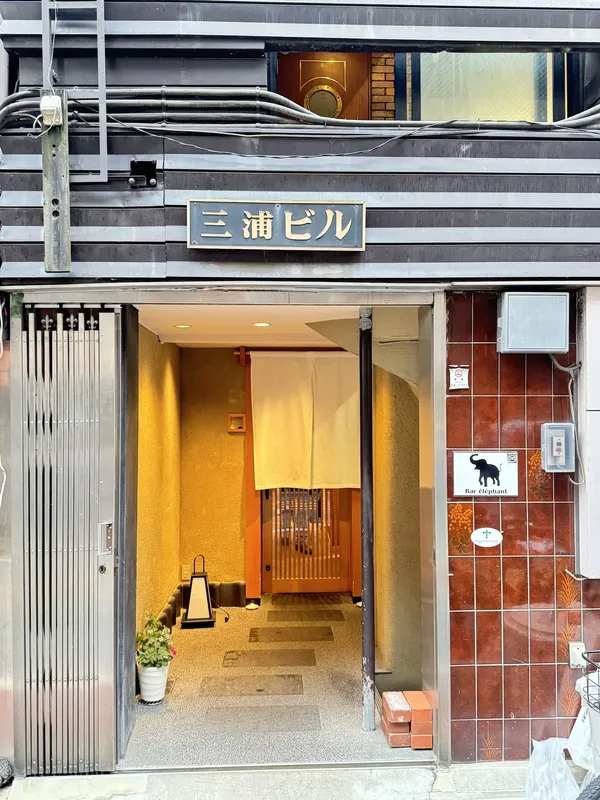
"Chef Shintaro Suzuki's two-Michelin-star Nishiazabu counter serves a market-led Edomae omakase, each nigiri brushed and seasoned to its fish."
About Nishiazabu Sushi Shin
Nishiazabu Sushi Shin is the two-Michelin-star Edomae counter chef Shintaro Suzuki runs in the Nishiazabu pocket of Tokyo's Minato ward. Suzuki inspects every catch at the market by hand each morning, rejecting anything below his standard, and the restaurant has held its place in the Michelin Guide for several consecutive years for sushi that keeps to traditional Edomae technique while adding a modern touch.
This is top-tier sushi in the intimate omakase format. For more of the city's best counters, compare the legendary Edomae sushi at Sukiyabashi Jiro, the precise nigiri at Sushi Arai and the seasonal omakase at Sushi Iwa. For a marker night, see our anniversary dining guide.
The Kitchen
The cooking is Edomae sushi at the highest level, built on detail. Suzuki picks the day's fish at the market by hand, and at the counter the balance of sweetness and savouriness in the rice is adjusted for each piece, while different brushes apply soy sauce to different nigiri depending on the fish. The sea urchin shows the approach: a pairing of Hokkaido bafun uni and Aomori purple uni, each chosen for its character. The omakase moves through the season's best at a measured pace, the chef and his assistant working an intimate counter. Lunch starts from around 9,000 yen, with a premium dinner omakase and an optional private room. This is a meal to take slowly, letting the counter set the rhythm piece by piece.
The Room
The restaurant is small and quiet, the kind of intimate Edomae room Tokyo does best - a hinoki counter, a handful of seats and the chef working directly in front of you. The focus is entirely on the sushi and the exchange across the counter, with little to distract from it, and a private room is available for those who want it, with a surcharge at lunch and dinner. Service is precise and unhurried. It sits at 4-18-20 Nishiazabu in Minato, a discreet address away from the louder Roppongi crowds. Because the counter seats so few and holds two stars, tables go well in advance, so booking early - and arriving on time for the set seating - is essential.
Best for a Special Occasion
The two stars, the intimate counter and the market-led omakase make Nishiazabu Sushi Shin a landmark anniversary or proposal dinner, and a confident table to impress visiting clients in Tokyo.
Not for
Not for a casual or quick meal, or a large group - this is a small, top-priced two-star omakase counter booked well ahead for a planned special occasion.
Frequently Asked
What is Nishiazabu Sushi Shin known for?
Nishiazabu Sushi Shin is known as chef Shintaro Suzuki's two-Michelin-star Edomae sushi counter in Minato, Tokyo. Suzuki picks the catch by hand each morning, the rice is seasoned to each fish, and the sea urchin pairs Hokkaido bafun uni with Aomori purple uni.
Who is the chef at Nishiazabu Sushi Shin?
Shintaro Suzuki is the chef. He personally inspects every catch at the market each morning, rejecting any that fall short, and crafts an intimate omakase at the counter with his assistant, honouring traditional Edomae technique with a modern touch.
How much does Nishiazabu Sushi Shin cost?
A lunch omakase starts from around 9,000 yen, with a premium dinner omakase at the top of the range. Private-room seating carries a surcharge - about 5,000 yen at lunch and 8,000 yen at dinner - on top of the course price.
Where is Nishiazabu Sushi Shin?
Nishiazabu Sushi Shin is at 4-18-20 Nishiazabu in Minato-ku, Tokyo, a discreet address away from the busier Roppongi streets. It is a small counter restaurant focused entirely on its omakase.
Do you need a reservation at Nishiazabu Sushi Shin?
Yes. The counter seats only a handful of guests and holds two Michelin stars, so tables go well in advance. Booking early and arriving on time for the set seating is essential, and a private room can be requested for a surcharge.
Reserve a Table →
Reserve a Table
Reserve at Nishiazabu Sushi Shin
Booking early is essential; Nishiazabu Sushi Shin is a small two-star counter at 4-18-20 Nishiazabu in Minato - arrive on time for the set seating.
Affiliate disclosure: Restaurants for Kings may earn a commission when you book through our reservation links, at no cost to you. Our scores are editorial and never paid for.
Practical Information
Address4-18-20 Nishiazabu, Minato-ku, Tokyo 106-0031, Japan
NeighbourhoodNishiazabu, Minato
CuisineSushi
PriceLunch omakase from ~9,000 yen; dinner premium
Dress CodeSmart
SeatingHinoki counter and a private room
ReservationEssential