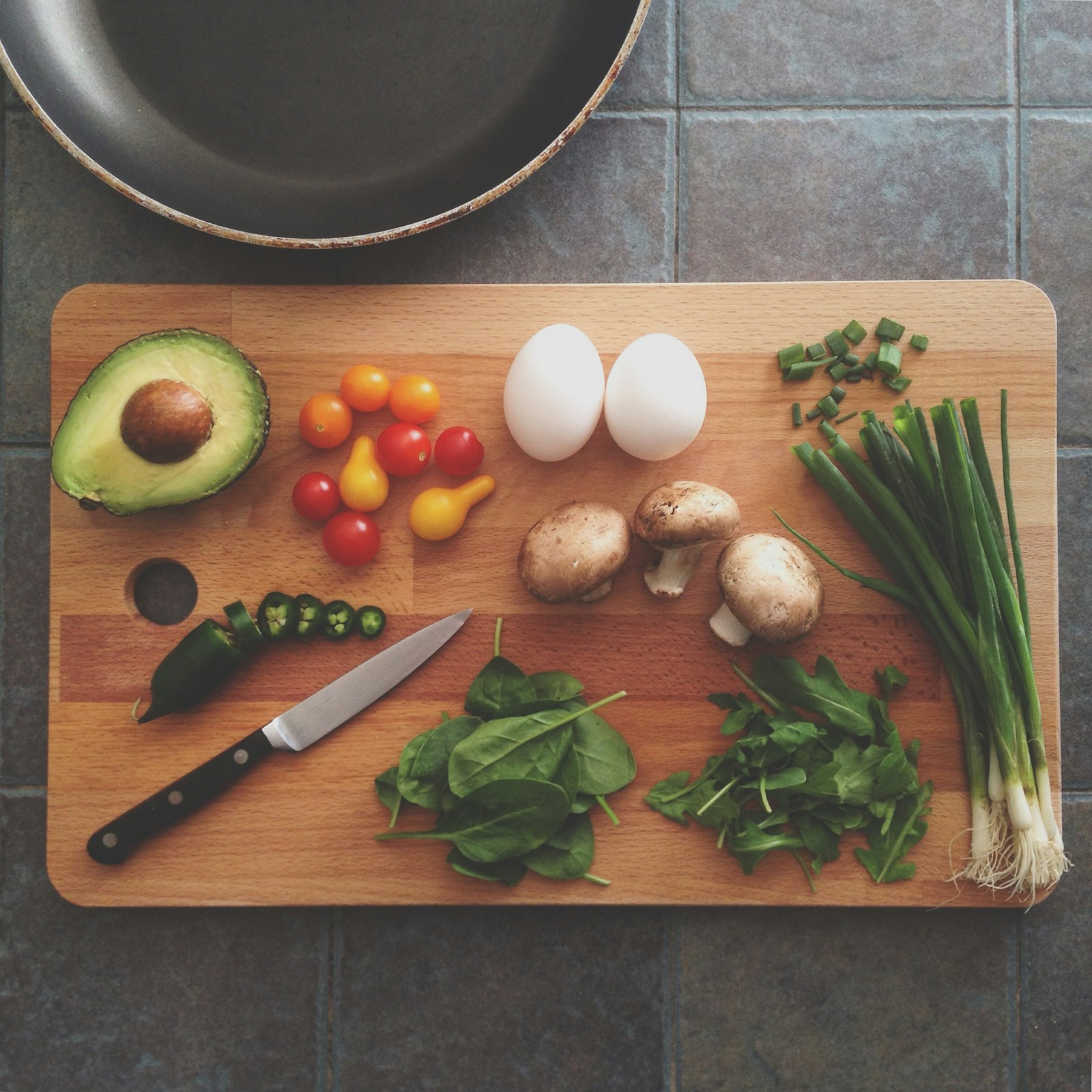
"Bib Gourmand, garden-driven, rooted in Saint-Gilles with zero apology. The solo diner's preferred counter. Exceptional quality at prices that make Michelin look overpriced."
Saint-Gilles' Organic Anchor
Tero occupies the former workshop of Belgian Symbolist artist Fernand Khnopff on Rue Saint Bernard — a biographical detail that tells you something about Saint-Gilles, the neighbourhood that sheltered Khnopff's aesthetic obsessions and has since become Brussels' creative heart. The room retains the proportions and atmosphere of a serious working space: high ceilings, natural light, a counter from which the kitchen is entirely visible. The Michelin Bib Gourmand designation confirms what the neighbourhood already knew: this is exceptional cooking at prices that are genuinely honest.
The kitchen is governed by a direct relationship with the Rabanisse farm — a working farm outside Brussels that supplies Tero with vegetables, pork, and herbs according to what the soil produces rather than what the menu requires. This is the inversion of how most restaurants work, and it shows: the cooking at Tero has the specific authority of a kitchen that knows exactly where its ingredients come from and what they are capable of. The menu changes with the season, but more precisely, it changes with the harvest — a weekly adjustment based on what arrived from the farm that morning.
The wine list is a careful document of natural and organic producers, mostly Belgian, French, and Italian, chosen at price points that reflect the restaurant's honest relationship with its customers. A serious bottle can be found here for considerably less than it would cost at a starred address across the city.
Best Occasion: Solo Dining
The counter at Tero is one of Brussels' best solo dining arguments. The kitchen view from the counter provides the meditative quality that solo dining at its best delivers — you are watching professionals work with absolute concentration, and the pace of the meal matches the deliberation of the cooking rather than the impatience of a busy room. The cooking rewards the kind of attention that a solo diner brings; the serving team treats a single guest as a complete table, not an inconvenience.
For a first date, Tero operates at the register of considered informality — the kind of restaurant that communicates taste without requiring expense, where the conversation can focus on the food because the food is genuinely interesting. The neighbourhood itself is part of the offer: Saint-Gilles on a weekday evening has a quality that central Brussels' tourist-facing streets cannot match. For a team dinner, the sharing menu format and the farm-to-table warmth make it a genuinely bonding address, particularly for teams that include members with dietary preferences — the kitchen's vegetable focus means that restrictive diets are handled with the same seriousness as the omnivore preparations.
What to Order
Ask what came from Rabanisse this week. The answer will determine the meal. In spring, asparagus from the farm's sandy soil sets the agenda; in summer, heritage tomato preparations that make the word "salad" inadequate; in autumn, root vegetables cooked in ways that extract a sweetness and depth that conventional preparation misses entirely. The pork, when it appears, is the farm's own — raised on what the farm produces, slaughtered at the correct weight, and handled with the craft that whole-animal cooking requires.
The counter seats are genuinely superior to table seats here — the kitchen choreography from that vantage point is part of the experience, not incidental to it. Book at least a week ahead for weekend counter seats. For a related experience in the same register of honest excellence, Racines in Ixelles applies the same philosophy to Italian cooking; Barge near the canal brings Michelin precision to sustainable sourcing at a slightly higher price point. For vegetable cooking at a starred level, humus x hortense is in the same Ixelles neighbourhood.