Graz sits ninety minutes south of Vienna and draws a fraction of the visitors, which is the first thing in its favour. This is the capital of Styria, the farmland province Austrians call the country’s green larder, and the city has spent two decades branding itself the Genusshauptstadt — the capital of culinary delight. The case for that title is not made by stars Graz does not have. It is made by pumpkin-seed oil pressed forty minutes away, by Schilcher wine from the West Styrian hills, and by a handful of rooms that cook the region honestly rather than dressing it up for tourists.
How Graz Eats
Start with the rating system, because it is not the one most travellers expect. Austria has no national Michelin guide, so the benchmarks in Graz are the Gault&Millau Hauben (toques, awarded in points) and the Falstaff Gabeln (forks). A two-Hauben room like Der Steirer or a 14-point toque like Eckstein is the local equivalent of a star, and reading menus through that lens saves you from chasing credentials that do not exist here.
The regional pantry is non-negotiable. Steirisches Kürbiskernöl (Styrian pumpkin-seed oil, a PGI-protected product) goes on salads, on vanilla ice cream, into mayonnaise for the fried chicken. Käferbohnen (scarlet runner beans) turn up in salads dressed with it, Vulcano ham comes from a single estate in the south of the province, and the house pour is Schilcher, the sharp rosé made from the Blauer Wildbacher grape that grows almost nowhere else.
Practical rhythm: Austrians dine earlier than the Mediterranean. Lunch (Mittagessen) is still the serious meal for many, dinner service opens around 18:30, and most kitchens stop by 21:30. Many rooms keep a Ruhetag (a fixed weekly closing day), usually Sunday or Monday, so check before you walk over. Tipping is by rounding up or adding five to ten percent, handed to the server in cash with the total stated aloud rather than left on the table. Booking is relaxed by capital-city standards: a few days’ notice covers most tables, a week secures the Hauben rooms, and the markets at Kaiser-Josef-Platz and Lendplatz run mornings if you want to see where the kitchens shop.
Best Neighbourhoods for Dinner
Altstadt (Innere Stadt). The UNESCO-listed old town around Hauptplatz and the Glockenspielplatz holds the two most historic tables in the city: Landhauskeller in its 1590 cellar on Schmiedgasse, and the Mehlplatz institution Eckstein with the centre’s best beer garden.
Schlossberg. The wooded clock-tower hill above the centre is reached by funicular or the lift cut into the rock. At the top, Aiola Upstairs serves modern Styrian–Mediterranean plates from the terrace with the widest view in Graz.
Lend. The west bank of the Mur is the design quarter, anchored by the Kunsthaus and the Saturday Lendplatz market. Der Steirer on Belgiergasse is the room that defined the district’s modern-Styrian wave.
Geidorf. The leafy university quarter north of the ring is where students and academics eat. Parks Graz on Zinzendorfgasse is the daytime bio café that anchors the morning crowd two blocks from the University of Graz.
The Graz Top 5
-
1
Aiola Upstairs · Schlossberg · Modern Styrian / Mediterranean · €€€
The rooftop with the best terrace view in the city, and a kitchen that earns the climb rather than coasting on the panorama. Book the sunset slot. -
2
Der Steirer · Lend · Modern Styrian / Bistro · €€ · 2 Gault&Millau Hauben
The Belgiergasse bistro that wrote the city’s modern-Styrian playbook: pumpkin-seed oil, Alm-ox beef, and a Schilcher-heavy list served without ceremony. -
3
Landhauskeller · Altstadt · Austrian / Styrian Classic · €€€
Dinner inside a 1590 vaulted cellar beneath the provincial parliament. Order the Backhendl and let four Renaissance stone rooms do the rest. -
4
Eckstein · Altstadt (Mehlplatz) · Austrian / Styrian · mains €16–€28
Relaunched in 2021 by Daniel Marg and Gernot Büttner-Vorraber, it keeps its 14-point toque, its cold-smoked char, and the centre’s best beer garden. -
5
Parks Graz · Geidorf · Bio Café / Vegetarian · €12–€18
The Geidorf room Graz works from rather than celebrates from: Falstaff 89, a porridge bowl at €12, and a cheesecake worth crossing the river for.
The Graz List
Five editorial picks, ranked by the only filter that matters: why you are dining.
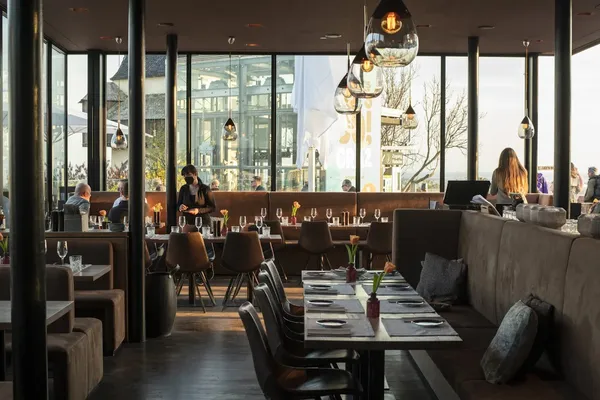
Aiola Upstairs
The rooftop restaurant on the Schlossberg, looking down across Graz's red-tiled roofs to the Kunsthaus and the Mur valley — the definitive view in the city.
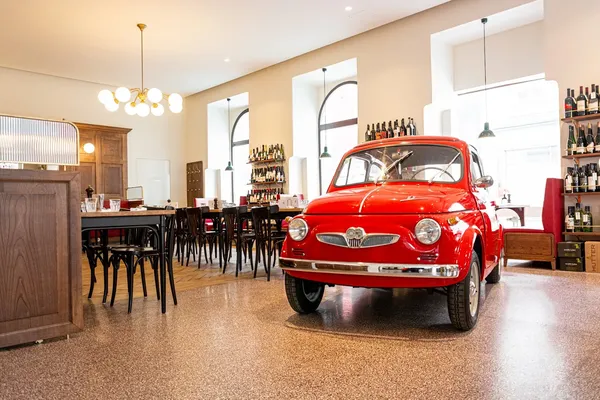
Der Steirer
The modern Styrian bistro on Belgiergasse that defined the city's new wave — pumpkin-seed oil, Alm-ox beef, and a Schilcher-heavy wine list served without ceremony.
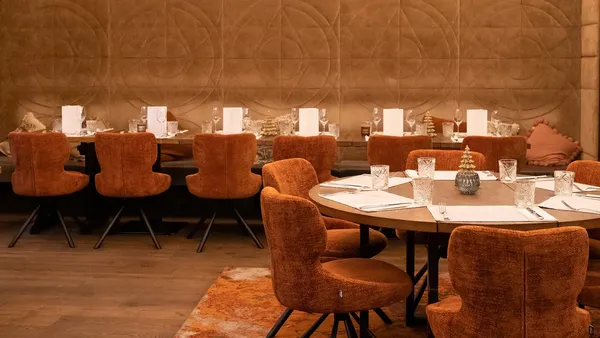
Landhauskeller
The 1590 wine cellar under the Landhaus — Graz's most historic dining room, still serving classical Styrian cooking under the vaulted Renaissance arches.
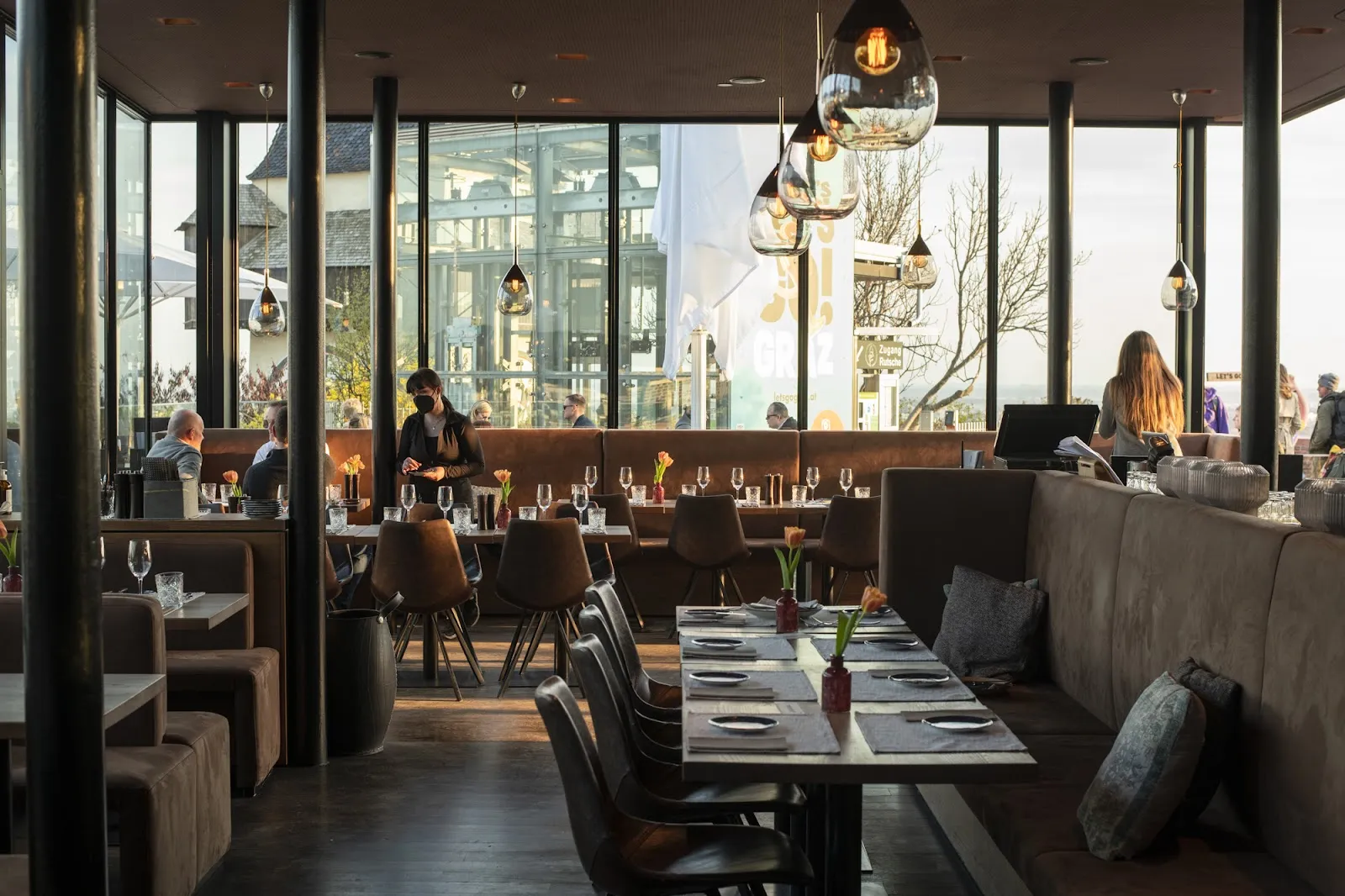
Parks
The park pavilion restaurant in the Stadtpark — bright, modern, garden-facing, and the Graz lunch of the design community.