About Osaka
Osaka arrived in Santiago at a moment when the city's dining scene was still finding its confidence, and it helped provide the template for what upscale cosmopolitan dining in Chile could look like. The restaurant brought the Nikkei tradition to the city with genuine authority: Peruvian-Japanese fusion cuisine that had already established itself in Lima, executed here with access to Chile's extraordinary coastal seafood and the sensibility of a mature international culinary brand. Two decades later, Osaka remains one of the most respected dining addresses in Santiago, and its position on the Latin America's 50 Best list is not a matter of history, it reflects the quality of the kitchen today.
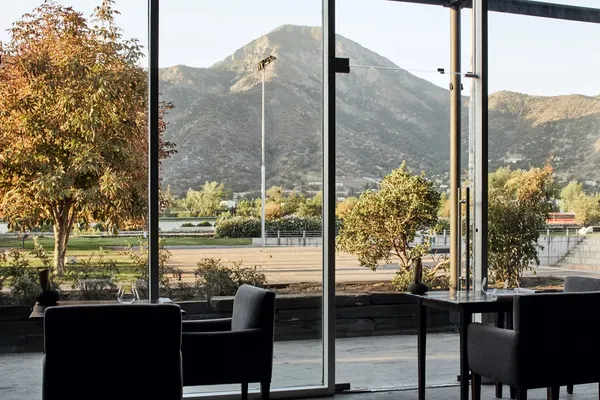
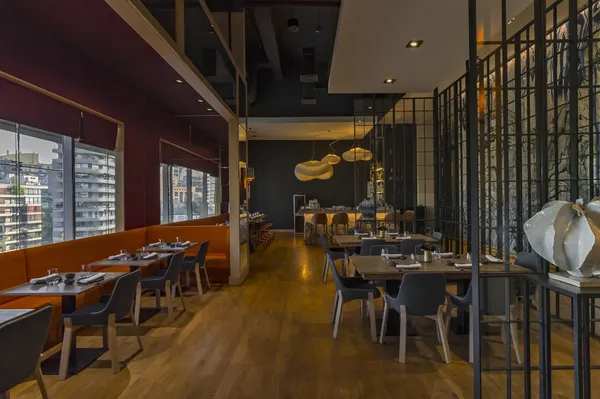
The move to its current Nueva Costanera address in Vitacura sharpened the experience. The restaurant now occupies multiple floors with bar areas on both levels, multiple dining spaces that feel distinct from one another, and, crucially, a series of garden terraces with tropical plantings and fountains that make the outdoor tables among the most pleasant in the city. On warm Santiago evenings, with the Andes visible on the horizon, eating on the Osaka terrace is one of the city's more civilized pleasures.
Chef Ciro Watanabe's menu is anchored in the classical Nikkei canon, tiraditos, ceviches, nigiri, stone-grilled preparations, but executed with the precise attention to Chilean ingredient quality that distinguishes this outpost from more generic iterations of the concept elsewhere. The corvina, the centolla, the Chilean sea bass: all treated with the Japanese precision that sharpens good seafood into extraordinary seafood. The braised beef tongue ceviche with cured egg yolk has achieved something close to legendary status among Santiago's regular diners. The signature presentations of sushi feature premium cuts available locally and sourced with consistent care.
The bar programme at Osaka merits attention. The cocktail list incorporates pisco, Japanese spirits, and Peruvian fruit in combinations that feel genuinely inventive rather than gimmicky. The wine list covers the full range from Chilean boutique producers through international selections, with particular strength in the natural and biodynamic offerings that have become the preference of Santiago's most sophisticated wine drinkers. Lunch service, which runs Tuesday through Saturday, is among the city's better options for a polished midday meal.
When your client has eaten at the name-brand Nikkei restaurants in Tokyo or New York, Osaka in Santiago still surprises them. The garden terrace setting is genuinely beautiful; the food is technically impeccable; the service is practiced without being stiff. It communicates a specific kind of taste, global sensibility, local intelligence, zero ostentation, that plays well across cultures and industries. This is the restaurant for the deal where you need to demonstrate that Santiago is not a provincial capital.
Signature Dishes
The tiradito selection, changing with the coastal catch but always anchored by Chilean sea bass, corvina, and whatever the market delivers that morning, is where the kitchen's synthesis of two traditions achieves its most refined expression. The beef tongue ceviche has become the restaurant's de facto signature: slow-braised collagen-rich tongue against the sharp acidity of traditional ceviche leche de tigre, finished with cured egg yolk. It is the dish that guests return specifically to order. The stone-grilled fish preparations demonstrate a different side of the kitchen, earthier, more concentrated, Japanese in technique, Peruvian in seasoning.