#1 in Cape TownFrench / Asian FusionConstantia$$$$Silvermist Estate, Constantia Nek
Africa's finest restaurant, perched above Constantia's vineyards. The tuna la colombe tin is a pilgrimage dish. No table in Cape Town carries more weight.
10Food
9Ambience
7Value
About the Restaurant
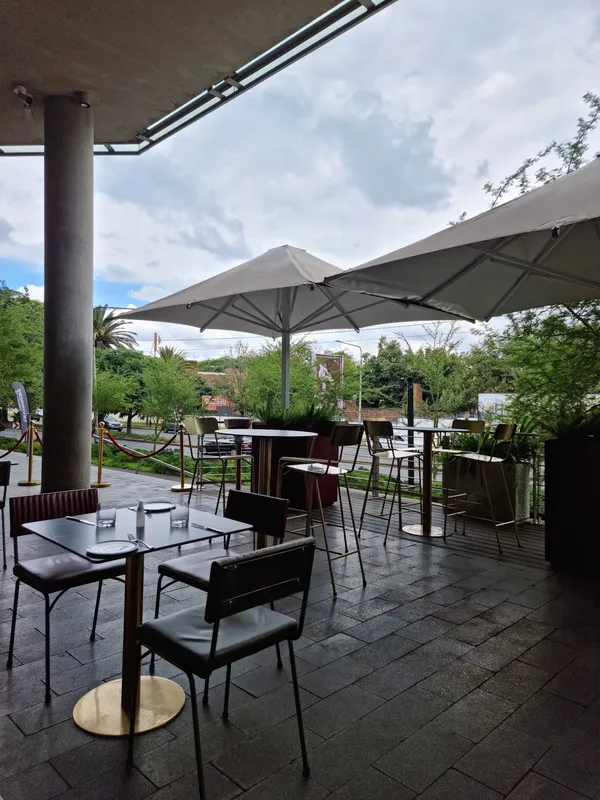
To eat at La Colombe is to understand why Cape Town has become Africa's uncontested culinary capital. Perched high on the Silvermist organic wine estate above Constantia Nek, with the Constantia Valley spreading below and False Bay glittering in the distance, the restaurant occupies a setting that already does extraordinary work before a single dish arrives. The view alone justifies the reservation. The cooking makes the view feel like an understatement.
Executive chef Scot Kirton has been refining his signature fusion of French classicism and Asian technique for more than a decade, and the result is a tasting menu of rare coherence and genuine ambition. The iconic "Tuna La Colombe". A tinned yellowfin tuna preparation that arrives at the table resembling a sardine tin and unfolds into something of jewelled complexity. Has become one of the most discussed dishes in African dining. It is not a gimmick. The theatre of presentation serves a genuine purpose: to recalibrate expectations before the courses that follow, each of which demonstrates that South African ingredients. Cape linefish, Kalahari truffles, fynbos botanicals, Karoo lamb. Are as compelling as any larder in the world when handled with this level of skill.
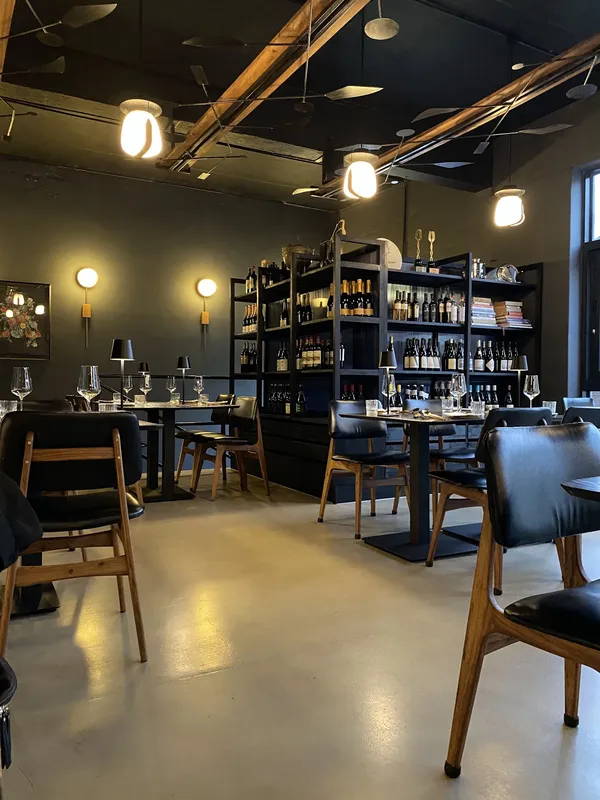
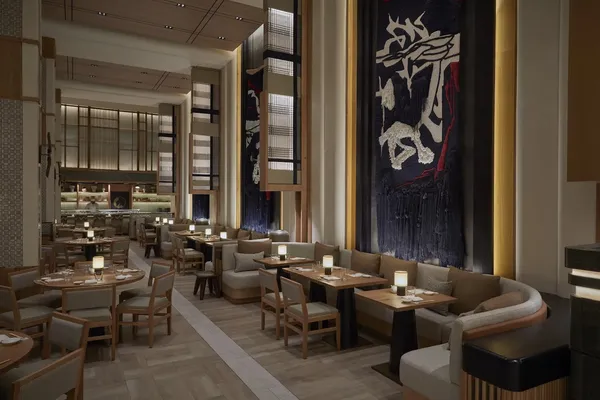
The dining room itself is intimate and unhurried. Perhaps thirty covers on a full service. With a warmth that belies the precision operating just behind the pass. The wine programme draws heavily from the surrounding Constantia estates, with a cellar that makes the case for South African viticulture as compellingly as any other in the country. The sommelier's pairings are neither forced nor automatic. They arrive with a lightness of touch that makes the food better without competing with it.
La Colombe consistently features on the lists that matter globally. The World's 50 Best, Africa's 50 Best, international critic rankings. But the restaurant feels entirely unconcerned with its reputation. The kitchen cooks for the room in front of it. That discipline is increasingly rare, and it is what separates genuine excellence from the performance of excellence that many highly ranked restaurants now substitute for the real thing.
Why It Works for a Proposal
The setting alone makes La Colombe the finest proposal table in Cape Town. The Constantia Valley at dusk, viewed from a hilltop estate above the city, creates a sense of remove from ordinary life that is exactly what a proposal moment requires. The tasting menu ensures that both parties are moving through a shared sequence of extraordinary experiences before the question arrives. Building a shared emotional state rather than the particular tension of a dinner during which one person knows what is about to happen and the other does not. The intimacy of the room, the attentiveness of the service team, and the genuine beauty of the setting make La Colombe the single best answer to the question of where to propose in Cape Town. Request window seating in advance and specify the occasion when booking. The kitchen and front of house will compose the evening around it.
Why It Works for Impressing Clients
La Colombe carries the particular authority of a restaurant that requires no introduction to anyone who takes food seriously internationally. For a client visiting Cape Town who has dined at the world's best tables, the suggestion of La Colombe signals precisely the right level of local knowledge and ambition. For a client less familiar with fine dining, it represents an education in what South African cooking can achieve. The shared tasting format dissolves the transactional quality of business dining and creates genuine shared experience. The tuna tin alone tends to generate twenty minutes of conversation. The drive to Constantia also creates a journey, a sense that dinner here is a deliberate act rather than a convenient choice, which itself communicates something valuable about your regard for the relationship.
Why It Works for a First Date
A first date at La Colombe is a statement of genuine intent. It is not the obvious move. Which is precisely what makes it the correct move for a first date with someone whose intelligence you respect. The tasting menu removes all the negotiation around ordering, creating immediate shared experience. The drive to Constantia together is an experience in itself. The intimacy of the room, the quality of the conversation prompted by the cooking, and the extraordinary view mean that the evening has momentum from arrival to departure. A first date here will be remembered. That is, ultimately, the only criterion that matters.