.jpg)
#2 in Kashan
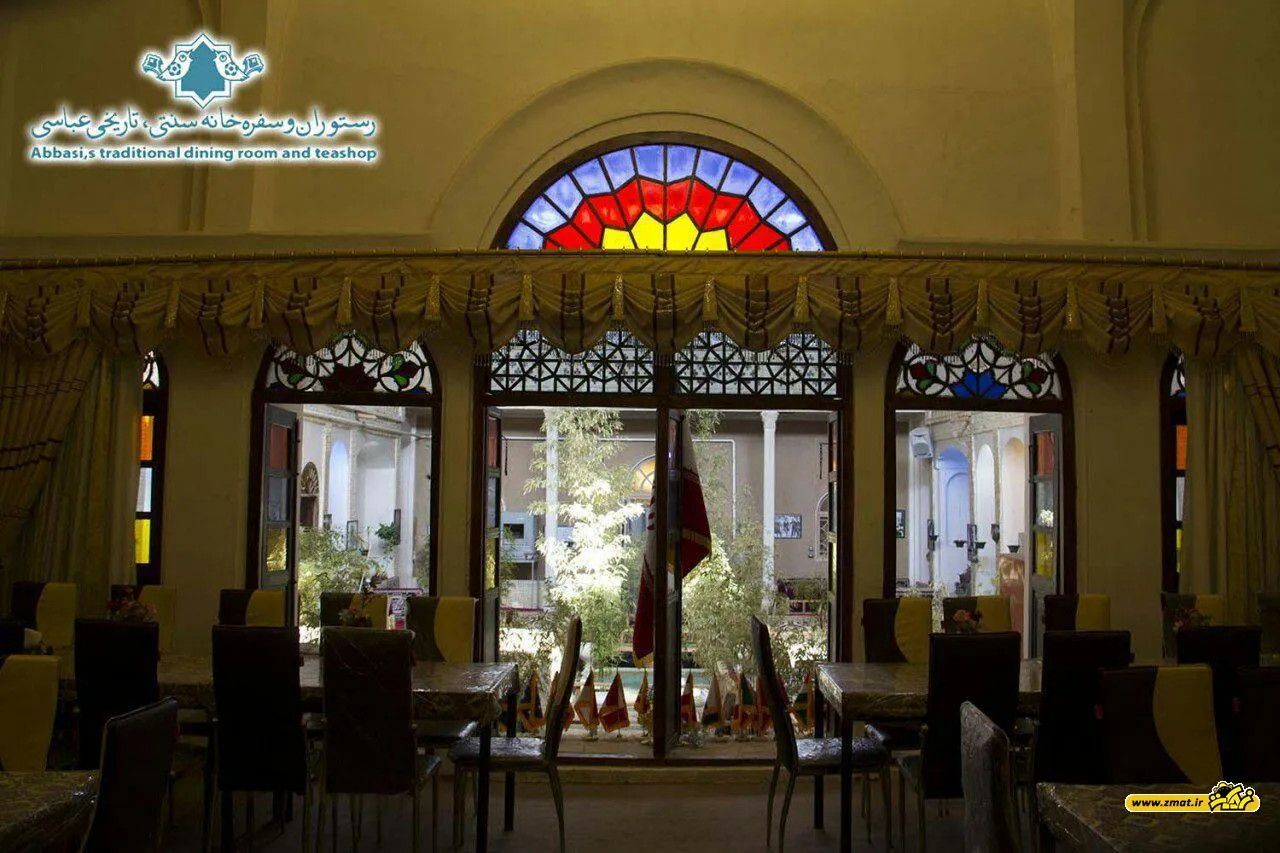
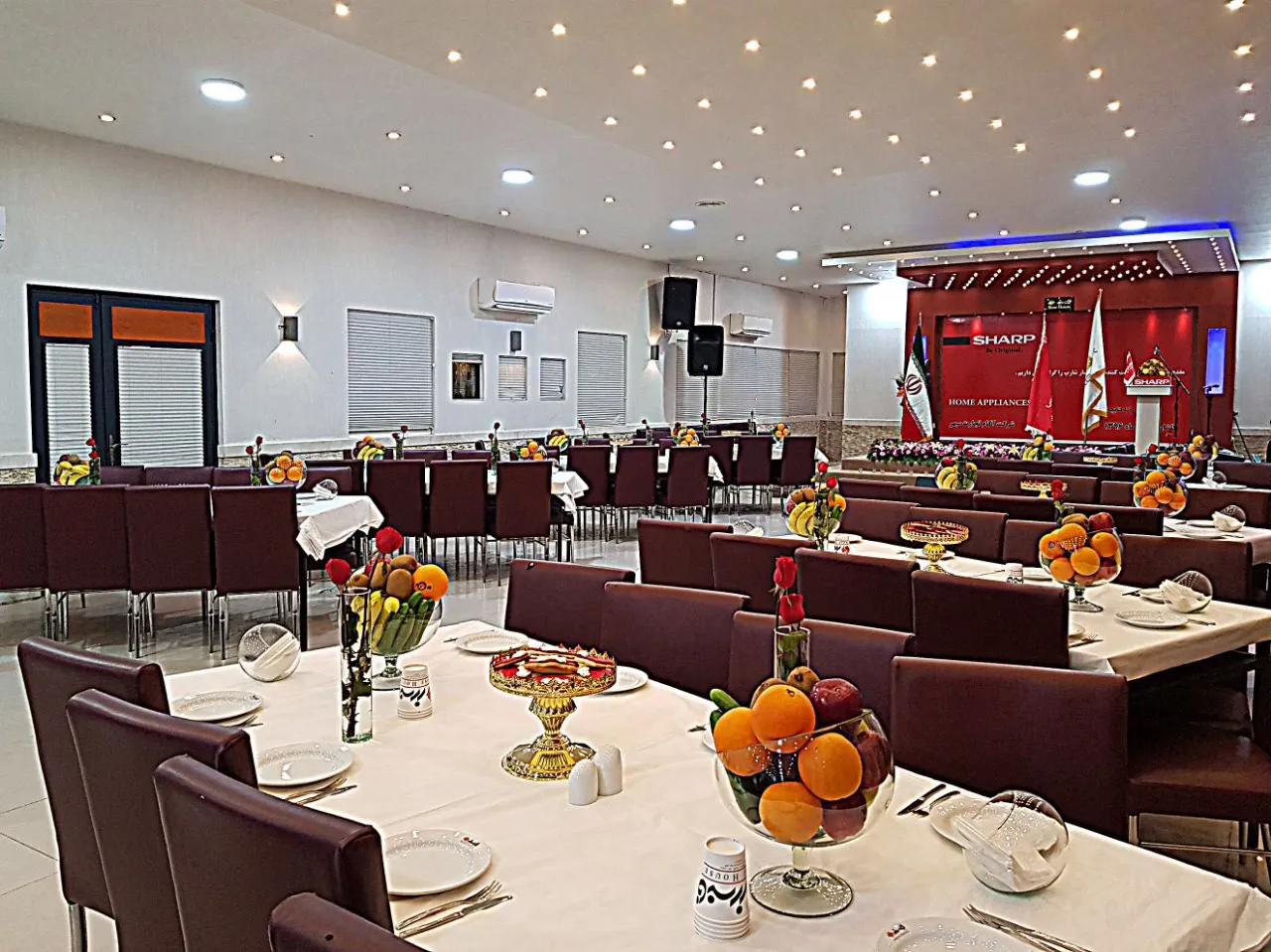
Abbasi Restaurant
First Date
The Abbasian House Persian restaurant, camel meat and dizi as the standout favourites, traditional Iranian cuisine in one of Kashan's top dining spots.
Food 8.9
Ambience 9.4
Value 9.0
Iran's oasis-and-rosewater capital, the historic Qajar-era merchant houses (Tabatabaei, Borujerdi, Abbasian), restaurants tucked into restored Persian houses with stunning dome ceilings and rosewater-infused regional dishes that exist nowhere else.
Every table ranked, verdicts written, occasions assigned. Use the occasion filter above to narrow by your dining purpose.
$ under $40 · $$ $40–$80 · $$$ $80–$150 · $$$$ $150+ per person
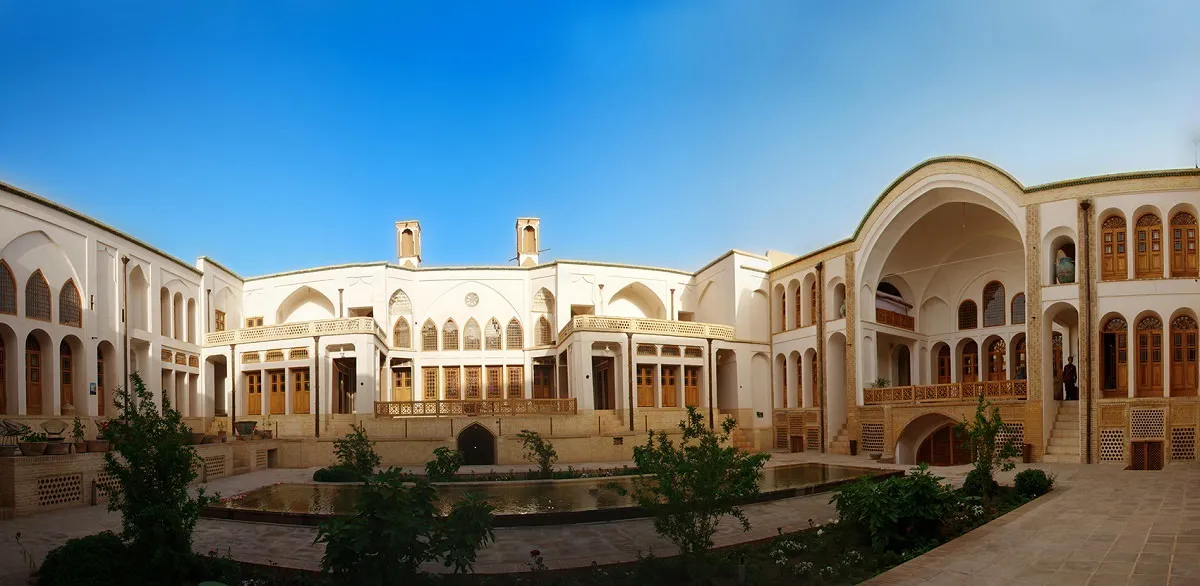

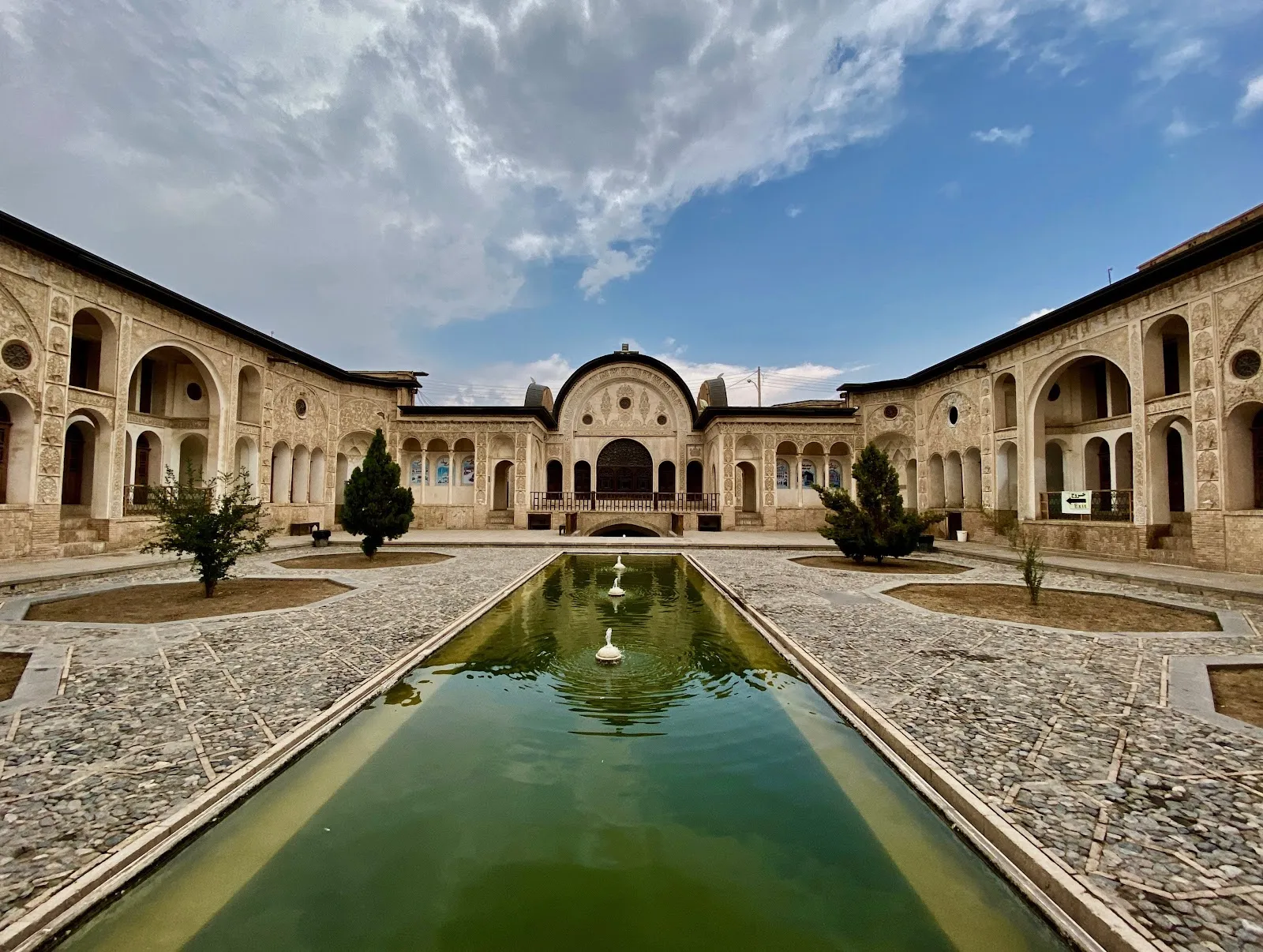
Kashan dines inside its 19th-century merchant houses. The Isfahan Province city, population 400,000, three hours south of Tehran, is the country's most-preserved example of a Qajar-era Persian merchant city, with the famous Historical Houses district (Borujerdi, Tabatabaei, Abbasian, Manouchehri) holding the elaborate domed-ceiling residences of late-19th-century cotton-and-silk traders. Several of these houses have been converted to restaurants since the 2010s, and dining inside their original architectural spaces is the city's defining culinary experience. The cuisine is Persian-Kashan: dishes infused with rosewater (the city is the country's largest rosewater-producer, with nearby Ghamsar village supplying the famous Persian sharbats), camel meat preparations, the regional Kashan Khoresht Nokhod Alleh (lamb-and-chickpea stew with rosewater and saffron), and traditional Persian classics in their most-architectural settings.
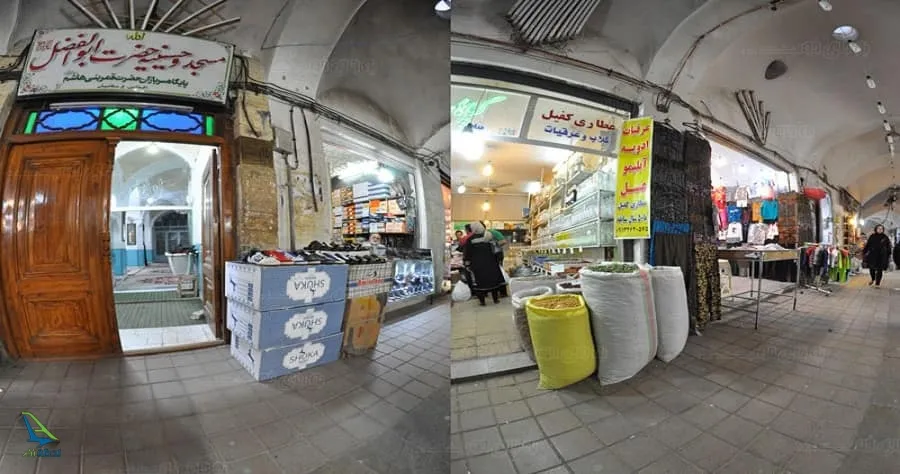
The dining map clusters around the Historical Houses district. Manouchehri House Restaurant operates inside the converted 19th-century courtyard residence with stunning dome-shaped ceilings and stained-glass wooden windows. Abbasi Restaurant in the Abbasian House next to Tabatabai House serves traditional Iranian cuisine including the Kashan-specific camel meat and dizi. The central Bazaar area holds the more contemporary Persian-cafe destinations and the modern Kashan dining scene.
Reservations matter at the historical-house restaurants, the dining capacity is small relative to the tourist demand during the Persian New Year (late March) and the autumn rosewater-festival season (May). English menus are universal at the Historical Houses restaurants. The proper post-dinner anchor is a walk through the Kashan Bazaar (the 19th-century covered market) or the Sultan Amir Ahmad Bathhouse (the famous restored Persian bath-house, lit until 9pm).
Pair the food with one of the famous Kashan-region rosewater sharbats, the cool drinks made with rose-water, sour-cherry, mint, or saffron syrups, sourced from the Ghamsar village distilleries. End the meal with the regional sweets: gaz (the Persian saffron-and-pistachio nougat), sohan (the saffron-and-pistachio brittle from nearby Qom), and Kashan-specific honey-and-walnut pastries.
Explore more: dining by occasion • all cities • dining guides
New — the nightly brief
Tonight in Kashan →RFK Newsletter
We email you when a table worth booking opens in Kashan, reviewed by our editors, never paid placements.