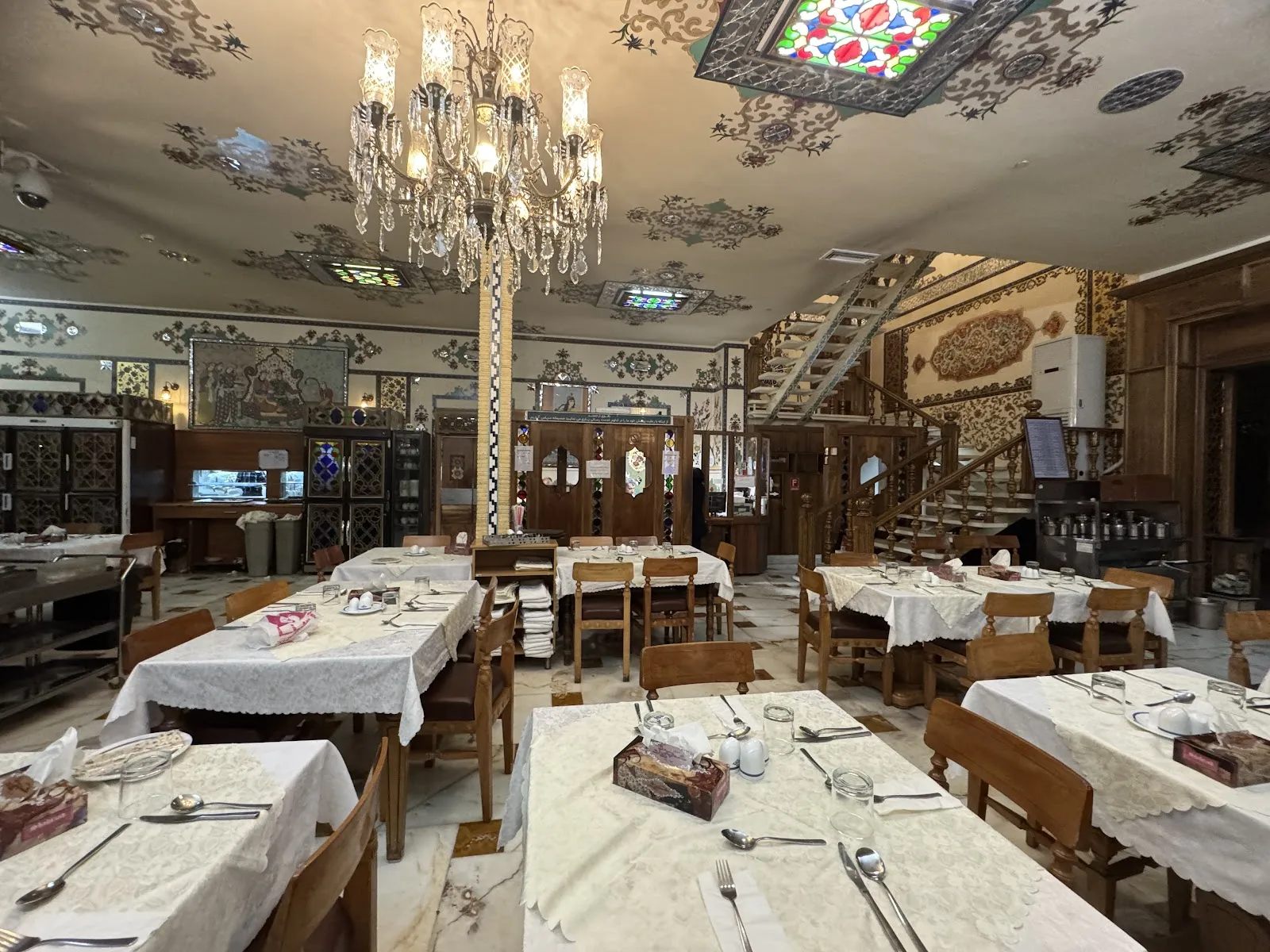
#2 in Isfahan
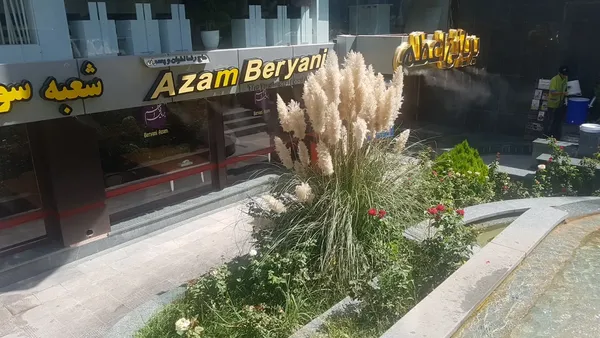
Beryani Azam
Solo Dining
The Zayanderud-river-side Beryani specialist, Isfahan's signature minced-mutton-on-bread dish at its most-cited reference, $8 a plate.
Food 9.2
Ambience 7.8
Value 9.7
Iran's UNESCO Naqsh-e Jahan Square city, Persian cuisine in its most architecturally-set form, Beryani Azam's Isfahan-only minced-mutton-on-bread, Shahrzad's 1960s mirror-and-stained-glass dining hall.
Every table ranked, verdicts written, occasions assigned. Use the occasion filter above to narrow by your dining purpose.
$ under $40 · $$ $40–$80 · $$$ $80–$150 · $$$$ $150+ per person
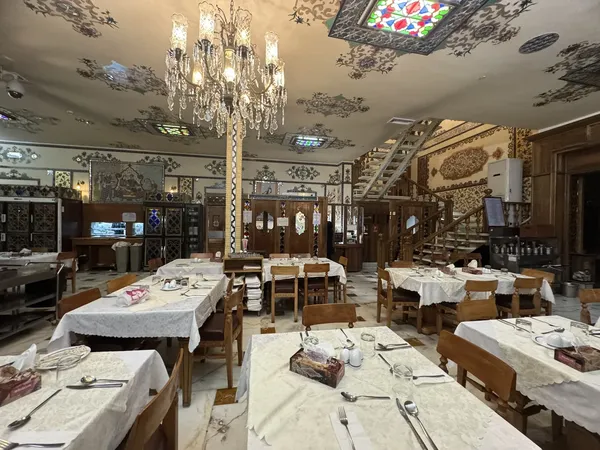
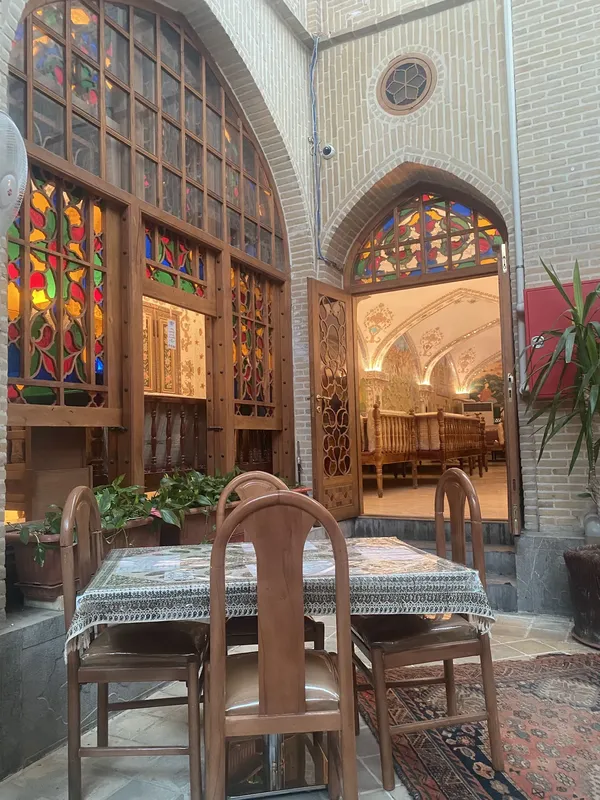
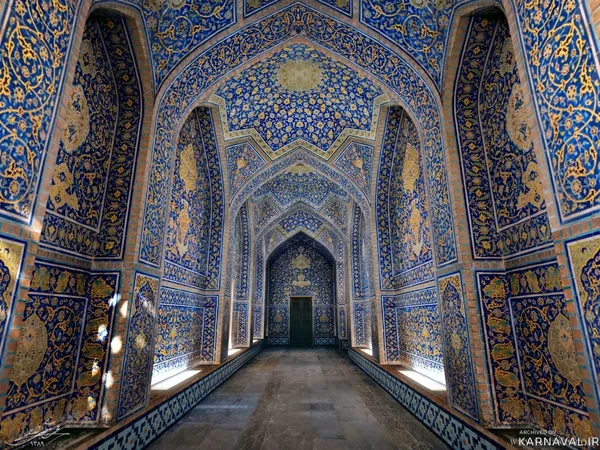
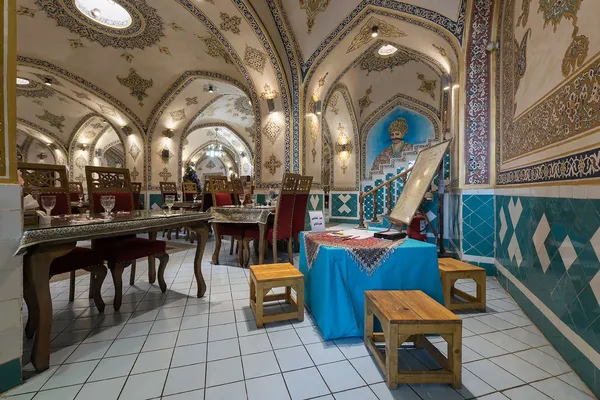

Isfahan dines around its UNESCO square. The Iran heritage city, population 1.5 million, three hundred kilometres south of Tehran, is built around Naqsh-e Jahan Square, a 17th-century Safavid-empire architectural set-piece (the world's second-largest plaza after Beijing's Tiananmen) that was inscribed on the UNESCO World Heritage List in 1979. The cuisine has the same monumental quality. Isfahan's signature dishes are formal Persian preparations served in formal Persian dining rooms: Beryani, the Isfahan-only minced-mutton-on-Sangak-bread topped with chopped almonds and barberries (not to be confused with Indian biryani; the Persian dish is unrelated despite the name); Khoresh-e Fesenjan (the slow-cooked walnut-and-pomegranate stew); chelo kabab (the rice-and-grilled-meat plate that's Iran's national dish); Ghormeh Sabzi (the herb-and-bean stew with lamb).
The dining map clusters in two zones. The Naqsh-e Jahan Square area, within a five-minute walk of the central plaza, holds the iconic restaurants: Shahrzad (since 1960s, mirror-and-stained-glass interior), Bastani (with domed ceilings and kashi tiles), Naqsh-e Jahan Restaurant (since 1998, traditional ambiance with hand-painted murals), Beryani Azam (the Isfahan-Beryani specialist near Zayanderud River), Jarchi Bashi (in a converted Safavid-era bath-house). The Jolfa Armenian Quarter south of the river holds the Christian-Armenian-influenced cafes and a few European-leaning restaurants. The Chaharbagh Boulevard axis between the two zones holds the modern Iranian fine-dining and the better hotel restaurants.
Reservations matter at the iconic Naqsh-e-Jahan-area restaurants on weekend evenings (the city's tourist-heavy season runs March-May for the Persian New Year and September-November for the autumn weather), and useful at the better fine-dining rooms year-round. English menus are universal at the tourist-tier rooms and present-but-functional at the smaller family kitchens. Tipping is around 10% at the higher-tier rooms; not expected at the casual kitchens.
Pair the food with one of the local Persian doogh drinks (the salted-yogurt-and-mint cooler that's the standard accompaniment to chelo kabab) or with a small flight of Persian rose-water-and-saffron sherbets at the dessert course. Most full meals end with a small plate of saffron-pistachio bastani ice cream or a portion of falodeh (the rose-water-and-vermicelli sorbet). Cap the day with a walk across the historic Khaju Bridge, the seventeenth-century Safavid bridge over the Zayanderud River, lit until midnight, with traditional Persian tea-houses running along the river embankment.
Explore more: dining by occasion • all cities • dining guides
New — the nightly brief
Tonight in Isfahan →RFK Newsletter
We email you when a table worth booking opens in Isfahan, reviewed by our editors, never paid placements.