
#2 in Tehran
Alborz Restaurant
Proposal
Tehran's decades-old symbol of quality and tradition, perfectly grilled kebabs and premium-quality rice, the city's reference fine-dining Persian dinner.
Food 9.5
Ambience 9.4
Value 8.9
Iran's nine-million-person capital, the country's deepest restaurant scene, from the Tajrish Bazaar's Shamshiri kebab grill to Alborz's chelo-kabab classicism, with traditional dizi houses tucked through every Bazaar district.
Every table ranked, verdicts written, occasions assigned. Use the occasion filter above to narrow by your dining purpose.
$ under $40 · $$ $40–$80 · $$$ $80–$150 · $$$$ $150+ per person

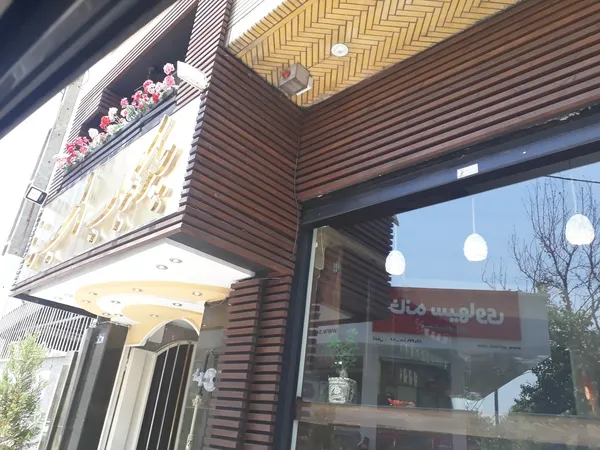
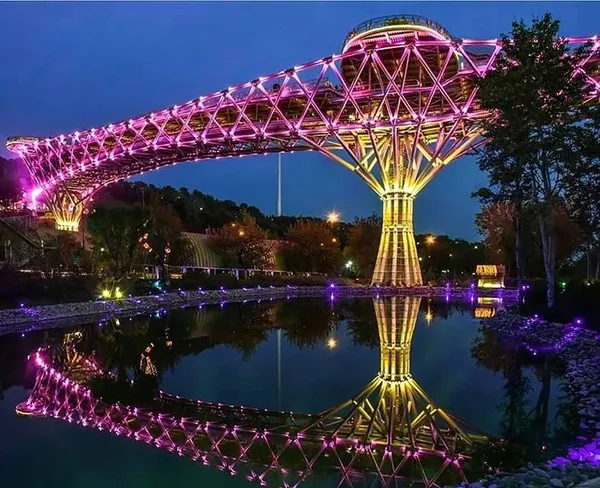
.jpg)


Tehran dines big. The Iranian capital, population 9.5 million in the city proper, 16 million in the metropolitan area, runs the country's deepest and most internally diverse restaurant scene, from the formal chelo-kabab houses of north Tehran's Tajrish-and-Niavaran districts to the small dizi-saraa traditional stew counters tucked through the Grand Bazaar's covered alleyways. The signature dishes are unambiguously Persian: chelo kabab (the rice-and-grilled-meat plate that's Iran's national dish, with kabab koobideh ground-meat or kabab barg fillet as the standard cuts), dizi (the slow-cooked lamb-and-chickpea stew served in single-portion clay pots and eaten communally), khoresh-e ghormeh sabzi (the herb-and-bean lamb stew that's Iran's most-loved home-cooking dish), tahdig (the crispy-rice-bottom that gives Persian rice its prized texture), and a wide variety of seasonal Khoresh stews.
The dining map clusters in three zones. North Tehran, the affluent Tajrish, Niavaran, and Darband districts, holds the formal chelo-kabab houses (Shamshiri Kebab in Tajrish is the city's most-cited single kebab address), the higher-end Persian fine-dining rooms, and the international cuisine scene (Italian, French, Japanese, Lebanese). Central Tehran around the Grand Bazaar holds the dizi-saraa traditional stew counters, the breakfast haleem houses, and the older family-run kitchens that have served the bazaar district for generations. The Imam Khomeini Square area to the south holds the more local working-district kitchens and the city's growing modern Iranian fusion scene.
Reservations matter at the better north-Tehran fine-dining rooms (a few days ahead) and during the Persian New Year (Nowruz, late March) when the city is at its busiest. English menus are universal at the tourist-tier rooms; the dizi-saraa counters typically have Persian-only menus but the format is intuitive (you order one or two pots and bread, wait twenty minutes, eat). Tipping is around 10% at the higher-tier rooms and not expected at the dizi counters.
Pair the food with a small glass of doogh (the salted yogurt-and-mint drink that's the standard accompaniment to chelo kabab) or with one of the Persian rose-water sherbets. The proper post-dinner anchor in north Tehran is a walk along the Darband mountain trail (a stream-side path with traditional tea-houses on bothsides, lit until midnight); in central Tehran it's a stop at one of the Grand Bazaar's traditional bastani (saffron-pistachio ice cream) parlours. Cap a Tehran day at the Toochal cable car, which runs to 3,500 metres altitude and offers the city's best panoramic view.
Explore more: dining by occasion • all cities • dining guides
New — the nightly brief
Tonight in Tehran →RFK Newsletter
We email you when a table worth booking opens in Tehran, reviewed by our editors, never paid placements.