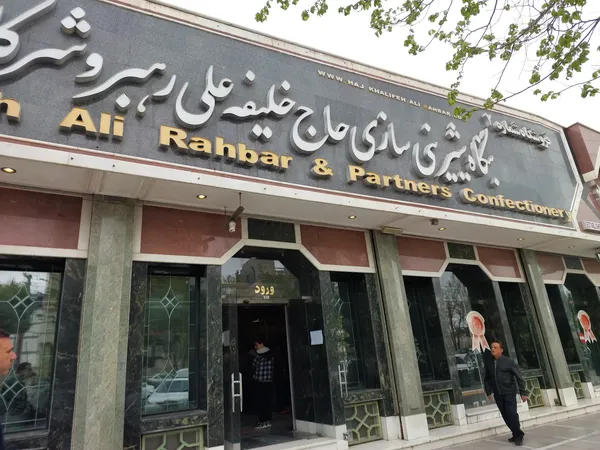
#5 in Yazd
Yazd Confectionery / Pastry · $
Solo Dining
The 1881 Yazd confectionery institution, saffron-rose-water-and-pistachio pastries, qottab almond cookies, the city's most-cited single sweet-shop, ₸$3 a pastry.
Food 9.2
Ambience 8.4
Value 9.7
Dining in Yazd
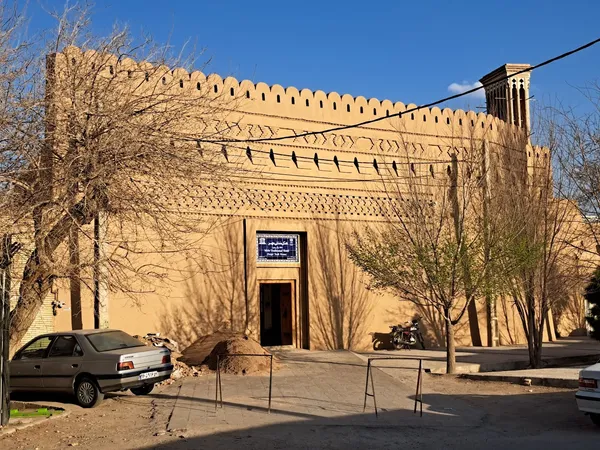
Yazd dines under the windcatchers. The Yazd Province city, population 530,000, six hundred kilometres south-east of Tehran in the central Iranian desert, was inscribed on the UNESCO World Heritage List in 2017 as the historic city of Yazd, with its mud-brick architecture, windcatcher cooling towers (badgir), underground qanat irrigation systems, and continuous habitation since the 5th century BC. The cuisine adapts to the desert: Yazdi-style desserts (the famous Yazd qottab almond pastries, the Yazd baklava saffron-and-rose-water version), light Persian rice dishes that don't overwhelm in the heat, and an unusually deep tradition of fresh-fruit and rose-water cold drinks. Marco Polo named Yazd 'the noble city of Yazd' on his 13th-century journey through Persia and the description still reads accurately.
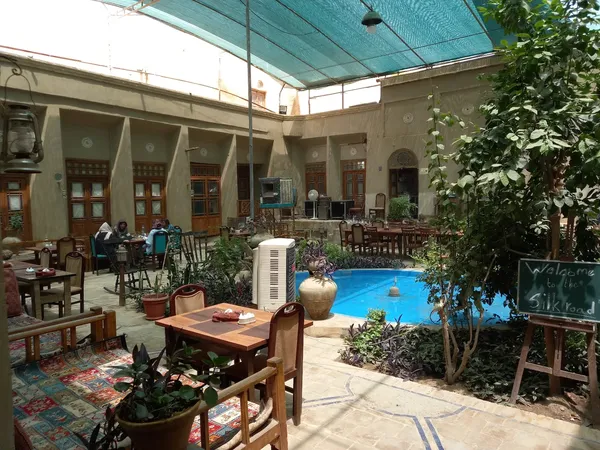
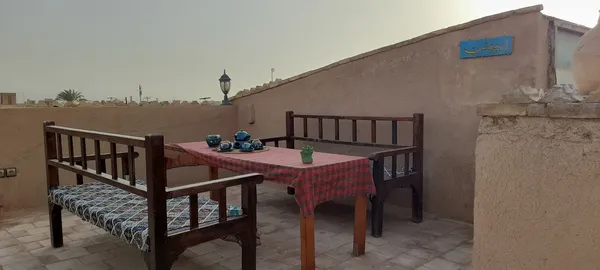
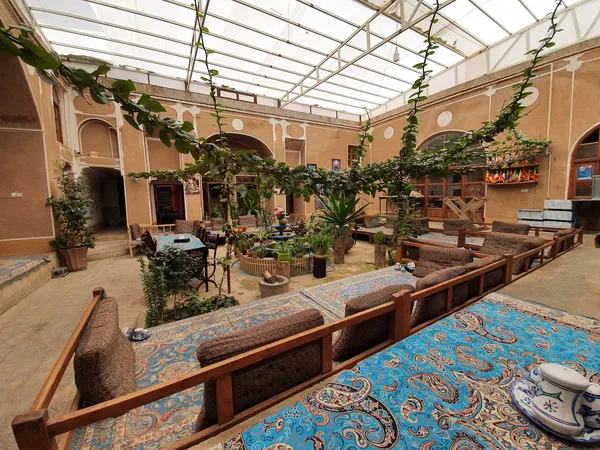
The dining map is small and walkable. The city's historic Fahadan neighbourhood, the dense network of mud-brick alleys around the Jameh Mosque, holds the converted-traditional-house restaurants in restored 19th-century merchant houses (Silk Road Hotel Restaurant in a 100-metre-from-the-Mosque setting; Termeh & Toranj nine years on the Fahadan map; Marco Polo Restaurant on the rooftop of the Sharq Traditional Hotel with windcatcher views). The Amir Chakhmaq Square area at the centre of the modern city holds the more contemporary cafes and the city's growing Modern-Iranian fine-dining scene. The outskirts hold the small Zoroastrian-community restaurants near the Towers of Silence (the Zoroastrian dakhmas).
Reservations matter at the better restored-house dining rooms (a few days ahead) during the heavy tourist seasons (March-May for Persian New Year and September-November for the autumn weather). English menus are universal at the tourist-tier rooms.
Pair the food with one of the local Yazd-distilled rose-water sherbets or with a small flight of the famous Yazd qottab pastries at the dessert course. Most full meals end with one of the regional Yazd-Province sweets: faloodeh (rose-water-and-vermicelli sorbet, particularly well-made in Yazd's desert climate), Bastani Sonnati (saffron-pistachio ice cream), or the Yazd-only halvaye-Ardeh (the sesame-tahini halva). The proper post-dinner anchor is a walk through the Fahadan alleys, the lit windcatchers and the thousand-year-old qanat aqueducts visible underfoot give the evening a genuinely time-travel atmosphere.
Explore more: dining by occasion • all cities • dining guides