_2.jpg)
#2 in Beppu
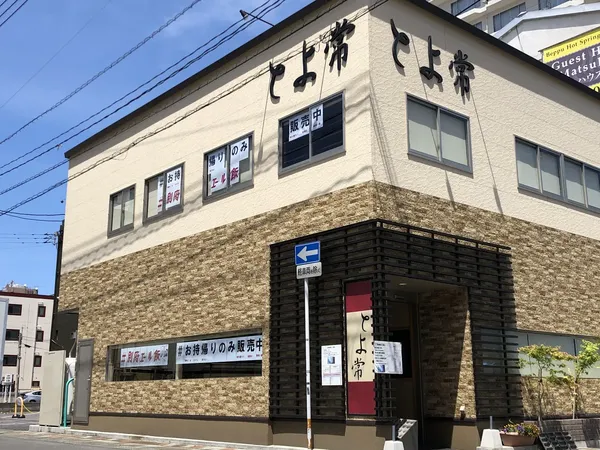
Toyotsune Honten
First Date
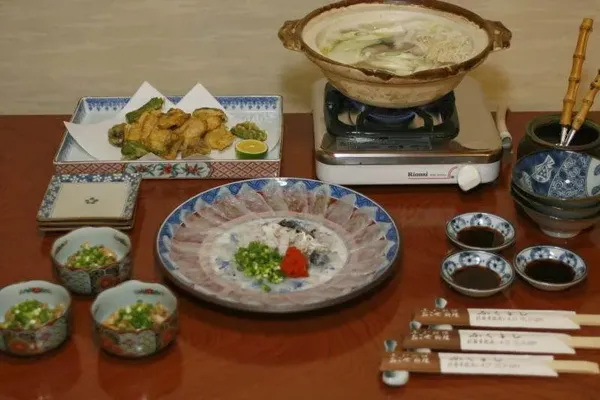
The 1956 Beppu institution that invented toriten chicken-tempura. Oita's signature dish, three minutes from the harbour, and the city's most-visited single restaurant.
Food 9.0
Ambience 8.4
Value 9.4
Kyushu's geothermal capital. Eight 'hells' steam round-the-clock through the city, jigoku-mushi cuisine cooks food directly in the volcanic vents, and Bungo wagyu and toriten anchor the dinner scene.
Every table ranked, verdicts written, occasions assigned. Use the occasion filter above to narrow by your dining purpose.
$ under $40 · $$ $40–$80 · $$$ $80–$150 · $$$$ $150+ per person
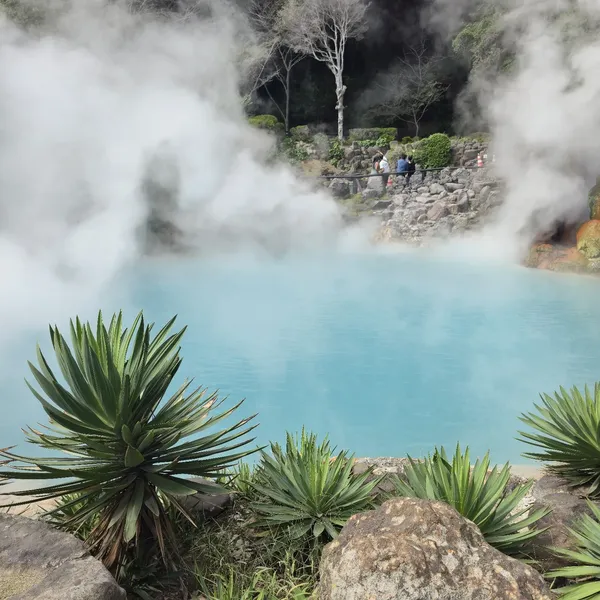
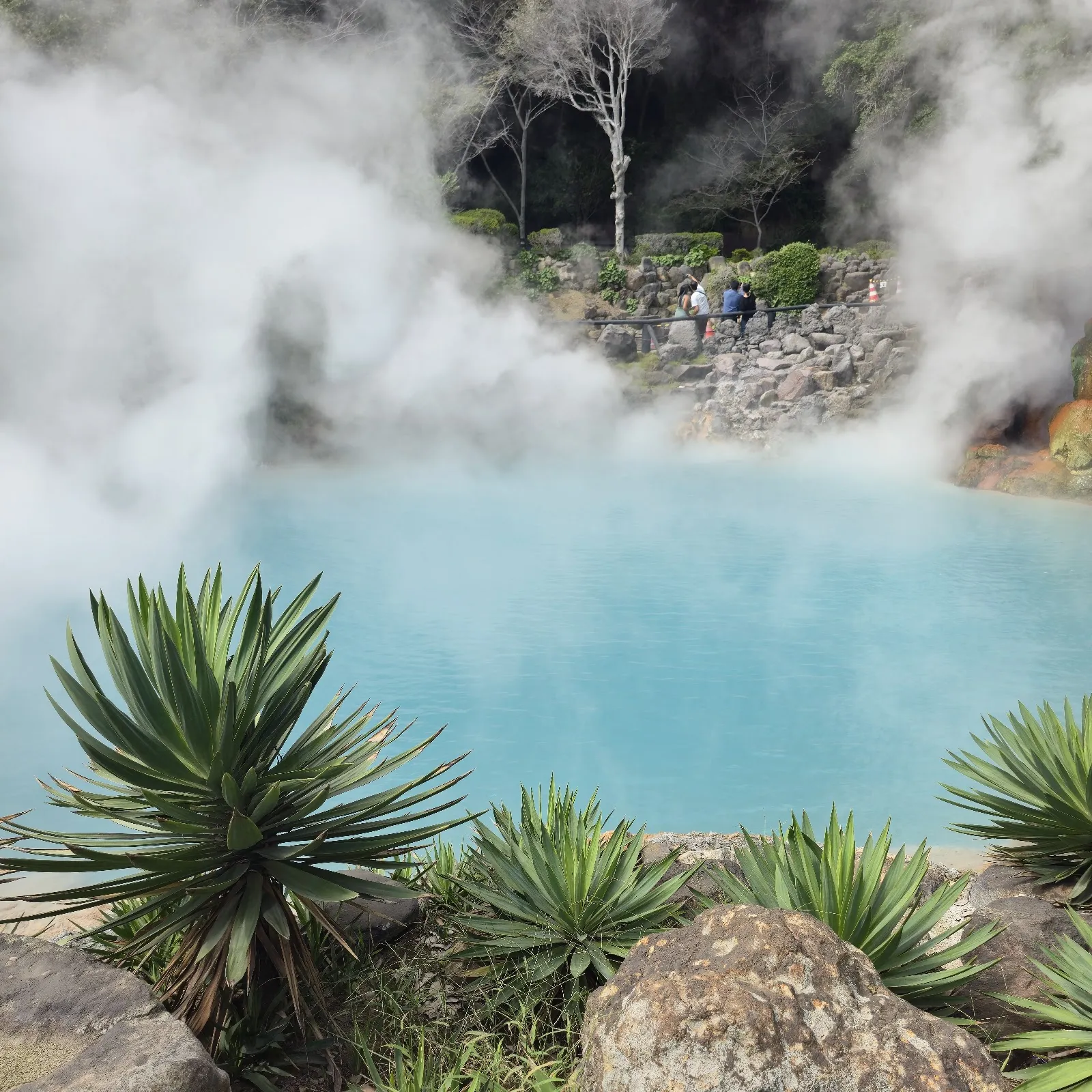

Beppu cooks with the volcano. The Oita-prefecture port. Population 115,000, half an hour east of Oita City and ninety minutes from Fukuoka. Sits on a geothermal field that produces more hot-spring water by volume than any other city in the world. The eight 'jigoku' (hells). Vivid colour-saturated thermal pools dotted across the Kannawa onsen district. Are the city's tourist set-piece, but they're also the basis of the city's distinctive cuisine: jigoku-mushi, the steam-cooking method where food is placed in bamboo baskets directly over volcanic vents and steamed in the natural ninety-degree geothermal vapour.
The dining map runs across two zones. The Kannawa onsen district to the north holds the jigoku-mushi cooking centres (the Jigoku-Mushi Kobo Kannawa is the most-visited; the Hyotan and Kamado onsens have smaller versions) and a handful of older ryotei that use thermal-steam in their kaiseki menus. The central downtown area near Beppu Station holds the formal dining rooms. The iconic Toyotsune (the founder of toriten chicken-tempura), several Bungo-gyu wagyu specialists, and the better seafood restaurants working with same-day Bungo Bay catch.
Reservations matter at the Bungo-gyu kaiseki rooms (a week ahead) and at the better fish restaurants on weekends. Jigoku-mushi cooking centres take walk-ins by definition (you cook your own ingredients in the steam baskets) and English signage is universal at all the tourist-facing addresses. Tipping is not done.
Pair the food with Oita's local sake. The prefecture's brewing tradition is smaller than Yamaguchi's or Hyogo's but the better restaurants pour Nishi-no-Seki, Saiki, or the locally famous Yatsushika. The proper Beppu dinner ends with a soak in one of the eight hells (most close at sunset, but the smaller Kannawa local-resident bathhouses run until 11pm). Eat, bathe, sleep in a ryokan, repeat.
Explore more: dining by occasion • all cities • dining guides
New — the nightly brief
Tonight in Beppu, Oita →RFK Newsletter
We email you when a table worth booking opens in Beppu, reviewed by our editors, never paid placements.