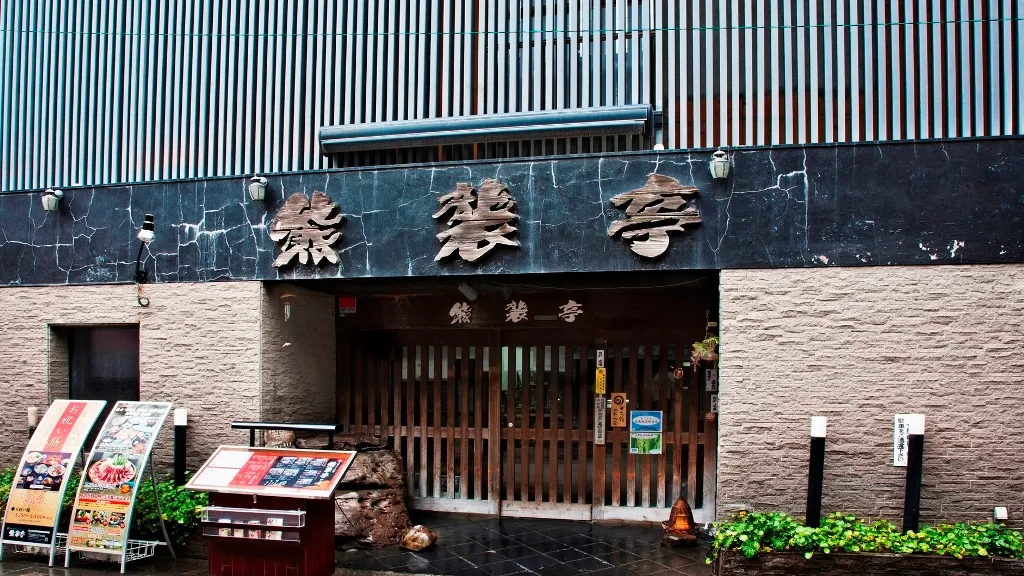
#2 in Kumamoto
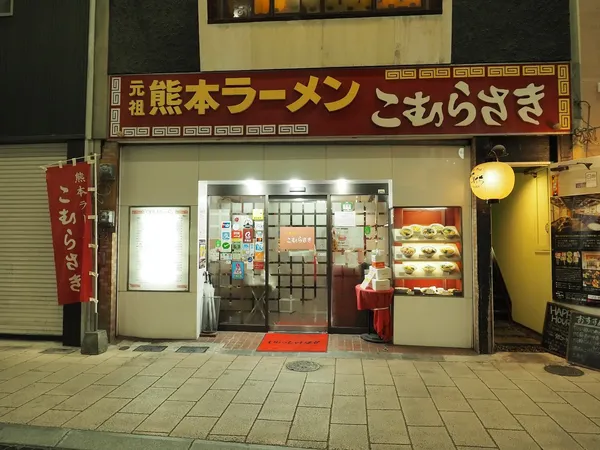
Komurasaki Kamitori Center
Solo Dining
The seventy-year-old Kamitori arcade ramen counter where Kumamoto-style mayu-finished tonkotsu was codified, the city's reference bowl, ¥850 a portion.
Food 9.0
Ambience 7.8
Value 9.7
Central Kyushu's culinary capital, basashi (raw horse meat) is a serious art form here, kuruma ramen has its own seventy-year-old grammar, and the post-castle dinner scene rewards eaters who stay past sunset.
Every table ranked, verdicts written, occasions assigned. Use the occasion filter above to narrow by your dining purpose.
$ under $40 · $$ $40–$80 · $$$ $80–$150 · $$$$ $150+ per person

.jpg)
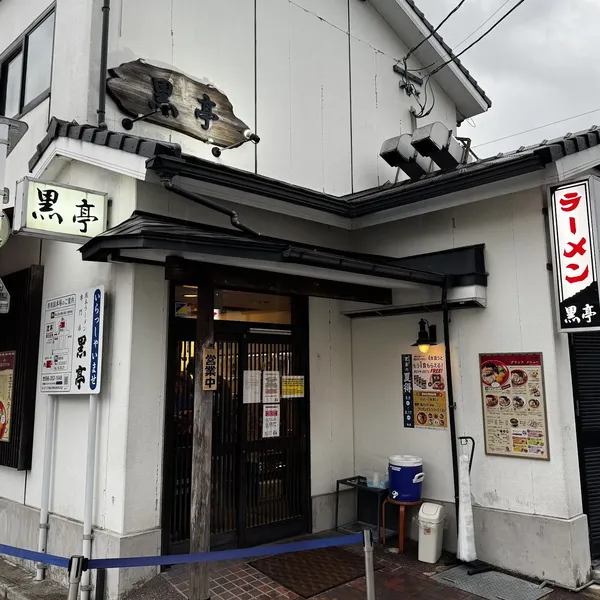
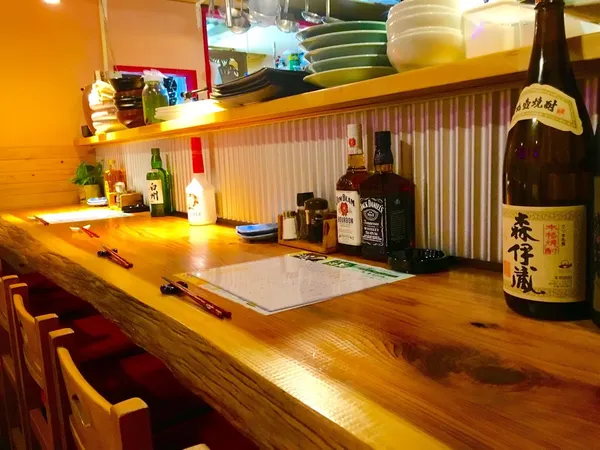
Kumamoto eats around three signatures. Basashi, the raw horse-meat sashimi, is the city's most-talked-about local dish, Kumamoto Prefecture produces nearly half of Japan's edible horse meat and the city's restaurants treat the dish with the same seriousness Tokyo treats sushi (cuts named by part of the animal, served thin-sliced over shiso leaves with grated ginger and garlic-soy). Kumamoto ramen, the prefecture's tonkotsu variant, is distinguished by the crisp, charred mayu (garlic oil) drizzled over the bowl, both Komurasaki and Kokutei, the two reference houses, claim seventy-year lineages. And Higo-gyu, the regional black wagyu raised in Aso's volcanic valleys, anchors the higher-end Kumamoto dinner menus.
The dining map clusters in three zones. The Kamitori and Shimotori arcades, the city's main covered shopping streets running south from the castle, hold the central restaurants, including Komurasaki's Kamitori flagship and most of the basashi specialists. The Suizenji-koen district east of the centre holds the older formal kaiseki rooms and a handful of ryotei. The Aso-hike-out rural restaurants (Akabeko Country, Tateno) ninety minutes north-east cook in the volcanic valleys with house-raised cattle and house-grown vegetables.
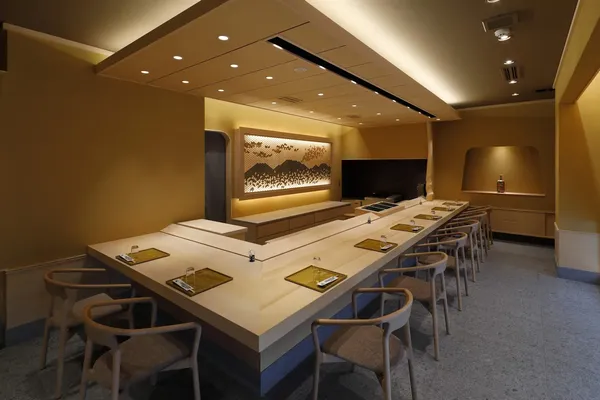
Reservations matter at the higher-end kaiseki and at Kumasotei (the city's most-recommended traditional-dining room, they don't take walk-ins). Ramen counters and basashi izakayas are walk-in friendly outside weekend peaks. English menus are common at tourist-facing addresses on Kamitori and rare elsewhere.
Pair the food with Kumamoto's local shochu, Kuma-jochu, the rice-based shochu specifically from the Hitoyoshi-Kuma region of southern Kumamoto Prefecture, has Geographical Indication protection and is the only shochu in Japan to do so. The better restaurants pour at least three Kuma-jochu labels (Toyonaga, Sengetsu, Tsutsumi). Cap the day at the castle's evening illumination, the keep was extensively rebuilt after the 2016 earthquakes and the restoration was completed in 2021.
Explore more: dining by occasion • all cities • dining guides
New — the nightly brief
Tonight in Kumamoto →RFK Newsletter
We email you when a table worth booking opens in Kumamoto, reviewed by our editors, never paid placements.