Japan — Ranked by Occasion

Best Restaurants
in Nagasaki

Japan's most cosmopolitan kitchen for four hundred years. Portuguese castella, Chinese champon, Dutch trading-port banquets — Nagasaki invented fusion cuisine before the word existed, and the old ryotei still serve it the way they did in 1642.

5Restaurants Listed
7Occasions Covered

All Restaurants in Nagasaki

Every table ranked, verdicts written, occasions assigned. Use the occasion filter above to narrow by your dining purpose.

$ under $40  ·  $$ $40–$80  ·  $$$ $80–$150  ·  $$$$ $150+ per person
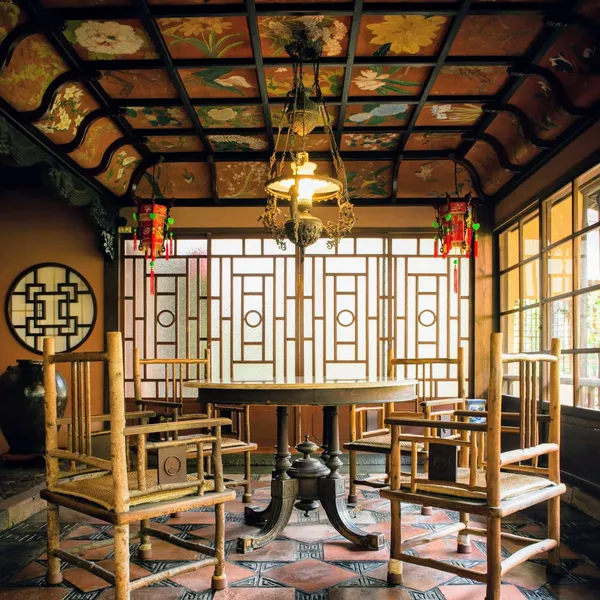
Kagetsu restaurant
1
Impress Clients
Kagetsu
Shippoku-Ryori$$$$
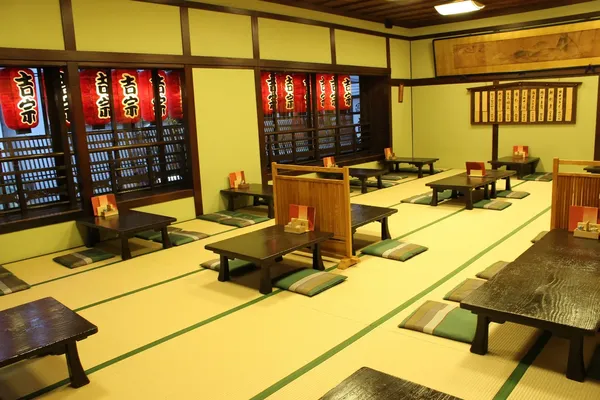
Japan's oldest ryotei, founded 1642 in Maruyama — Portuguese-Chinese-Japanese banquet cuisine served in the tatami rooms where shogunal envoys once dined.
Yossou restaurant
2
First Date
Yossou
Chawanmushi / Kaiseki$$$
The 1866 chawanmushi original — a five-generation kitchen that turned the savoury egg custard into Japan's most widely-imitated dish.
Shikairo restaurant
3
Team Dinner
Shikairo
Chinese / Champon$$$
The 1899 Chinatown room where champon was invented — five floors of Fujian-Nagasaki cuisine and a small museum on the second floor.
Hamakatsu Shianbashi Honten restaurant
4
Team Dinner
Hamakatsu Shianbashi Honten
Tonkatsu / Kuro-buta Pork$$
The Nagasaki tonkatsu specialist working only with kagoshima kuro-buta pork — the underrated counterweight to the city's heavier shippoku and Chinese kitch
Sushi Yamato restaurant
5
Impress Clients
Sushi Yamato
Sushi (Edomae)$$$$
Twelve-seat sushi counter near Dejima — Kyushu-coast fish, a chef who trained in Tokyo's Sukiyabashi neighbourhood, and a tasting menu that hides in plain

Kagetsu

Shippoku-Ryori · $$$$
Proposal
Japan's oldest ryotei, founded 1642 in Maruyama — Portuguese-Chinese-Japanese banquet cuisine served in the tatami rooms where shogunal envoys once dined.
Food 9.3 Ambience 9.8 Value 8.6
Yossou restaurant Nagasaki
#2 in Nagasaki

Yossou

Chawanmushi / Kaiseki · $$$
Birthday
The 1866 chawanmushi original — a five-generation kitchen that turned the savoury egg custard into Japan's most widely-imitated dish.
Food 9.0 Ambience 8.8 Value 9.2
Shikairo restaurant Nagasaki
#3 in Nagasaki

Shikairo

Chinese / Champon · $$$
Team Dinner
The 1899 Chinatown room where champon was invented — five floors of Fujian-Nagasaki cuisine and a small museum on the second floor.
Food 8.8 Ambience 8.5 Value 9.1
Hamakatsu Shianbashi Honten restaurant Nagasaki
#4 in Nagasaki

Hamakatsu Shianbashi Honten

Tonkatsu / Kuro-buta Pork · $$
First Date
The Nagasaki tonkatsu specialist working only with kagoshima kuro-buta pork — the underrated counterweight to the city's heavier shippoku and Chinese kitchens.
Food 8.7 Ambience 8.0 Value 9.3
Sushi Yamato restaurant Nagasaki
#5 in Nagasaki

Sushi Yamato

Sushi (Edomae) · $$$$
Close a Deal
Twelve-seat sushi counter near Dejima — Kyushu-coast fish, a chef who trained in Tokyo's Sukiyabashi neighbourhood, and a tasting menu that hides in plain sight.
Food 9.2 Ambience 9.0 Value 8.6

Best for First Date in Nagasaki

  • Kagetsu — Japan's oldest ryotei, founded 1642 in Maruyama — Portuguese-Chinese-Japanese banquet cuisine served in the tatami rooms where shogunal envoys once dined.
  • Yossou — The 1866 chawanmushi original — a five-generation kitchen that turned the savoury egg custard into Japan's most widely-imitated dish.
  • Shikairo — The 1899 Chinatown room where champon was invented — five floors of Fujian-Nagasaki cuisine and a small museum on the second floor.

See all First Date restaurants →

Best for Business Dinner in Nagasaki

  • Kagetsu — Japan's oldest ryotei, founded 1642 in Maruyama — Portuguese-Chinese-Japanese banquet cuisine served in the tatami rooms where shogunal envoys once dined.
  • Yossou — The 1866 chawanmushi original — a five-generation kitchen that turned the savoury egg custard into Japan's most widely-imitated dish.
  • Shikairo — The 1899 Chinatown room where champon was invented — five floors of Fujian-Nagasaki cuisine and a small museum on the second floor.

See all Deal-Closing tables →

Dining in Nagasaki

Nagasaki ate differently from the rest of Japan for four centuries, and the kitchen still shows it. From 1571 to 1859 this Kyushu port was the country's only window to foreign trade — Portuguese ships through the early decades, then exclusively Chinese and Dutch after the 1635 Sakoku edicts — and the diplomatic dinners that came out of those exchanges produced dishes that exist nowhere else in the country: shippoku-ryori, the round-table banquet that mixes Japanese kaiseki, Chinese stir-fries and Portuguese sweets; champon, the wheat-noodle soup that arrived from Fujian in the 1890s; chawanmushi, the savoury egg custard that a Nagasaki innkeeper began serving in 1866 and which now appears on every kaiseki menu in Japan.

The dining clusters around three districts. Maruyama, the old geisha quarter on the south side of the city, holds the historic ryotei — Kagetsu (1642), Aoyagi, Yossou (1866) — most of which still serve in tatami rooms with sliding-door views of small inner gardens. Shinchi Chinatown, twenty minutes' walk west, is the obvious place for champon and Chinese-Nagasaki cuisine, with the founding restaurant Shikairo (1899) at its centre. Dejima — the artificial island where the Dutch were confined for two and a half centuries — has a handful of restored buildings now used as restaurants and tea rooms, mostly tourist-facing but with one or two serious kitchens among them.

Reservations are essential at the historic ryotei (two to three weeks ahead) and useful at the better Chinese restaurants on weekends. English menus are common in Chinatown and Dejima but rare in Maruyama; a friend with conversational Japanese, or a hotel concierge willing to call ahead, is genuinely useful for the ryotei experience. Tipping is not done.

Pair the food with shochu — Kyushu is the country's shochu heartland and Nagasaki's restaurants pour the imo (sweet potato) and mugi (barley) styles by the thimble. Castella, the Portuguese-derived sponge cake that Nagasaki has baked since the 1560s, ends most meals. Bunmeido and Fukusaya are the historic bakeries; both ship the cake nationwide, but eating it in the city it was invented in still feels like the right move.

Explore more: dining by occasionall citiesdining guides

Also Explore

FukuokaOsakaKyotoHiroshima