#5 in Kashgar
Kashgar Old Town Cafe
Uyghur-Western Fusion · $$
First Date
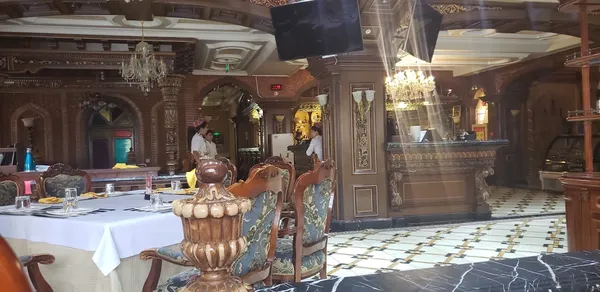
The Old Town courtyard cafe, Uyghur-Western fusion in a converted-traditional-Uyghur-house setting, the city's reference contemporary daytime dining.
Food 8.7
Ambience 9.3
Value 9.0
Dining in Kashgar
Kashgar dines as China's Silk Road meeting-point. The Xinjiang Uyghur Autonomous Region city, population 700,000, China's westernmost major urban centre, has been the central caravan-city of the Silk Road for two thousand years and remains the cultural and culinary heart of China's Uyghur ethnic minority. The cuisine is unambiguously Uyghur: laghman (the hand-pulled-noodle dish that's Central Asia's most-recognisable single signature, with stir-fried meat-and-vegetable sauce), polo (the rice-and-lamb pilaf cooked in lamb broth and mixed with various spices and meat, often served at festivals and special occasions), Xinjiang-style lamb kebabs (the chunky-cubed grilled-lamb skewers cooked over charcoal), samsa (the meat-stuffed Tandoor-baked breads), and the regional naan-style breads.
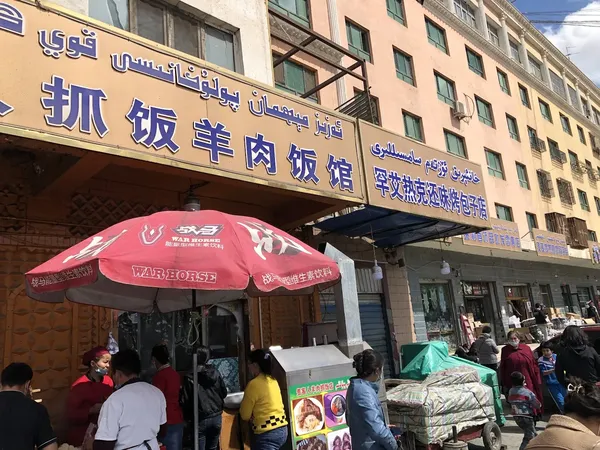
The dining map clusters in three zones. The Old City (Kashgar Old Town), the well-preserved Uyghur traditional quarter with the central Id Kah Mosque (China's largest Mosque, 16th century, the central religious anchor of Kashgar), holds the iconic restaurants: Han Jia Chang Muslim Restaurant (the popular Xinjiang-cuisine destination), Ailizati Polo Restaurant (the Grand Bazaar polo specialist), Nurlan Uyghur Restaurant (the traditional dumpling-and-noodle kitchen). The Sunday Bazaar area (the famous open-all-week-but-busiest-Sunday Kashgar market) and the Khan Bazaar Night Market provide the city's deeper street-food scene.
Reservations are not standard culture in Kashgar, most restaurants are walk-in only. English menus are present at the central tourist-tier restaurants but rare elsewhere; the Sunday Bazaar and night-market stalls operate point-and-order. The city's restaurant rhythm runs lunch peak at 12-2pm and dinner from 7-10pm; the night-market food stalls operate from 8pm to midnight (the Khan Bazaar Night Market is the prime night-time food destination).
Pair the food with one of the regional Uyghur teas (the Kashgar-region green tea blend with rose petals and aromatic spices) or with the Uyghur-style yoghurt drink (kymyz fermented mare's milk in some restaurants). The proper post-dinner anchor is a walk through the Kashgar Old Town's lit traditional Uyghur architecture or, for the Sunday market visitors, a stop at the Sunday Bazaar's livestock-market section (open all morning until 1pm). Cap a Kashgar day at the Id Kah Mosque's evening prayer (open to non-Muslim visitors during specific times).
Explore more: dining by occasion • all cities • dining guides