
#2 in Vigan
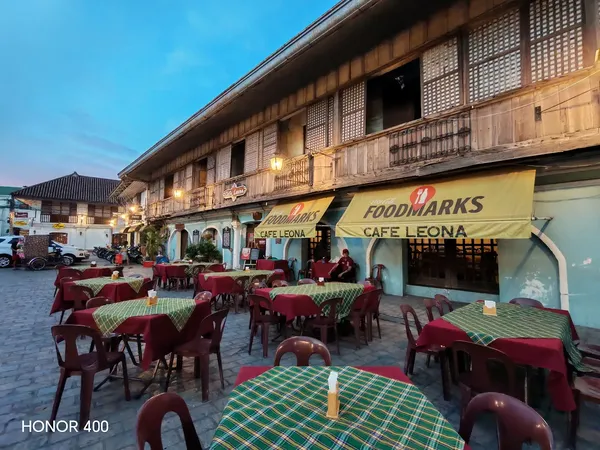
Café Leona
First Date
The Calle Crisologo cobblestone-street outdoor cafe, Ilocano-Japanese-Italian fusion with continuous heritage-building views, the city's most-photographed dining anchor.
Food 8.7
Ambience 9.4
Value 9.0
Northern Philippines' UNESCO Spanish-colonial city, Calle Crisologo's cobblestone heritage, Ilocano cuisine in its most preserved form, the empanada-and-longganisa breakfast that visiting Filipinos drive eight hours for.
Every table ranked, verdicts written, occasions assigned. Use the occasion filter above to narrow by your dining purpose.
$ under $40 · $$ $40–$80 · $$$ $80–$150 · $$$$ $150+ per person
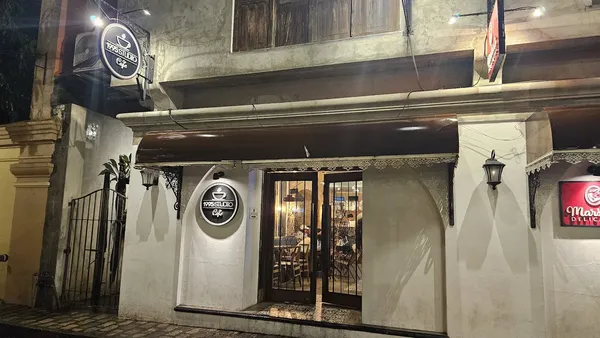


Vigan dines with the colonial past visible on every plate. The Ilocos Sur city, population 53,000, eight hours by bus or one hour by flight north of Manila, is one of the few Spanish-colonial townscapes preserved largely intact in the Philippines: Calle Crisologo, the cobblestone street running through the city centre, is lined with three-storey Spanish-period merchant houses still in private use, and the city was inscribed on the UNESCO World Heritage List in 1999 as 'an exceptionally intact and well-preserved example of a European trading town in East and Southeast Asia'. The cuisine has the same preservation: Ilocano signatures (Vigan empanada, Vigan longganisa, bagnet, pinakbet) are made the same way by family kitchens that have not modernised the recipes.
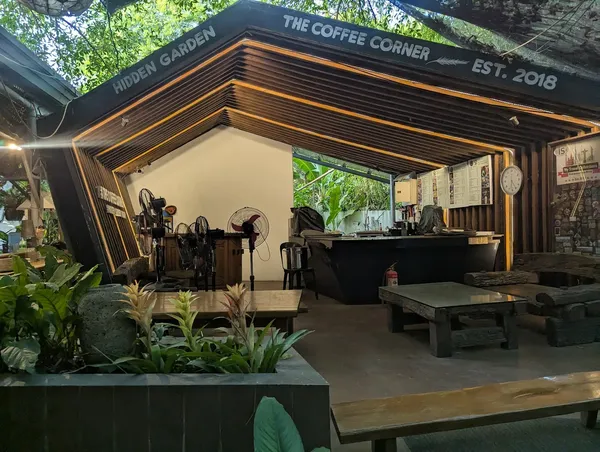
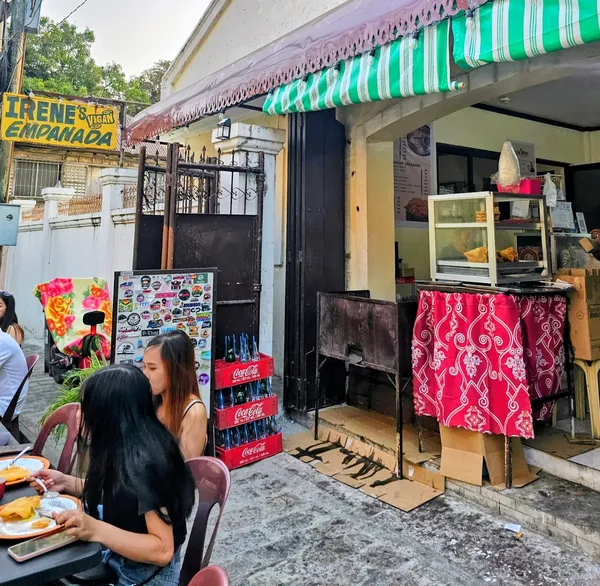
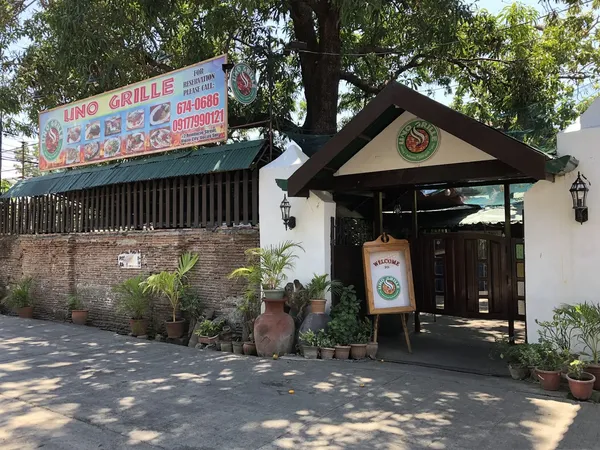
The dining map runs across two zones. Calle Crisologo and the immediate streets around Plaza Burgos hold the central-tourist restaurants, Café Leona's fusion menu, 1995 Studio Cafe (also called 1Eat), the empanada-stalls along the Calle, and the better local-cuisine kitchens. The outskirts (a five-to-fifteen-minute tricycle ride from the centre) hold the Hidden Garden restaurant (the city's most-recommended single dining destination, in a tropical-garden setting with no signage from the road) and the rural Ilocano kitchens that serve the deeper village version of the regional cuisine.
Reservations are not standard culture in Vigan but useful at Hidden Garden during weekend lunches; everywhere else is walk-in. The city's restaurant rhythm follows its small-town size: most restaurants are open from 9am for breakfast empanada, peak at lunch 12-2pm, and close by 9-10pm. The Calle Crisologo evening illumination (lanterns lit from sunset to midnight) is the post-dinner anchor, with horse-drawn calesa carriages running along the cobblestones until 10pm.
Pair the food with one of the local Ilocano vintages, Vigan's regional sugarcane-based basi wine has been produced here since the Spanish era, and the better restaurants pour at least two labels. The proper post-dinner dessert is one of the Vigan-specific sweet preparations: tinubong (a sticky rice cake cooked in bamboo) at one of the small dessert stalls along Calle Crisologo, or the Royal Bibingka (a baked rice-and-coconut cake) at the Royal Bibingka heritage shop two blocks north.
Explore more: dining by occasion • all cities • dining guides
New — the nightly brief
Tonight in Vigan, Ilocos Sur →RFK Newsletter
We email you when a table worth booking opens in Vigan, reviewed by our editors, never paid placements.