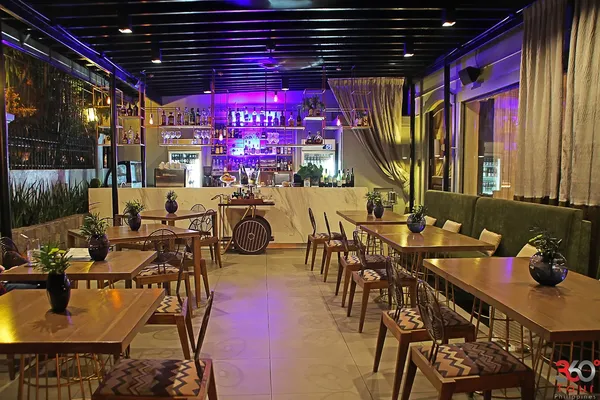
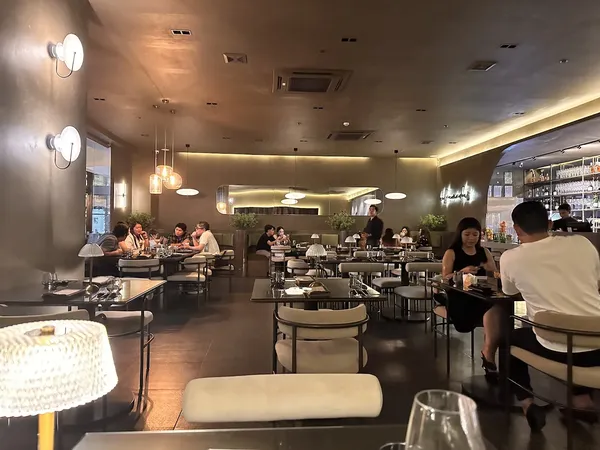
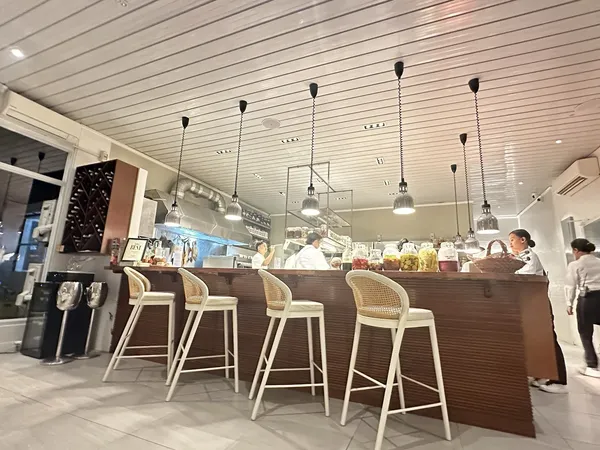
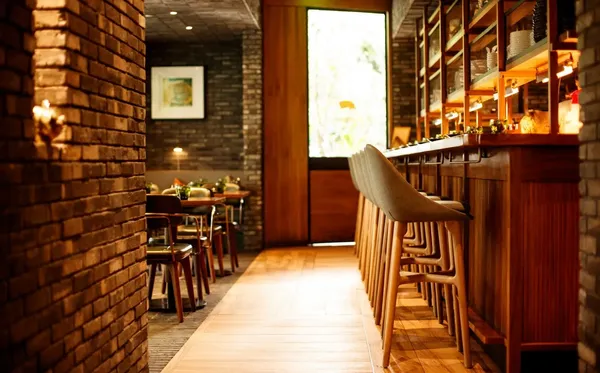
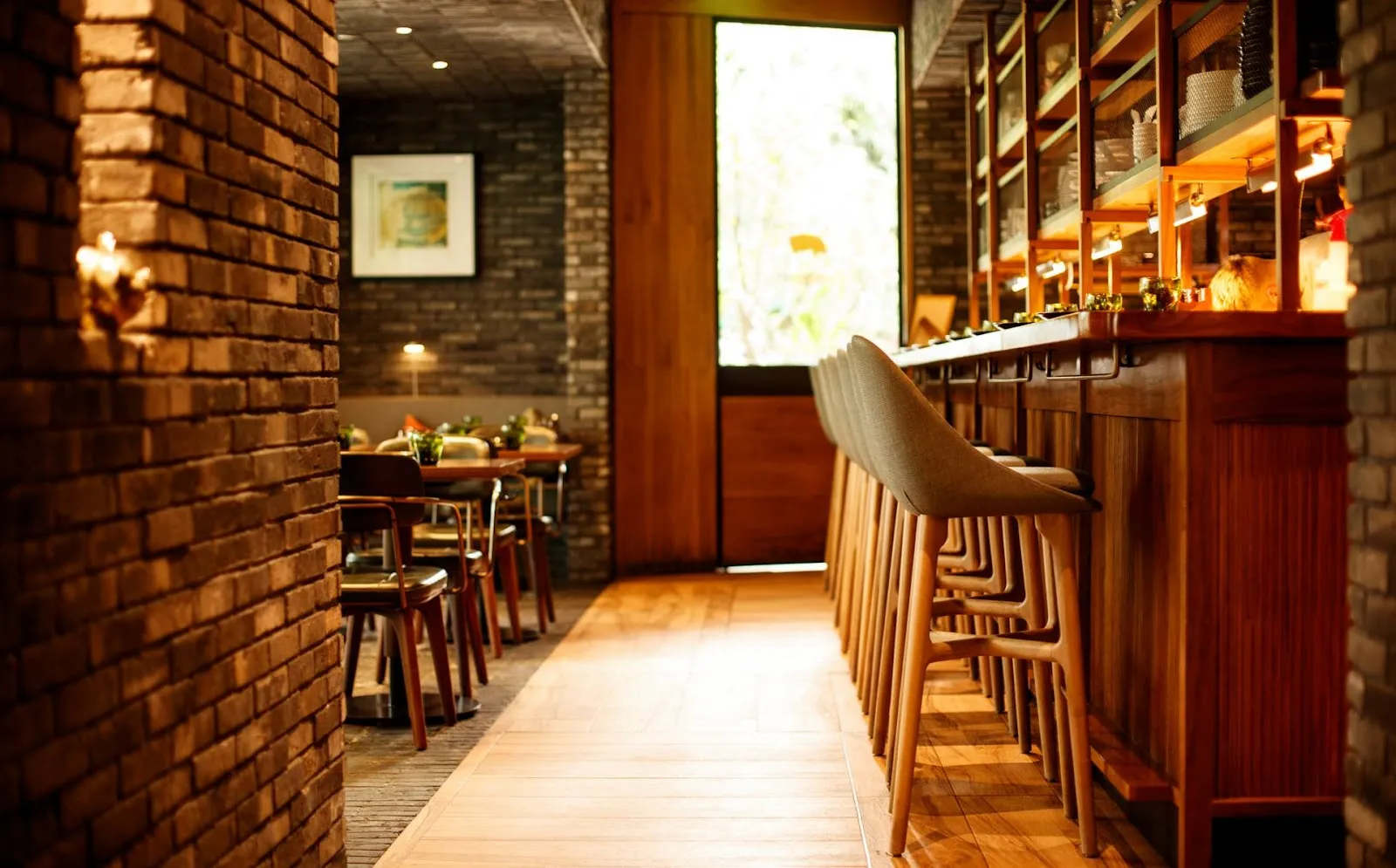
The Pig and Palm
Best for Close a DealJason Atherton's Cebu outpost — modern Spanish tapas with a focus on pork, set inside the city's business district. The restaurant that signalled Cebu had arrived as a destination dining city.
The Philippines' food capital — a Visayan island city where a Jason Atherton restaurant sits a block away from a 23-course tasting devoted to local ingredients. The 2026 Michelin Guide Cebu arrived with seven stars and the scene has not looked back.
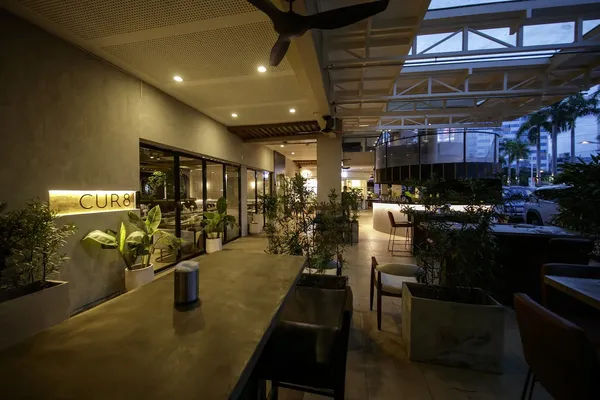
The 2026 Michelin Guide to the Philippines recognised Cebu with a constellation of stars and recommendations — the first time the Visayan capital had been formally acknowledged as a destination dining city. In truth, Cebu's rise had been underway for nearly a decade. Jason Atherton's The Pig and Palm opened in 2015. Marco Anzani's hilltop Mediterranean arrived before that. A wave of chef-driven independents — Bell+Amadeus, Sialo, CUR8 — followed. What Cebu now possesses is a dining scene that would be remarkable in any Southeast Asian capital and is extraordinary given the city's comparative size.
$ Casual $$ Mid-tier $$$ Upscale $$$$ Luxury
Jason Atherton's Cebu outpost — modern Spanish tapas with a focus on pork, set inside the city's business district. The restaurant that signalled Cebu had arrived as a destination dining city.
A hilltop Mediterranean villa with panoramic views over Cebu City — the most romantic dining room in the Visayas, and the chef who originally brought fine dining to the island.
"Painterly palatable, palatably painterly" — Miguel Moreno's creative dining room where every plate is composed with the discipline of a still life and the flavour of a Filipino grandmother's kitchen.
Cebu's first progressive dining concept — modern Asian techniques applied to Filipino and Southeast Asian ingredients, in a room that works equally well for a six-person team dinner and a two-person deal.
Local is luxury. A 23-course Visayan tasting menu that treats Cebu's rural pantry as a world-class ingredient list — and one of the most-talked-about new tables in Southeast Asia.
Cebu IT Park / Lahug — the business and expat district, home to The Pig and Palm in IT Park and Anzani's hilltop view room at Nivel Hills. This is where serious dinners happen. Cebu Business Park / Ayala — shopping mall luxury, but in the best sense: CUR8 and a handful of progressive Filipino counters sit inside and beside Ayala Center Cebu. NUSTAR Resort & Casino, SRP — the South Road Properties reclamation has become the city's destination dining district. Fili, Liqour Library, and several chef-driven rooms cluster in and around NUSTAR. Old Cebu / Mabolo — the low-rise, leafy district where chef-driven independents like Bell+Amadeus and Sialo have set down roots.
The cuisine here is Visayan first — defined by the pig (the lechon tradition is arguably at its finest in Cebu), the sea (this is an island city, fish and shellfish dominate), and the vinegar-forward sourness that distinguishes Cebuano cooking from the sweeter Tagalog palate of Luzon. But Cebu's finest rooms approach this inheritance with the techniques and philosophies of a global fine-dining generation. Lechon becomes a terrine; adobo becomes a sauce layered over line-caught grouper; sisig is deconstructed, rebuilt, served as a single bite.
Reservations are essential at the top tier, especially on weekends and during the Sinulog Festival in January when the city fills with visitors. Most fine-dining rooms accept online reservations; hotel concierges at Shangri-La Mactan, NUSTAR, and Radisson Blu can pull tables at shorter notice. For the two most in-demand rooms — Sialo and The Pig and Palm — book two to three weeks ahead.
Dress code: Smart casual at fine-dining venues. Many Filipino restaurants still allow barong (the national dress shirt), and almost all allow stylish denim. Cebu is tropical — jackets are rare, breathable fabric is universal. Tipping: Ten per cent is standard. Many restaurants include a service charge; an additional tip of 50 to 100 pesos is appreciated for exceptional service. Timing: Dinner runs 7pm to 10pm; Filipinos rarely eat as late as Spaniards or Lebanese. Book for 7:30pm to 8pm to catch the peak atmosphere. Language: English is universally spoken; menus are in English at every fine-dining establishment. Cebuano and Tagalog are the local languages but not a barrier.
The Philippines' second city — 900,000 people on the island itself, 3 million in metro Cebu — and the country's most serious food scene outside Manila.