
#2 in Mashhad
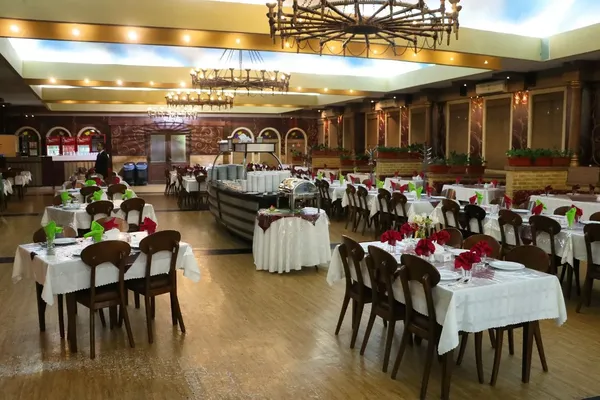
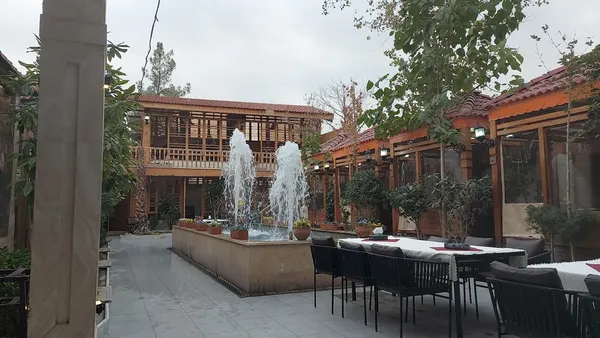
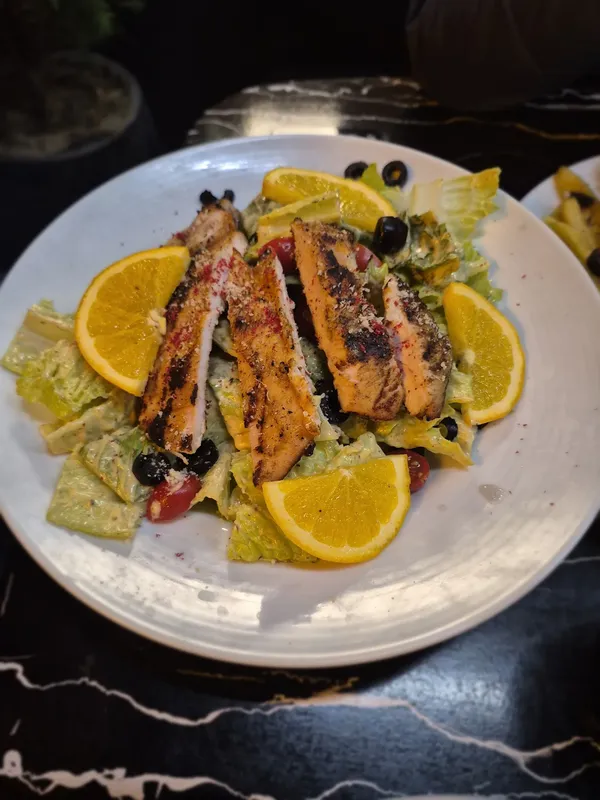
Haj Hassan Restaurant
Team Dinner
The Mashhad family-celebration anchor, open-air gazebos, indoor formal hall, grilled Iranian classics, the city's reference family-dining destination.
Food 8.9
Ambience 9.0
Value 9.2
Iran's holy pilgrimage city, the Imam Reza Shrine draws 25 million pilgrims a year, and the city's restaurants cook Khorasan-region Persian cuisine plus a deep Mashhadi-specific tradition of sholeh, dizi and shishlik that exists nowhere else in Iran.
Every table ranked, verdicts written, occasions assigned. Use the occasion filter above to narrow by your dining purpose.
$ under $40 · $$ $40–$80 · $$$ $80–$150 · $$$$ $150+ per person
.jpg)

Mashhad dines around the Shrine. The Khorasan Razavi Province capital, population 3.4 million, eight hundred kilometres east of Tehran, is the holiest city in Iran and the second-most-visited Shia pilgrimage destination in the world after Karbala. The Imam Reza Shrine complex (the resting place of the eighth Shia Imam, Reza, who died in 818 CE) draws over 25 million pilgrims each year; the city's restaurant scene has scaled to match, with hundreds of dining destinations across the central Imam Reza-area and the surrounding Razavi Khorasan province offering both Persian classics and Mashhadi-specific regional dishes. The signatures: sholeh Mashhadi (the thick rice-and-meat porridge that's the city's most-distinctive single dish), shishlik (the regional grilled-lamb-skewer preparation, larger and more aromatic than the Tehran version), and the classic Khorasan-region dizi that uses local mountain herbs.
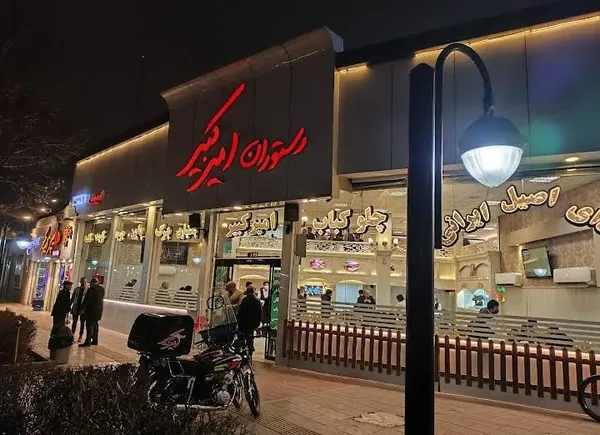
The dining map clusters in two zones. The Imam Reza Shrine area and the surrounding pilgrimage-tourist district hold the city's iconic restaurants: Padideh Shandiz and Erum Shandiz (the two famous Shandiz district institutions, each over 12,000 square metres in size), Haj Hassan Restaurant (the open-air gazebo family-celebration restaurant), Amir Kabir Restaurant (the late-night kebab destination open until 2am), Babaghodrat (the traditional Mashhadi-cuisine specialist). The modern Sajjad Boulevard and Vakil Abad Boulevard areas hold the contemporary Iranian fine-dining and the city's growing Modern Iranian cafe scene.
Reservations matter at the Shandiz-district institutions on weekend evenings and during the heavy pilgrimage seasons (the Persian New Year in late March, and the Imam Reza birthday celebrations in summer); walk-ins for two work outside peak hours. English menus are common at the tourist-tier rooms.
Pair the food with a small saffron tea, the Khorasan Razavi region produces the world's largest commercial saffron crop and Mashhadi tea-houses are particularly proud of their saffron-infused brews. The proper post-dinner anchor is a visit to the Imam Reza Shrine, open 24 hours a day for pilgrimage and one of the most architecturally remarkable religious complexes in the world. Cap the day at the Tomb of Ferdowsi (the great Persian epic poet, who wrote the Shahnameh and rests thirty kilometres west of the city in Tus).
Explore more: dining by occasion • all cities • dining guides
New — the nightly brief
Tonight in Mashhad →RFK Newsletter
We email you when a table worth booking opens in Mashhad, reviewed by our editors, never paid placements.