.jpg)
#2 in Chiang Rai
Phu-Lae
First Date
The clock-tower-area northern-Thai kitchen serving Lanna classics in a presentable air-conditioned dining room. Chiang Rai's most-recommended single tourist destination.
Food 8.9
Ambience 8.8
Value 9.2
Northern Thailand's quietly serious dining capital. Lu Lam's thirty-year northern-Thai institution, the iconic White Temple a short ride from dinner, and a slow-paced rhythm that suits multi-course Lanna cuisine.
Every table ranked, verdicts written, occasions assigned. Use the occasion filter above to narrow by your dining purpose.
$ under $40 · $$ $40–$80 · $$$ $80–$150 · $$$$ $150+ per person
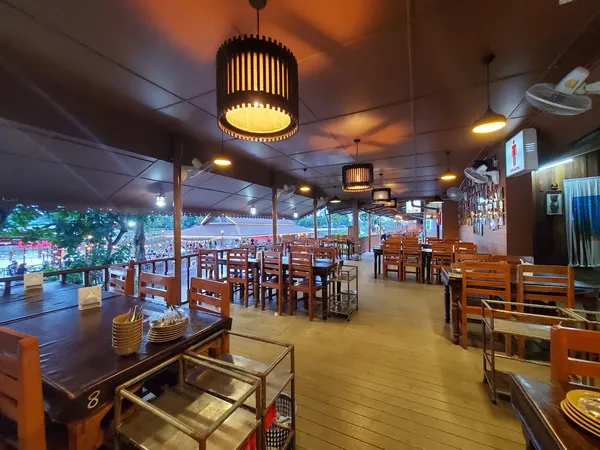

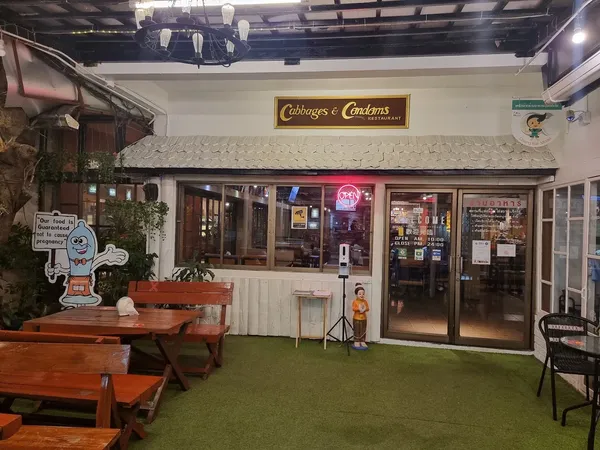
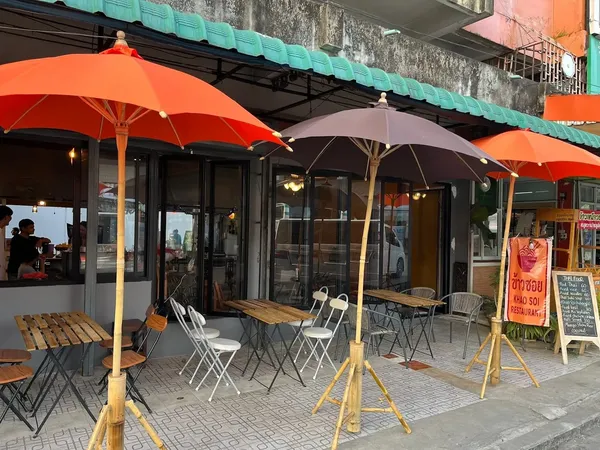
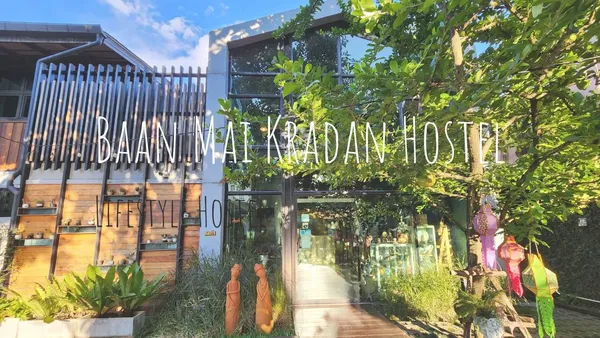
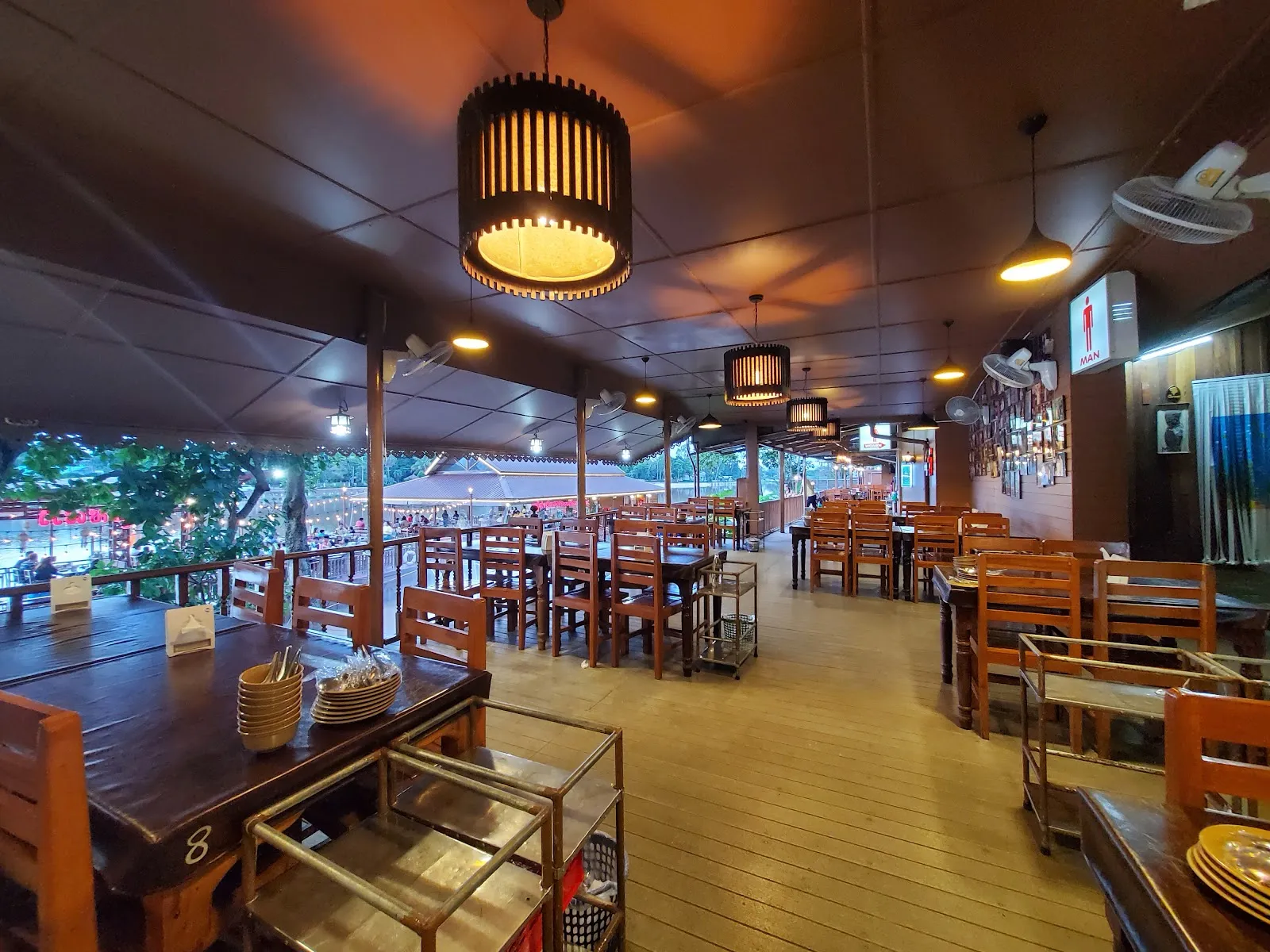

Chiang Rai dines as the quieter cousin of Chiang Mai. The northern Thailand provincial capital. Population 200,000, three hours by road or one hour by flight from Chiang Mai. Has built a Lanna-cuisine reputation that food travellers increasingly visit before or after the bigger northern hub. The dishes are northern Thai (sai oua spicy pork sausage, larb moo khua minced-pork salad, khao soi curried noodle soup, sticky rice as the staple grain rather than jasmine) but the regional Chiang Rai variations are slightly sourer and more herbal than Chiang Mai's, with more pronounced influences from the Akha, Lahu, and Karen ethnic-minority groups in the surrounding hill villages.
The dining map clusters in three zones. The central Old Town and the Chiang Rai Night Bazaar around the clock-tower hold the bulk of the dining options. Lu Lam (the city's most-cited northern-Thai institution, thirty-plus years), Phu-Lae, Cabbages and Condoms (the PDA-run social-enterprise restaurant that operates branches in multiple Thai cities), and a dozen smaller family kitchens. The Wat Rong Khun (White Temple) area twelve kilometres south of the centre holds a few restaurant clusters servicing the temple's heavy day-tourism, including a couple of genuine local kitchens. The rural restaurants beyond the city. Particularly in the surrounding Mae Sai border-area and the Doi Tung mountain region. Offer hill-tribe-villager cuisine and Akha-influenced dishes that exist nowhere else in Thailand.
Reservations are useful at the better-known Lu Lam and Phu-Lae on weekends but rare elsewhere; most Chiang Rai restaurants are walk-in friendly. The city's restaurant rhythm starts later than the rest of Thailand: lunch peaks at 1pm and dinner doesn't really start until 7pm. English menus are universal at tourist-tier rooms and present-but-basic at the smaller local kitchens.
Pair the food with a small flight of Chiang Rai-area sticky rice (the city's staple grain. Eaten by hand, formed into small balls, dipped into the various northern dipping sauces) and one of the local Chang or Singha beers. The proper post-dinner anchor is the Chiang Rai Night Bazaar (open until 11pm, with food stalls and small live music) or. For those willing to drive. A sunrise visit to Wat Rong Khun the next morning, which is one of the country's iconic visual destinations and best photographed in the early light.
Explore more: dining by occasion • all cities • dining guides
Bangkok • Chiang Mai • Luang Prabang • Hanoi
New — the nightly brief
Tonight in Chiang Rai →RFK Newsletter
We email you when a table worth booking opens in Chiang Rai, reviewed by our editors, never paid placements.