Japan — Asia

Tokyo

One hundred and sixty Michelin stars. More three-star restaurants than Paris. A dining culture where a tempura counter in a basement commands as much reverence as the world's grandest tasting rooms. No city takes food more seriously.

200Restaurants Listed
12Three-Star Michelin
7Occasions Covered

Tokyo's Finest Tables

200 restaurants listed
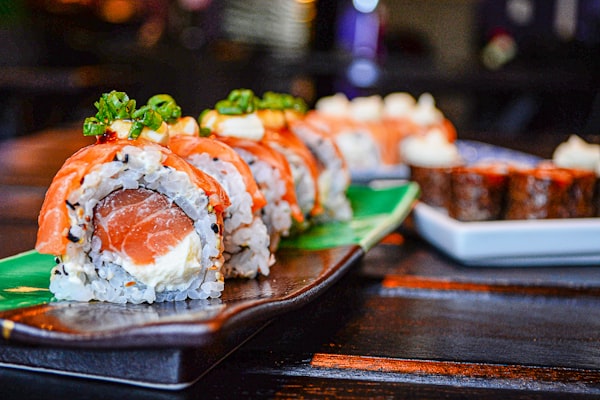
Sukiyabashi Jiro sushi counter Ginza Tokyo
1
Impress Clients
Nihonryori RyuGin kaiseki dining Tokyo Hibiya
2
Close a Deal
SEZANNE restaurant Four Seasons Tokyo Marunouchi
3
Proposal
Quintessence French restaurant Tokyo Shinagawa
4
Impress Clients
NARISAWA innovative satoyama cuisine Tokyo Minamiaoyama
5
First Date
Ginza Kojyu kaiseki Tokyo Ginza
6
Close a Deal
Tempura Kondo restaurant Ginza Tokyo fine tempura
7
Solo Dining
Florilege restaurant Tokyo plant-based French
8
First Date
Den restaurant Tokyo contemporary Japanese Jingumae
9
Birthday
Sushi Saito Tokyo omakase counter
10
Solo Dining
Sukiyabashi Jiro Roppongi sushi Tokyo
11
Impress Clients
Ishikawa kaiseki Tokyo Kagurazaka
12
Close a Deal
Bvlgari Il Ristorante Luca Fantin Italian Tokyo Ginza
13
Birthday
L'Effervescence Tokyo French restaurant Nishi-Azabu
14
Proposal
Kohaku kaiseki Tokyo Kagurazaka
15
Birthday
Sushi Yoshitake Ginza Tokyo 3 star michelin
16
Solo Dining
Myojaku Tokyo new 3 star Michelin 2026 Japanese cuisine
17
Impress Clients
Nishiazabu Sushi Shin Tokyo 2 star Michelin
18
Solo Dining
Ginza Wakuta Tokyo kaiseki restaurant
19
Team Dinner
Joel Robuchon Tokyo Ebisu fine dining French
20
Birthday

Best for Impress Clients in Tokyo

See all →

Tokyo has no parallel when it comes to impressing clients. The combination of three-star Michelin density, theatrical omakase formats, and the prestige of impossible-to-obtain reservations makes a Tokyo business meal unlike any other in the world. Sukiyabashi Jiro alone communicates that you operate at the highest tier of anything.

Sukiyabashi Jiro
1
Impress Clients
Nihonryori RyuGin
2
Impress Clients
SEZANNE
3
Impress Clients

Best for First Date in Tokyo

See all →

Tokyo's counter-culture — where chef and guest exist in intimate dialogue — makes it the world's greatest city for a first date. An omakase format removes the anxiety of ordering, keeps conversation flowing, and ensures you both remember every bite. Florilège's communal table takes this to a different level entirely.

Florilege
1
First Date
NARISAWA
2
First Date
Den Tokyo
3
First Date

The Tokyo Dining Guide

Tokyo is, without question, the most Michelin-starred city on earth. The 2026 Michelin Guide Tokyo lists 160 starred restaurants — twelve at three stars, twenty-six at two stars, and one hundred and twenty-two at one star. No other city comes close. But the number alone understates the achievement. What Tokyo possesses is a dining culture of almost religious seriousness, extending from the three-star kaiseki temples of Kagurazaka down to the ramen counter where a chef has spent thirty years perfecting a single bowl of broth.

The cuisine taxonomy here demands study. Kaiseki — Japan's multi-course seasonal haute cuisine, descended from Zen temple cooking — is the dominant language of the finest rooms. But Tokyo has also produced the world's most revered sushi omakase tradition, the highest expression of tempura, and, through chefs like Yoshihiro Narisawa and Hiroyasu Kawate, entirely new culinary philosophies that the rest of the world is still catching up to. French cuisine, always central to Japan's culinary conversation since the post-war era, now appears here in forms that no Parisian restaurant has dared to attempt.

Reservations require strategy. The most serious restaurants — Sukiyabashi Jiro, Sushi Saito, Quintessence — operate on referral systems, hotel concierge bookings, or release windows that require local knowledge. Plan weeks, often months, in advance. If you are staying at the Four Seasons, the Aman, or the Peninsula, leverage your concierge relationship early. For Sushi Saito, an American Express Centurion card is your best tool. For the rest, the platform OMAKASE provides English-language access to many of the counters that would otherwise require Japanese-language booking.

Dining Neighborhoods
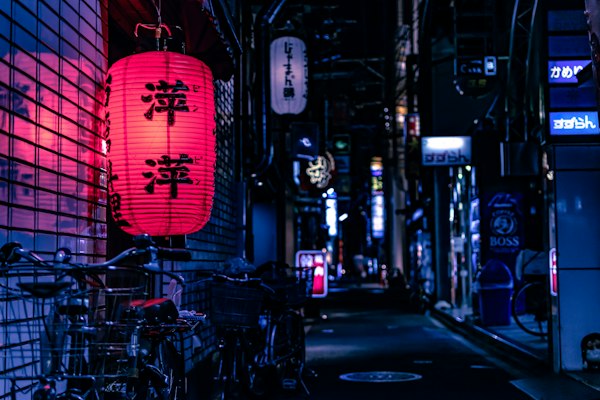
Ginza is the capital of fine dining prestige — Sukiyabashi Jiro, Tempura Kondo, Ginza Kojyu, Bvlgari Il Ristorante, and dozens more occupy its towers and basements. Kagurazaka is the atmosphere neighbourhood — cobblestone alleys, former geisha quarters, and three-star kaiseki destinations Ishikawa and Kohaku. Minamiaoyama is the creative district, home to NARISAWA. Azabudai Hills, the landmark development completed in 2023, now houses Florilège and several other destination restaurants. Hibiya / Marunouchi anchor the business dining circuit — RyuGin and SÉZANNE both operate here, with views and addresses that signal serious power.
Practical Notes
Dress code: Smart-casual is the minimum at starred restaurants. Many kaiseki and sushi establishments require formal attire — no jeans, always closed-toe shoes. Tipping: Not practiced in Japan. Exceptional service is already built into the price — attempting to tip may cause offense. Timing: Japanese fine dining is structured. Arrive exactly on time, not early and never late. Counter meals, particularly omakase sushi, move at the chef's pace — typically 45 to 90 minutes. Kaiseki dinners run two to three hours. Language: Most top-tier restaurants accommodate English-speaking guests, but having a Japanese-speaking contact or hotel concierge involved in the booking process remains an advantage.