Gyeonggi Province's Hwaseong-fortress capital — the Suwon galbi tradition that 1940s Korean meat traders codified, three reference Korean BBQ houses within walking distance, and an underrated dinner scene one hour south of Seoul.
Every table ranked, verdicts written, occasions assigned. Use the occasion filter above to narrow by your dining purpose.
$ under $40 · $$ $40–$80 · $$$ $80–$150 · $$$$ $150+ per person
Suwon eats around its galbi. The Gyeonggi Province capital — population 1.2 million, an hour south of Seoul by KTX or thirty-five minutes by subway — is the unambiguous home of Suwon-style galbi (Suwon-galbi), the Korean beef short-rib BBQ preparation that 1940s meat traders codified at the Suwon central market and which has since become one of South Korea's three reference BBQ styles (alongside Naju and Andong galbi). The city's three iconic galbi houses — Bonsuwon, Yeonpo, and Kabojung — are within twenty minutes' walk of each other in the central Paldal-gu district, and the typical Suwon food day involves trying at least two of them in a single evening.
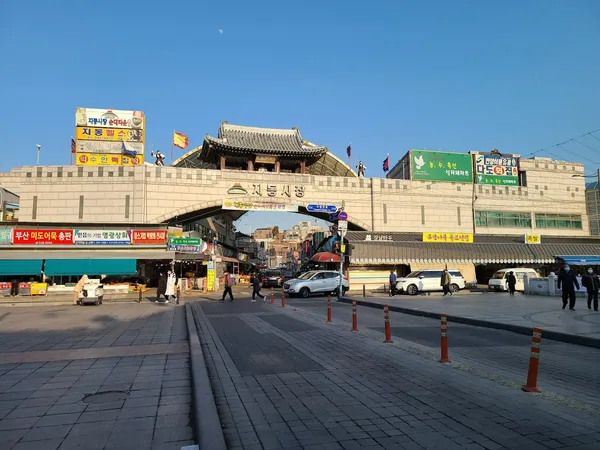
The dining map clusters in three zones. The Paldalmun Gate area — at the south side of the UNESCO Hwaseong Fortress — holds the three iconic galbi institutions plus a dozen smaller Korean-BBQ specialists. The Suwon Hwaseong Haenggung Palace area at the centre of the fortress holds the more traditional hanjeongsik and Joseon-court-cuisine restaurants, with several rooms operating in restored historic buildings inside the palace grounds. The Yeongtong-gu and Gwanggyo districts east of the fortress hold the contemporary Suwon fine-dining scene (Modern Korean rooms, hotel restaurants, Korean-fusion).
Reservations matter at the iconic galbi houses on Friday-Saturday evenings (Bonsuwon and Kabojung run 200-seat operations and book up; Yeonpo is smaller and walk-in friendly outside peak); reservations also matter at the better palace-area hanjeongsik rooms. English menus are common at the tourist-tier Korean BBQ rooms (galbi cuts and grilling are explained on the menu) and rare elsewhere.
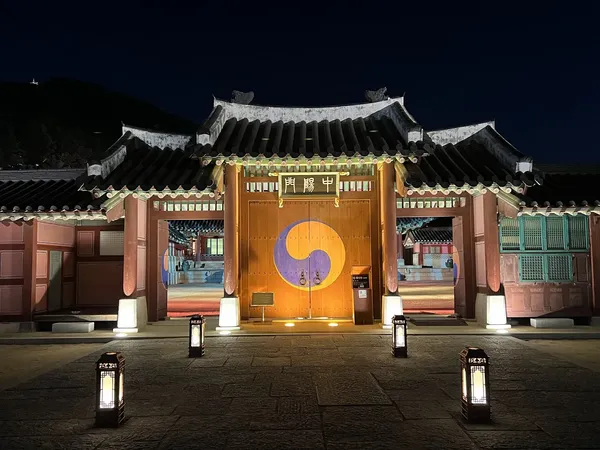
Pair the food with the regional Gyeonggi makgeolli (Pocheon Idongmakkoli is the regional reference and almost every Suwon BBQ house keeps it on tap) or with one of the Korean traditional sojus that the better hanjeongsik rooms keep on hand. The proper post-dinner anchor is the Hwaseong Fortress evening illumination — the entire 5.7-kilometre fortress wall is lit until 10pm and the walk along the southern section near Paldalmun Gate is one of Korea's most-photographed evening attractions.
Explore more: dining by occasion • all cities • dining guides