
#2 in Matsumoto
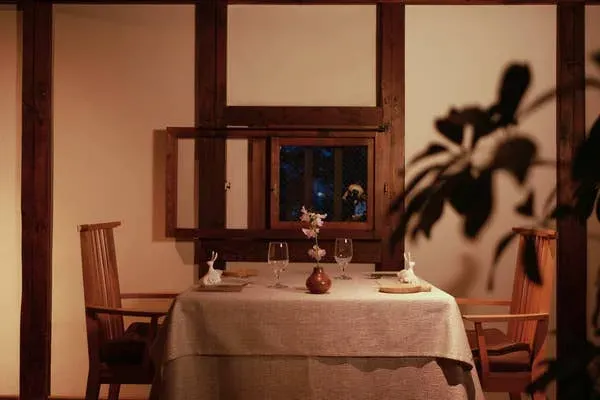
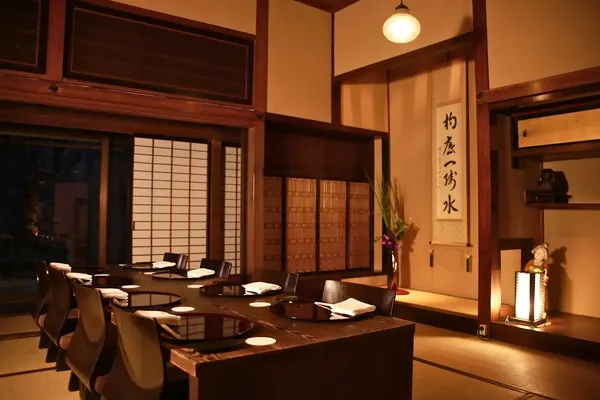
Hikariya Higashi
Impress Clients
Hikariya Nishi's kaiseki sister, the same 1887 storehouse, the same Relais ownership, the Japanese half of the menu split.
Food 9.3
Ambience 9.4
Value 8.6
The alpine castle town where Shinshu soba meets Relais & Châteaux French, Nagano's quiet capital cooks closer to the mountain than any other table in Japan.
Every table ranked, verdicts written, occasions assigned. Use the occasion filter above to narrow by your dining purpose.
$ under $40 · $$ $40–$80 · $$$ $80–$150 · $$$$ $150+ per person
.jpg)

Matsumoto sits in a wide valley at the foot of the Northern Japan Alps, two and a half hours west of Tokyo, and dines like the alpine town it is. The cuisine pivots on three local ingredients: Shinshu soba (the buckwheat that Nagano grows better than any other prefecture), basashi (raw horse meat, served sashimi-style with garlic and ginger), and yamame trout from the Azusa River, which runs through the city centre and feeds the kitchens of half the better restaurants.
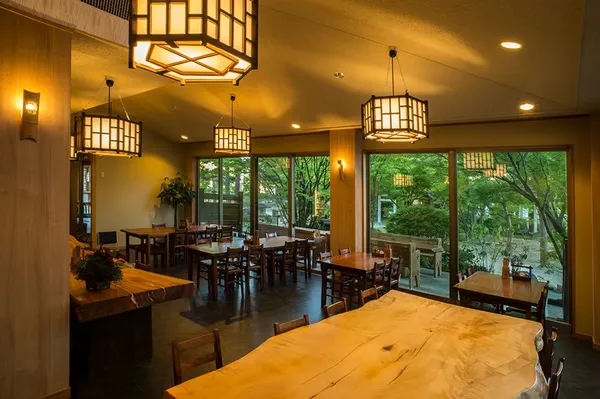
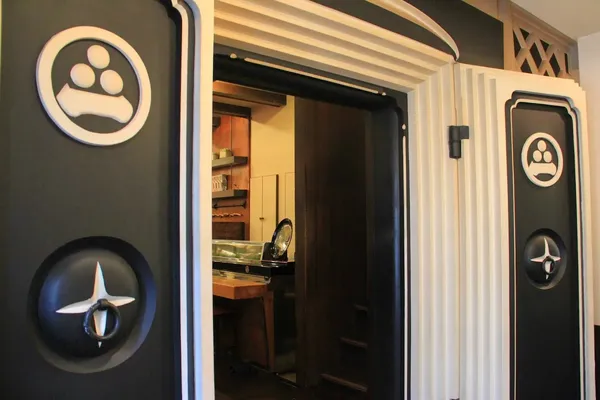
The dining map is small and walkable. The Nawate-dori shopping street and the canal that runs alongside it hold the soba houses (Kobayashi, established 1889, still the standard) and the older izakaya. The Hikariya complex, two restaurants in a renovated 1887 rice storehouse five minutes' walk from Matsumoto Castle, is the city's only Relais & Châteaux address and runs both a French menu (Hikariya Nishi) and a kaiseki menu (Hikariya Higashi) under the same roof. Around the castle moat, a handful of mid-tier kaiseki rooms and ryotei serve the more formal traditional meals.
Reservations are essential at Hikariya Nishi (three weeks ahead for weekends; this is the only Relais room in Nagano Prefecture) and useful but not strict at the soba houses, where the queue is part of the ritual. English menus are standard at the top tier and at Kobayashi Soba, which has been hosting English-speaking visitors since the 1980s. Tipping is not done.
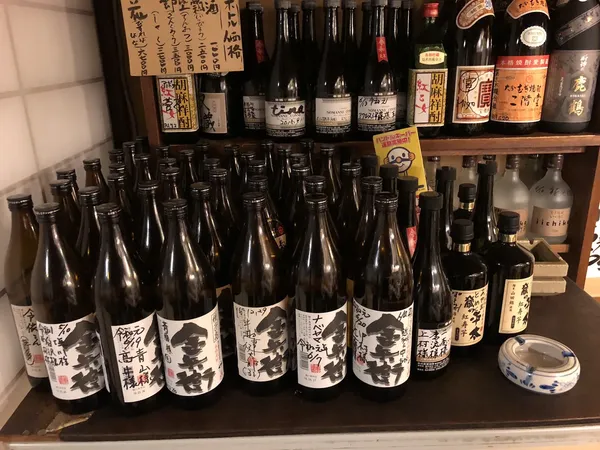
Pair the food with Nagano sake, the prefecture has more sake breweries than any other in Japan after Niigata, and the styles tend toward dry, crisp and clean (Daishichi, Masumi, and the local Kameno-Umi are the names that travel). The soba houses pour soba-yu, the cooking water from the noodles, at the end of the meal as a hot, starchy palate cleanser; this is unique to Shinshu and the proper way to finish a soba lunch.
Explore more: dining by occasion • all cities • dining guides
New — the nightly brief
Tonight in Matsumoto, Nagano →RFK Newsletter
We email you when a table worth booking opens in Matsumoto, reviewed by our editors, never paid placements.