
#2 in Dali
Bailixiang
First Date
The Renmin Road Bai-cuisine specialist, the ethnic-minority dishes that have been cooked the same way for a thousand years, ¥80-150 per person.
Food 8.9
Ambience 8.7
Value 9.3
Yunnan's Bai-ethnic-minority capital, the thousand-year-old Dali Ancient Town between Cangshan Mountain and Erhai Lake, rushan goat-cheese unique to the region, wild-mushroom hot pots and crossing-bridge noodles in their high-altitude Yunnan form.
Every table ranked, verdicts written, occasions assigned. Use the occasion filter above to narrow by your dining purpose.
$ under $40 · $$ $40–$80 · $$$ $80–$150 · $$$$ $150+ per person
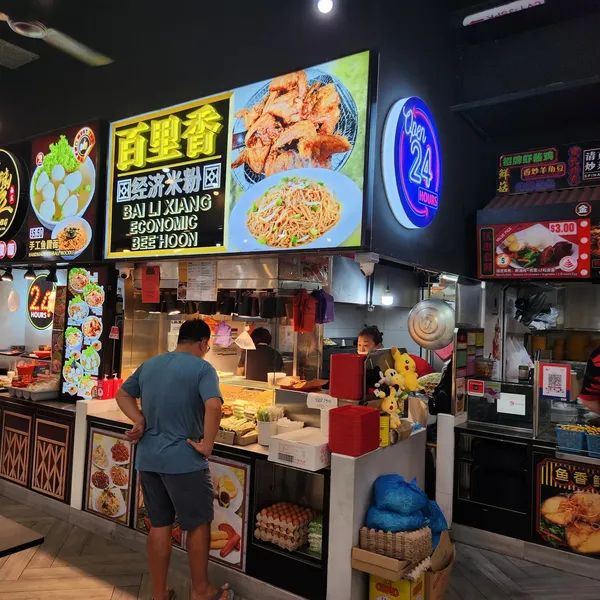
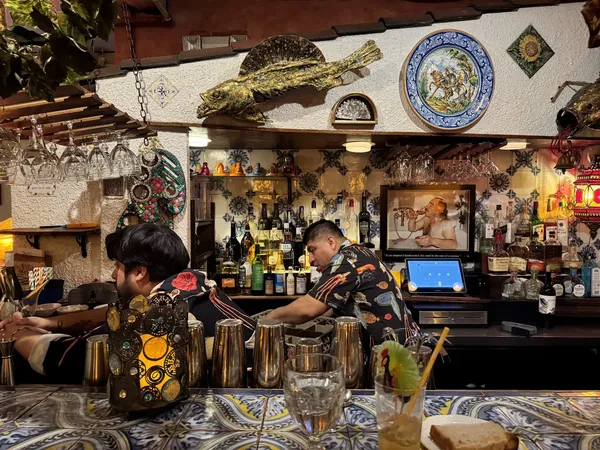
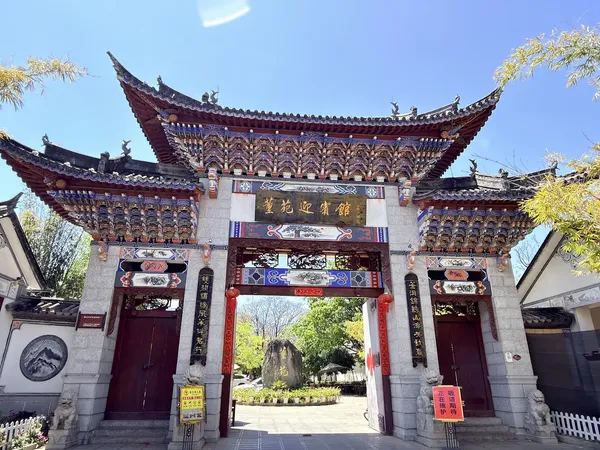
Dali dines on its mountain-and-lake setting. The Yunnan Province city, population 600,000 across the three districts of Dali Ancient Town, Xiaguan modern city, and the surrounding villages, sits on the western shore of Erhai Lake at the foot of the 4,000-metre Cangshan Mountain range. The cuisine is distinctly Bai (the local ethnic minority that has occupied this region for thousand-plus years and which still makes up over 60% of Dali's population), with signatures that exist nowhere else in China: rushan, the thin sheet-form fermented goat-milk dairy product locally called 'Yunnan cheese' that's grilled, fried or rolled-with-sugar; wild mushroom hot pot using the matsutake, porcini, and pine-mushroom that grow in the Cangshan forests; crossing-bridge noodles (guoqiao mixian), the high-altitude rice-noodle-and-broth dish that the broader Yunnan Province is famous for, with Dali's version being among the most traditional; and Bai-style erkuai, the steamed-rice-cake that's eaten with a soybean dipping sauce as breakfast or snack.
The dining map clusters in two zones. Dali Ancient Town (Dali Gucheng), the thousand-year-old walled-and-gated old quarter five kilometres north of the modern Xiaguan city, holds the iconic restaurants: Bailixiang and Jingjing Snack House for Bai cuisine, the Apricot Flower Restaurant for mixed Bai-and-Sichuan, Wo Zai Dali Deng Ni for wild-mushroom hot pot, plus dozens of smaller Bai-family kitchens along Renmin Lu and Foreigner Street. The Xiaguan modern city to the south holds the more presentable Cantonese-and-Sichuan rooms and the better hotel restaurants. The lakeside Xizhou village twenty minutes north holds the more rural Bai-cuisine kitchens, including the famous Xizhou erkuai market.
Reservations are not standard culture in Dali, most Ancient Town restaurants are walk-in only, but useful at the higher-tier kitchens during Chinese national holiday weeks (October Golden Week is the heaviest tourist period). English menus are universal in the Ancient Town tourist quarter and present-but-functional elsewhere.
Pair the food with a Yunnan-region rice wine (Erhai Lake's Yixiang and the Cangshan-Mountain Distilleries' Mibao are the two regional reference labels) or with a small flight of Yunnan teas (the prefecture is China's tea heartland, with the famous Pu'er tea aged in Cangshan-area cellars). The proper post-dinner anchor is the lakeside walk along Erhai Lake's eastern shore, the lake is genuinely beautiful at dusk and the cycling-and-walking path runs eight kilometres south from the Ancient Town.
Explore more: dining by occasion • all cities • dining guides
New — the nightly brief
Tonight in Dali, Yunnan →RFK Newsletter
We email you when a table worth booking opens in Dali, reviewed by our editors, never paid placements.