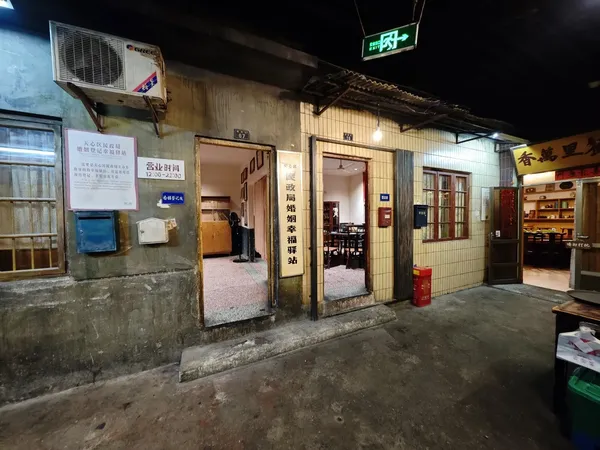
Changsha eats with chilli in one hand and an aluminium lunch box of crayfish in the other. This is the capital of Hunan, home to the spiciest serious cooking in China, and a city that treats dinner as a contact sport: fresh red chilli over almost everything, stinky tofu on every corner, and a night-snack culture that runs past midnight all summer. The fine-dining list here is short and specific. One hotel tasting room, one nine-floor Xiang banquet house, a restaurant pouring spicy chicken cubes since 1904, a skyline kitchen on top of a tower, and the cultural food complex that turned old Changsha into a stage. Five rooms, five very different nights.
How Changsha Eats
Changsha is the capital of Hunan and the home of Xiang cuisine (the regional cooking of Hunan province), the spiciest serious food tradition in China. The heat here comes from fresh red chilli and pickled chopped chilli (duo jiao, salted minced chilli) rather than the numbing peppercorn of Sichuan, so it lands sharper, hotter and drier. The dish every Xiang kitchen is judged on is duo jiao yu tou, a whole fish head steamed under a blanket of chopped chilli and finished with hot oil. Order it at West Lake Restaurant to see the form done properly.
The civic snacks matter as much as the banquet table. Stinky tofu (chou doufu, fermented bean curd) is the Changsha emblem: black squares fried crisp and dressed in chilli and garlic, made famous nationally at Huogongdian (the Fire Palace) on Pozi Street. In summer the city moves outdoors for kou wei xia, the spicy river crayfish eaten by the kilo late into the night on Pozi Street, Taiping Old Street and at the Donggua Hill night market.
Practical conventions are unlike the West. There is no tipping anywhere in mainland China, and a tip is never expected. Payment is mobile-first: WeChat Pay and Alipay QR codes settle almost every bill, with yuan cash as a fallback and foreign cards accepted mainly at international hotels such as the W Changsha and Niccolo. Reservations run through the Chinese apps Dianping and Meituan or by phone, not OpenTable or Resy. Kitchens are busiest from 17:30 to 19:30, though the crayfish houses and tofu stalls run to 2am in July and August. Tables are round with a lazy Susan, dishes are shared family-style, and dress is smart-casual; nowhere on this list needs a jacket.
Best Neighbourhoods for Dinner
Furong District and Wuyi Square. The downtown core around Wuyi Square (the city’s central commercial plaza) holds both the skyline and the institutions. Niccolo Kitchen sits at the top of the IFS Tower, one of the tallest buildings in central China, while the flagship of Yulou Dong has poured Xiang classics near Wuyi Avenue for more than a century.
Tianxin District and Taiping Old Street. The historic quarter south of Wuyi Square is the heart of the snack culture. Wenheyou, the seven-storey recreation of 1980s Changsha at Hisense Plaza on Xiangjiang Middle Road, is the easiest place to eat crayfish and stinky tofu in one stop, with Huogongdian on nearby Pozi Street for the historic version.
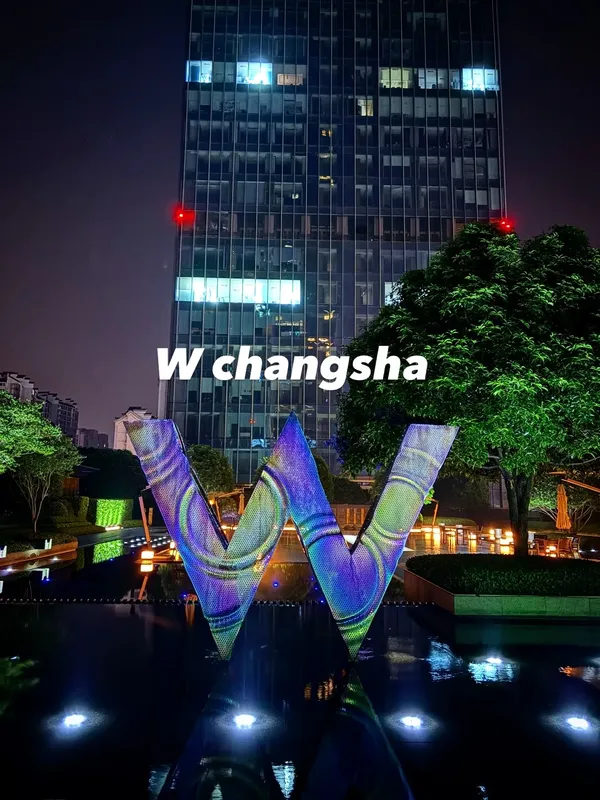
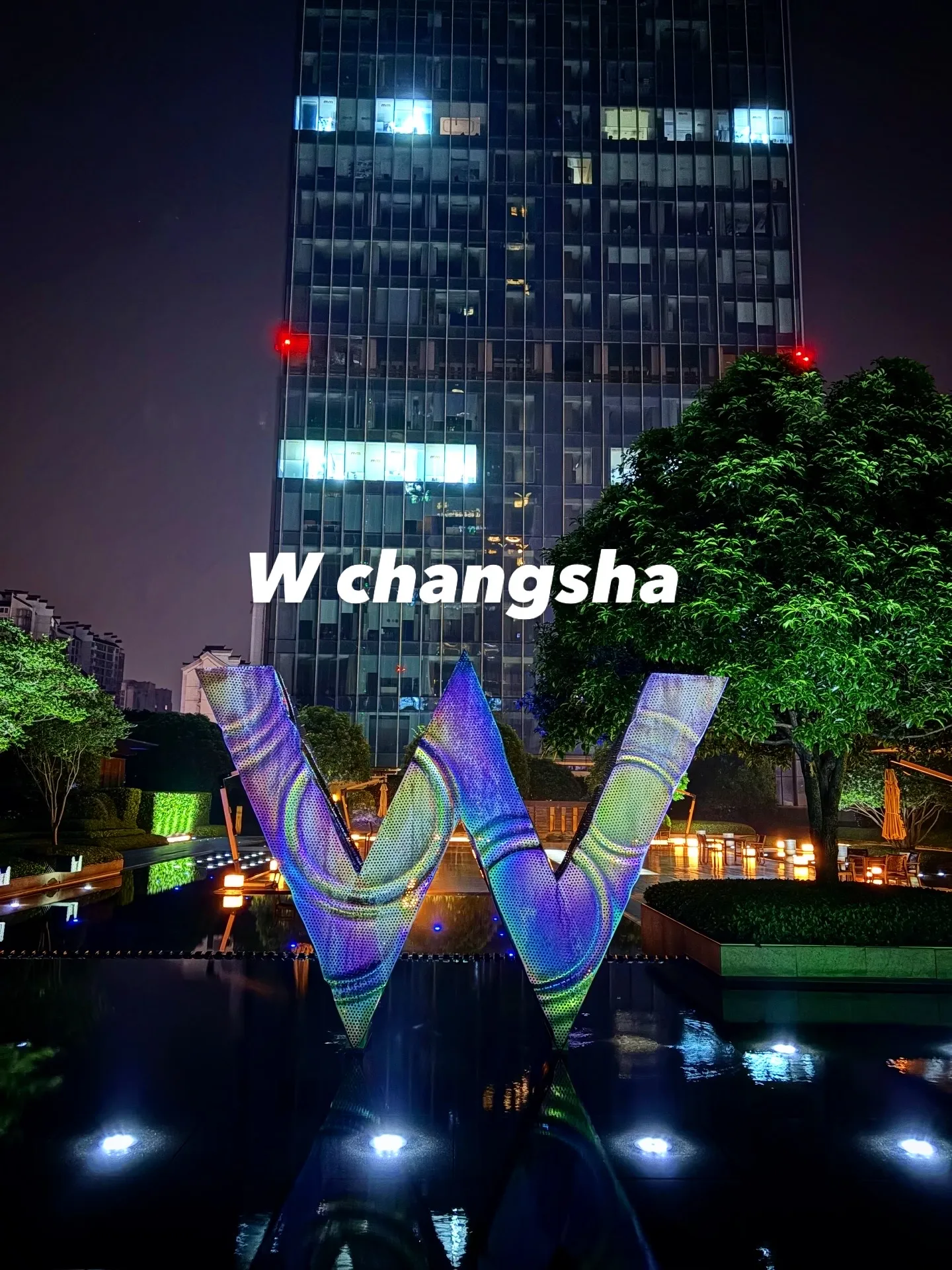
Yuhua District. The district on the city’s eastern reach, toward the high-speed-rail station, carries its most polished hotel dining. SHINN YEN, inside the W Changsha, is the city’s most ambitious contemporary-Hunan room.
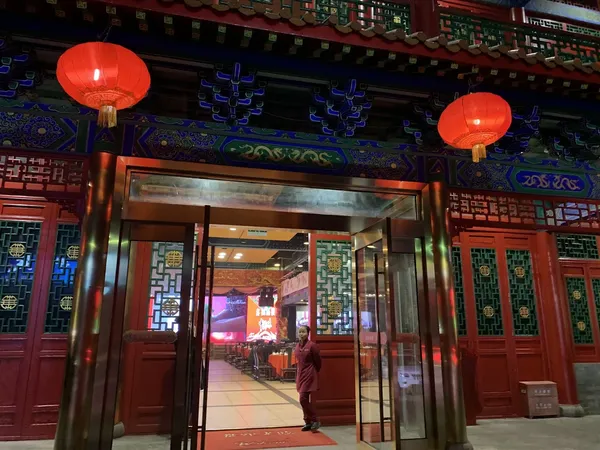
Yuelu District. Across the Xiang River on the west bank, home to Hunan University, Yuelu Mountain and the Orange Isle, the district mixes student energy with serious banquet houses. West Lake Restaurant (Xihu Lou) is the multi-storey Xiang institution locals book for a formal table here.
The Changsha Top 5, Ranked
Five restaurants carry this city, ranked by the cooking, the room and the value they return rather than by reputation alone. Each verdict stands on its own; no two of these rooms do the same job.
1. SHINN YEN
The most polished kitchen in the city, plating Hunan’s fierce flavours with hotel-fine-dining precision. Book it to impress a client.
2. West Lake Restaurant
A nine-floor Xiang banquet house scoring 9.0 for food, where the chopped-chilli fish head is the benchmark. Go for a celebration.
3. Yulou Dong
Open since 1904 and the room that gave Changsha its spicy chicken cubes; eat here for the living history of Xiang cuisine.
4. Niccolo Kitchen
A skyline all-day room atop the IFS Tower cooking Hunan and Western dishes side by side. Reserve a window for a first date.
5. Wenheyou
Seven floors of restored 1980s Changsha serving crayfish in lunch boxes and stinky tofu by the tray. Come for the experience.
Best Restaurants in Changsha by Occasion
Best for Impressing Clients and Closing a Deal
A business table in Changsha wants a room that signals seriousness and a kitchen that can dial the chilli to a guest’s tolerance. The hotel rooms and the formal banquet houses do this best.
SHINN YEN at the W Changsha Niccolo Kitchen on the IFS Tower West Lake Restaurant · See the full Best for Impressing Clients guide and Best for Closing a Deal guide.
Best for a First Date
A Changsha first date works best with a view or a sense of theatre and a bill that stays light. Skip the loudest crayfish halls and pick a room you can actually talk in.
Niccolo Kitchen West Lake Restaurant SHINN YEN · See the full Best for a First Date guide.
Best for a Birthday or Celebration
A Changsha celebration runs long, loud and generous, so the round banquet table is the point. These rooms take a big group and a lazy Susan piled with Xiang classics without blinking.
West Lake Restaurant Yulou Dong Wenheyou · See the full Best for a Birthday guide and Best for a Team Dinner guide.
Best for Solo and Casual Eating · and where not to bother
Eating alone in Changsha is easy and cheap, because the best snacks are built for one. A bowl, a box of crayfish and a tray of tofu need no reservation and no company. Skip SHINN YEN for a solo lunch, though, the hotel tasting format is wasted on a table for one.
Wenheyou Yulou Dong · See the full Best for Solo Dining guide.
Changsha Dining: Frequently Asked Questions
What is the best restaurant in Changsha?
SHINN YEN at the W Changsha in Yuhua District ranks first for 2026, the city's most polished contemporary-Hunan room and its only true four-dollar-sign fine-dining table. Behind it sit West Lake Restaurant, a nine-floor Xiang banquet house in Yuelu District, and Yulou Dong, an institution pouring spicy chicken cubes since 1904. For a skyline view, Niccolo Kitchen tops the IFS Tower.
What food is Changsha known for?
Changsha is the capital of Hunan and the home of Xiang cuisine, the spiciest serious cooking in China. The civic dishes are stinky tofu (chou doufu), the black fermented squares fried and dressed in chilli-garlic sauce, and spicy river crayfish (kou wei xia), eaten by the kilo on summer nights. Steamed fish head under chopped salted chilli (duo jiao yu tou) is the dish every Xiang kitchen is judged on.
How spicy is Hunan food in Changsha?
Very. Hunan cooking leans on fresh red chilli and pickled chopped chilli rather than the numbing peppercorn of Sichuan, so the heat is sharper, hotter and drier. Changsha is widely held to be the spiciest food city in China. Ask for the heat dialled down (wei la, meaning mild) at fine-dining rooms such as West Lake Restaurant; the street stalls will not adjust, and the crayfish houses least of all.
Do you need a reservation to eat well in Changsha?
For the top rooms, yes. SHINN YEN at the W Changsha and the private banquet rooms at West Lake Restaurant book out on weekends and around holidays. Reservations run through the Chinese apps Dianping and Meituan or by phone, not OpenTable or Resy. Wenheyou takes no bookings: you draw a queue ticket on the app and wait, often an hour or more on a Saturday night.
How much does dinner cost at a top Changsha restaurant?
A full dinner with drinks at SHINN YEN, the city's priciest room, runs to the equivalent of a Western fine-dining bill, in the four-dollar-sign band. West Lake Restaurant and Niccolo Kitchen sit mid-range at three signs, roughly a few hundred yuan a head. Yulou Dong is cheaper still, and a plate of crayfish and stinky tofu at Wenheyou costs a fraction of any of them.
Where should I try stinky tofu and crayfish in Changsha?
Wenheyou, the seven-storey recreation of 1980s Changsha at Hisense Plaza in Tianxin District, is the easiest single stop: its Old Changsha crayfish arrive in vintage aluminium lunch boxes, and the stinky-tofu stalls run all night. For the historic version, Huogongdian (the Fire Palace) on Pozi Street has fried stinky tofu going back generations. Taiping Old Street is the other late-night hunting ground.
Can I pay with a foreign credit card in Changsha?
Rarely, and you should not count on it. Changsha runs on mobile QR payment: WeChat Pay and Alipay, both of which now link to international cards for visitors. Cash in yuan is accepted everywhere as a fallback, but foreign Visa and Mastercard swipes work mainly at international hotels such as the W Changsha and Niccolo. Set up a mobile wallet before you arrive.
What should I wear to dinner in Changsha?
Smart-casual covers every restaurant in the city, and nothing on this list requires a jacket. SHINN YEN and Niccolo Kitchen, both inside international hotels, are the dressiest rooms, where a collared shirt or a simple dress fits the setting. West Lake Restaurant and Yulou Dong are banquet houses where comfort beats formality, and Wenheyou is street food in a theme park.
Nearby & Related
Carry on across central and southern China: restaurants in Wuhan, north by high-speed rail; where to eat in Chongqing for the other great chilli capital; the best restaurants in Guangzhou; and dining in Shenzhen. For the tradition that defines Changsha’s tables, see our best Chinese restaurants.
Best Restaurants in Changsha
Five essential tables, ranked by occasion.
$ Under $20pp$$ $20–40pp$$$ $40–90pp$$$$ Over $90pp