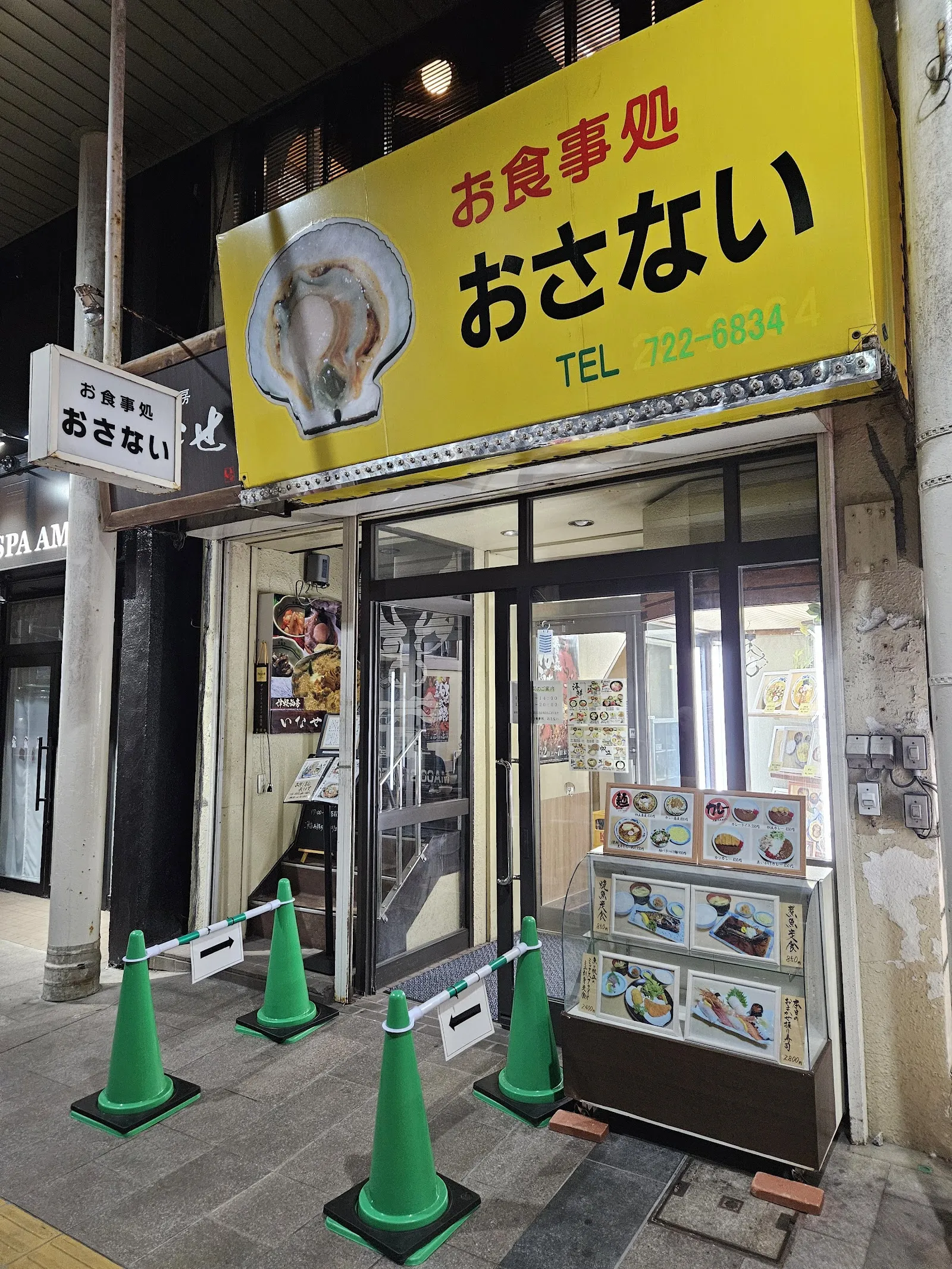
Northernmost Honshu's apple-and-tuna capital. Oma bluefin from the Tsugaru Strait, Mutsu Bay scallops, Tsugaru-shamisen izakaya nights, and the country's best build-your-own seafood-bowl market.
Every table ranked, verdicts written, occasions assigned. Use the occasion filter above to narrow by your dining purpose.
$ under $40 · $$ $40–$80 · $$$ $80–$150 · $$$$ $150+ per person
Aomori dines at the top of Honshu. The Tohoku-region capital of 270,000 sits at Japan's northernmost main-island tip, separated from Hokkaido by the Tsugaru Strait. And the strait gives the city its central food story: the Oma bluefin tuna, caught in the strait's deep cold currents and considered Japan's premium tuna grade (a single Oma tuna sold at Tokyo's Toyosu Market in January 2019 for ¥333 million, the all-time record). Beyond tuna, the prefecture is the country's largest apple producer (60% of Japan's domestic output), and the apple-cuisine layer. Apple pie at Cafe de Refrain, apple-cider distilleries in Hirosaki, apple-glazed pork at the better izakayas. Runs alongside the seafood story year-round.
The dining map clusters in two zones. The Aomori Gyosai Center morning fish market. Better known as the 'Nokkedon Market'. Sits four blocks west of Aomori Station and is the city's central food destination: more than thirty vendors selling individual sashimi pieces, where visitors buy tickets (¥170 each, or ¥2,000 for twelve) and assemble their own seafood bowls from whichever vendor's day-fresh catch they choose. The downtown Shinmachi shopping arcade and the Yasukata-dori entertainment quarter hold the formal sushi rooms, the izakaya scene, and the ryotei serving Tsugaru kaiseki.
Reservations matter at the better sushi rooms (a week ahead) and at the Tsugaru kaiseki rooms; the Nokkedon Market and izakayas are walk-in friendly. The Aomori Nebuta Festival in early August is the city's biggest annual event and books restaurants months in advance; outside that week, weekend reservations a few days ahead are usually enough.
Pair the food with Aomori's local sake. Hachinohe-Shuzo's Mutsu-Hassen and the locally famous Tatsuriki-Aomori labels are dry-and-clean Tohoku styles that pair well with raw fish. The proper post-dinner anchor is a Tsugaru-shamisen izakaya: Sutaminagen and Joppari are the two reference rooms with live shamisen sets through the evening (typically 7pm and 9pm). Cap the night with a stop at Aomori-style 'kuro-ninniku' (black garlic). The prefecture's signature fermented-garlic snack. At a station-area convenience store on the walk back.
Explore more: dining by occasion • all cities • dining guides