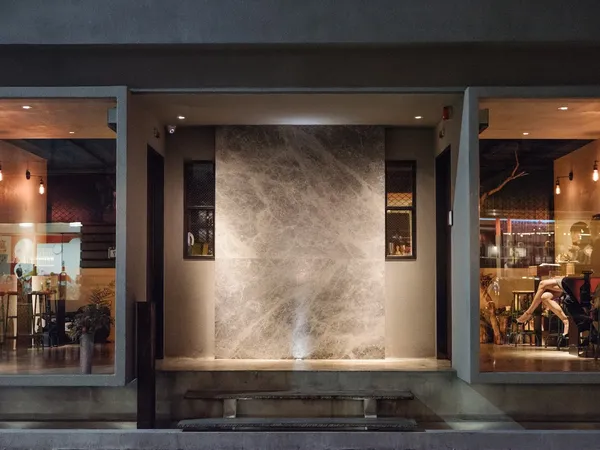
"Kai Ho's three-Michelin-star modern Taiwanese — book Taïrroir in Zhongshan to propose over the Pu'er egg and mashed-taro sakura shrimp."
About Taïrroir
Taïrroir sits on the sixth floor on Lequn 3rd Road in the Dazhi area of Taipei's Zhongshan District. Chef Kai Ho, from Taichung, opened it in 2016, earned his first Michelin star in 2018 and a second in 2019, and went on to make it the world's first modern-Taiwanese restaurant to hold three Michelin stars.
It sits among Taipei's finest tables. Compare the modern RAW, the Japanese-influenced MUME and the Cantonese Le Palais, or browse the wider fine-dining picks.
The Kitchen
Kai Ho's nine-course tasting menu threads Taiwanese ingredients and cultural reference through French technique, with dishes named to echo local idioms. The Pu'er organic egg — a tea-infused egg with runny yolk, dried radish, crispy tuile and chicken porridge — recalls childhood tea eggs at highway rest stops; the mashed taro with sakura shrimp is the course critics return to, a Taiwanese staple treated with fine-dining precision.
It is a Taipei special-occasion spend: tasting menus only, lunch from NT$5,880 and dinner from NT$8,880, plus a 10% service charge, with drinks extra.
The Room
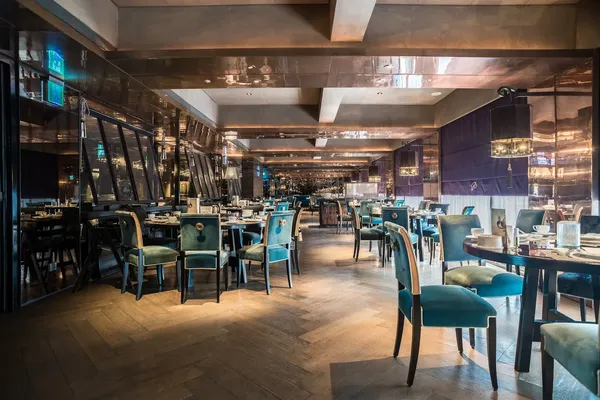
The room pairs a Western fine-dining setting with an open kitchen, calm and contemporary, where the courses arrive with their stories. Service is polished and fluent in the menu's references and its wine and tea pairings. The pace is unhurried — set aside an evening — and the mood quietly grand. Book well ahead.
Not for
Not for a casual, quick or budget meal — Taïrroir is a tasting-menu-only three-star room built for a long, dressed-up evening, not a spontaneous bite.
Frequently Asked
What is Taïrroir known for?
It is chef Kai Ho's three-Michelin-star restaurant in Zhongshan, Taipei — the world's first modern-Taiwanese kitchen to hold three stars — known for the Pu'er organic egg and the mashed taro with sakura shrimp.
Who is the chef at Taïrroir?
Kai Ho, a Taichung native who opened Taïrroir in 2016; he won his first star in 2018, a second in 2019 and a third soon after.
How much does Taïrroir cost?
It serves tasting menus only: lunch from NT$5,880 and dinner from NT$8,880, plus a 10% service charge, with drinks extra.
What should I order at Taïrroir?
There is one set tasting menu; the signatures are the Pu'er organic egg with runny yolk and the mashed taro with sakura shrimp.
Where is Taïrroir?
On the sixth floor at No. 299, Lequn 3rd Road, in the Dazhi area of Zhongshan District, Taipei.
Reserve a Table →
Reserve a Table
Reserve at Taïrroir
Book via the restaurant; tables release in advance and go quickly.
Affiliate disclosure: Restaurants for Kings may earn a commission when you book through our reservation links, at no cost to you. Our scores are editorial and never paid for.
Practical Information
Address6F, No. 299, Lequn 3rd Rd, Zhongshan District, Taipei City 104
NeighbourhoodOn the sixth floor on Lequn 3rd Road in the Dazhi area of Zhongshan District, Taipei
CuisineTaiwanese
PriceTasting menus only; lunch from NT$5,880 and dinner from NT$8,880, plus a 10% service charge, drinks extra
Dress CodeSmart; smart casual at a minimum
SeatingA dining room with an open kitchen; tasting menu only; book well ahead
ReservationBook well ahead; tasting menus only, lunch and dinner