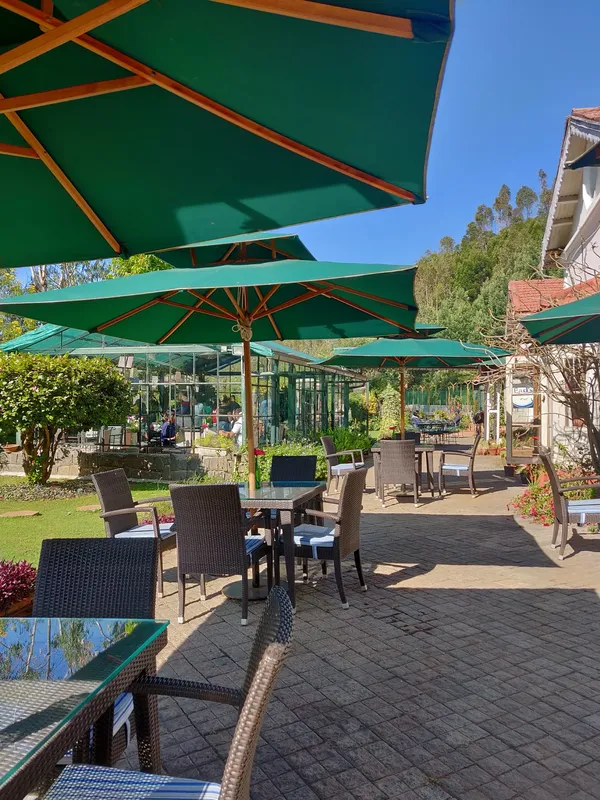
Tamil Nadu's UNESCO Nilgiri-Hills hill station, the Toy Train, the British-colonial Botanical Garden, Earl's Secret colonial-fine-dining and Place to Bee's quirky cafe charm, Ooty's dining scene serves both Indian-traveller families and Western colonial-architecture pilgrims.
Ooty sits at 2,240 metres, the highest town in Tamil Nadu and the old summer capital the British built to escape the plains. That altitude is the whole story of how it eats: evenings are cold every month of the year, the Toy Train still climbs in from Mettupalayam most mornings, and the dining room that matters most is a colonial hotel on a hill rather than a glass tower. The list is short and honest. One genuine fine-dining room, one scenic terrace, a serious biryani house, a kebab counter and a honey-themed cafe, all within a few kilometres of Charing Cross.
How Ooty Eats
Ooty (Udhagamandalam) is a hill resort, not a restaurant city, so plan around the season rather than the clock. The peak runs April to June, when families flee the Chennai and Bengaluru heat, and again over Christmas and New Year; in those windows the better tables fill and a phone call ahead saves you a wait. The rest of the year most rooms take walk-ins, and only the hotel dining rooms such as Earl's Secret at King's Cliff bother with formal bookings.
Kitchens here close early. This is a quiet town that sleeps with the cold, so aim to be seated by 21:00; many places wind down by 22:00, and lunch carries real weight because of the day-trippers coming off the Botanical Garden and Ooty Lake. There is no dress code anywhere, but carry a jacket every night of the year for the temperature, not the formality. Tipping runs about 5 to 10 percent at sit-down restaurants, and some add a service charge to the bill, so check before you double up.
A word on drink: Tamil Nadu controls liquor through the state TASMAC system, and licensed bars are mostly confined to hotels, so a proper wine-with-dinner evening points you toward King's Cliff. The produce to look for is local: Nilgiri tea, eucalyptus and wildflower hill honey (the thread running through Place to Bee's menu), homemade chocolates, the brittle local biscuit called varkey, and cold-climate vegetables you will not find this fresh down on the plains.
Best Neighbourhoods for Dinner
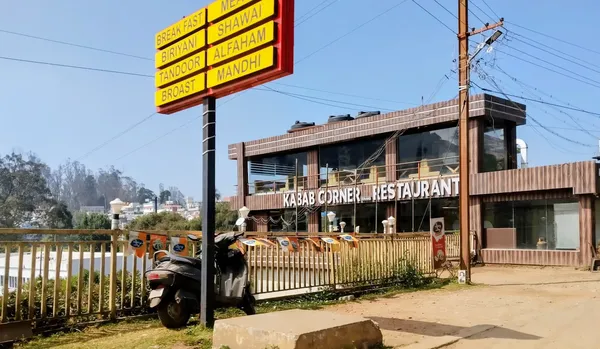
Charing Cross. The central junction and the closest thing Ooty has to a dining strip, walkable from most town-centre hotels. Kabab Corner works the kebab-and-Indian-Chinese end here, and Place to Bee runs its honey-themed cafe a short stroll away. This is where you eat when you do not want to drive after dark.
Havelock Road and the Club quarter. The old colonial address, set above the town on a hill. King's Cliff Hotel sits here, and with it Earl's Secret, the one room in Ooty laid out for a long, candlelit dinner with valley views.
Ooty Lake and Lake Avenue. Down by the boathouse, this is daytime territory, busy with families.
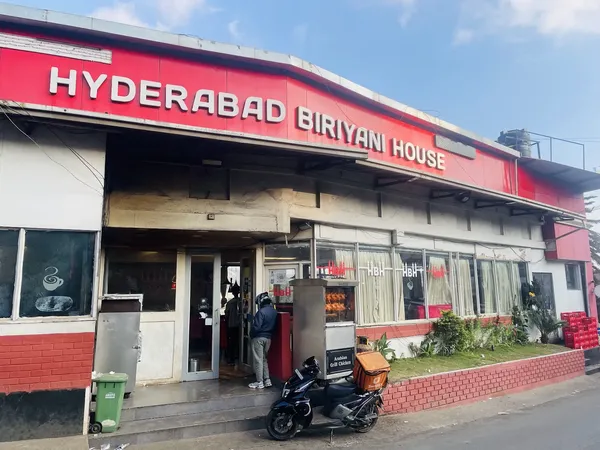
Walsham Road. A workaday residential road rather than a scenic one, which is exactly why Hyderabad Biryani House can put the rice first. Come here for one dish rather than an evening.
Commercial Road and the bazaar. The market spine for tea, chocolate and varkey shops more than sit-down dinners; RFK has no full review here yet, but it is the address for stocking up on Nilgiri produce to take home.
The Ooty Top 4
Five restaurants carry enough quality to rank, and we list them in order of how confidently we would send a reader. Each verdict is its own; nothing is recycled from the card above it.
1. Earl's Secret — Havelock Road · Colonial Fine Dining / Continental · $$$. The only room in town built for a dress-up dinner, with the Nilgiri Hills in every window. Book it for an anniversary.
2. Hyderabad Biryani House · Walsham Road · Hyderabadi Biryani / Andhra · $$. One dish, taken seriously: dum Hyderabadi biryani at 2,200 metres. Go when you want a big, satisfying plate.
3. Kabab Corner · Charing Cross · Indian-Chinese Fusion / Kebabs · $$. Kebabs and Indian-Chinese plates, veg and non-veg, in a warm central room. Book it for a casual group dinner.
Best for the Occasion
For a romantic dinner or proposal
Ooty has exactly one room with the lighting, the privacy and the view to carry a proposal, and it is not a close contest. The hill setting does half the work; you just need a window seat.
Bigger, easier tables where nobody has to whisper and the bill stays in two figures per head. These are the rooms for a group coming off a day of sightseeing.
The four tables worth planning around are Earl's Secret for colonial fine dining at King's Cliff Hotel, Hyderabad Biryani House on Walsham Road for biryani, Kabab Corner at Charing Cross for kebabs, and Place to Bee for a honey-themed cafe stop. Earl's Secret is the only proper dress-up dinner in town; the rest are casual.
Does Ooty have fine-dining restaurants?
Yes, but only one in the full sense. Earl's Secret, inside the heritage King's Cliff Hotel on Havelock Road, is Ooty's single colonial-style fine-dining room, with high ceilings, a period chandelier, window booths and continuous views across the Nilgiri Hills. A multi-course dinner for two runs roughly Rs 2,500 to 4,000. Everywhere else in town is mid-range or casual, so save the dress-up evening for here.
Do I need to book a restaurant in Ooty in advance?
Most of the time, no. Outside the hotel dining rooms, Ooty restaurants run on walk-ins and a short wait at worst. The exception is peak season, April through June and the Christmas-New Year fortnight, when families pack the town and a call ahead to a place like Earl's Secret is worth it. Aim to arrive by 21:00 in any case, because kitchens here close early.
What food is Ooty famous for?
Ooty is known more for produce than for a signature dish. The Nilgiri Hills give you some of India's best tea, eucalyptus and wildflower honey, homemade chocolates and a brittle local biscuit called varkey. On the plate, expect colonial-era Continental cooking, South Indian staples and good biryani rather than a single regional cuisine. Place to Bee leans into the local honey across its menu.
How much does dinner cost in Ooty?
Less than almost any hill station of its fame. A casual dinner at Kabab Corner, Place to Bee or Hyderabad Biryani House runs roughly Rs 400 to 800 a head. The one splurge is Earl's Secret, where a full multi-course meal for two lands around Rs 2,500 to 4,000 including starters, mains and dessert. Tipping is about 5 to 10 percent, and some bills already carry a service charge.
Which is the best restaurant in Ooty for a romantic dinner?
Earl's Secret, without much competition. Its four window-side private booths at King's Cliff Hotel look straight out over the valley, the lighting is low and the colonial room is quiet enough to talk. See more options on our guide to a romantic first date in Ooty.
Can you get good biryani in Ooty?
Yes. Hyderabad Biryani House on Walsham Road is the single-dish specialist, serving dum-style Hyderabadi biryani and Andhra plates at hill-station prices. It is a workaday room rather than a scenic one, so go for the rice and the value rather than the setting. Expect to pay around Rs 400 to 600 a head, and it suits a hungry group well.
When is the best time to visit Ooty for food?
April to June is the liveliest stretch, when the town is full and every kitchen is open, though it is also the most crowded and you should book the better tables ahead. The cooler months from September to March are quieter and easier to walk into, with cold evenings that make a warm room and hot food especially welcome. Either way, eat early.
All Restaurants in Ooty
Every table ranked, verdicts written, occasions assigned. Use the filter above to narrow by your dining purpose.
$ under $40 · $$ $40–$80 · $$$ $80–$150 · $$$$ $150+ per person