"The Morioka counter that invented jajamen, bowls from 630 yen and a chiitantan finish — try it once, solo, at the source."
7Food
6Ambience
9Value
About Pairon
Takashina Kankatsu opened Pairon as a Morioka food stall after the war, copying a noodle dish he had eaten in Manchuria. Seventy years on it is the birthplace of jajamen, one of Morioka's Three Great Noodles, and still a plain counter on Uchimaru where a bowl of flat noodles under secret meat-miso starts at 630 yen. This is the cheap end of the best Japanese restaurants map and proud of it: one dish, a two-stage ritual, no frills. Read the verdict, then weigh it against the rest of Morioka dining.
The Kitchen
The founder is the dish. Takashina Kankatsu started Pairon (written Hakuryu) at a postwar food stall, basing his jajamen on a noodle he had tasted in Manchuria before the war, and from that stall grew an institution with four Morioka locations and a place in the city's Three Great Noodles canon. The signature, and effectively the only thing to order, is the jajamen: thick, flat, chewy noodles buried under the shop's secret miso of ground meat, shiitake and more than a dozen other ingredients, with cucumber and scallion, mixed hard at the counter before the first bite. The second act is the part outsiders miss. You crack the raw egg the counter hands you into the leftover bowl, return it, and the staff pour in the hot noodle water to make chiitantan, a quick egg soup, for 50 yen. Pricing is the whole argument for the place: 630 yen small, 730 medium, 840 large, 580 for children. It is humble food and an acquired taste, which is why it earns a try-it-once rather than a fly-in. For the cold-noodle counterpart, the reimen at Azumaya Honten rounds out the Morioka noodle crawl. Our seven signs of a great restaurant bend for institutions like this.
The Room
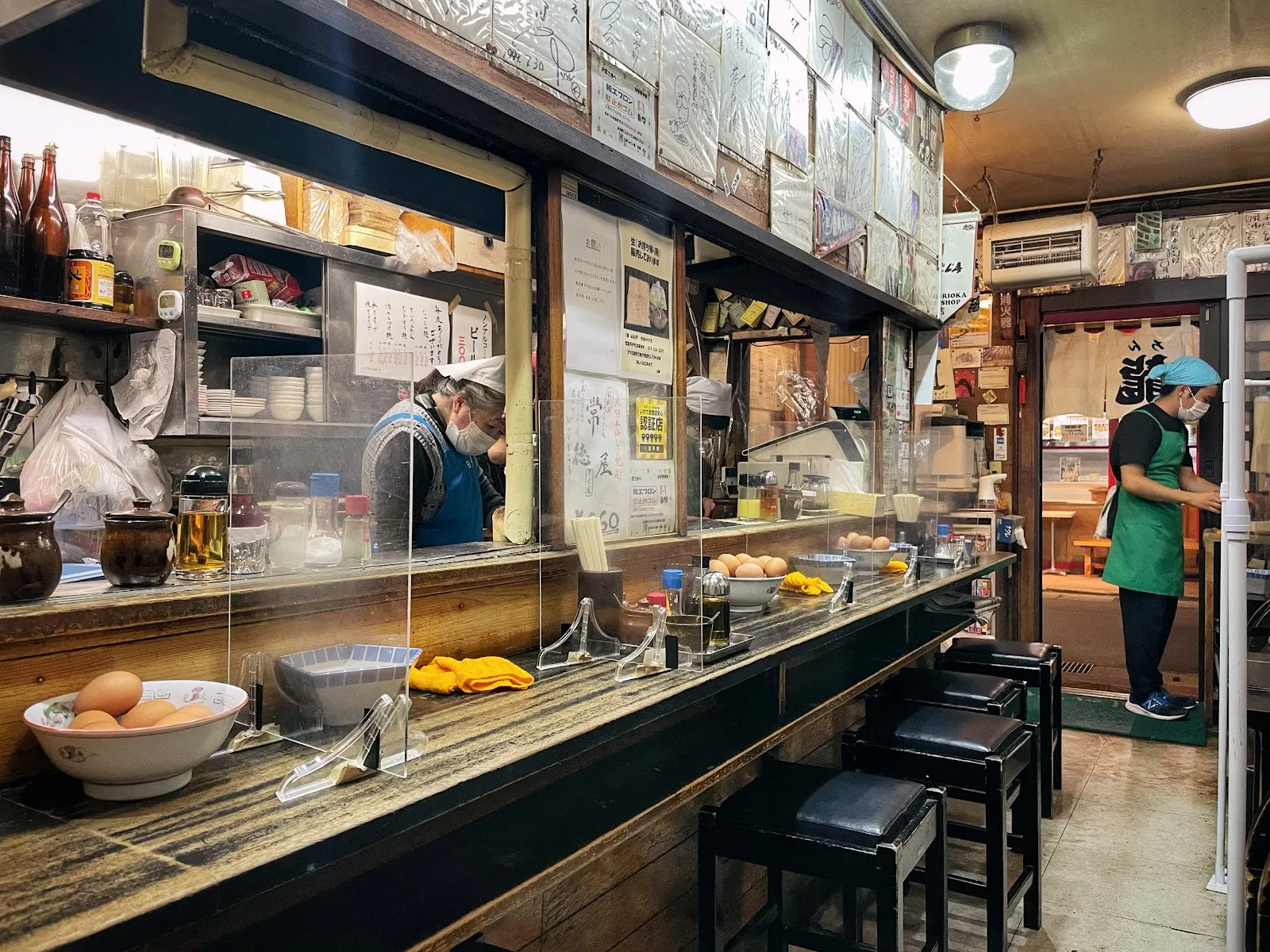
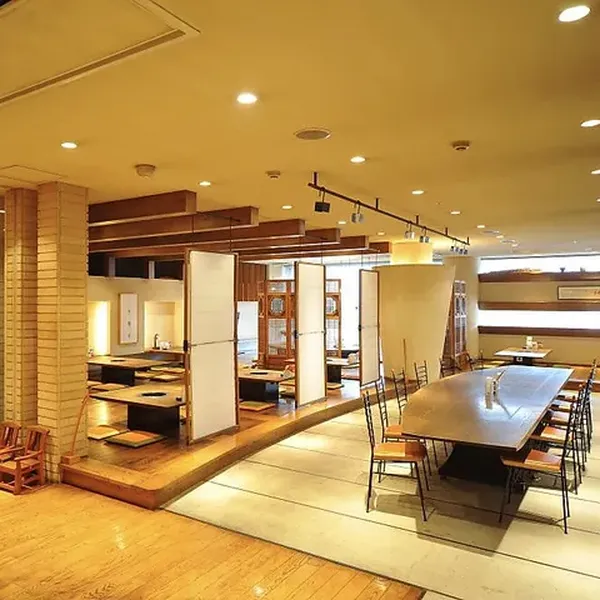
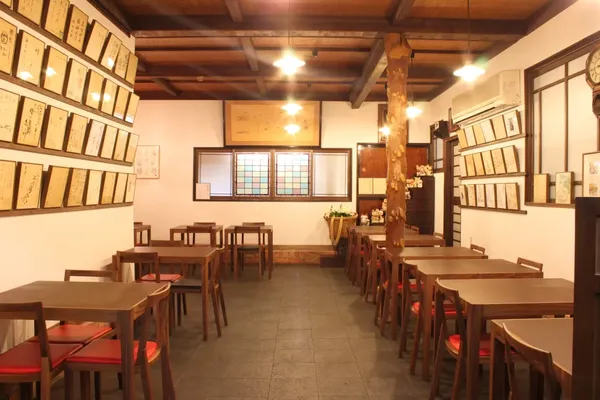
Do not come for the room. Pairon's Uchimaru main store is a plain, functional noodle counter: bright, utilitarian lighting, stools and tables built for turnover, the sound a steady clack of bowls and slurping. There is no dress code and no ceremony beyond the jajamen ritual itself. Seating is tight and the queue is part of the experience, especially when tour buses land at lunch. It opens at 09:00, the line moves fast because the kitchen makes one thing, and a solo diner is in and out inside twenty minutes.
Best for Solo Dining
Eat here solo because the counter, the single dish and the fast queue are built for one: you mix, slurp and finish with chiitantan without needing a companion or a conversation. A business traveller with an hour can detour from Morioka Station, eat at the source of jajamen, and be back at work in twenty minutes. It doubles as a quick team lunch when colleagues want the local rite. For a sit-down client meal, the business-lunch picks point to calmer rooms.
Not for
Not for a date or a leisurely dinner; it is a plain, queue-and-turnover counter serving one acquired-taste dish, and lingering is neither encouraged nor really possible.
Frequently Asked
Is Pairon worth it?
Yes, as a cheap pilgrimage rather than a grand meal. Pairon is where jajamen was invented, and a bowl of the flat noodles under the shop's secret meat-miso costs from 630 yen. The taste is acquired, the room is plain, and the ritual is half the point. If you eat one bowl of jajamen in Japan, eat it at the source; for comfort and polish, look elsewhere in Morioka dining.
How hard is it to book Pairon?
You do not book; Pairon is a walk-in counter that opens at 09:00 at the Uchimaru main store. Queues form at lunch and when tour buses arrive, but the line moves because the menu is essentially one dish and the turnover is fast. Go early or mid-afternoon to avoid the wait. There are four Pairon locations in Morioka if the main store is mobbed.
What is jajamen and how do you eat it at Pairon?
Jajamen is flat, chewy noodles topped with the shop's secret meat-and-shiitake miso, cucumber and scallion; you mix it hard before eating. At the end, crack the raw egg the counter gives you into the bowl, hand it back, and they add the noodle water to make chiitantan, an egg soup, for 50 yen. The two-stage ritual is the Pairon experience, not an optional extra.
What is the average price at Pairon?
Cheap. A bowl of jajamen runs 630 yen small, 730 yen medium and 840 yen large, with a 580-yen children's size, and the chiitantan finish adds 50 yen. Even with a drink you will struggle to spend more than 1,000 yen a head, which is why the value score here is the highest on this page. Cash is king at the counter.
Is Pairon good for solo dining?
Yes, try it solo. A counter, one dish and a fast queue make Pairon ideal for an unaccompanied lunch where you mix, slurp and finish with chiitantan in twenty minutes. It is the everyday opposite of a tasting menu. For a slower solo seat in Morioka, the reimen at Pyon Pyon Sha is the other noodle to chase.
Walk-in only, no reservations. Opens 09:00; expect a lunch queue. Cash preferred.
Affiliate disclosure: Restaurants for Kings may earn a commission when you book through our reservation links, at no cost to you. Our scores are editorial and never paid for.