#2 in Leh
Bon Appetit
Birthday
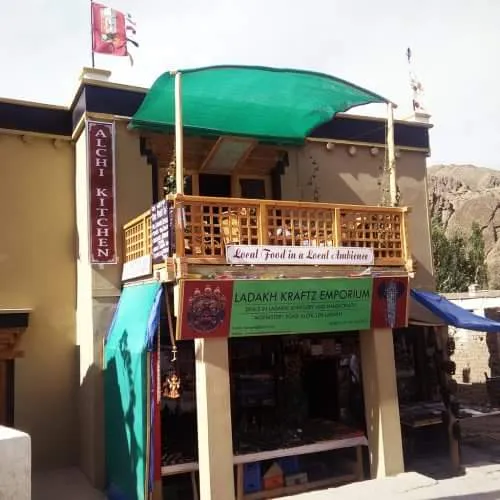
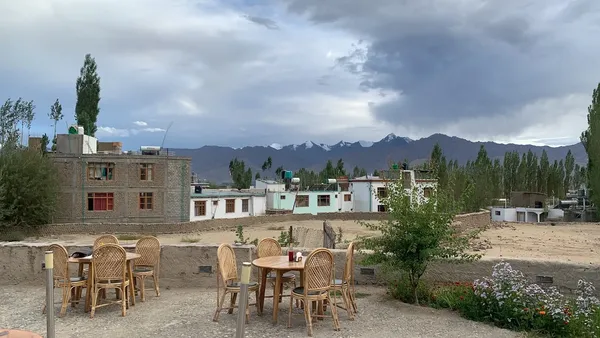
The Leh Main Bazaar rooftop restaurant, Indian-Chinese-Continental fusion, mountain views from the upper-floor seating, the city's most-recommended single rooftop dining anchor.
Food 8.7
Ambience 9.4
Value 9.0
India's high-altitude Tibetan capital, Leh sits at 3,500 metres in the Ladakh region, with Tibetan momos and thukpa as the daily food, and a small but serious cluster of restaurants that have made the city's main bazaar a Himalayan dining destination.
Every table ranked, verdicts written, occasions assigned. Use the occasion filter above to narrow by your dining purpose.
$ under $40 · $$ $40–$80 · $$$ $80–$150 · $$$$ $150+ per person
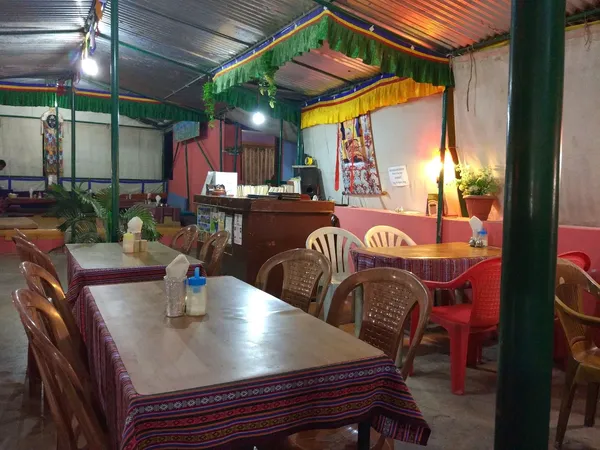

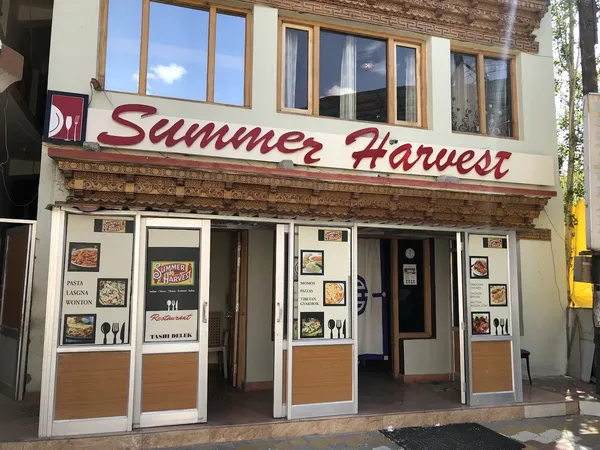

Leh dines on the Tibetan plateau. The Ladakh-region capital, population 32,000, sitting at 3,500 metres in the trans-Himalayan high desert of northern India, has a cuisine that's fundamentally Tibetan rather than Indian: momos (the steamed-or-fried Tibetan dumpling, eaten with a tomato-and-chili sauce or a peanut-and-soy dip), thukpa (the Tibetan noodle-soup with vegetables and meat), butter tea (the salty yak-butter-and-tea drink that's the regional thirst-quencher), tsampa (the roasted-barley flour that's the staple grain), and a handful of regional Ladakhi specialties like skyu (the chunky-pasta soup with mountain vegetables) and chhutagi (the bow-tie-pasta soup). The city's restaurant scene is small but distinctive, most travellers visiting are coming to Leh as the gateway to Pangong Lake, Khardung La pass, and the surrounding Buddhist monasteries, and the dining anchors that scene.
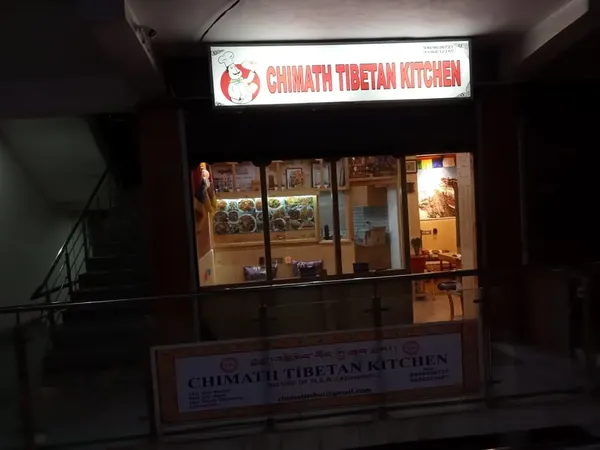
The dining map clusters in two zones. Leh Main Bazaar, the central pedestrian street running through the city centre, holds the iconic restaurants: Bon Appetit (the rooftop-view favourite), Tibetan Kitchen (the authentic Tibetan-cuisine specialist), Wonderland Restaurant (the all-ages family-dining anchor), Namza Dining (the Ladakhi-revival kitchen on Zangsti Road), and Summer Harvest (the casual Tibetan-Chinese combination). The Changspa Road area south-west of the Main Bazaar holds the more contemporary cafe scene, including the city's growing Western-cuisine and traveller-cafe options.
Reservations are not standard culture in Leh, most restaurants are walk-in only. The city's restaurant rhythm starts mid-morning (most travellers arrive from acclimatisation rest before going trekking), peaks at lunch (12-2pm), and quiets early, most kitchens close by 9pm given the high-altitude tourist rhythm and the limited summer-only operation (the city's tourist season runs May to September; most restaurants close from October-April). English menus are universal at all the central tourist-tier restaurants.
Pair the food with butter tea (Po Cha), the Tibetan salty-and-savoury tea that's served in small wooden bowls and is the region's traditional thirst-quencher, or with one of the Indian and Western beers (the local Mt Khang lager is the regional brew). The proper post-dinner anchor is a walk to Shanti Stupa or the Leh Palace observation point, both are within twenty minutes' walk from the Main Bazaar and offer the best mountain-and-city views.
Explore more: dining by occasion • all cities • dining guides
Shimla • Dharamshala • Kathmandu • Lhasa
New — the nightly brief
Tonight in Alchi, Leh District →RFK Newsletter
We email you when a table worth booking opens in Leh, reviewed by our editors, never paid placements.