#2 in Dharamshala
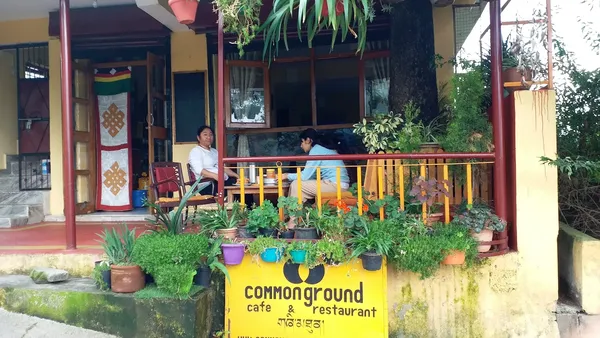
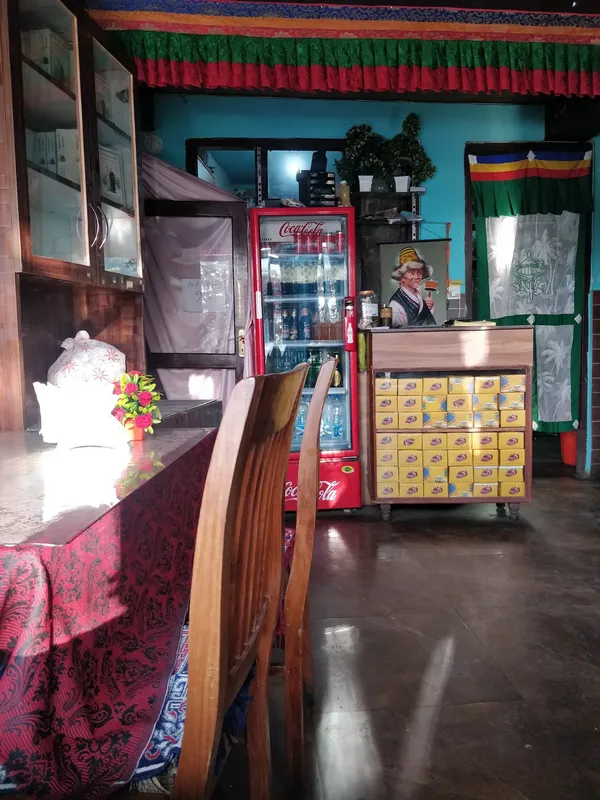
Common Ground Café
First Date
The McLeod Ganj cultural hub cafe, Tibetan-Chinese fusion menu in a relaxed meeting-place atmosphere, the city's reference single-cafe daytime-and-evening anchor.
Food 9.0
Ambience 9.3
Value 9.0
India's Tibetan-exile capital, the Dalai Lama's residence, McLeod Ganj's monk-and-traveller scene, Tibet Kitchen's reference momos and thukpa, and a McLeod-square food culture that's the Tibetan diaspora's cultural anchor.
Every table ranked, verdicts written, occasions assigned. Use the occasion filter above to narrow by your dining purpose.
$ under $40 · $$ $40–$80 · $$$ $80–$150 · $$$$ $150+ per person

Dharamshala dines as the Tibetan diaspora's de-facto capital. The Himachal Pradesh hill town, population 30,000 in the broader Dharamshala-McLeod Ganj district, sitting at 1,900 metres in the Dhauladhar Mountains of northern India, has been the home of the Dalai Lama in exile since 1960 and houses the Central Tibetan Administration (the Tibetan government-in-exile). The city's Upper Dharamshala (locally known as McLeod Ganj or Little Lhasa) is built around the Tsuglagkhang Temple Complex (the Dalai Lama's residence and the central Tibetan Buddhist monastery in India). The cuisine reflects the dual heritage: Tibetan monastery-and-monk food (momos, thukpa, butter tea, Tibetan bread) alongside the Indian-Himalayan hill-station dishes.
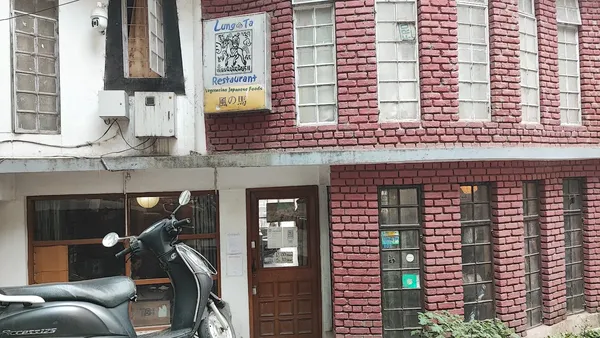
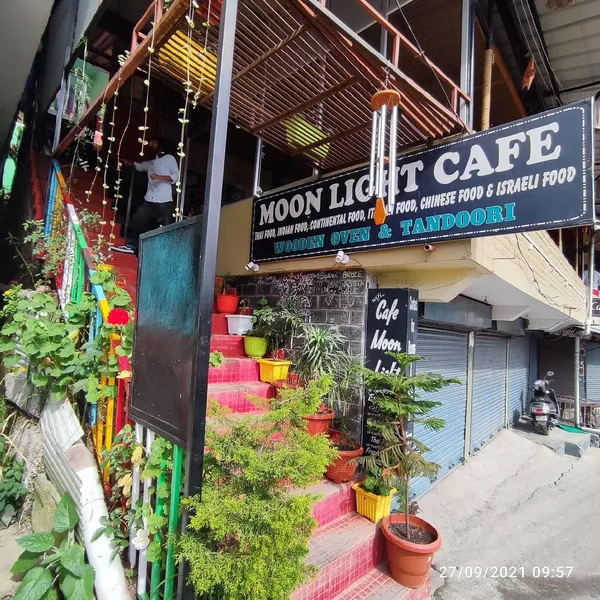
The dining map clusters in the McLeod Ganj central square, the small pedestrian plaza at the heart of Upper Dharamshala that holds the iconic restaurants: Tibet Kitchen (the legendary Tibetan-cuisine specialist), Common Ground Café (the Tibetan-Chinese fusion cultural hub), Lung Ta (the Japanese specialist that travellers reference), Namgyal Café (inside the Tsuglagkhang Complex itself, the official Dalai Lama residence). The lower Dharamshala (the original British-Indian hill-station town five kilometres downhill) holds the more standard Indian-Himachal restaurants and the Tibetan school cafeterias frequented by the local resident community.
Reservations are not standard culture in McLeod Ganj, most restaurants are walk-in only, but useful at Tibet Kitchen during the heavy tourist months (April-June and September-November). English menus are universal at the central tourist-tier restaurants. The restaurant rhythm matches the broader Tibetan-monastic, most kitchens open at 8am for the breakfast service that monks and travellers both rely on, peak at lunch from 12-2pm, and close earlier than Indian-tier restaurants (most close by 9pm).
Pair the food with butter tea (Po Cha), the Tibetan salty-and-savoury tea, or with one of the McLeod Ganj cafe's Western-style coffees. The proper post-dinner anchor is a walk along the Dalai Lama Temple Road or, for visitors with extra time, the Bhagsu Falls trek that's the city's primary natural attraction. Cap the day at the central Bhagsu Naag Mandir (the local Hindu temple, lit until 9pm) for a comparison of the city's Tibetan-Buddhist and Indian-Hindu cultural anchors.
Explore more: dining by occasion • all cities • dining guides
New — the nightly brief
Tonight in Dharamshala, Himachal Pradesh →RFK Newsletter
We email you when a table worth booking opens in Dharamshala, reviewed by our editors, never paid placements.