#2 in Iloilo
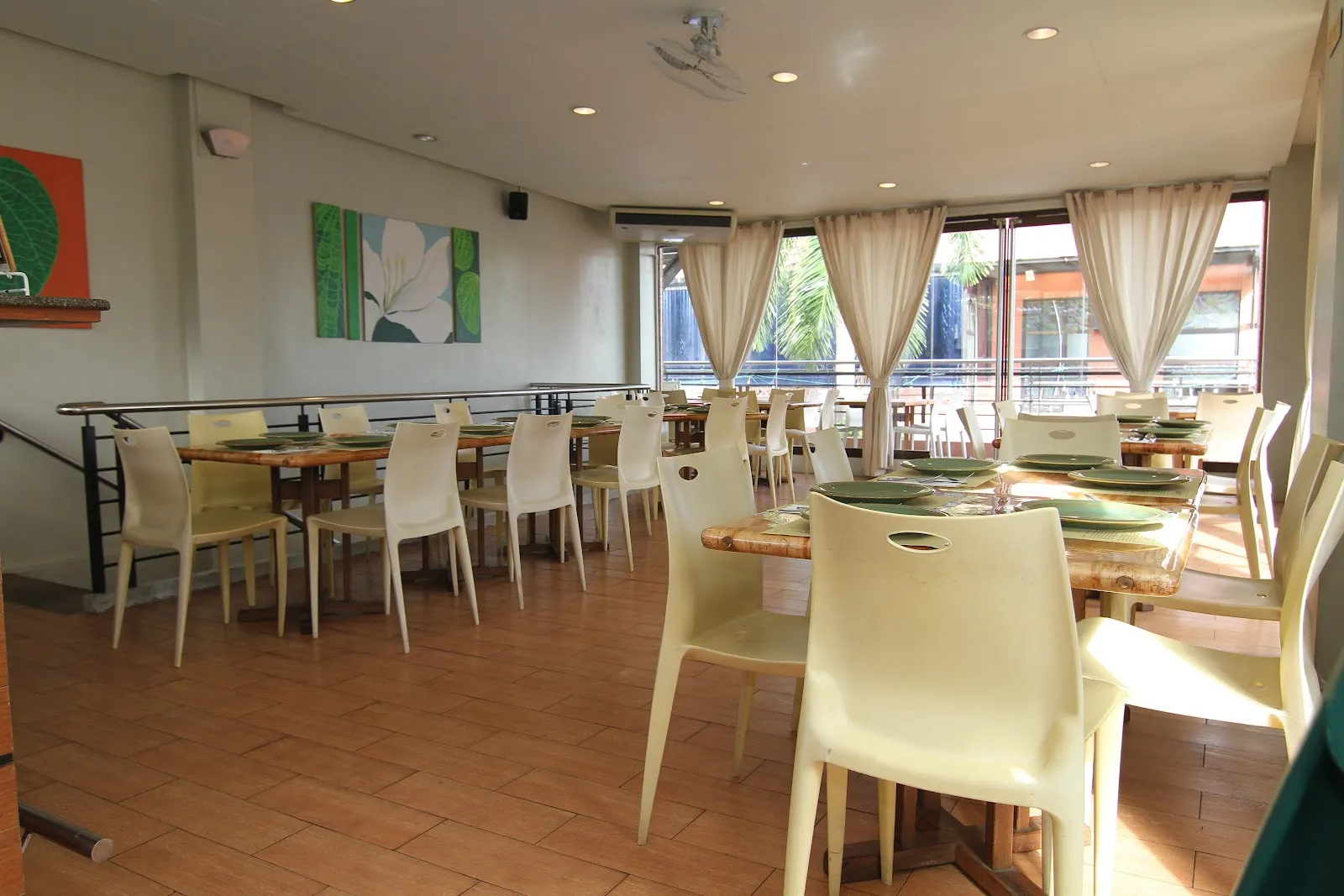
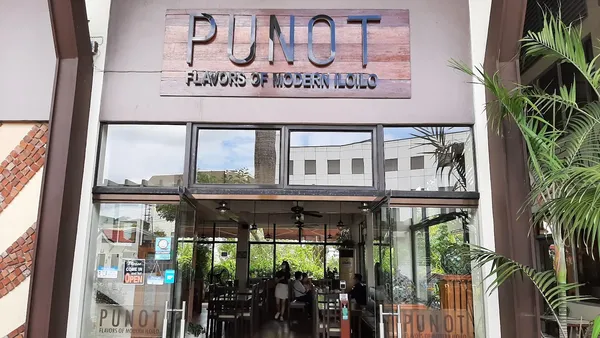
Punot
First Date
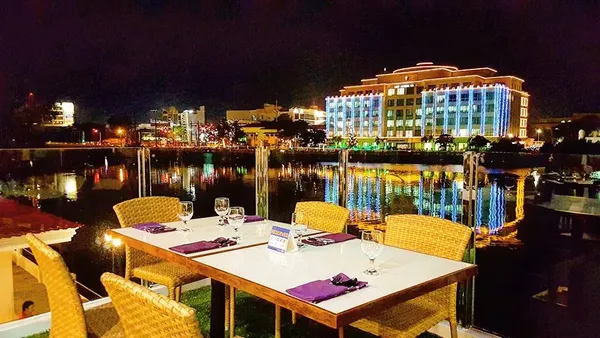
The Iloilo River Esplanade modern-Filipino, breathtaking riverside views, the city's reference esplanade-dining destination.
Food 9.0
Ambience 9.5
Value 8.8
The UNESCO Creative City of Gastronomy, Western Visayas' heritage capital, the Iloilo River Esplanade boardwalk-dining scene, and the Marco Polo Plaza-anchored fine-dining tier with the famous Bauhinia and the Smallville-Mandurriao restaurant cluster.
Every table ranked, verdicts written, occasions assigned. Use the occasion filter above to narrow by your dining purpose.
$ under $40 · $$ $40–$80 · $$$ $80–$150 · $$$$ $150+ per person
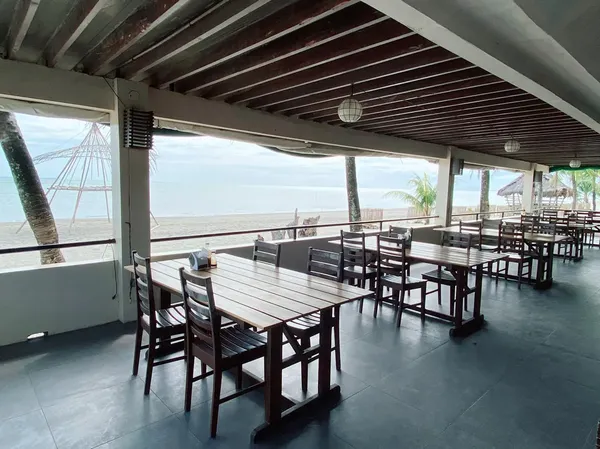
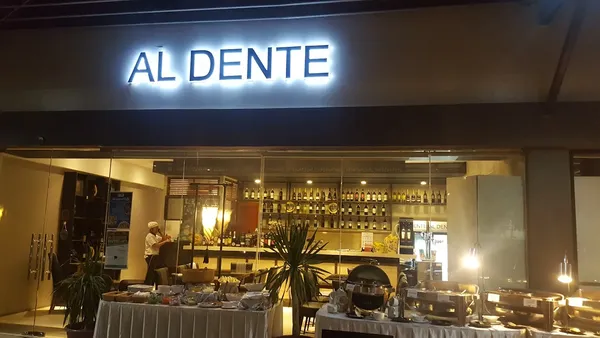

Iloilo dines for heritage. The UNESCO-designated Creative City of Gastronomy (joining the network in 2017 as the second Philippine city after Tagbilaran-Bohol), Western Visayas' regional capital, population 460,000, the historic Spanish-colonial port-city on Panay Island that the colonial Spanish dubbed 'La Muy Leal y Noble Ciudad' (the very loyal and noble city), is the country's most-distinctive heritage-and-gastronomy destination outside Manila and Cebu. The dining scene combines the heritage-Hiligaynon Ilonggo cooking (the famous batchoy noodle-soup, the pancit Molo, the kadyos-baboy-langka stew, the lapaz-batchoy from the working-class La Paz district), the Spanish-colonial-era recipes preserved through the heritage families, and the contemporary upscale-Filipino-fine-dining destinations that have followed the city's economic boom since 2014.
The cuisine map reads as the Western-Visayan cooking refined. The Hiligaynon-Ilonggo regional canon, the lapaz-batchoy noodle-soup with chicharon and pork-liver, the pancit Molo wonton-soup-noodle from the Molo Catholic-Spanish heritage district, the kadyos-baboy-langka pork-and-jackfruit stew with kadyos pigeon-peas, the chicken inasal grilled-marinated chicken from the neighbouring Bacolod, and the Iloilo-specific la-paz-batchoy noodle-soup, runs strong at every dining tier. The upscale Filipino-fine-dining destinations (Bauhinia, Punot, Muelle Deli) have pushed the regional cooking into the white-tablecloth format. The Italian-fine-dining (Al Dente Ristorante) and the seafood-coastal-grill (Breakthrough on Villa Beach) round out the international-and-coastal options.
The dining map clusters around three poles: the Smallville-Mandurriao complex (Bauhinia at The Avenue, Al Dente Ristorante, Spring Palace Seafood, the post-2010 upscale fine-dining cluster); the Iloilo River Esplanade (Punot at the Riverside Boardwalk, Muelle Deli at the Lapuz riverside), the Esplanade is the post-2012 city-government riverside-boardwalk redevelopment that turned the formerly-derelict Iloilo River bank into the city's premier evening-dining promenade; and the Villa Beach coastal-strip (Breakthrough Restaurant), the south-coast Arevalo coastal-grill destination. The Marco Polo Plaza Iloilo (the Hong-Kong-luxury-hotel-group's 24-storey tower in the Iloilo Business Park) holds the Cantonese-and-Continental fine-dining flagships at the city's only deluxe-tier-international hotel.
Pair the dinner with one of the post-meal Iloilo set-pieces: the Iloilo River Esplanade boardwalk-walk (the four-kilometre lit-promenade running from the Diversion Road to the Lapuz waterfront, the city's sunset-watching anchor), the Molo Plaza-and-Church (the 1831 Gothic-Renaissance Catholic-Spanish church, lit nightly), the Jaro Cathedral (the 1864 Catholic-Spanish basilica with the miraculous-Madonna shrine), the Iloilo Heritage District Sunday-tour (the Calle Real-Plaza Libertad-Fort San Pedro Spanish-colonial walking-tour), or the Guimaras-Island day-trip (the mango-island ferry-ride, twenty minutes from the city pier). Note the Philippine-peso pricing (1 USD = 56 PHP; the heritage-Filipino venues run 400-1,000 PHP per cover; the hotel-and-fine-dining venues run 1,500-3,500 PHP per cover).
Explore more: dining by occasion • all cities • dining guides
New — the nightly brief
Tonight in Iloilo City →RFK Newsletter
We email you when a table worth booking opens in Iloilo, reviewed by our editors, never paid placements.