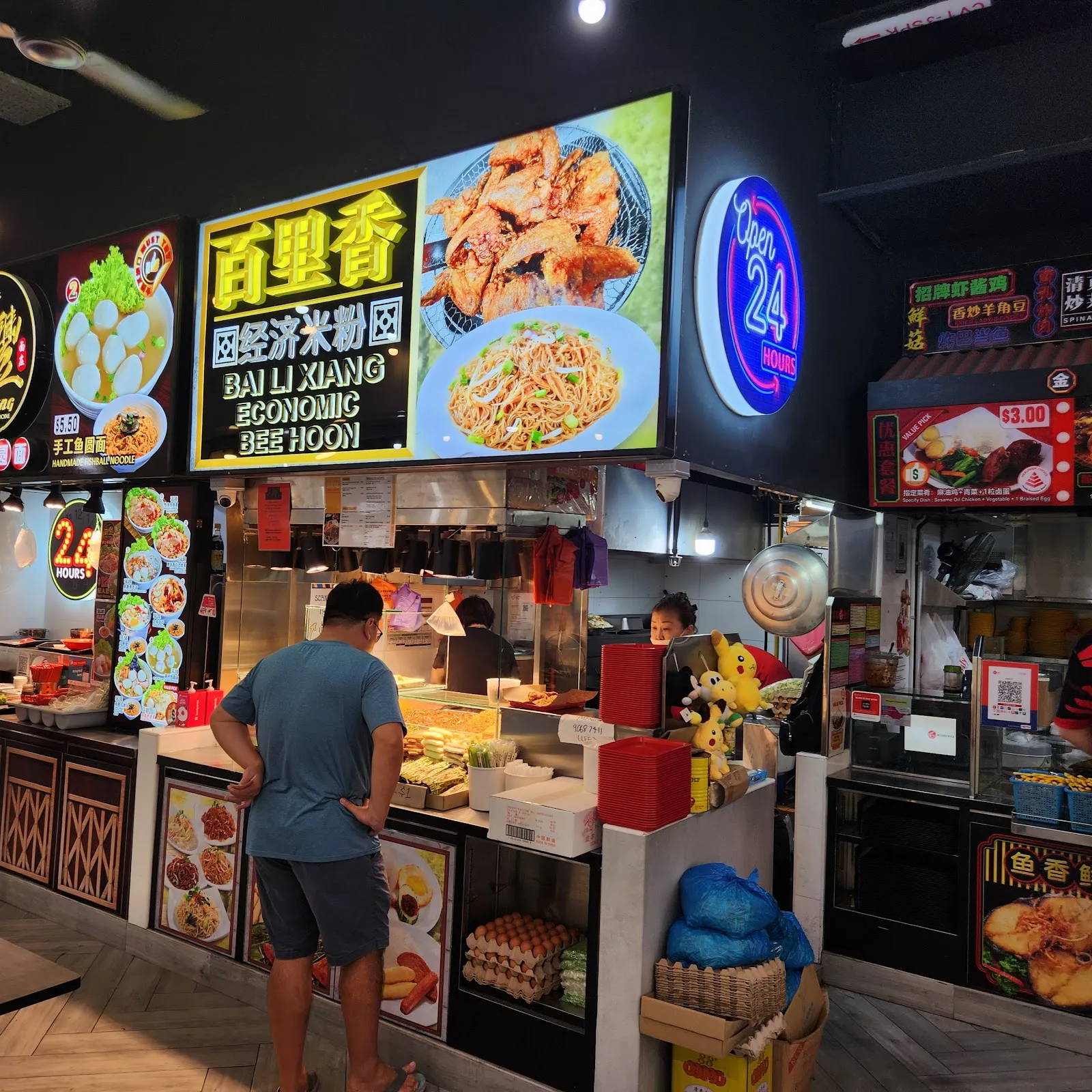
About Bailixiang
Bailixiang (白丽香) is one of Dali Ancient Town's most-recommended authentic Bai-ethnic-cuisine restaurants — operating from this Renmin Road address since the early 2000s, the kitchen serves the regional ethnic-minority dishes that the Bai people have been cooking in Yunnan for over a thousand years. The Bai are one of China's officially recognised fifty-six ethnic minorities and the Dali region is their cultural heartland; the cuisine differs from Han Chinese cooking in significant ways (less oil, more sour-pickled-vegetables, more dairy products via the rushan and rubing cheese traditions, more wild-foraged ingredients).
The signature dishes are Bai-specific. Sour Fish Soup (酸辣鱼) is an Erhai Lake fish (typically the silver carp that the lake's fishermen have caught for centuries) cooked in a sour-pickled-vegetable broth with red chili, ginger and lemongrass — Yunnan's distinctive sour-and-spicy flavour profile. Three-Course Tea (三道茶) is the Bai ceremonial tea ritual: a bitter green tea, a sweet milk-and-honey tea, and a final 'aftertaste' tea with cinnamon and ginger. Rushan (乳扇) is the local fermented-goat-milk cheese, served grilled with sugar or rolled with rose-petal jam. A meal of three Bai dishes, three-course tea, and rice for two runs ¥160-220.
The room is built in Bai-traditional architectural style — wooden beams, pale-grey hand-painted murals (the Bai's distinctive 'three-color' art tradition), low-set tables with hand-woven cushions, and a small tea-ceremony alcove at the back of the dining room where the three-course tea is performed for guests on request. Capacity is fifty across the main hall plus a small inner courtyard.
What makes Bailixiang the right Bai-cuisine introduction rather than just any Dali restaurant is the recipe authenticity (the chef trained at the Dali Bai Autonomous Prefecture's culinary school and the menu is verified by Bai-cuisine-historians from the local university) and the ceremonial elements (the three-course tea is the genuine version, performed by a Bai-attire-clad tea-master rather than the tourist-shortcut version). Walk-ins always work outside Chinese-tourist-peak weeks; English menus are present.
Best Occasion Fit
First dates with food-curious partners — the unfamiliar Bai-cuisine narrative, the three-course tea ceremony, and the Ancient Town setting all give the meal a built-in cultural adventure. Solo travellers — corner seat, three-course tea included with a meal, ¥80 bill, the ethnic-minority introduction. Team dinners up to six work in the inner courtyard.
Explore More in Dali
Discover more exceptional restaurants in Dali ranked by occasion — from first dates to deal-closing dinners and once-in-a-lifetime proposals. Browse our full occasion guide for every type of table, or explore all cities in our directory.