The Ranking, Top 50 Sushi Worldwide
Ranked by Edomae craft first, the Tokyo temples lead, then the global counters that earn the comparison. Open any to read the full profile and book.

The most famous sushi counter on earth, immortalised by the film that taught the world the word omakase. Jiro Ono, now past ninety, still presides over the ten-seat Ginza basement, where the format is austere and unchanged: roughly twenty pieces of pristine Edomae nigiri in about thirty minutes, no appetisers, no à la carte. The rice is served at body temperature, the fish brushed with nikiri so you never reach for soy, and the pace is brisk by design. It left the Michelin guide in 2020 because it no longer takes public bookings, which has only deepened its mystique; most diners now arrive through a hotel concierge. The value score reflects the speed and the price, not the fish, which remains exemplary. This is sushi as lineage and ritual rather than a leisurely meal, a precise, almost ceremonial half hour at the source of the modern form. For a sushi pilgrim, it is the first counter to understand, even if it is now among the hardest to reach. Arrange it far in advance, arrive exactly on time, and treat it as history on a plate. Read the full review →

For many sushi obsessives, Masahiro Yoshitake runs the finest pure Edomae counter in Tokyo, three Michelin stars in a tiny Ginza room he works himself. His signature, abalone gently simmered and served with a sauce made from its own liver, is one of the great single bites in Japanese cooking. The rice is seasoned with a blend of red and white vinegars, the neta aged and cured with obvious intent, and the progression of otsumami and nigiri is paced to let each piece register. The room is small and the atmosphere serious without being cold; this is a counter for people who came to study the sushi rather than to chat. Yoshitake's influence runs wide, his Hong Kong outpost, Sushi Shikon, also holds three stars, but the original Ginza room is where the craft is most concentrated. It is among the most expensive and hardest-to-book counters in the city. For a diner who wants Edomae at its absolute peak and is ready to give it full attention, Yoshitake is the connoisseur's choice. Book far ahead through a concierge, sit at the counter, and do not reach for the soy. Read the full review →

Koji Sawada runs one of the most exacting and idiosyncratic sushi counters in Ginza, a tiny three-star room of just six or seven seats where the experience is intensely personal and famously uncompromising. Sawada and his wife work the counter together in near silence, and the meal is built on deeply aged fish, hand-grated wasabi and rice seasoned with a confident hand. The room is so small and the pace so deliberate that it feels less like a restaurant than a private audience with a master. Sawada is particular about his guests and his ingredients, and the result is sushi of remarkable depth and precision that rewards a diner who respects the ritual. It is among the most exclusive counters in the city and one of the harder ones to reach for a first-time visitor. For an experienced Edomae diner who wants intimacy and an almost monastic focus on the craft, Sushi Sawada is one of Ginza's great experiences. Book well ahead through a concierge, arrive punctually, and settle into the quiet; the silence and the small room are part of what makes the meal so concentrated and memorable. Read the full review →

Keiji Nakazawa runs the most idiosyncratic of Tokyo's great sushi counters, and for many serious eaters the most rewarding. Where the classic Edomae temples serve a clean run of twenty pieces, Nakazawa builds a long, unpredictable menu of small courses and heavily aged fish, interspersing nigiri with otsumami in a sequence that changes constantly. He is a teacher as much as a chef, the lineage behind Sushi Sho in New York and Hawaii runs through him, and the counter is a running commentary on aging, curing and rice. The shari is warm and assertively seasoned, the neta often matured far longer than convention allows, and the effect is sushi with more depth and funk than the purist counters aim for. The Yotsuya room is small and the seating tight, which is part of the intimacy. This is not the booking for someone who wants textbook Edomae; it is for the diner who wants personality and a point of view. Book through a hotel concierge well ahead, sit at the counter, and let Nakazawa lead without asking for substitutions; the food score here is among the highest in Tokyo for good reason. Read the full review →

Shinji Kanesaka runs one of Ginza's warmest serious sushi counters, an Edomae room that has trained a generation of chefs and exported its name from Singapore to London. His style is classical but generous, the welcome is warmer than the stricter temples, the otsumami courses a little more developed, and the nigiri textbook Edomae, with well-aged tuna and properly seasoned rice. For a diner new to high-end Tokyo sushi, it is one of the best first counters precisely because it is approachable without compromising on quality; the chefs are used to international guests and the room never feels intimidating. It has held Michelin stars for years and remains a reliable booking when the very hardest counters are full. The lineage matters too: eating here is eating at the source of several excellent sushi restaurants around the world. The value is solid for the level, especially at lunch. For a first great Edomae experience in Tokyo, or a return visit when you want craft without the severity of the strictest rooms, Sushi Kanesaka is among the smartest bookings in Ginza. Reserve ahead, sit at the counter, and ask the chef about the day's fish. Read the full review →

Harutaka Takahashi trained under Masahiro Yoshitake before opening his own Ginza counter, and Harutaka has earned a reputation as one of the most refined Edomae rooms in Tokyo, quieter and a touch less austere than his mentor's. Takahashi grills and warms certain neta over charcoal between the cold nigiri, a signature touch that adds smoke and contrast to the run, and his rice is among the most carefully judged in the city. The counter is small and calm, the kind of room where the only sound is the chef's knife and an occasional quiet word, built for someone who wants to watch the craft up close. It holds two Michelin stars and a devoted following among regulars who find Yoshitake too hard to book or simply prefer Takahashi's slightly warmer style. The value, as with all Ginza counters at this level, is in the quality rather than the price. For a serious Edomae meal in a setting a little more relaxed than the very strictest temples, Harutaka is an outstanding choice. Book well ahead through a hotel or a Japanese reservation service, take a counter seat, and let the chef set the rhythm. Read the full review →

Yuji Amamoto runs one of the most coveted two-star counters in Tokyo, a small Ginza-adjacent room known for generous, intricately worked otsumami courses as much as for its nigiri. Amamoto's style leans richer and more elaborate than the strict minimalists, there is more cooked and composed work between the pieces, and his use of premium ingredients and deep aging has made the counter a favourite among Tokyo's most experienced sushi diners. The room is intimate and the experience personal, with the chef engaging guests across the bar. It is among the harder counters to secure, often booked out far in advance by regulars. The food score reflects how seriously the craft is taken here. For a diner who wants an Edomae experience with more developed otsumami and a slightly more generous, indulgent feel than the austere temples, Sushi Amamoto is a standout. Book well ahead through a concierge or a Japanese service, sit at the counter, and pay attention to the cooked courses between the nigiri; they are where Amamoto's particular style shows most clearly, and they set the counter apart from the more purist Ginza rooms that surround it. Read the full review →

Ginza Sushiko Honten is one of the oldest and most prestigious sushi houses in Tokyo, a three-star counter with a lineage stretching back generations and a reputation for unwavering traditional Edomae. The cooking is classical and exacting, pristine seasonal fish, perfectly judged rice, a procession that honours the form without flourish, served in a refined room that reflects the restaurant's long history. It is among the most expensive and exclusive sushi experiences in the city, the kind of counter that rewards a diner who understands and respects the tradition. The value score reflects the price rather than any shortfall in the craft, which is impeccable. For a diner who wants Edomae sushi from one of Ginza's most storied and orthodox houses, history and pedigree as much as technique, Ginza Sushiko Honten is a benchmark. Book well ahead through a hotel concierge, dress appropriately for the formality of the room, and go ready to focus on the purity of classical Edomae rather than any modern innovation; this is a counter that has set the standard in Ginza for a very long time, and the experience is as much about that heritage as the fish itself. Read the full review →

Yoshitake's three-star Hong Kong outpost is the finest Edomae sushi outside Japan, a ten-seat counter at the Landmark Mandarin where Tokyo fish is flown in daily and handled with the same rigour as the Ginza original. The rice, the aging and the progression mirror Yoshitake's method, and the result is Tokyo-grade sushi without the flight to Japan, a genuine three-star experience that has anchored Hong Kong's status as one of the great sushi cities outside the home country. The room is small and serious, the service polished in the way of a top hotel counter. It is expensive and among the hardest tables in Hong Kong. The value reflects that price, but for Edomae at this level outside Japan there is no real rival in the region. For a diner in Asia who wants the Yoshitake style without travelling to Ginza, Sushi Shikon is the standout. Book well ahead, sit at the counter, and let the chef lead; the fact that fish flown from Tokyo each morning can be served to this standard in Hong Kong speaks to the discipline of the operation, and it remains one of the best sushi experiences anywhere in the world. Read the full review →

Masa
Masa Takayama's counter is the most expensive restaurant in America, a hinoki-wood room where the omakase runs around nine hundred and fifty dollars before drinks. What you are paying for is access to some of the finest fish flown from Japan and the undivided attention of one of the great sushi chefs working outside the country, and it holds three Michelin stars for the quality of the nigiri alone. The experience is austere and intimate, a handful of seats, no menu, the chef setting the pace, and by any normal measure it is an extravagance, which the value score reflects. But for a sushi obsessive marking a once-in-a-lifetime occasion there is nothing else like it in the United States: the rice, the cuts and the progression are as good as Edomae gets on this side of the Pacific. The room is calm to the point of severe, which suits the focus the meal demands. For most diners this is aspirational rather than practical, but if the occasion justifies it, Masa is the apex of the American sushi scene. Book far ahead and arrive ready to give the meal your complete attention. Read the full review →

Nozomu Abe's Sushi Noz is the most traditional Edomae sushi experience in New York, an Upper East Side counter built like an Edo-era house from hinoki wood, where the omakase unfolds with an almost ceremonial formality. Abe ages and cures his fish in the classic Tokyo manner, serves rice at body temperature, and brushes each piece so you never reach for soy, this is Edomae by the book, executed at a level few American counters approach. The main counter seats only a handful, and the experience is quiet and focused, closer to Tokyo than to most of New York. It is among the city's most expensive sushi rooms and one of its hardest to book. The value reflects that price, but for a purist the craft justifies it. For a diner who wants traditional Edomae without flying to Japan, in one of the most beautiful sushi rooms in America, Sushi Noz is the standout, more orthodox than Sushi Sho's style, more intimate than Masa's scale. Book the moment the window opens, sit at the main counter rather than the annexe if you can, and let Abe lead the progression piece by piece. Read the full review →

Keiji Nakazawa's American counter brings the long, idiosyncratic Sushi Sho format from Tokyo to the Upper West Side, a procession of small courses and heavily aged fish rather than a straight run of nigiri. Nakazawa's obsession is rice and aging, and the menu interleaves otsumami with nigiri in a sequence that changes constantly, giving the meal more depth and funk than the city's purist counters. It is the most personality-driven sushi experience in New York, the work of a chef who is a teacher and a craftsman in equal measure. The room is small and the experience focused. The value reflects the price, but the food score is among the highest of New York's name counters. For a diner who wants the Sushi Sho style stateside, long, surprising and built on aged neta rather than textbook Edomae, this is the one. Book well ahead, sit at the counter, and resist asking for substitutions; Nakazawa's whole approach is to lead the diner through his particular vision of sushi, and the reward is a meal with more character than almost any other counter in the city, the American expression of one of Tokyo's most influential sushi minds. Read the full review →

Daisuke Nakazawa, the apprentice from Jiro Dreams of Sushi, runs the friendliest of New York's name counters, a warmer twenty-piece omakase in the West Village that delivers serious Edomae without the severity. Nakazawa trained under Jiro Ono, and the discipline shows in the rice and the cuts, but the room and the pacing are relaxed in a way the strict temples are not, this is the easiest of the city's top counters to enjoy on a first visit. The value is among the best of the name rooms, which is part of why it remains so popular. The nigiri run is generous and the fish well-handled, and the experience is genuinely warm. For a diner who wants high-quality Edomae in New York without the intimidation or the four-figure bill of Masa and Noz, Sushi Nakazawa is the smartest booking, the most approachable way into the city's top tier of sushi. Book ahead, take a counter seat for the full experience, and relax into it; Nakazawa's gift, beyond the technique he learned from Jiro, is to make a great sushi meal feel welcoming rather than forbidding, which is rarer at this level than it should be. Read the full review →

Eiji Ichimura's Tribeca counter is two-star Edomae built on deeply aged tuna and a slow, exacting pace, one of the most serious sushi experiences in New York. Ichimura is known for his commitment to aging fish far longer than convention allows, drawing out umami and texture, and the result is sushi of real depth served in a quiet, focused room. The progression is deliberate and the rice carefully judged, the work of a chef who has spent decades refining a personal style. It is among the city's more expensive counters and a serious commitment for a diner who wants Edomae below Masa's price but above the casual rooms. The value reflects the quality and the price. For a diner who wants serious, aging-driven Edomae in New York, more austere than Nakazawa, more aged than Noz, Sushi Ichimura is a standout. Book ahead, sit at the counter, and pay attention to the tuna; the long aging is Ichimura's signature and the clearest expression of his craft, and it sets the counter apart from the city's other top rooms. It is a connoisseur's choice for someone who already knows what good Edomae tastes like and wants to go deeper. Read the full review →
Sushi Amane is one of New York's most exclusive omakase counters, a hidden Midtown room from the Sushi Ginza Onodera lineage that serves quiet, traditional Edomae to just a handful of seats. The chef works in the classic Tokyo manner, properly aged fish, carefully seasoned rice, a measured progression of nigiri, in a room so small and discreet that it remains under the radar despite the quality. It is among the most expensive sushi experiences in the city and one of the hardest to find, which is part of its appeal for diners in the know. The value reflects the price and the exclusivity. For a diner who wants a genuinely traditional, low-profile Edomae counter in New York, away from the better-known names, with a Tokyo pedigree behind it, Sushi Amane is a connoisseur's secret. Book well ahead given the few seats, go without expecting a scene, and trust the chef; the absence of fanfare is the point, and the sushi speaks for itself. For someone who has already eaten at the city's famous counters and wants something quieter and more orthodox, Amane is among the most rewarding sushi rooms in New York. Read the full review →

Sushi Yasuda is the value benchmark among New York's serious sushi counters, a Midtown East institution that carries the legacy of Naomichi Yasuda's pristine, restrained Edomae. The nigiri is clean and precise, the rice properly seasoned, and the experience focused on the fundamentals rather than luxury flourishes, which is exactly why it has remained a favourite of sushi purists for two decades. The room is calm and the service knowledgeable, and the omakase delivers quality close to the city's pricier counters at a noticeably gentler bill. The value score here is the highest among New York's top sushi rooms for good reason. For a diner who wants serious, traditional sushi in New York without the four-figure commitment of Masa or Noz, and who is happy to focus on the craft rather than the spectacle, Sushi Yasuda is the smartest booking in the city. Reserve ahead, sit at the counter for the omakase, and let the chef lead; Yasuda proves that excellent Edomae need not be ruinously expensive, and it remains one of the most reliable and rewarding sushi experiences in New York, a counter that prioritises the rice and the fish above all. Read the full review →

Urasawa
Hiroyuki Urasawa's ten-seat Beverly Hills counter is the most expensive and exacting omakase in Los Angeles, a marathon of nigiri and kaiseki-style courses that can run to around a thousand dollars. Urasawa trained under the legendary Masa Takayama and inherited his old space, and the experience is one of near-total devotion to the meal, hours of immaculate fish, hand-grated wasabi and seasonal Japanese ingredients, delivered with quiet precision. It is among the most exclusive dining experiences in the United States, with only a handful of seats and a price to match, and the value score reflects exactly that. But for a sushi obsessive marking a once-in-a-lifetime occasion, there is nothing in Los Angeles, and little in America, that reaches this level of luxury and craft. For a diner who wants the absolute apex of the LA sushi scene and is unconcerned with cost, Urasawa is the choice. Book well ahead, clear the evening, and arrive ready for a long, ceremonial meal; the combination of Urasawa's training, the tiny counter and the extraordinary ingredients makes it one of the defining high-end Japanese experiences in the country, a true once-in-a-lifetime splurge. Read the full review →

The West Hollywood outpost of the global Ginza Onodera group is the most polished traditional Edomae counter in Los Angeles, serving classical sushi built on fish flown from Tokyo's market. The chefs work in the orthodox Ginza manner, properly aged neta, carefully seasoned rice, a measured progression, in a sleek, serious room that reflects the group's high standards. It brings genuine Tokyo-style sushi to LA without gimmickry, and it has earned a place among the city's best counters for diners who want tradition over invention. The value reflects the quality and the imported fish. For a diner who wants classical, no-nonsense Edomae in Los Angeles, the kind of sushi you would find in a good Ginza room, Sushi Ginza Onodera is a standout. Book ahead, sit at the counter, and take the full omakase; the connection to the Tokyo mothership and the daily-flown fish set it apart from LA's more casual sushi scene, and the chefs' adherence to traditional technique makes it one of the most reliable serious sushi experiences in the city, a counter that takes the craft as seriously as any room in town and delivers it with real consistency. Read the full review →

Hidden behind Sugarfish in Beverly Hills, Nozawa Bar is the best value among the serious sushi counters in Los Angeles, a warm, fast Edomae omakase from the Sugarfish lineage of the late Kazunori Nozawa. The format is brisk and generous, well-sourced fish, warm seasoned rice, a friendly pace, and the intimate counter makes for an experience that is both high-quality and genuinely approachable, without the intimidation of the city's pricier temples. It is the easiest of LA's top counters to book and among the most enjoyable. The value score is the highest of the city's serious rooms. For a diner who wants excellent Edomae in Los Angeles without the thousand-dollar commitment of Urasawa or the formality of the imported-fish counters, Nozawa Bar is the smartest choice, serious sushi in a relaxed, hidden setting. Book ahead, sit at the bar, and let the chef lead the omakase; the Nozawa pedigree means the rice and the sourcing are taken seriously, and the warm, quick style makes it a counter you can return to often rather than save for a special occasion, which is rare at this level of quality in the city. Read the full review →

Mori Sushi in West LA is one of the most quietly serious Edomae counters in the city, a craft-driven room where the kitchen makes its own rice, soy and even ceramics. The cooking is restrained and ingredient-focused, beautifully sourced fish, carefully seasoned shari, a calm progression, and the experience is focused on the fundamentals rather than spectacle. It has a devoted following among LA sushi diners who prize substance over scene, and the room's quiet, considered atmosphere suits the food. The value is solid for the level. For a diner who wants a calm, craft-led sushi night in Los Angeles, away from the flashier counters, Mori Sushi is among the best choices in the city. Book ahead, sit at the counter, and take the omakase; the kitchen's obsession with the details, milling its own rice, making its own seasonings, even its own pottery, speaks to a seriousness about the craft that defines the experience, and it makes Mori a favourite of diners who care about how every element of a sushi meal comes together. It is a connoisseur's counter for someone who wants depth and intention rather than show. Read the full review →

The Araki is London's most prestigious sushi counter, an Edomae room in Mayfair that at its peak held three Michelin stars, a rarity for sushi outside Japan. The format is classical and exacting: a handful of seats, fish largely flown from Tokyo, rice seasoned with red vinegar, and a measured progression of nigiri delivered with quiet precision. It is among the most expensive sushi experiences in Europe, and the value reflects that, but for traditional Edomae at the highest level in London there is no real equal. The room is intimate and serious, built for a diner who wants to focus on the craft. For a diner in London who wants Tokyo-style sushi without travelling to Japan, orthodox, refined and delivered at a counter by a master, The Araki is the standout. Book well ahead, sit at the counter, and take the full omakase; the restaurant brought genuine three-star Edomae to London and remains the city's benchmark for high-end sushi, a counter where the rice and the imported fish are treated with the seriousness of a great Ginza room, and one of the few places in Europe where the tradition is practised at this level. Read the full review →

Sushi Tetsu is the most beloved small sushi counter in London, a seven-seat room in Clerkenwell run by chef Toru Takahashi and his wife Harumi, where exacting Edomae is served with genuine warmth. Takahashi trained extensively before opening his tiny restaurant, and the nigiri is precise and traditional, properly aged fish, well-judged rice, at a price far gentler than the city's grand sushi rooms. The catch is the size: with only seven seats and the couple running the entire operation themselves, it is one of the hardest reservations in London, released in limited windows and booked out instantly. The value is excellent for the quality. For a diner who wants serious, traditional sushi in London in an intimate, personal setting, and who can land the near-impossible reservation, Sushi Tetsu is a gem. Set a reminder for the booking window, sit at the counter, and take the omakase; the combination of Takahashi's craft, the tiny room and the husband-and-wife hospitality makes it one of the most charming and rewarding sushi experiences in Europe, a reminder that great sushi is as much about the care and intimacy of the counter as it is about the fish itself. Read the full review →

Shoukouwa is the finest Edomae sushi in Singapore, a ten-seat counter on the Marina waterfront where fish flown from Tokyo's Toyosu market twice a week is served as a traditional omakase. The chefs work in the classic Ginza manner, aged neta, carefully seasoned rice, a measured progression, and the restaurant has earned two Michelin stars for the quality and consistency of the craft. The room is small and refined, and the experience focused on the sushi rather than any flourish. It is among the most expensive Japanese meals in Singapore, and the value reflects that, but for Edomae at this level in Southeast Asia there is no real rival. For a diner in the region who wants Tokyo-grade sushi without the flight to Japan, Shoukouwa is the standout. Book well ahead, sit at the counter, and take the full omakase; the twice-weekly Toyosu deliveries and the chefs' classical technique make it one of the best sushi experiences in Asia outside Japan, and a clear demonstration that Singapore belongs among the great sushi cities of the world. It is a serious, focused counter for a diner who wants the real thing. Read the full review →

Sushi Kimura is one of Singapore's most distinctive Edomae counters, a two-star room where chef Tomoo Kimura is known for an unusual specialism: the deliberate aging of fish, sometimes for weeks, to develop extraordinary depth of flavour. Kimura's matured neta set the counter apart from the more orthodox rooms, and the result is sushi with a richness and complexity that rewards an adventurous palate. The rice and technique are classical, but the aging is the signature, and it has earned Kimura a serious following among Singapore's sushi diners. The room is intimate and the experience focused. The value reflects the quality and the premium ingredients. For a diner in Singapore who wants Edomae with a genuine point of difference, aged fish handled by a chef who has made it his specialty, Sushi Kimura is a standout. Book ahead, sit at the counter, and pay attention to the aged pieces; they are where Kimura's craft shows most clearly, and they make the counter one of the most interesting sushi experiences in the city, a serious room for a diner who already knows good Edomae and wants to taste what extended aging can do to familiar fish. Read the full review →

Hashida
Hashida is one of Singapore's most respected Japanese counters, a kappo-and-omakase room from the Hashida lineage where refined sushi sits alongside a broader repertoire of seasonal Japanese cooking. The experience blends Edomae nigiri with cooked courses, giving a fuller picture of Japanese cuisine than a pure sushi counter, and the quality of the fish and the chef's technique have made it a fixture of the city's high-end dining scene. The room is elegant and the service polished. The value reflects the quality and the imported ingredients. For a diner in Singapore who wants serious sushi within a wider Japanese tasting, kappo courses as well as nigiri, Hashida is among the best choices in the city. Book ahead, sit at the counter, and take the full omakase; the combination of refined sushi and seasonal cooked dishes makes it a more complete Japanese experience than the pure Edomae counters, and the Hashida name carries a pedigree that guarantees the craft. It is a strong choice for a diner who wants the breadth of kappo as well as the precision of good nigiri, and one of the most reliable Japanese rooms in Singapore. Read the full review →

Masato Shimizu's no-sign Edomae counter is a fixture of Bangkok's best-restaurant lists and one of the hardest seats in the city. Shimizu trained in Tokyo and earned a Michelin star in New York before settling in Bangkok, and his counter serves classical Edomae built on fish flown from Japan, properly aged neta, well-seasoned rice, a measured progression, to a small room of devoted regulars. It is among the most exclusive Japanese experiences in Thailand and notoriously difficult to book, which only adds to its reputation. The value reflects the imported fish and the exclusivity. For a diner in Bangkok who wants genuine Tokyo-style sushi from a chef with a serious international pedigree, Sushi Masato is the standout. Book weeks ahead if you can secure a seat at all, sit at the counter, and take the omakase; Shimizu's training and his commitment to classical technique make this one of the best sushi counters in Southeast Asia, and a reminder that Bangkok's dining scene extends well beyond Thai cooking into top-tier Japanese rooms. It is a connoisseur's booking for someone who wants Edomae at its most orthodox in a city better known for other cuisines. Read the full review →

Sushi Sakai is one of the finest sushi counters in Fukuoka and among the best in all of Japan outside Tokyo, a three-star room where chef Yasuharu Sakai serves exacting Edomae built on the superb seafood of the Kyushu region. Fukuoka sits close to some of Japan's richest fishing grounds, and Sakai makes the most of it, pristine local fish, carefully aged and seasoned, served in a measured progression that rivals the great Ginza rooms. The counter is intimate and the craft impeccable, and the restaurant has drawn sushi pilgrims from across the country and beyond. The value is strong for a three-star counter, helped by Fukuoka's lower prices than Tokyo. For a diner travelling in Japan who wants top-tier Edomae away from the capital, built on the exceptional seafood of Kyushu, Sushi Sakai is essential. Book well ahead, sit at the counter, and take the full omakase; the combination of Sakai's technique and the quality of the local fish makes it one of the best sushi experiences in Japan, and a compelling reason to seek out the counters of Fukuoka, a city quietly regarded by serious diners as one of the country's great sushi destinations. Read the full review →

Sushi Gyoten is another of Fukuoka's exceptional sushi counters, a three-star room where chef Naoki Gyoten serves refined Edomae built on the outstanding seafood of Kyushu. Gyoten's style is precise and considered, beautifully sourced local fish, well-judged rice, an intimate progression delivered at a small counter, and the restaurant has earned a place among the very best sushi in Japan outside Tokyo. Fukuoka's proximity to rich fishing grounds gives its counters a raw-material advantage, and Gyoten exploits it fully. The room is small and the experience focused and personal. The value is strong for the level, again helped by Fukuoka's gentler prices. For a diner exploring Japan's regional sushi who wants three-star Edomae built on Kyushu's exceptional seafood, Sushi Gyoten is essential, alongside its neighbour Sushi Sakai. Book well ahead, sit at the counter, and take the omakase; Gyoten's combination of technical precision and superb local fish makes it one of the country's finest sushi experiences, and visiting both it and Sakai on a trip to Fukuoka is one of the great sushi pilgrimages in Japan, a chance to taste top-tier Edomae in a city that rivals Tokyo for the quality of its counters. Read the full review →

Sushi Masaki Saito is the finest sushi counter in Canada and one of the best in North America, a two-Michelin-star Toronto room where chef Masaki Saito serves exacting Edomae built on fish flown from Japan. Saito earned three stars in New York before opening his own counter in Toronto, and the experience reflects that pedigree, properly aged neta, carefully seasoned rice, a measured and formal progression delivered to a small room. It is among the most expensive dining experiences in Canada, and the value reflects that, but for traditional Edomae at this level in North America there are few rivals. The room is intimate and the service serious. For a diner in Canada who wants Tokyo-grade sushi without crossing the Pacific, Sushi Masaki Saito is the standout, a genuine destination counter. Book well ahead, sit at the counter, and take the full omakase; Saito's training and his commitment to classical technique make this one of the best sushi experiences on the continent, and a reminder that top-tier Edomae can be found well beyond the obvious cities. It is a serious, formal counter for a diner who wants the real Tokyo tradition delivered with precision in Toronto. Read the full review →

Yoshii's Omakase is the finest sushi counter in Australia, a small Sydney room where the omakase is built on a combination of Japanese technique and superb local seafood. Australia's waters supply exceptional fish, and the kitchen pairs them with classical Edomae method, careful aging, well-seasoned rice, a measured progression, to deliver an experience that rivals the best counters in Asia. The room is intimate and the experience focused, and it has earned a reputation as the country's premier sushi destination. The value reflects the quality and the limited seating. For a diner in Australia who wants serious Edomae built on the country's outstanding seafood, Yoshii's Omakase is the standout. Book ahead, sit at the counter, and take the full omakase; the combination of Japanese technique and local Australian fish gives the counter a distinctive character, and it makes Yoshii's one of the best sushi experiences in the Southern Hemisphere. For a diner who wants top-tier sushi in Sydney, a city with access to remarkable seafood but few counters working at this level, it is the clear choice, a serious room that has put Australian sushi on the map for visiting connoisseurs. Read the full review →
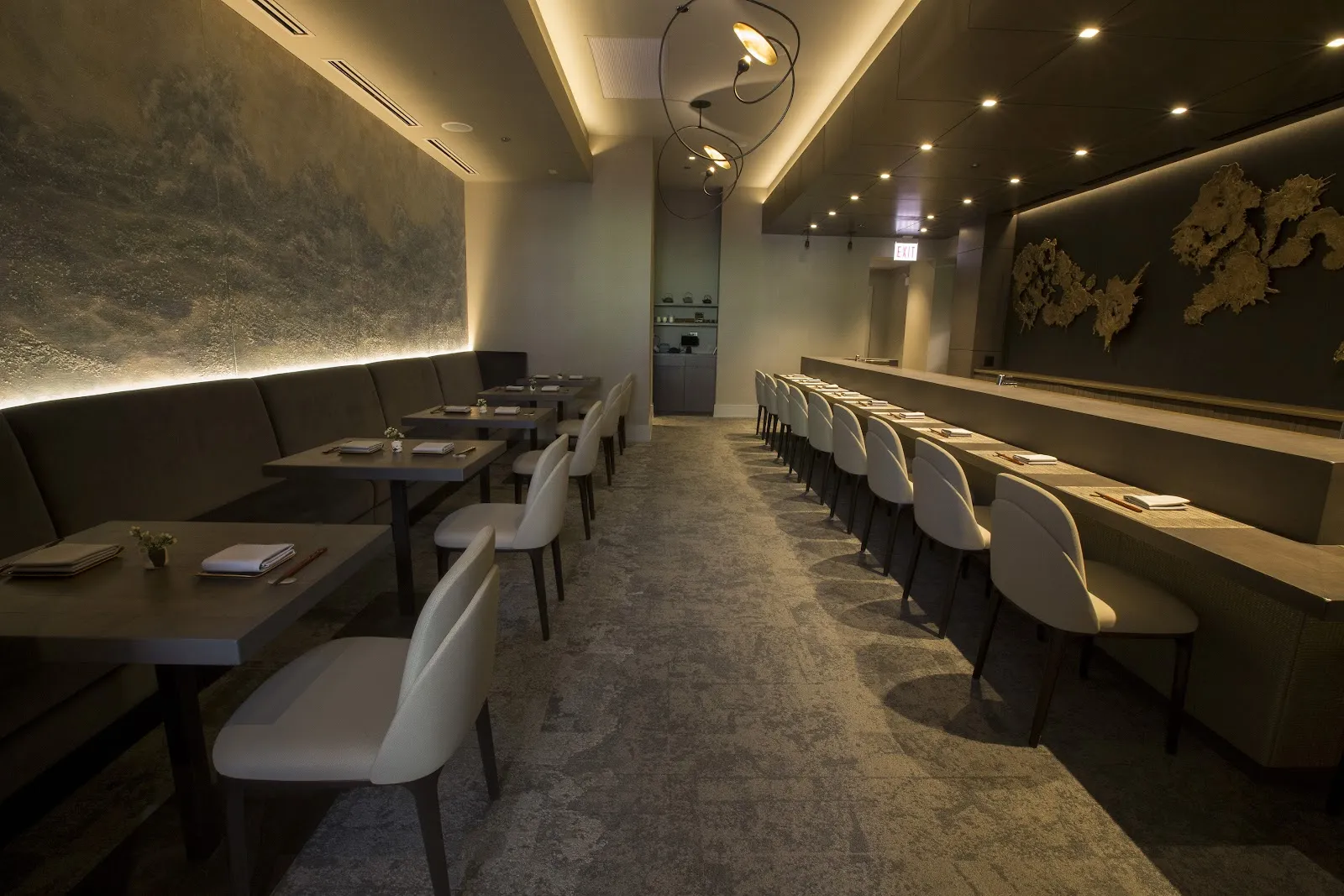
Mako
B.K. Park's Mako is the best sushi counter in Chicago, a Michelin-starred West Loop room where an extensive omakase of sashimi and nigiri is served to a small counter. Park sources excellent fish and works in a refined Edomae-influenced style, and the experience, around two hours, twelve seats at the counter, has made Mako the standard-bearer for serious sushi in the city. The room is intimate and the pace comfortable, the chefs trained to keep the progression moving smoothly. The value is solid for a Michelin-starred sushi counter. For a diner in Chicago who wants top-tier omakase, careful sourcing, refined technique, an intimate counter, Mako is the clear choice. Book ahead through Tock, sit at the counter rather than the dining room behind it if you can, and take the full omakase; Park's combination of quality fish and polished technique has made Mako one of the best Japanese experiences in the Midwest, and a reminder that serious sushi now thrives well beyond the coasts. It is a refined, focused counter for a diner who wants a genuine omakase experience in a city better known for steak and deep-dish, and it more than holds its own. Read the full review →
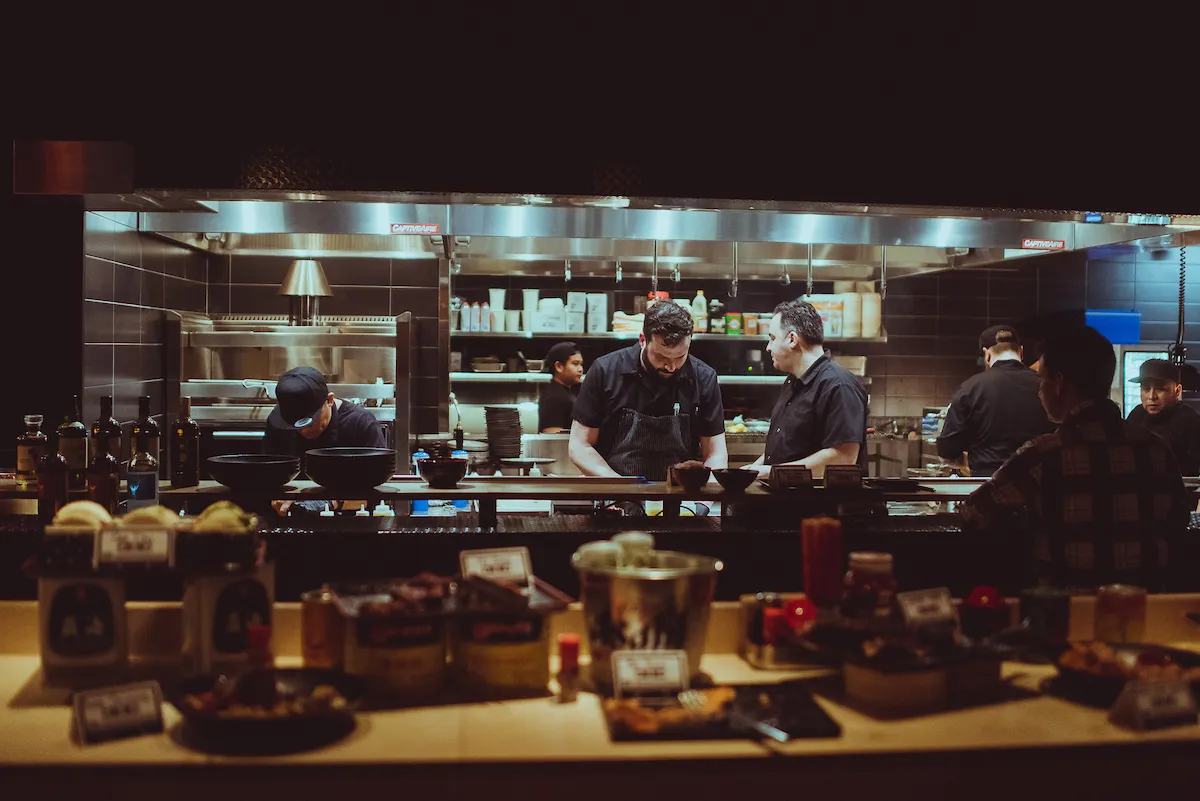
Sushi San is the best-value serious sushi in Chicago, a lively River North room from the Lettuce Entertain You group that delivers high-quality nigiri and a fun, hip-hop-soundtracked atmosphere without the formality or price of the city's omakase counters. The fish is well-sourced and the rolls and nigiri executed with real skill, and the energetic room makes it as good for a group dinner as for a sushi fix. It bridges the gap between a casual sushi spot and a serious counter, and its straight set of high scores reflects how well it balances quality, atmosphere and value. For a diner in Chicago who wants excellent sushi in a genuinely fun setting, without committing to a two-hour omakase or a Michelin-level bill, Sushi San is the smartest choice. Book ahead or try for a counter seat, order across the nigiri and the specials, and enjoy the room; it proves that serious sushi quality and a lively, unpretentious atmosphere are not mutually exclusive, and it has become one of the most popular Japanese restaurants in the city for good reason. It is the counter to choose when you want great fish without the ceremony, and it delivers on both counts. Read the full review →

Naoe
Kevin Cory's Naoe is the finest omakase in Florida, an intimate Brickell Key counter where a single nightly seating receives a bento-then-nigiri menu of extraordinary precision. Cory, who draws on his family's sake-brewing and culinary heritage, serves a personal, ingredient-driven omakase that has quietly become one of the best Japanese meals in America, far from the usual sushi capitals. The room is tiny and the experience deeply focused, built entirely around the chef's choices that evening. It is expensive and exclusive, with only a handful of seats, and the value reflects that, but for serious Edomae-influenced omakase in Miami there is nothing close. For a diner who wants the most refined and personal Japanese counter in the South, Naoe is the choice. Book well ahead given the single nightly seating, go without expecting a menu, and trust Cory completely; the bento course alone is a signature worth the visit, and the fact that one of America's best omakase experiences sits in Miami rather than New York or Los Angeles speaks to how deep the country's Japanese dining has become, and to Cory's singular dedication to his craft. Read the full review →

The Den at Azabu is one of Miami's best-kept sushi secrets, a hidden omakase counter tucked behind the Azabu restaurant in Miami Beach where a small group receives a quiet, traditional Edomae experience. The chef serves a focused nigiri-led omakase built on quality fish and proper rice technique, in a calm space far removed from the noise of South Beach. It offers a more serious and serene sushi experience than the area's scene-driven restaurants, and it has built a devoted following among Miami diners who want craft over spectacle. The value reflects the quality and the intimate setting. For a diner who wants a genuine, low-key omakase in Miami Beach, traditional sushi handled with care, away from the crowds, The Den at Azabu is among the best choices in the city. Book ahead given the few counter seats, sit at the bar, and let the chef lead the progression; in a city where Japanese dining often means a glossy izakaya scene, The Den offers something quieter and more authentic, and it stands among the better sushi counters in the American South, a reminder that Miami's dining depth now includes serious traditional craft as well as glamour. Read the full review →

Silver's Omakase is one of the most surprising fine sushi counters in America, an intimate Santa Barbara room delivering a serious, refined omakase in a city far from the usual sushi capitals. The chef works in a classical Edomae-influenced style, well-sourced fish, carefully seasoned rice, a measured progression, to a small counter, and the quality has earned it a reputation well beyond its size and location. The room is intimate and the experience personal and focused. The value reflects the quality for the small seating. For a diner on California's Central Coast who wants a genuine high-end omakase, the kind of experience usually reserved for Los Angeles or San Francisco, Silver's is a remarkable find. Book ahead given the few seats, sit at the counter, and take the full omakase; the existence of a counter this serious in Santa Barbara shows how far excellent Japanese dining has spread across America, and it makes Silver's a destination for sushi-loving travellers passing through the region. It is a polished, intimate counter that punches far above its city's size, and a reminder that great sushi can now be found in genuinely unexpected corners of the country. Read the full review →

Sushi Den is a Denver institution and one of the best sushi restaurants in the American interior, a long-running room that flies in fish directly from Japan's Nagahama market via the owners' family connections. That direct sourcing gives Sushi Den a raw-material advantage few inland American sushi restaurants can match, and the kitchen pairs it with skilled, traditional technique. The room is lively and popular, more of a bustling restaurant than a hushed counter, but the quality of the fish is serious. The value is strong given the imported sourcing. For a diner in Denver or the Mountain West who wants genuinely excellent sushi, built on fish flown directly from Japan, Sushi Den is the standout, a destination that has anchored the city's Japanese dining for decades. Book ahead or expect a wait, sit at the sushi bar for the best experience, and ask about the day's Nagahama fish; the family's direct market connection is the restaurant's defining advantage, and it makes Sushi Den a genuine surprise for visitors who do not expect to find sushi of this quality in landlocked Colorado. It is proof that great sushi depends above all on sourcing, and Sushi Den's is among the best in the interior. Read the full review →

Sabi Omakase is the finest sushi counter in Norway and one of the best in Scandinavia, a Michelin-starred Stavanger-rooted concept that brings serious Edomae to a part of the world with little high-end sushi tradition. The chef works in classical Japanese style, careful aging, well-seasoned rice, a measured omakase progression, pairing imported and local fish with genuine technique, and the result has earned a Michelin star and a reputation as Scandinavia's premier sushi destination. The room is intimate and the experience focused. The value reflects the quality and the limited seating in an expensive region. For a diner in Norway who wants genuine high-end Edomae, a rarity in Scandinavia, Sabi Omakase is the clear choice. Book ahead, sit at the counter, and take the full omakase; the existence of a Michelin-starred sushi counter in Norway speaks to how far the tradition has travelled, and Sabi has done much to establish serious Japanese dining in the region. It is a polished, focused counter for a diner who wants the real omakase experience in a part of the world where it remains rare, and it stands comfortably among the best sushi in Europe outside the major capitals. Read the full review →

Sushi Sho in Stockholm is one of the most acclaimed sushi counters in Europe, a room that helped pioneer serious omakase in Scandinavia and built a devoted following for its long, personality-driven menus. The chef serves an extended progression of nigiri and small courses built on a mix of imported and excellent local Nordic seafood, in a style that emphasises aging and bold seasoning over strict orthodoxy. The room is intimate and the experience focused and personal. The value is strong for the quality and the European setting. For a diner in Stockholm who wants a serious, characterful omakase, built on a blend of Japanese technique and Nordic ingredients, Sushi Sho is the standout, and one of the best sushi experiences in northern Europe. Book ahead, sit at the counter, and take the full menu; the counter's willingness to use local Scandinavian seafood alongside imported fish gives it a distinctive character, and it has been influential in establishing high-end sushi in the region. It is a rewarding choice for a diner who wants the omakase format delivered with a personal, slightly unorthodox approach, and a reminder that excellent sushi now thrives well beyond Japan and the major global cities. Read the full review →

Iyo Omakase is the most refined sushi experience in Milan and one of the best in Italy, a Michelin-starred counter that is the omakase offshoot of the acclaimed Iyo restaurant group. The seven-seat counter serves a precise omakase built on a blend of Japanese technique and the finest available fish, and it earned a Michelin star, a rarity for sushi in Italy, for the quality and consistency of the experience. The room is intimate and the progression measured, the work of chefs serious about the Edomae tradition. The value reflects the quality and the small seating. For a diner in Milan who wants genuine high-end sushi, a scarce thing in Italy, Iyo Omakase is the clear choice, and a sign of how the omakase format has spread to even the great food cities of Europe. Book ahead given the seven seats, sit at the counter, and take the full omakase; the Michelin recognition and the Iyo group's pedigree make it one of the best Japanese experiences in Italy, and a rewarding option for a diner in Milan who wants something beyond the city's celebrated Italian cooking. It is a polished, serious counter that brings real Edomae craft to a country where it remains uncommon. Read the full review →

Sushi Matsumoto is one of Kyoto's finest sushi counters, a refined Edomae room that brings the Tokyo tradition to a city better known for kaiseki. The chef works in classical style, carefully aged fish, well-seasoned rice, a measured progression, and the intimate counter and Kyoto setting give the experience a particular elegance. Sushi is not Kyoto's native specialty, which makes a counter of this quality all the more notable, and it has earned a serious following among diners in the old capital. The room is small and the experience focused. The value is strong for the level. For a diner in Kyoto who wants excellent Edomae alongside the city's kaiseki temples, Sushi Matsumoto is among the best choices. Book ahead, sit at the counter, and take the full omakase; the combination of Tokyo-style sushi technique and Kyoto's refined sensibility makes for a distinctive experience, and it offers a change of register for a diner working through the city's celebrated Japanese cuisine. It is a polished, intimate counter that demonstrates how the Edomae tradition has spread across Japan, and a rewarding sushi option in a city where the great cooking usually takes a different form. Read the full review →

Sushi Kissui is one of the leading sushi counters in Kobe, a refined Edomae room serving an exacting omakase built on the excellent seafood of the Kansai region. The chef works in classical style, careful aging, well-judged rice, a measured progression, to an intimate counter, and the quality has earned it a place among the best sushi in the area. Kobe, famous for its beef, also sits near rich fishing grounds, and Kissui makes the most of the local catch. The room is small and the experience focused and personal. The value is strong for the level, helped by prices gentler than Tokyo. For a diner in the Kansai region who wants top-tier Edomae built on excellent local seafood, Sushi Kissui is among the best choices. Book ahead, sit at the counter, and take the full omakase; the combination of classical technique and the quality of Kansai's fish makes it a rewarding sushi destination, and a reminder that Japan's great sushi extends well beyond Tokyo into cities like Kobe. It is a serious, intimate counter for a diner exploring the regional sushi of Japan, and one that demonstrates how deep the country's sushi culture runs outside the capital. Read the full review →

Sushi Miyakawa is one of the finest sushi counters in Hokkaido, a celebrated Sapporo room serving exacting Edomae built on the extraordinary seafood of Japan's northern island. Hokkaido supplies some of the best fish in the country, uni, crab, scallops, cold-water species of remarkable quality, and Miyakawa pairs them with classical technique to deliver an omakase that has earned national acclaim. The counter is intimate and the craft impeccable. The lineage has also extended to Niseko, but the Sapporo room remains the heart of it. The value is strong for the level. For a diner in Hokkaido who wants top-tier sushi built on the island's exceptional seafood, Sushi Miyakawa is essential. Book well ahead, sit at the counter, and take the full omakase; the combination of Miyakawa's technique and Hokkaido's raw materials makes it one of the best sushi experiences in northern Japan, and a compelling reason to seek out the counters of Sapporo. It is a serious, intimate room for a diner exploring Japan's regional sushi, and the access to Hokkaido's celebrated seafood gives it a raw-material advantage that few counters anywhere can match, making it a genuine destination for visiting connoisseurs. Read the full review →

Sushi Shunbi Nishikawa is one of the leading sushi counters in Nagoya, a refined Edomae room serving an exacting omakase to an intimate counter. The chef works in classical style, careful aging, well-seasoned rice, a measured progression, and the quality has earned it a place among the best sushi in the region. Nagoya sits between Tokyo and Kansai with access to excellent seafood, and Nishikawa makes the most of it. The room is small and the experience focused and personal. The value is strong for the level. For a diner in Nagoya who wants top-tier Edomae, Sushi Shunbi Nishikawa is among the best choices in the city. Book ahead, sit at the counter, and take the full omakase; the combination of classical technique and quality fish makes it a rewarding sushi destination, and a reminder that Japan's great sushi counters are spread across the country's cities, not concentrated only in Tokyo. It is a serious, intimate room for a diner exploring regional Japanese sushi, and one that demonstrates the consistency of the Edomae tradition across Japan. For a visitor passing through Nagoya who wants a genuine high-end sushi experience, it is the counter to seek out. Read the full review →

Sungbuk Sushi is one of the leading omakase counters in Seoul, a refined room reflecting the Korean capital's booming high-end Japanese dining scene. The chef serves an exacting omakase built on imported and local fish in a classical Edomae-influenced style, careful aging, well-seasoned rice, a measured progression, to an intimate counter. Seoul has developed one of the most dynamic omakase cultures outside Japan in recent years, and Sungbuk is among the rooms that have earned a serious reputation. The room is intimate and the experience focused. The value reflects the quality. For a diner in Seoul who wants top-tier sushi within the city's flourishing omakase scene, Sungbuk Sushi is among the best choices. Book ahead, sit at the counter, and take the full omakase; the rapid rise of high-end Japanese dining in Seoul has produced a generation of serious sushi counters, and Sungbuk stands among them, demonstrating how far the omakase tradition has spread across Asia. It is a polished, focused room for a diner who wants genuine Edomae craft in the Korean capital, and a reminder that Seoul has become one of the most exciting cities in the world for high-end sushi, with counters working at a genuinely international standard. Read the full review →

Sushi Tokami is one of Tokyo's most acclaimed modern Edomae counters, a Michelin-starred room celebrated above all for its tuna. The chef is known for sourcing exceptional aged tuna and for a red-vinegar shari that pairs beautifully with it, and the counter has built a reputation as one of the best places in the city to understand what great maguro can be. The style is classical but the tuna focus is the signature, and the progression is measured and precise. The room is intimate and the experience focused. The value reflects the quality and the premium ingredients. For a diner in Tokyo who wants Edomae with a particular emphasis on exceptional tuna, Sushi Tokami is a standout. Book ahead through a concierge or a Japanese service, sit at the counter, and pay attention to the tuna courses; they are where Tokami's reputation was built, and they showcase the difference that exceptional aged maguro and a well-judged red-vinegar rice can make. It is a serious counter for a diner who already appreciates good Edomae and wants to taste tuna handled by one of the chefs most associated with it in the city, a focused expression of one of sushi's most important ingredients. Read the full review →

Sushi Yoshio is a respected Ginza Edomae counter serving classical sushi built on carefully sourced seasonal fish. The chef works in the traditional manner, properly aged neta, well-seasoned rice, a measured progression of nigiri, in an intimate room that reflects Ginza's long sushi heritage. It is a serious counter for a diner who wants orthodox Edomae in the district that defines it, without the extreme difficulty of booking the very hardest temples. The value is solid for the level. For a diner in Tokyo who wants classical Ginza sushi from a reliable, well-regarded counter, Sushi Yoshio is a strong choice. Book ahead, sit at the counter, and take the omakase; the chef's adherence to traditional technique and the quality of the seasonal fish make it a dependable high-end sushi experience in the centre of Ginza, and a good option for a diner who wants the real Edomae tradition without the months-long waits of the most famous rooms. It is a serious, focused counter that delivers the classical Ginza sushi experience with consistency, and a reminder of the depth of quality across the district's many counters, where even the less famous rooms work at a high level. Read the full review →

Sushi Yuu is a well-regarded Tokyo Edomae counter serving classical sushi to an intimate room. The chef works in the traditional manner, aged fish, carefully seasoned rice, a measured progression, and the counter has earned a solid reputation among the city's many serious sushi rooms. It offers genuine high-end Edomae for a diner who wants the tradition without the extreme exclusivity of the famous temples. The room is small and the experience focused and personal. The value is solid for the level. For a diner in Tokyo who wants reliable, classical sushi from a serious counter, Sushi Yuu is a strong choice. Book ahead, sit at the counter, and take the omakase; the chef's traditional technique and careful sourcing make it a dependable Edomae experience, and one of the many counters that demonstrate the remarkable depth of Tokyo's sushi scene, where excellent rooms extend far beyond the handful of internationally famous names. It is a focused, intimate counter for a diner who wants the genuine Edomae tradition delivered with care, and a good reminder that some of Tokyo's most rewarding sushi is found at counters that have not yet become global destinations. Read the full review →

This Nakameguro Edomae counter is one of the more characterful sushi rooms in Tokyo's stylish riverside district, serving classical sushi with a high ambience score reflecting its appealing setting. The chef works in traditional style, aged fish, well-seasoned rice, a measured progression, in a room that pairs serious sushi with the relaxed, design-conscious atmosphere of the Nakameguro neighbourhood. It offers genuine Edomae craft in a setting a little less austere than the Ginza temples. The value is solid for the level. For a diner in Tokyo who wants serious sushi in one of the city's most pleasant neighbourhoods, this Nakameguro counter is a strong choice. Book ahead, sit at the counter, and take the omakase; the combination of classical technique and an attractive, relaxed room makes it a rewarding option for a diner who wants high-end Edomae without the formality of the grand Ginza counters, and the Nakameguro setting adds to the appeal. It is a focused, well-regarded counter that demonstrates the breadth of Tokyo's sushi scene beyond the famous central districts, and a good choice for a diner exploring the city's neighbourhoods who wants a genuine sushi experience along the way. Read the full review →

Ginza Sushi-Ichi is the Bangkok outpost of the Tokyo-based group, a Michelin-recognised Edomae counter serving classical sushi built on fish flown from Japan. The chefs work in the orthodox Ginza manner, aged neta, well-seasoned rice, a measured progression, bringing genuine Tokyo-style sushi to Bangkok with the consistency of an established group. It is among the more reliable high-end sushi experiences in the city, a serious option for a diner who wants traditional Edomae without the near-impossible booking of Sushi Masato. The value reflects the imported fish. For a diner in Bangkok who wants classical Japanese sushi from a counter with a Tokyo pedigree, Ginza Sushi-Ichi is a strong choice. Book ahead, sit at the counter, and take the omakase; the group's standards and the daily-flown fish make it a dependable Edomae experience in a city with a growing appetite for high-end Japanese dining, and a good alternative when the most exclusive counters are out of reach. It is a polished, consistent room that brings the Ginza tradition to Southeast Asia, and a reminder of how widely the Edomae format has spread to the great cities of Asia beyond Japan itself. Read the full review →

Sushi Park is the cult sushi counter of Los Angeles, a strip-mall room on Sunset where the chef serves a pure, no-compromise omakase with no menu and no substitutions, the chef's word is final. The fish is excellent and the technique serious, but the experience is as much about the strict, almost legendary house rules as the sushi itself: do not ask for rolls, do not request extra wasabi, follow the chef's lead. That uncompromising approach has made Sushi Park a destination for purists and a rite of passage for serious LA sushi diners. The room is plain and the focus entirely on the fish. The value is strong for the quality. For a diner in Los Angeles who wants serious, traditional omakase and is happy to play by the chef's rules, Sushi Park is essential. Sit at the counter, eat each piece as it is served, and do not ask for anything off-script; the strictness is part of the legend, and the sushi rewards it. It is a counter for a diner who wants purity and craft over comfort, and one of the most distinctive sushi experiences in America, proof that a strip-mall room can be a genuine temple to the form. Read the full review →