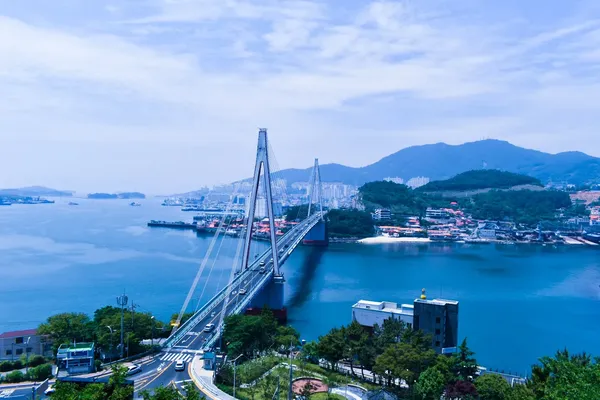

Korea's south-coast Jeollanam-do gem — a thousand-island archipelago of fresh seafood, the gat-kimchi mustard-leaf signature, and a marine cable car that frames every dinner with sunset views.
Every table ranked, verdicts written, occasions assigned. Use the occasion filter above to narrow by your dining purpose.
$ under $40 · $$ $40–$80 · $$$ $80–$150 · $$$$ $150+ per person

Yeosu eats Korean coastal at its richest. The Jeollanam-Province port of 280,000 sits on the country's southern coast, hosting the 2012 World Expo and now a year-round dining destination thanks to its archipelago geography (more than three hundred islands fall within the city's boundaries) and its access to the country's most prized seafood-fishing grounds. The Namdo region — Jeolla south coast — has Korea's deepest hanjeongsik (multi-course Korean banquet) tradition, and Yeosu eats banchan tables of forty side dishes around a centre-protein course as the standard luxury format.
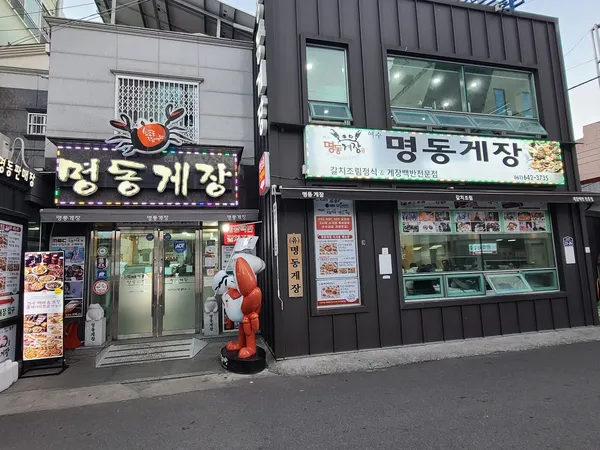
The dining map runs across three coastal zones. The Jonghwa-dong central market and the Yeosu Museum harbour area hold the seafood markets, the gejang (marinated raw crab) specialists, and the bulk of the small family kitchens. The Dolsan-do island (connected by bridge to the mainland) holds the gat-kimchi origin restaurants — gat is the leaf-mustard plant, originally cultivated only in Dolsan, and the kimchi made from it is Yeosu's most-protected food signature. The marine-cable-car-corridor between the mainland and Dolsan-do holds the dinner-and-view restaurants with continuous bay-view windows, including the higher-end hanjeongsik rooms.
Reservations matter at the better hanjeongsik rooms (a few days ahead) and at the well-known gejang specialists on weekends. The Yeosu Cable Car runs until 11pm and is the proper post-dinner anchor — a fifteen-minute crossing with the city's harbour lights below. English menus are common at the tourist-facing tier and rare at the small Jonghwa-dong family kitchens.
Pair the food with Jeolla-province makgeolli (Boseong's tea-infused Boseokju and Damyang's bamboo-fermented Jugnyeop are the two regional makgeolli labels) or with one of the Honam-region traditional sojus that the better hanjeongsik rooms keep on hand. The proper Yeosu meal closes with a cup of the regional pine-needle tea (sollipcha), grown in the Jiri-san mountain range thirty minutes north.
Explore more: dining by occasion • all cities • dining guides