The Verdict
Sushi Kimura is the counter where chef-owner Koji Kimura made his name on jukusei, the long aging of fish to draw out umami. A third-generation sushi chef, he spent years refining how to age whitefish and now builds an omakase around neta held for days, weeks, even months rather than the usual fresh-from-the-market approach.
The room is tiny, nine seats facing the chef, in Futako-Tamagawa in Setagaya, away from the Ginza sushi cluster. It earned two Michelin stars from 2013 and holds one today, and unlike Tokyo's invitation-only counters it remains bookable through reservation services. Omakase starts around 30,000 yen.
The Kitchen
Chef-owner Koji Kimura, born into a third-generation sushi family, is the acknowledged master of jukusei, the art of aging fish. After roughly six years of experiments he built a style around aged whitefish nigiri, holding neta for days to months to deepen flavor and texture, a method now widely imitated. The omakase leans on those aged cuts rather than the usual tuna and prawn showpieces, paired with warm shari. Sushi Kimura earned two Michelin stars in the Tokyo guide from 2013 and holds one today. The course runs about 30,000 yen before tax, closer to 50,000 with drinks, at a counter of nine seats.
The Room
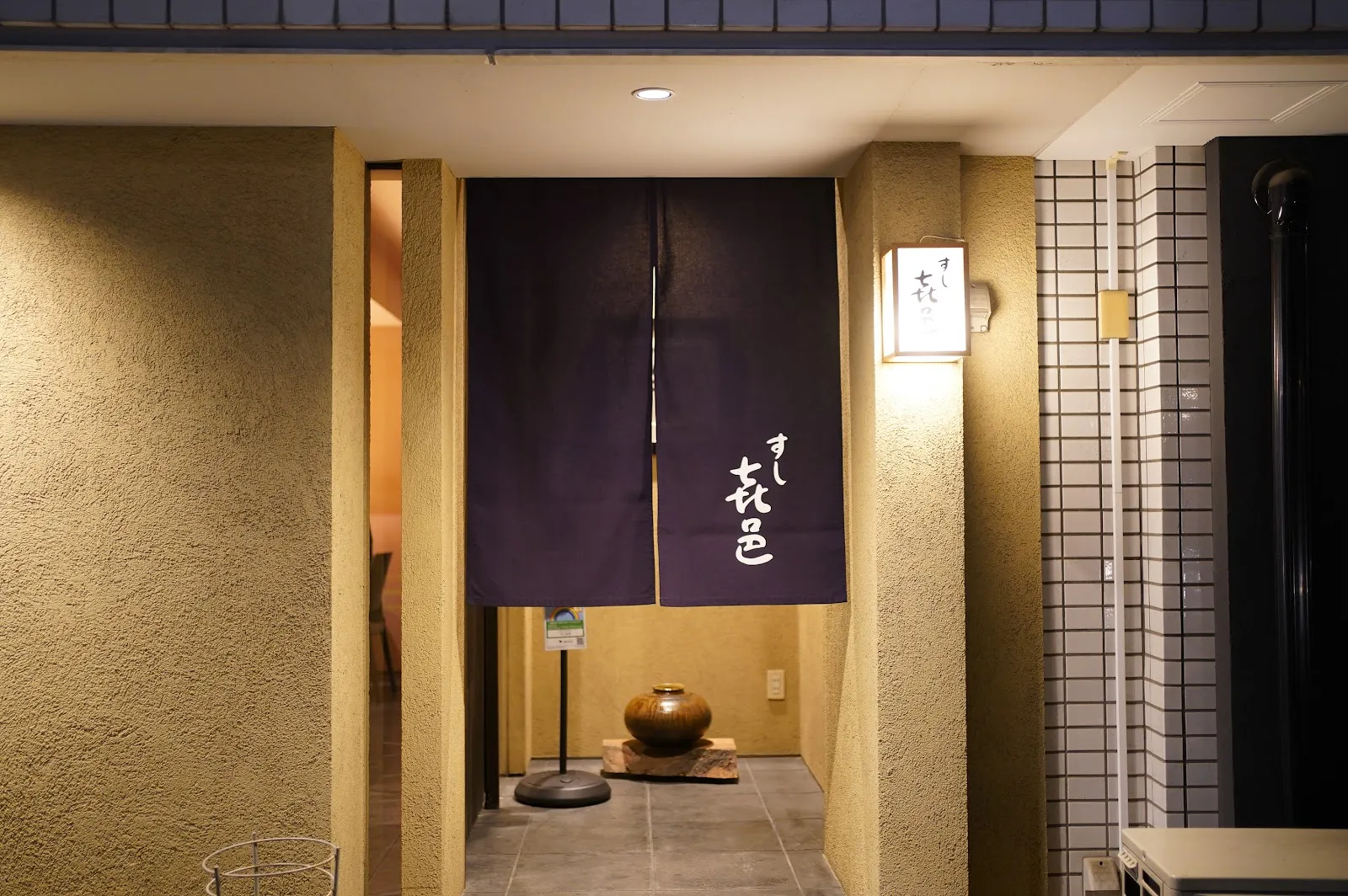
Sushi Kimura is a nine-seat counter about seven minutes on foot from Futako-Tamagawa Station in Setagaya, a residential pocket of Tokyo well outside the Ginza sushi belt. The setting is plain and focused, all attention on the chef and the cutting board. With so few seats and a single nightly service, the evening is intimate and unhurried, the opposite of a high-turnover sushi bar.
Best for Solo Dining
Book Sushi Kimura for solo dining or a serious two-top because the nine-seat counter rewards full attention on the chef's aged fish. A single diner gets the same front-row view of the knife work as anyone, and the quiet room makes conversation with the chef easy. It is a pilgrimage for sushi devotees more than a backdrop for a group.
Not For
Not for a big group, a quick meal, or anyone who wants only classic fresh tuna and prawn. The counter seats nine, the omakase is long, and the whole point is aged fish, so it disappoints diners chasing a conventional Ginza-style sushi experience.
Reservations
Sushi Kimura takes bookings through Japanese reservation services such as Omakase and Tableall, which is how most overseas guests secure a seat; it is not invitation-only. The omakase runs about 30,000 yen before tax, nearer 50,000 with drinks. There is one seating per night across nine counter seats, so book well ahead. Dress is smart casual.
Frequently Asked Questions
Is Sushi Kimura worth it?
Sushi Kimura is worth it for diners who want Tokyo's most distinctive sushi rather than its most famous. Chef Koji Kimura pioneered jukusei aged-fish nigiri, the counter holds one Michelin star after two from 2013 to 2018, and it stays bookable. It is less rewarding if you only want classic fresh tuna.
What is Sushi Kimura known for?
Sushi Kimura is known for jukusei, the long aging of fish. Chef Koji Kimura ages whitefish and other neta for days, weeks or months to concentrate umami and change texture, then serves them as nigiri over warm rice. That aged-fish style, which he spent years developing, is what sets the omakase apart.
How do I book Sushi Kimura, and how much is it?
Sushi Kimura is bookable through Japanese reservation platforms such as Omakase and Tableall, unlike some Tokyo counters that take regulars only. The omakase costs about 30,000 yen before tax, rising toward 50,000 yen with drinks. With nine counter seats and one seating a night, reserve several weeks in advance, especially for weekend dates.
Where is Sushi Kimura?
Sushi Kimura is at 3-21-8 Tamagawa in Setagaya City, about seven minutes on foot from Futako-Tamagawa Station in southwest Tokyo. It sits in a quiet residential area well away from the Ginza sushi district, which suits its small, focused nine-seat counter and single nightly service.
Also in Tokyo
Explore the full Tokyo dining guide, or compare it with Sushi Amamoto and Hakkoku. See our tasting menu guide and the best restaurants for solo dining.