Minneapolis's Finest Tables
50 restaurants listed
The Minneapolis Top 10
Demi
Gavin Kaysen's second act is his most refined. Twenty counter seats, nine to eleven courses, and a culinary philosophy that draws on French classical training and relentless Midwestern sourcing. The North Star Series — which brings in Michelin-starred guest chefs at $695 per person — is the most exclusive dining event in the state. Demi is the table that proves Minneapolis belongs in any conversation about America's great dining cities.
Spoon and Stable
The restaurant that put Minneapolis back on the national dining map. Kaysen opened Spoon and Stable in 2014 in a converted horse stable, and it has never stopped being the city's most consistently excellent room. The seasonal menu changes frequently; the service standard never wavers. The private dining room handles corporate accounts with the kind of discreet competence that makes it Minneapolis's default choice for deals that actually need to close.
Owamni
Sean Sherman, the Oglala Lakota chef known as The Sioux Chef, built a restaurant that serves only pre-colonial ingredients — no wheat, no dairy, no cane sugar, no ingredients introduced after European contact. The result is one of the most genuinely original dining experiences in the country. Owamni is currently relocating to the Guthrie Theater riverfront space in spring 2026, which will give it one of the most dramatic dining rooms in the Midwest.
Bûcheron
Chef Adam Ritter's Kingfield brasserie is named for the French word for lumberjack — a nod to the skilled craftsmen of Minnesota's Northwoods — and it approaches cooking with the same focused, patient methodology. The menu is deceptively simple: root vegetables, wagyu, steelhead trout, executed with French precision and served with genuine Minnesota warmth. The check arrives with gratuity built in. No performance, no pretense.
Kado no Mise
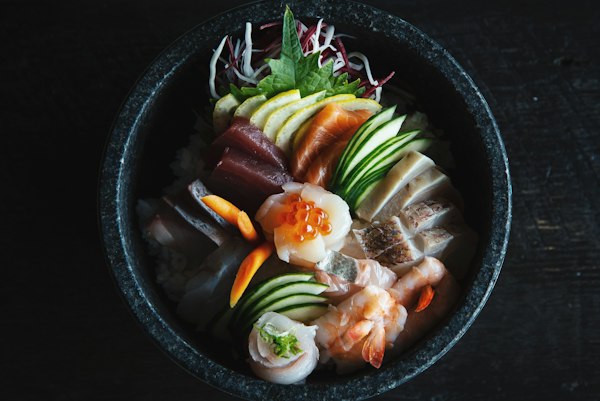
Chef Shigeyuki Furukawa left Tokyo to cook sushi in Minneapolis, and somehow it makes perfect sense. His three omakase paths — from a focused ume format at $84 to the full matsu experience at $192 — trace an ascending arc of precision. The kasugo snapper, the bluefin in season, the house-made soy: each element reveals something specific about Furukawa's philosophy. The corner counter on the second floor of the North Loop is one of the most serene dining environments in the city.
Vinai
Yia Vang's debut fine dining restaurant opened in July 2024 as a love letter to his parents and to Hmong culture — bold, herb-driven, sharing-friendly, and emotionally resonant in a way that few restaurants ever achieve. The large-format mains arrive at the table as shared centrepieces. The fermented vegetable sides and herb-heavy condiments are unlike anything else being cooked in the city. This is the table that national food media can't stop writing about.
Porzana
Daniel del Prado opened Porzana in 2023 in the building that once housed The Bachelor Farmer — a symbolic passing of the North Loop torch. The Argentine wood-fire steakhouse reflects del Prado's Buenos Aires childhood: cold raw bar, house-made pastas, prime Argentine and domestic steaks, and a 44-ounce wagyu tomahawk that arrives on its own terms. The room is dark, handsome, and alive with the energy of a restaurant that knows it has arrived.
Restaurant Alma
Alex Roberts opened Alma in 1999 and it has been the city's most quietly essential restaurant ever since. The three-course prix fixe at $115 rotates with the seasons, drawing on Minnesota's exceptional dairy, game, and produce. The room seats 50 and feels half that size — intimate, warm, unhurried. There is no better restaurant in Minneapolis for a proposal dinner, a private celebration, or simply a meal that asks nothing of you except your full attention.
Hai Hai
Christina Nguyen's Southeast Asian stunner in Northeast Minneapolis is one of those restaurants that looks effortless and is anything but. The crispy rice and snapper crudo are required. The outdoor patio in summer turns the whole place into the best casual dining experience in the city. Hai Hai is where Minneapolis celebrates life on a Wednesday night.
Young Joni
Ann Kim's flagship — a James Beard-winning combination of creative wood-fired pizza and Korean-influenced small plates in a Northeast industrial space. The room is loud and joyful in equal measure, and the food consistently exceeds what you'd expect from a room this casual. Young Joni is where Minneapolis teams celebrate wins and where big groups get the job done without anyone feeling like they compromised.
Best for First Date in Minneapolis
Best for Close a Deal in Minneapolis
The Minneapolis Dining Guide
Everything you need to eat and drink in the Mill City
The Dining Culture
Minneapolis has an overachieving food scene by any measure — yet it remains criminally underrated on the national stage. The James Beard Foundation has recognised Minneapolis chefs and restaurants with more frequency than cities three times its size, yet the city doesn't receive the travel media coverage it deserves. That is changing, slowly, and visitors who discover Minneapolis now feel the satisfaction of being ahead of the curve.
The dining culture here is defined by a genuine commitment to the Midwest larder: wild rice, walleye, bison, local dairy, and some of the country's finest cold-weather produce. Chefs here don't pretend they're in New York or Paris — they cook with conviction about where they are, and the food is better for it.
Minneapolis diners are sophisticated and adventurous. The city has embraced tasting menus, omakase counters, and chef-driven experimentation with enthusiasm. Indigenous cuisine (particularly through Owamni), Hmong cooking (Vinai), and Korean-influenced menus have all found serious audiences here.
The Neighborhoods
North Loop (Warehouse District): The city's culinary anchor. Spoon and Stable, Demi, Kado no Mise, and Porzana all cluster here within walking distance. The neighborhood's converted warehouses and brick lofts make for some of the best ambient dining environments in the Midwest. Book Target Field nights early — the area fills with baseball crowds and restaurants are at capacity.
Northeast (Nordeast): The creative, industrial neighborhood across the river. Hai Hai and Young Joni lead a densely packed dining and drinking scene that includes craft breweries, natural wine bars, and galleries. More casual than the North Loop, but producing food that is every bit as interesting.
Kingfield and South Minneapolis: Residential neighborhoods that house some of the city's most personal cooking. Bûcheron in Kingfield represents the new wave — chef-driven neighborhood restaurants that compete with downtown for serious diners' attention without any of downtown's self-consciousness.
Reservation Strategy
Minneapolis reservations require more advance planning than the city's modest profile might suggest. Demi releases tickets via Tock and sells out weeks in advance for weekend seatings. Kado no Mise books via Tock with three omakase paths — the matsu (top tier) fills first. Spoon and Stable books via Tock and rarely has same-week weekend availability.
Bûcheron and Restaurant Alma both use traditional reservation systems and are slightly more accessible, though weekend prime times go fast. Owamni's transition to the Guthrie Theater in spring 2026 may temporarily affect availability — check their website directly.
For walk-in options, Vinai accepts walk-ins for bar seating. Young Joni and Hai Hai both have strong bar programs that accommodate spontaneous evenings more readily than the tasting-menu restaurants.
The Minneapolis Table Etiquette
Tipping: Several Minneapolis restaurants have moved toward built-in service charges — Bûcheron bakes in 18%, and Kado no Mise includes a 21% charge. Check before assuming. At other restaurants, 20% is standard; 25% is common for exceptional service.
Dress: Minneapolis tends toward "smart casual" even at the finest restaurants. Demi and Kado no Mise see guests in everything from jackets to sweaters. Overly casual attire is rare enough to be notable. Arrive dressed like you know where you are.
Seasons: Minneapolis winters are serious. Restaurant heat is excellent, but walking between venues requires proper outerwear November through March. The flip side: summer dining in Minneapolis — particularly on Hai Hai's patio — is transcendent.
Driving and Parking: The North Loop has paid parking ramps. Northeast has street parking. Rideshare services are reliable throughout the city and strongly recommended for any evening that involves a serious wine program.