First Date
Jeonju is a solo eater’s city: counters, ten-minute bowls, and a 24-hour rhythm that never makes a single diner feel conspicuous. Three rooms do it best, in descending order of fuss.
The hanok rooms beat the brass-tabled diners here: warmer light, lower tables, and a conversation that survives the meal. Match the room to how well you know each other.
Group eating in Jeonju runs long and casual, hopping between a sit-down room and the night market. These three absorb a table of six and a few rounds of makgeolli.
Proposals, client dinners and milestone birthdays all point to one room. Jeonju keeps its formality in a single address rather than a dozen.
Jeonju is the birthplace of Jeonju-style bibimbap, the rice bowl mixed with seasonal namul vegetables, a raw or seared egg, and gochujang fermented for years. The city is also known for hanjeongsik, the multi-dish royal banquet, and for kongnamul gukbap, a bean-sprout soup eaten morning and late night. UNESCO named Jeonju a Creative City of Gastronomy in 2012 for exactly this depth of everyday cooking.
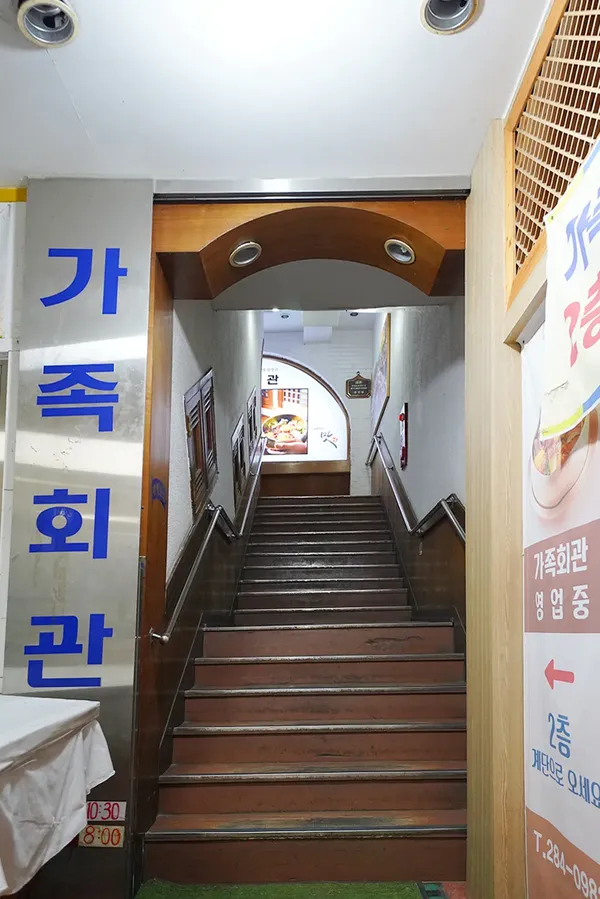
Hangukjib, open since 1952 and listed in the Michelin Guide, is the reference bibimbap in Jeonju, three blocks from the Hanok Village. Korean food critics often prefer Gajok Hoegwan for its denser, smokier gochujang and its raw-beef yukhoe bibimbap. The right move is to eat both: the two houses are about nine minutes' walk apart, and the comparison is the point.
Mostly no. Jeonju's bibimbap, noodle and soup institutions are walk-in only and do not take bookings; the real constraint is the lunch queue, which can run forty minutes at peak. The exception is hanjeongsik: the banquet room Yangban-ga takes reservations and a week's notice is enough for a weekend evening. For everything else, arrive before noon or after 2:30pm.
Jeonju is inexpensive by big-city standards. A famous bowl of bibimbap runs about ₩14,000, ₩18,000, a bowl of kongnamul gukbap is ₩9,000, and a kalguksu bowl is ₩7,000, ₩11,000. The splurge is hanjeongsik: Yangban-ga's standard banquet is ₩45,000 per person and its premium royal-cuisine version ₩75,000. None of these figures includes a tip, because tipping is not practised.
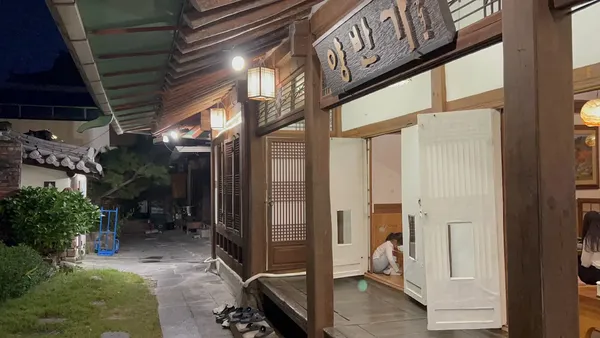
Hanjeongsik is a full Korean banquet: a central protein course surrounded by twenty-five to thirty-five small banchan dishes laid out at once. In Jeonju the clearest example is Yangban-ga, set in a 1920s former yangban (literati-class) residence in the Hanok Village. The standard menu is ₩45,000 and the meal runs about two and a half hours; book a week ahead for weekend evenings.
No. Tipping is not part of Korean dining and no restaurant in Jeonju adds a service charge or expects one, from the cheapest noodle counter to the priciest banquet. Leaving extra cash tends to cause confusion rather than please staff. Pay the listed price, and if you want to show appreciation, order the makgeolli the staff recommend.
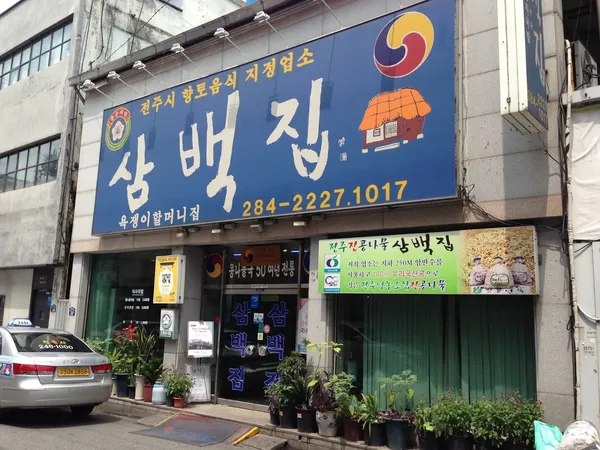
Start with kongnamul gukbap at Sambaekjip, the 1979 bean-sprout-soup house just north of the market that serves from 6am to 2am. Then climb to the Yeoungdo night market upstairs, which runs Friday to Sunday evenings, for skewers, baguette-style street snacks and makgeolli. The market sits a short walk from the Hanok Village, so it pairs naturally with a bibimbap lunch.
Yes, more than almost any city its size in Korea. Jeonju is a UNESCO Creative City of Gastronomy where the defining dishes, bibimbap, hanjeongsik and kongnamul gukbap, are all eaten in their original form within a few walkable blocks. You can taste the reference version of three national dishes in one day, for very little money, without a single reservation beyond the banquet room.
Best restaurants in Gwangju · Best restaurants in Daejeon · Best restaurants in Seoul · Best restaurants in Busan · Best restaurants in Jeju
More in our guide to the best Korean restaurants worldwide and the full RFK city directory.
RFK Newsletter
We email you when a table worth booking opens in Jeonju, reviewed by our editors, never paid placements.