
#2 in Daejeon
Salon de Neutti
First Date
The Dunsan-dong French-Korean-fusion, refined-flavours-and-exceptional-wines, the city's most-rated upscale-fine-dining-with-wine destination.
Food 9.2
Ambience 9.5
Value 8.5
South Korea's R&D capital, the Chungcheong-province administrative-and-research hub anchored by Daedeok Innopolis, the Sky31 Convention 31st-floor seafood buffet, and the Dunsan-dong upscale-dining strip with Korea's most-international fine-dining outside Seoul.
Every table ranked, verdicts written, occasions assigned. Use the occasion filter above to narrow by your dining purpose.
$ under $40 · $$ $40–$80 · $$$ $80–$150 · $$$$ $150+ per person

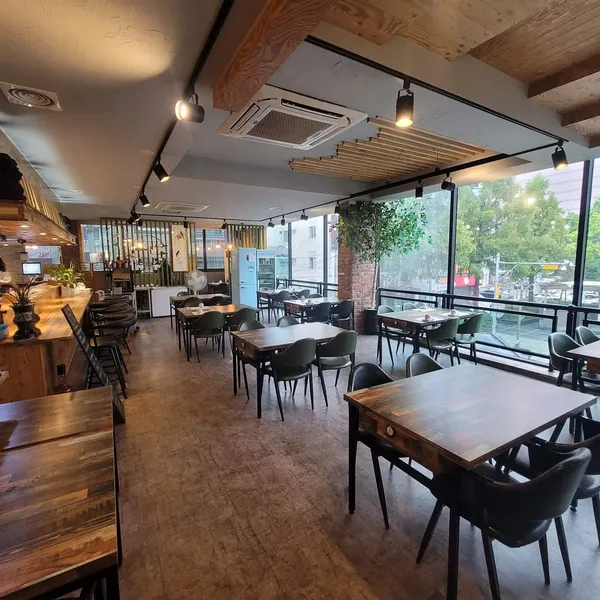
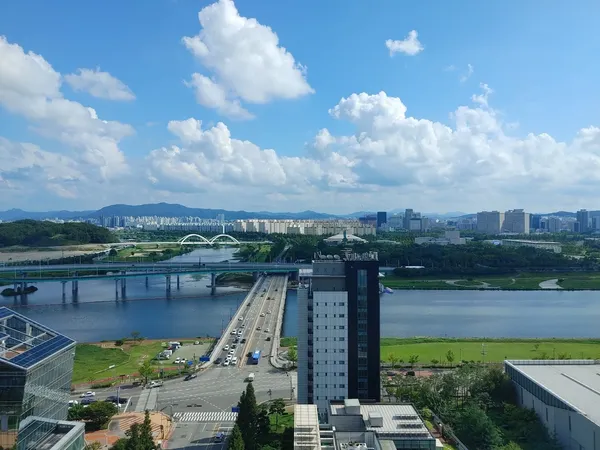
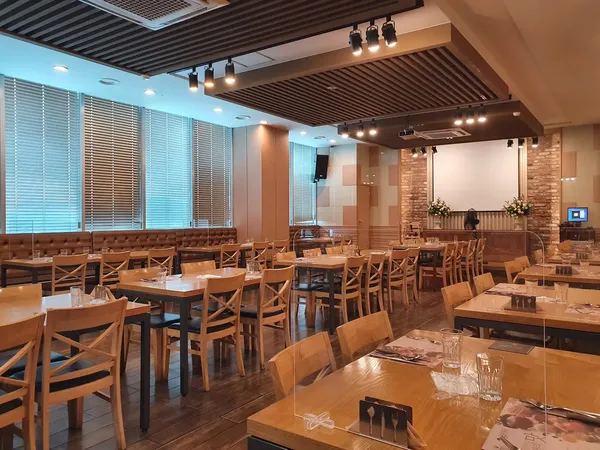

Daejeon dines for the R&D economy. South Korea's fifth-largest city, population 1.5 million, ninety minutes south of Seoul on the KTX high-speed-train line, is the country's R&D-and-administrative capital, with Daedeok Innopolis (the 70-square-kilometre science-and-technology research-cluster that holds 26 government research institutes including KAIST and the Korea Research Institute of Standards and Science), the Government Complex Daejeon (the secondary administrative-capital that hosts the Korea Forest Service, the Korea Customs Service, the Korea National Statistics Office, and the Patent Office), and the Daejeon Convention Center cluster that anchors the city's MICE (meeting-incentive-conference-exhibition) tourism. The dining scene reflects the corporate-and-research-and-administrative mix: the Sky31 Convention buffet at the Hanwha Convention Center 31st floor (the city's panoramic-view fine-dining-buffet anchor), the Dunsan-dong upscale-restaurant strip in Seo-gu (the western-fusion-and-international-fine-dining cluster that mirrors the Seoul-Cheongdam-dong format), and the Daejeon-only Yuseong-area hot-springs hotels (where the Korean-traditional jeongsik-set-meal Korean-banquet format operates).
The cuisine spread is the Chungcheong-regional Korean cooking refined, with strong international-fusion overlay. The Korean-Chungcheong regional canon, the slow-cooked saekdong-ddeokguk multi-coloured rice-cake-soup, the Daejeon-specific kalguksu hand-cut wheat-noodle-soup, the Chungcheong-style ddukbaegi-bulgogi clay-pot beef stew, runs at every dining tier. The Korean-hanu (the premium-Korean-beef, the Korea-equivalent of Japanese Wagyu), including the Yeongwol Hanu and the Hoengseong Hanu graded 1++, runs at the steakhouse-and-Korean-BBQ premium destinations. The Korean-omakase format (the Seoul-style high-end Japanese-Korean-sushi-fusion tasting menu) has multiple destinations in the Dunsan-dong area. The Western-fusion (the French-Italian-American-Korean-fusion fine-dining format, the Salon de Neutti example) has been the city's growth-segment since the late 2010s.
The dining map clusters around three poles: the Hanwha Convention Center / Sky31 (the central business district 31st-floor panoramic-view buffet), the Dunsan-dong restaurant-street (the Seo-gu upscale-fusion-and-international cluster, the Salon-de-Neutti, the Omakase-Kitchen, and the Western-fusion fine-dining destinations), and the Yuseong-onhcheon-resort hot-springs hotel cluster (the Korean-traditional jeongsik-set-meal banquet format, the Lotte City Hotel Daejeon, the Hotel Onoma). The KAIST-and-Daedeok-Innopolis research-park area holds the corporate-banquet venues for the research-institute hosting events.
Pair the dinner with one of the post-meal Daejeon set-pieces: the Daejeon Expo Bridge-and-Park (the 1993 Daejeon-Expo legacy-park, lit nightly with the Hanbat-arboretum walking-paths), the Yuseong hot-springs onsen-bath (the post-dinner Korean-spa tradition; the city is named for the famous Yuseong hot-springs that the Joseon-dynasty kings visited), the Hanbat-arboretum (the 56-hectare Korean-traditional-garden in the central park area), or the day-trip-to-Gongju-Buyeo Baekje-dynasty-heritage-tour (the 30-minute drive west to the UNESCO Baekje-dynasty royal-tombs and ruins). Note the Korean-corporate-dining etiquette (the senior-host pours the alcohol for the junior-and-guest; the soju-and-Korean-craft-beer drinking-culture is integral to corporate-dinners; vegetarian-international-clients should pre-flag the kitchen as the Korean-vegetarian-tradition is limited). Korean-won pricing (1 USD = 1,400 KRW; the Korean-banquet venues run 50,000-150,000 KRW per cover; the omakase-and-fine-dining venues run 200,000-450,000 KRW per cover).
Explore more: dining by occasion • all cities • dining guides
New — the nightly brief
Tonight in Daejeon →RFK Newsletter
We email you when a table worth booking opens in Daejeon, reviewed by our editors, never paid placements.