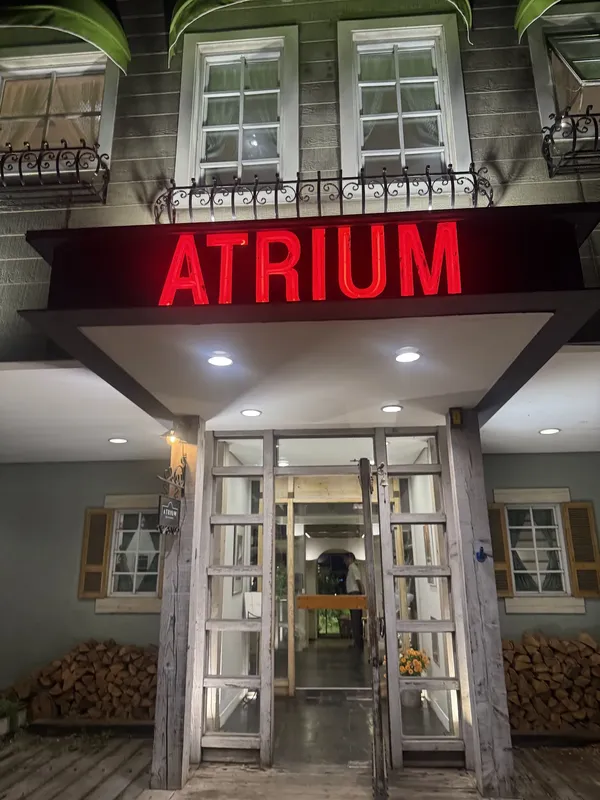
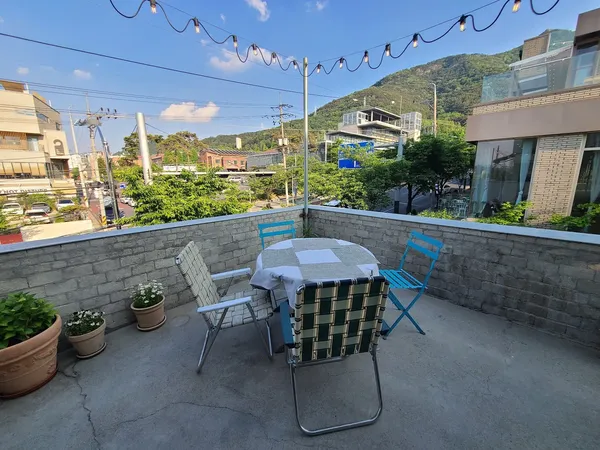
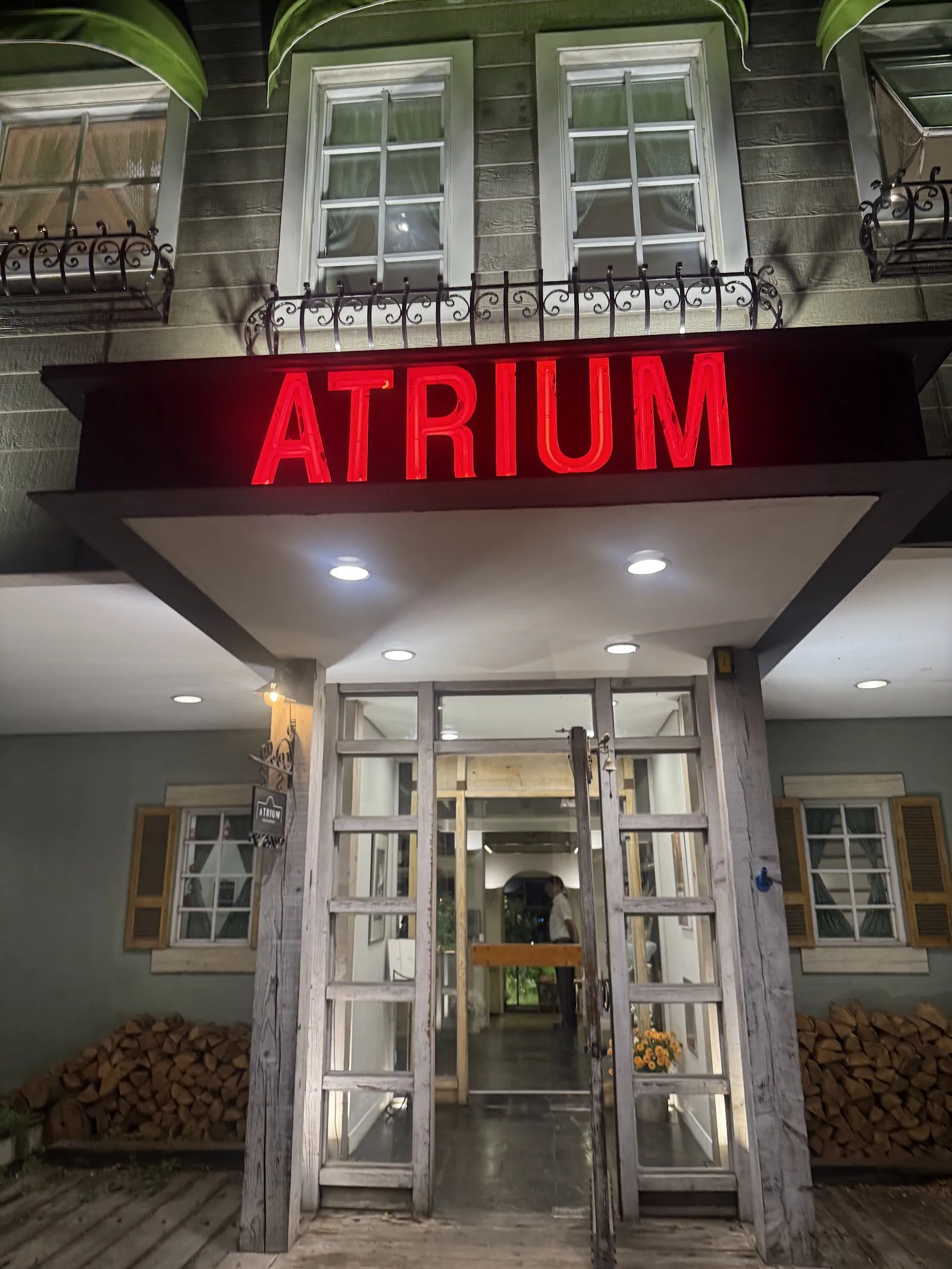
Atrium
Best for Impress ClientsDaegu's most precise French tasting-menu room — the table Seoul-based critics quietly recommend when asked where Daegu eats at its highest register.
South Korea's fourth city and its most underestimated food destination. Mountain-basin humidity, Gyeongsang hospitality, a handful of quietly excellent tasting-menu rooms, and hotel restaurants that would command stars in any Michelin Guide that bothered to publish there.
Daegu is the South Korean city that Seoul-based food writers forget to write about — which is partly why it still has the best value in Korean fine dining. The city sits in a basin ringed by mountains, two hours south of Seoul on the KTX. It is the birthplace of several Gyeongsang-province cuisines, the origin of the apple that bears its name, and the home of a small but genuinely accomplished tasting-menu scene that would earn stars in any guide willing to publish one. The 2026 Michelin Guide Korea still covers only Seoul and Busan — Daegu is waiting its turn, and the kitchens here know it.
$ Casual $$ Mid-tier $$$ Upscale $$$$ Luxury
Daegu's most precise French tasting-menu room — the table Seoul-based critics quietly recommend when asked where Daegu eats at its highest register.
A quiet, monastic Korean tasting-menu counter where fermentation, mountain herbs, and temple-cuisine discipline are treated as architecture rather than nostalgia.
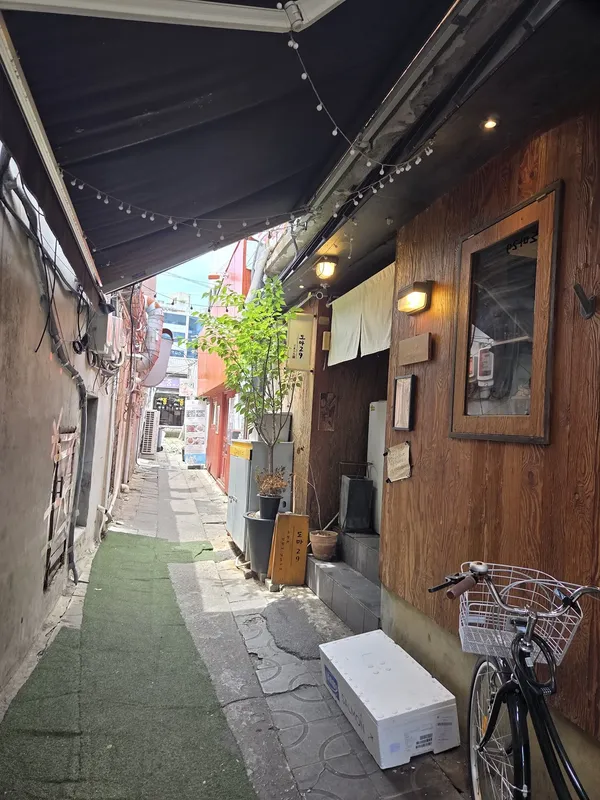
Daegu's benchmark omakase — ten seats, Tsukiji-trained chef, and the city's most serious approach to nigiri, priced well below its Seoul or Tokyo equivalents.
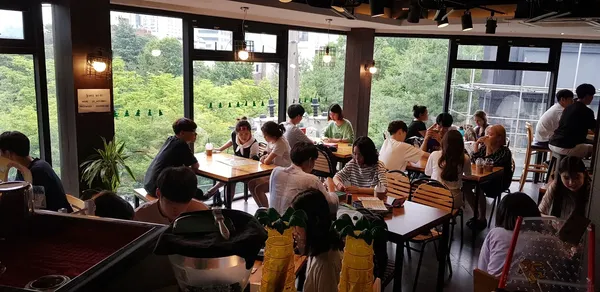
Daegu's Italian benchmark — handmade pastas, a proper wood-fired oven, and a hillside room with a view across Apsan park.
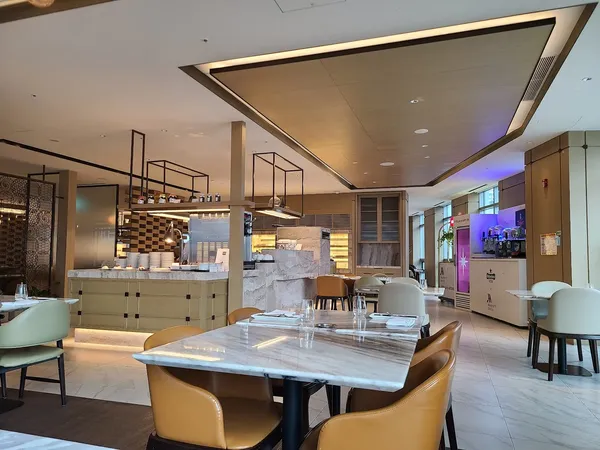
The Daegu Marriott's signature dining room — proper hotel-fine-dining execution, international wine list, and the reliable neutrality of a luxury-brand kitchen.
Suseong-gu — the affluent lakeside district in the city's east, where the finest Korean fine-dining rooms cluster. Atrium and Noriteo both operate here. Dongseongno / Downtown — the central shopping and entertainment district. Doma 29's sushi counter is a few minutes from the main pedestrian spine. Apsan Café Street — a scenic neighbourhood by Apsan Park with a density of upscale cafés and independent restaurants; Zione Kitchen, the city's Italian benchmark, is near here. Marriott / Novotel districts — international hotel dining (Urban Kitchen, East Gate, the InterBurgo rooms) clusters in the downtown and Suseong hotel corridor.
The cuisine here is Gyeongsang-dominated — the province whose palate favours pungency, fermentation, and the sharper, more direct flavours of the south. Mak-galbi (short ribs), dwaeji-gukbap (pork soup), and the mountain-herb banchan of the surrounding highlands all originate here or near here. The fine-dining scene uses this inheritance loosely — Atrium's French menu borrows local seasonal herbs; Noriteo's tasting plates move between French technique and Korean-temple-cuisine quietness. The effect is a city that rewards curiosity more than it rewards Instagram.
Reservations are recommended at the finest tasting-menu rooms, particularly Atrium and Noriteo, and can usually be made one week ahead. Naver Place is the dominant Korean reservation platform; Catch Table is the English-language alternative. For hotel dining at the Marriott and Novotel, the reservation system is English-native. Weekend dinners fill faster; Tuesday through Thursday availability is broadly good.
Dress code: Smart casual; Seoul-level formality is not required. Business attire is appreciated at hotel fine-dining rooms. Tipping: Not expected in Korea. Service charges may apply at hotels; do not tip beyond that. Timing: Dinner runs 6pm to 9pm, earlier than Seoul. Korean fine dining moves quickly — a full tasting menu at Atrium or Noriteo runs around two hours. Language: Korean is the default; English is spoken at hotel restaurants and most tasting-menu rooms. Outside that, Naver Papago or a bilingual contact helps considerably. Getting around: The Daegu metro is efficient and English-signed. Taxis are cheap; Kakao T is the local ride-hailing app.
South Korea's fourth-largest city — 2.4 million people in a basin ringed by mountains, with a dining scene that rewards travellers who look beyond Seoul.