RFK Cuisine · Japanese · Chicago
Best Japanese Restaurants in Chicago 2026
Japanese · Chicago · 7 rooms ranked · Updated June 2026
Compiled by the Restaurants for Kings editorial team · Published June 20, 2026 · Updated June 20, 2026
B.K. Park earned a Michelin star for his omakase counter at Mako, then kept his original Lincoln Park sushi bar running across town, which tells you how far Chicago Japanese dining has come: the city now supports a master twice over. Most of the action has gathered in Fulton Market, where a Michelin sushi counter, an award-winning kappo-and-cocktail room and a sprawling izakaya sit within a few blocks of each other. The range runs from a 22-seat nigiri progression to a robata grill built for a crowd. These are the seven Chicago Japanese restaurants worth booking in 2026, ranked on the cooking, the room and what the bill buys, with the dish to order and how to get a seat at each.
1.Mako
Chicago's Michelin-starred sushi counter, B.K. Park's 22-seat omakase in Fulton Market, book it for the city's best nigiri.
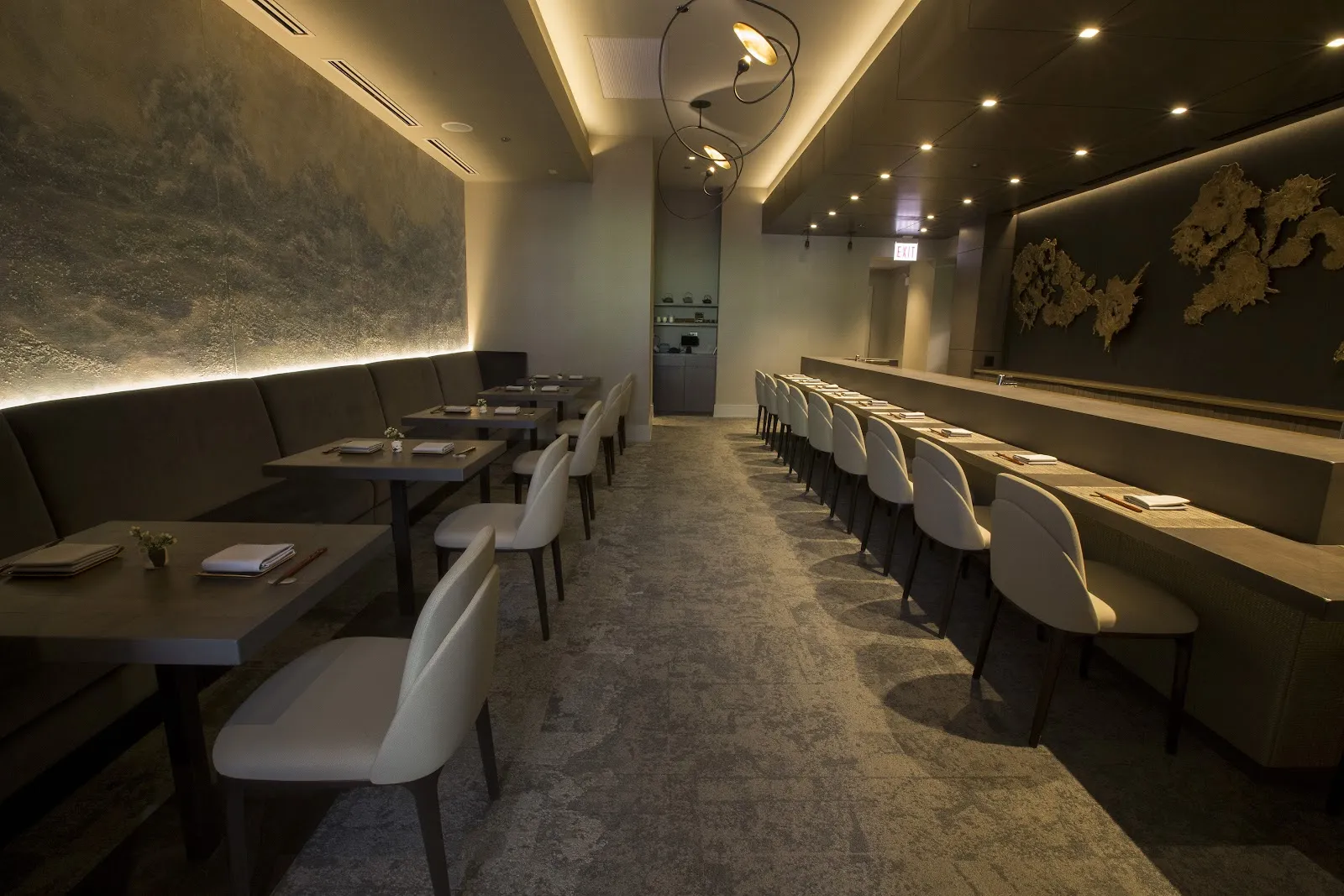
Mako, on West Lake Street in Fulton Market, is the city's reference sushi room and holder of a Michelin star. Chef B.K. Park, a veteran of Chicago's omakase scene, runs a 22-seat counter and a tightly considered nigiri progression, around 235 dollars, built on carefully sourced and aged fish in the Edomae tradition. The space is sleek and modern, the pace measured, the focus entirely on the procession of pieces in front of you. It is the most serious and consistent sushi in Chicago, and the table most worth planning around. For the city's top omakase, book as far ahead as the window allows and sit at the counter rather than a table.
Reserve direct or via Tock; the counter omakase, the aged tuna, a sake pairing over wine.
2.Kumiko
Julia Momose's kappo-and-cocktail room, one of America's best bars; book Kumiko when you want Japanese food and exceptional drinks together.
Kumiko, a few doors from Mako on West Lake Street, is Julia Momose's singular take on the Japanese kappo tradition, where delicate, seasonal cooking is built to pair with one of the most acclaimed drinks programs in the country. The format is a counter-led tasting or à la carte, with each plate calibrated to a cocktail, a sake or a non-alcoholic pairing; downstairs, the spirits-led bar Kikkō runs its own omakase. It is not a sushi restaurant but a food-and-drink experience unlike anywhere else in the city. For a sophisticated night where the glass matters as much as the plate, book a week ahead and lean on the bar's guidance.
Reserve via Tock; the kappo tasting with the cocktail pairing, and a nightcap downstairs at Kikkō.
3.The Omakase Room
The hidden omakase counter behind Sushi-san; book The Omakase Room for a focused, chef-led nigiri night in River North.
The Omakase Room, tucked behind the buzzy Sushi-san in River North, is the quiet, serious counter the Lettuce Entertain You group built for diners who want the full chef-led format. A handful of seats, a multi-course nigiri omakase, and a single chef working directly across the counter make it a calmer, more intentional experience than the room next door. The fish is high quality and the progression traditional, an Edomae-leaning meal at a price below the marquee counters. It is the smart middle option between a casual sushi dinner and a top-dollar omakase. For an intimate counter night in the center of the city, book a week or so ahead and take the full omakase.
Reserve via the Sushi-san booking system; the full nigiri omakase, with a sake flight to match.
4.Momotaro
Fulton Market's grand multi-level izakaya; book Momotaro for robata, sushi and a buzzing room that suits a celebration or a group.
Momotaro, on West Lake Street from the Boka Restaurant Group, is the grand izakaya of the Fulton Market cluster, a multi-level space with a glamorous main dining room, a robatayaki grill, a sushi bar and a basement izakaya, Izakaya Momotaro, for a more casual sit. The menu sprawls across robata skewers, sushi and sashimi, tempura and big sharing plates, all turned out with polish in a room built for energy. It is the choice when you want Japanese food as a celebration or a group night rather than a quiet counter. Expect a flexible bill depending on how you order. For a lively, wide-ranging Japanese dinner, book a few days to a week ahead, more for a weekend.
Reserve via OpenTable; the robata skewers, the sushi selection, and the basement izakaya for a casual round.
5.Juno
B.K. Park's original Lincoln Park sushi bar; book Juno for the Mako chef's cooking at a friendlier price and an easier table.
Juno, on North Lincoln Avenue in Lincoln Park, is where B.K. Park made his name before Mako, and it remains a top-tier sushi bar in its own right. The room offers both à la carte sushi and an omakase, with the same obsessive sourcing that earned Park his Michelin star at Mako but a more accessible price and a neighbourhood mood. It is the savvy choice for a diner who wants serious Chicago sushi without the marquee counter's cost or wait. The à la carte route lets you build your own meal around the day's best fish. For Park-level sushi at a friendlier table, book a few days ahead and ask what is best that night.
Reserve via Tock or OpenTable; the chef's omakase, or à la carte nigiri built around the day's catch.
6.Sushi-san
River North's fun, hip-hop-soundtracked sushi bar; book Sushi-san for great-value rolls and nigiri on a sociable night out.
Sushi-san, on West Grand Avenue in River North, is the most fun sushi room in the city, a Lettuce Entertain You spot with a hip-hop soundtrack, a buzzing counter and a menu of well-made nigiri, hand rolls and Japanese-American plates at sane prices. It is not chasing a star, and does not need to: the point is quality sushi in a lively, unpretentious room that suits a date, a group or a solo seat at the bar. The hand rolls and the value nigiri sets are the smart orders. For a sociable, good-value sushi night without the omakase commitment, walk in off-peak or book a few days ahead, and slip behind to The Omakase Room if you want the serious version.
Reserve via OpenTable or walk in; the hand rolls, the value nigiri set, a cold beer or sake.
7.Arami
West Town's neighbourhood izakaya and sushi bar; book Arami for handmade sushi and ramen in a warm, wood-lined room.
Arami, on West Chicago Avenue in West Town, is the neighbourhood izakaya that has quietly held its standard for years, a warm, wood-and-bamboo room serving carefully made sushi alongside robata skewers, izakaya plates and a well-regarded ramen. It is less a destination than a reliably excellent local, the kind of place that rewards repeat visits and a seat at the sushi bar. The cooking is honest and consistent, the mood relaxed, the prices fair for the quality. For a low-key but serious Japanese dinner away from the Fulton Market crowds, book a few days ahead or take a seat at the counter. This is the neighbourhood pick, not the special-occasion one.
Reserve via Tock or OpenTable; the sushi bar selection, a robata skewer or two, and the ramen.
How Chicago eats Japanese
Chicago Japanese dining clusters in and around Fulton Market on the Near West Side, where Mako, Kumiko and Momotaro sit within a few blocks, giving you a Michelin sushi counter, a kappo-and-cocktail room and a grand izakaya in one walkable stretch. River North adds Sushi-san and its hidden Omakase Room, Lincoln Park has Juno, and West Town keeps Arami. The split is the familiar one: chef-led counters for a quiet, expensive, reservation-hard night, and izakaya for sharing plates and drinking with a group.
A few practical notes for 2026. Mako is the only Michelin-starred room and the hardest counter seat, so book the window early; Juno is the easier way into the same chef's cooking. Kumiko is a food-and-drink experience rather than a sushi bar, so go for the pairing, not the nigiri. The izakaya, Momotaro, Sushi-san and Arami, are à la carte and more spontaneous. Tipping is customary on top of the bill. For the wider city, use the full Chicago dining guide, and compare other cities on the Japanese cuisine pillar.
Where not to look for it
Skip these for a serious Chicago Japanese meal
The all-you-can-eat and conveyor-belt rooms, for real sushi. The unlimited-roll spots scattered around the city are fine for a fast, cheap lunch but have nothing to do with the cooking here. For genuine sushi at an accessible price, book Sushi-san or Juno instead.
Kumiko, if you specifically came for nigiri. It is a kappo-and-cocktail room, not a sushi counter, and the joy is the pairing of food and drink. If a sushi progression is the point of the night, book Mako or The Omakase Room, and save Kumiko for an evening built around the glass.
Frequently asked
What is the best Japanese restaurant in Chicago?
Mako, in Fulton Market, is the city's top Japanese room by the Michelin rating: chef B.K. Park's 22-seat omakase counter holds a Michelin star and runs a refined Edomae-style nigiri progression. For something more freewheeling, Kumiko blends Japanese kappo cooking with one of the best bar programs in the country, and Momotaro is the grand izakaya for a group. Choose Mako for a serious sushi counter, Kumiko for food and drink together, and Sushi-san for a fun, well-priced night.
Does Chicago have a Michelin-starred sushi restaurant?
Yes. Mako, chef B.K. Park's omakase counter in Fulton Market, holds a Michelin star and is the city's reference sushi room, with a 22-seat counter and a nigiri-led omakase around 235 dollars. Park also runs Juno, his earlier Lincoln Park sushi bar, which offers a more accessible way into his cooking. Other serious counters operate around the city, but Mako is the current Michelin-starred benchmark for Japanese dining in Chicago.
How much does omakase cost in Chicago?
Top omakase in Chicago runs from roughly 150 to 250 dollars a head before drinks. Mako's counter omakase is around 235, and the dedicated omakase counters such as The Omakase Room sit in a similar band. Juno offers a more affordable nigiri experience, and izakaya like Momotaro, Sushi-san and Arami are à la carte, where you control the bill ordering sushi, robata and small plates. Drinks and the customary tip push the figure up, so confirm the current price when you book.
Where is the Japanese restaurant scene in Chicago?
The center of gravity is Fulton Market on the Near West Side, which holds Mako, Kumiko and Momotaro within a few blocks of each other. River North has Sushi-san, Lincoln Park has Juno, and West Town keeps Arami. The Fulton Market cluster is the easiest base for a Japanese-focused night, with a Michelin counter, a kappo-and-cocktail room and a grand izakaya all walkable. Book the counters ahead and keep the izakaya for a more spontaneous evening.
Is Kumiko a sushi restaurant?
Not exactly. Kumiko, in Fulton Market, is a Japanese-influenced restaurant and bar from Julia Momose, built around the marriage of kappo-style cooking and a exceptional drinks program rather than a sushi counter. The food is delicate and seasonal, designed to pair with cocktails, sake and non-alcoholic pairings, and the bar is among the most acclaimed in the United States. Book Kumiko when you want Japanese-leaning food and exceptional drinks together; book Mako or The Omakase Room when you specifically want sushi.
More Japanese, by city
More from RFK
Browse the full Chicago dining guide, compare the global field on the best Japanese worldwide, read the verdict on Michelin-starred Mako and Fulton Market's Kumiko, weigh the city's best steakhouses in Chicago, plan a table to impress a client, book a first date at the counter, or open the full RFK cuisine index.
Restaurants for Kings is reader-supported. Some reservation links are affiliate links with OpenTable, Resy or Tock; we earn a small commission at no cost to you, and a link never buys a place on a ranking. Editorial scores and ranking order are independent of any commercial relationship. See our ranking methodology.