RFK Cuisine · Italian · Tokyo
Best Italian Restaurants in Tokyo 2026
Italian · Tokyo · 6 rooms ranked · Updated June 2026
Compiled by the Restaurants for Kings editorial team · Published June 20, 2026 · Updated June 20, 2026
Tokyo brings the same fixation to Italian cooking that it brings to sushi: chefs who spend a decade in Italy, then come home and cook the food through Japanese ingredients at their seasonal peak. The result is a hybrid that neither Milan nor Rome quite makes, Mediterranean forms built on Japanese fish and vegetables, plated with itamae precision. The best of it is Michelin-recognized and one room, Luca Fantin's, was named the most creative Italian restaurant in Asia. From a starred dining room on the 40th floor of a Bvlgari hotel to a Daikanyama counter cooking Sicily through Japanese produce, here are six, ranked on the cooking, the room and what the bill buys, with the dish to order at each.
1.Il Ristorante , Niko Romito
A starred Italian room on the 40th floor of the Bvlgari Hotel; book it to close a deal over the city lights.
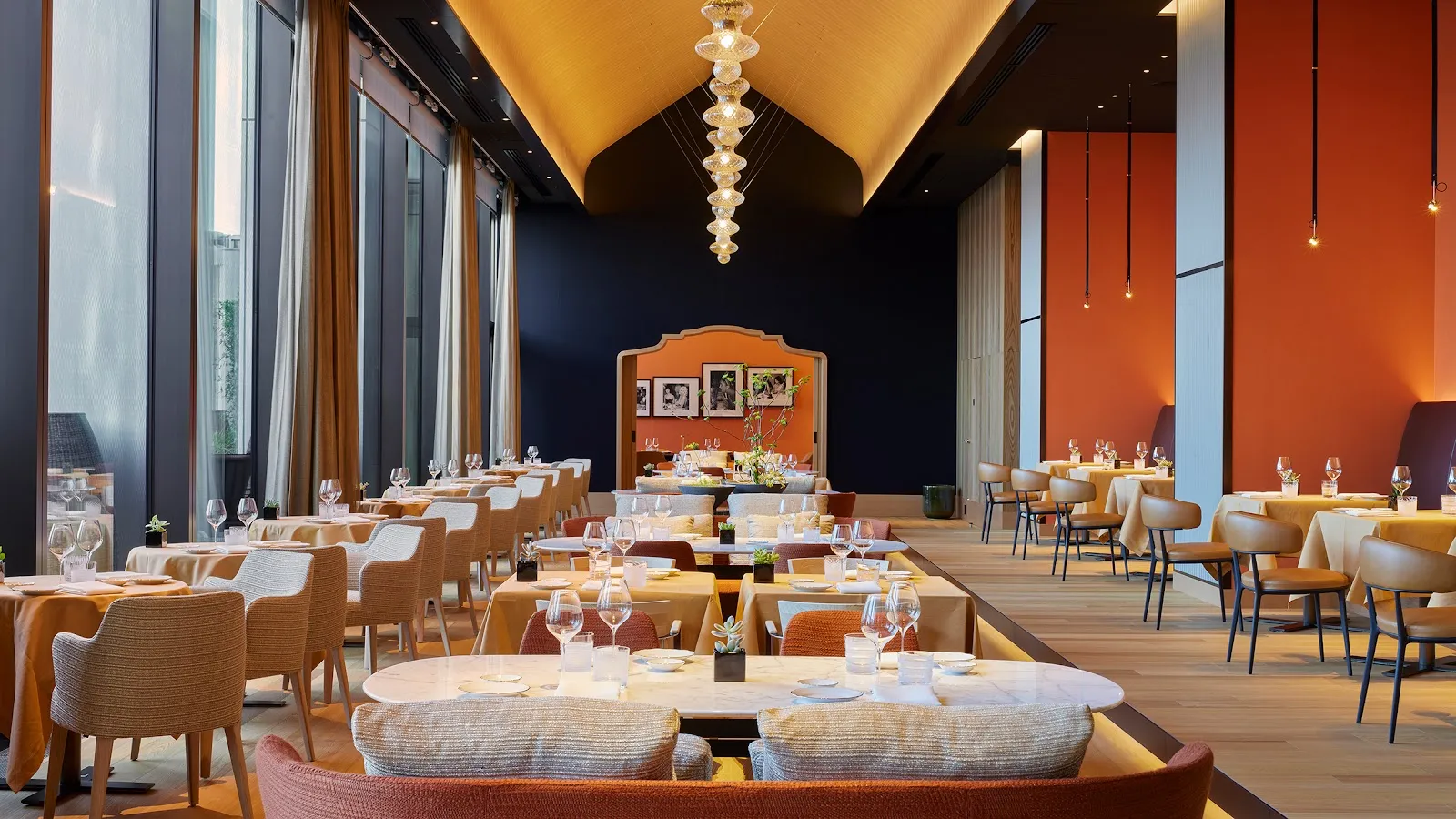
Il Ristorante , Niko Romito occupies the 40th floor of the Bvlgari Hotel Tokyo at 2-2-1 Yaesu in Chuo-ku, with menus directed by Niko Romito, the three-Michelin-star chef of Reale in Abruzzo, and run day to day by resident chef Mauro Aloisio. It has held one Michelin star for three years running, cooking a precise, classical Italian rather than an adventurous one. The Cotoletta alla Milanese is the calling card, the handmade pasta is restrained and worth a course, and prices run from ¥16,500 at lunch to ¥34,000 for the full tasting. With Bvlgari service and a view over Tokyo Station, it is the city's room to impress. Book a week or two ahead through TableCheck or the concierge and ask for a window seat.
Reserve via the Bvlgari concierge; the Antipasto all'Italiana, then the Cotoletta alla Milanese.
2.FARO
Shiseido's vegetable-forward Ginza room; book for the Green Star tasting and Kotaro Noda's herb-led cooking.
FARO sits on the 10th floor of the Shiseido building in Ginza, and chef Kotaro Noda has held both a Michelin star and a Michelin Green Star there for several years, the latter for a kitchen built around vegetables, herbs and sustainable sourcing rather than luxury protein. Noda's cooking is the most personal on this list, an Italian sensibility filtered through a near-vegetarian discipline that few starred rooms attempt, with tasting menus in the mid-five figures of yen. The view over Ginza and the calm, light-filled room make it a daytime favorite. It is the choice for a diner who wants Italian cooking with a point of view. Book a week ahead; lunch is the easier seating.
Reserve direct; the vegetable-forward tasting that earned the Green Star.
3.Bvlgari Il Ristorante Luca Fantin
Named Asia's most creative Italian; book for Luca Fantin's Mediterranean fish routed through Japanese produce.
Luca Fantin has cooked his modern Italian menu in Ginza for well over a decade, and Gambero Rosso has awarded the room Three Forks and named it the most creative Italian restaurant in Asia. Fantin's signature is Mediterranean technique built on Japanese ingredients, fish at its seasonal peak, vegetables at their best, plated with the restraint of a chef who married two food cultures rather than blending them. Tasting menus run in the high ¥20,000s, the wine program is deep in Italian regions, and the room is sleek and quiet. It is the connoisseur's Tokyo Italian, the one to come to second after the headline names. Reserve a week or two ahead.
Book direct; the tasting menu and an Italian region you don't know.
4.Ristorante Honda
Tetsuya Honda's seasonal Aoyama room; book for pasta built entirely around the best Japanese ingredient of the day.
Tetsuya Honda trained in France and Italy and cooked at Alporto in Nishi-Azabu before opening Ristorante Honda in Kita-Aoyama, near Gaienmae, and the Michelin Guide has carried it for years. The theme is seasonality: Honda's dishes link Italian tradition to whatever Japanese produce, fish or game is at its peak, with the pasta course usually the high point. The room is warm and unshowy, the prices are gentler than the hotel rooms above, and the cooking is consistently precise. It is the neighborhood-feeling Italian that happens to cook at a high level. Reserve several days ahead for dinner; lunch is easier.
Book direct; whatever pasta the kitchen is building around the season.
5.Ristorante Massa
The Nishi-Azabu pioneer of Japanese-Italian; book the counter for a 35-year-old kitchen that still sets the template.
Masahiko Kobe opened Ristorante Massa in Nishi-Azabu in 1990 and helped invent the idea of Japanese-Italian cooking that the rest of this list inherited; the room marked its 35th anniversary in late 2025 and reopened after a renovation that put an L-shaped open kitchen in front of every seat. Kobe, a winner of the original televised Italian Iron Chef battles, cooks a classical, generous Italian deepened by Japanese produce, and the counter is the place to watch him work. It is the city's elder statesman of the genre, and a reminder of where the hybrid began. Reserve a few days ahead and take the counter.
Book direct; a counter seat and the chef's seasonal menu.
How Tokyo eats Italian
Italian is one of Tokyo's great non-Japanese cuisines, and the city treats it with the discipline it gives its own. The defining move is the use of shun, the Japanese idea of an ingredient at its absolute seasonal peak, inside Italian forms: pasta, risotto, a whole fish, a cutlet. Chefs like Kotaro Noda, Luca Fantin and Tetsuya Honda spent years in Italy and now cook a version of it that depends on Tokyo's markets, which is why the food tastes Italian in shape but unmistakably Japanese in its produce.
Geography concentrates the best of it. Ginza holds FARO and Luca Fantin; Yaesu has the Bvlgari Hotel's Niko Romito; Aoyama, Nishi-Azabu and Daikanyama hold Honda, Massa and I Lunatici. The hotel rooms book through TableCheck or the concierge and reward asking for a window; the counter rooms reward calling a few days out. For the rest of the city's dining beyond Italian, the Tokyo dining guide maps every neighborhood by occasion.
Where not to look for it
Skip these for serious Italian
Hotel-buffet "Italian corners." The pasta-and-pizza stations in big tourist hotels trade on convenience, not craft. If you want Italian in Tokyo, book one of the rooms above instead and treat it as a destination, not a fallback.
Niko Romito or Luca Fantin for a cheap, casual night. These are smart-dress, hotel-priced occasions. For a relaxed Italian dinner at a saner price, point yourself at Ristorante Honda or the Daikanyama counter I Lunatici.
Frequently asked
What is the best Italian restaurant in Tokyo?
Il Ristorante , Niko Romito, on the 40th floor of the Bvlgari Hotel Tokyo, is the city's apex Italian room, holding a Michelin star for three years running with menus directed by the three-star Italian chef Niko Romito. For a more personal kitchen, FARO at Shiseido in Ginza holds a Michelin star and a Green Star for its vegetable-forward cooking, and Luca Fantin's Ginza dining room is the connoisseur's pick. Choose by whether you want the hotel grandeur or a chef's room.
Which Italian restaurants in Tokyo have Michelin stars?
Il Ristorante , Niko Romito at the Bvlgari Hotel Tokyo holds one Michelin star, and FARO at the Shiseido building in Ginza holds one Michelin star plus a Green Star for sustainability under chef Kotaro Noda. Bvlgari Il Ristorante Luca Fantin sits in the Michelin Guide and was named Italy's most creative restaurant in Asia by Gambero Rosso. Ristorante Honda and the Daikanyama counter I Lunatici round out the Michelin-recognized Italian cooking in the city.
Why is Italian food in Tokyo so good?
Tokyo brings the same obsession to Italian cooking that it brings to sushi: chefs who train for years in Italy, then return to apply that technique to Japanese seasonal produce and fish at peak. The result is a hybrid that neither Milan nor Rome quite cooks, Mediterranean forms built on Japanese ingredients. Rooms like FARO, Luca Fantin and Ristorante Honda are the clearest examples, and several have been recognized as among the best Italian outside Italy.
How far ahead should I book Italian restaurants in Tokyo?
Book Niko Romito and Luca Fantin one to two weeks out, and reserve through TableCheck or the hotel concierge; window tables and weekend dinners go first. FARO and Ristorante Honda take a week's notice for dinner and are easier at lunch. I Lunatici and Ristorante Massa, both counter-driven, reward a few days' notice. Lunch is consistently easier than dinner across all of them.
What should I order at a Tokyo Italian restaurant?
At Niko Romito, order the Cotoletta alla Milanese, the kitchen's calling card, after the Antipasto all'Italiana. At FARO, take the vegetable-forward tasting that earned the Green Star. Luca Fantin's strength is Mediterranean fish routed through Japanese produce, and Ristorante Honda leans on pasta built around the season's best Japanese ingredients. Across the board, the handmade pasta course is where these kitchens show their hand.
More Italian, by city
More from RFK
Browse the full Tokyo dining guide, compare the global picks in the best Italian restaurants worldwide, plan a meal to impress clients at Niko Romito, find an anniversary table in Ginza, or open the full RFK cuisine index.
Restaurants for Kings is reader-supported. Some reservation links are affiliate links with OpenTable, Resy or Tock; we earn a small commission at no cost to you, and a link never buys a place on a ranking. Editorial scores and ranking order are independent of any commercial relationship. See our ranking methodology.