How Yokohama Eats
What to know before you book in Japan's great port city.
Yokohama was the door Japan opened to the world. When the port took foreign trade in 1859, it became the country's most cosmopolitan city, and the dining map still carries that history: Chukagai, the largest Chinatown in Japan; the Western mansions on the Yamate bluff; the izakaya warren of Noge near Sakuragicho. Sitting half an hour south of Tokyo, Yokohama offers most of the capital's culinary ceiling with markedly less of its frenzy, garden-set kaiseki (seasonal multi-course haute cuisine) is easier to find, and the two-star rooms feel less impossible to book than their Tokyo equivalents.
Eat the way the city is built. Spend an afternoon grazing Chukagai for dumplings and steamed buns, then reserve a proper room for the main event. The serious kitchens run kaiseki and omakase (chef's-choice) on set seatings, often a single dinner service starting early, around 18:00, and seating very few. Japan does not tip, so the quoted price is the final price. The waterfront at Minato Mirai 21 holds the hotel and view dining; the heritage and ceremony sit inland and in the northern suburbs.
Best Neighbourhoods for Dinner
Chukagai (Chinatown), Japan's largest, a destination in itself, where Tohgen offers a refined sit-down counterpoint to the street food. Minato Mirai 21, the waterfront towers, home to hotel and view dining. Motomachi & Yamate, the Western-heritage bluff for elegant, quiet rooms. Noge, the dense izakaya-and-bar lanes near Sakuragicho. Azamino, the leafy northern suburb in Aoba ward, home to Ukai-tei's inn-style teppanyaki.
Reservations & Practical Notes
The two-star kaiseki rooms, Masago Saryou and Sugai, book one to three months ahead, run set seatings, and seat very few; treat them like the Tokyo stars they sit alongside. Azamino Ukai-tei and Tohgen need a couple of weeks for a weekend table. Seatings start early. There is no tipping anywhere in Japan. Yokohama is well served by the JR and Minatomirai lines, and most of the dining clusters are an easy walk from a station.
The Yokohama List
Five editorial picks, ranked by the only filter that matters: why you are dining.
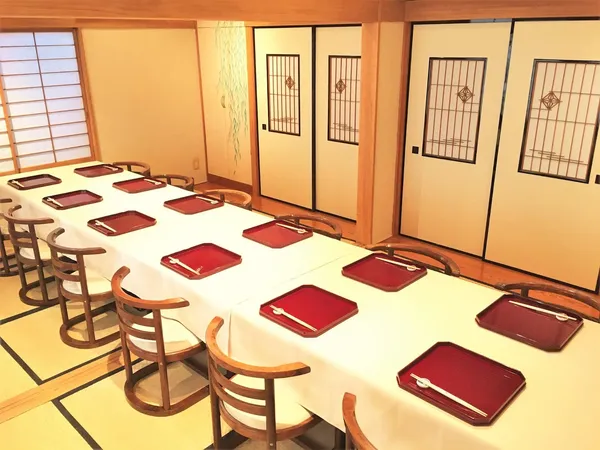
Masago Saryou
Two Michelin stars and a garden setting that makes even Tokyo feel rushed, the city's proposal table. Reserve months ahead and mean it.
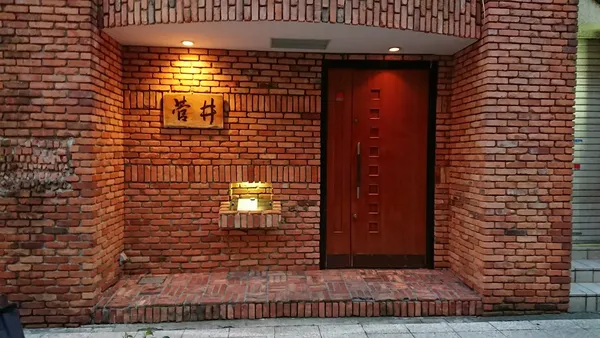
Sugai
Two Michelin stars and a lifetime's restraint compressed into each seasonal course, for a diner who wants the food, and only the food, to speak.
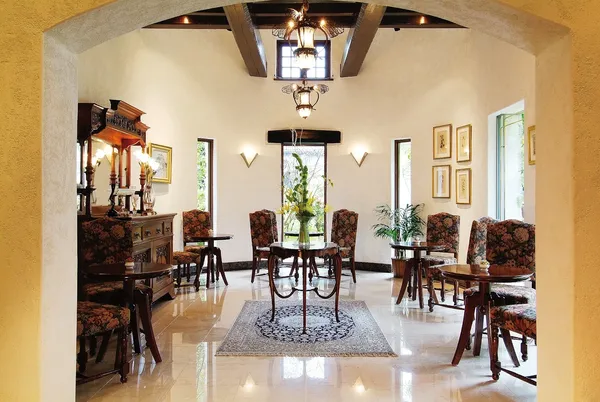
Azamino Ukai-tei
Michelin-recognized teppanyaki inside a French-inn setting, the showmanship of a live counter with the ceremony of a country chateau. Book two weeks out.
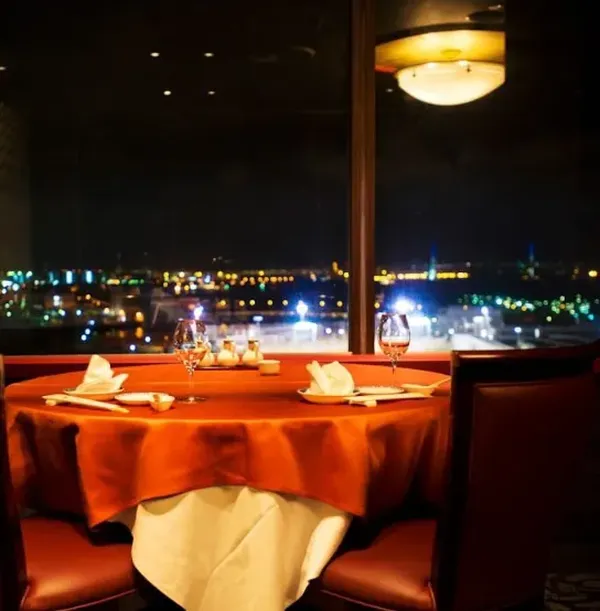
Tohgen
A composed, table-service Chinese room that gives Yokohama's great Chinatown a sit-down register, the group table for a city built on its port heritage.
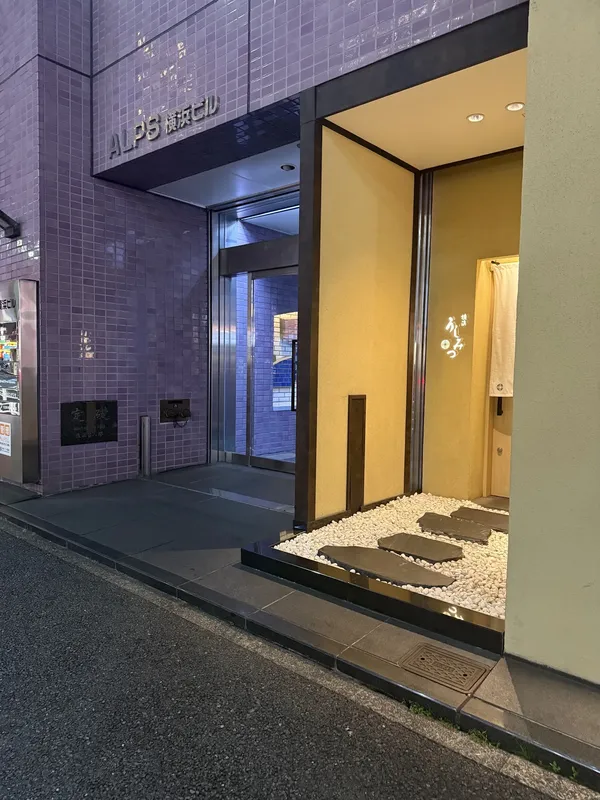
Yokohama Ushimitsu
A premium Japanese beef specialist for the diner who came to Yokohama for wagyu, not ceremony, the straightforward table when the appetite is for meat.
The Top Five, Ranked
If you had one night in Yokohama, in what order would you spend it?
Masago Saryou
Two stars and a garden that slows the whole evening down, the table to reserve months ahead for a proposal you want carried by its setting as much as its kitchen.
Sugai
A lifetime's restraint compressed into each seasonal course, sit at the counter alone and let the food, and only the food, do the talking.
Azamino Ukai-tei
French ceremony meets a live teppanyaki counter inside an inn-style room, bring a birthday here when you want the meal to perform.
Tohgen
The sit-down register Yokohama's vast Chinatown deserves, book it for a team dinner that wants the city's port heritage on the plate.
Yokohama Ushimitsu
No ceremony, no garden, just very good Japanese beef, the honest table to close a deal over when the appetite is for meat.
Not For
Yokohama's two-star kaiseki is not for the spontaneous traveller, Masago Saryou and Sugai run set seatings booked months out, and a same-week request will be politely declined. It is also not for diners who want choice on the night: these are fixed seasonal menus, not à la carte rooms, and dietary substitutions are limited. And do not treat Yokohama as a cheaper Tokyo, the ceiling is genuinely high and priced to match. If the goal is a quick, casual port-city snack, stay in Chukagai's lanes and skip the reservation-only rooms entirely.
Yokohama Dining FAQ
Which Yokohama restaurant has the most Michelin stars?
Yokohama's top tier is its two-star kaiseki. Masago Saryou holds two stars and a garden setting; Sugai holds two stars for a kaiseki built on a lifetime's restraint. Azamino Ukai-tei completes the upper tier with Michelin-recognized teppanyaki in the northern suburbs. See more under best for a proposal.
How is dining in Yokohama different from Tokyo?
Yokohama trades Tokyo's density for room to breathe. As Japan's great port city, opened to foreign trade in 1859, it carries a cosmopolitan streak: the largest Chinatown in Japan at Chukagai, Western heritage on the Yamate bluff, and waterfront dining around Minato Mirai 21. The pace is calmer, garden settings are easier to find, and the best kaiseki rooms feel less frantic to book than their Tokyo equivalents.
Where should I eat in Yokohama's Chinatown?
Chukagai is the largest Chinatown in Japan and a destination in its own right. For a refined, sit-down version of the genre rather than a street snack, Tohgen offers a composed Chinese dining room that honours the district's heritage. Eat your way through the lanes for dumplings and buns, then book a proper room for the main event.
How far ahead should you book?
The two-star kaiseki rooms book one to three months ahead and mean it; both run set seatings, often a single dinner service, and seat very few. Azamino Ukai-tei and Tohgen need a couple of weeks for a weekend table. Japan does not tip, so the price you are quoted is the price you pay. Kaiseki and omakase seatings start early, often around 18:00.
Is Yokohama good for a special-occasion dinner?
Yes, few cities do garden-set ceremony better. Masago Saryou's two stars and its garden make it the proposal or anniversary table. For a celebratory dinner with theatre, Azamino Ukai-tei's live teppanyaki counter turns the meal into a performance. Sugai is the table for a diner who wants only the food to speak.