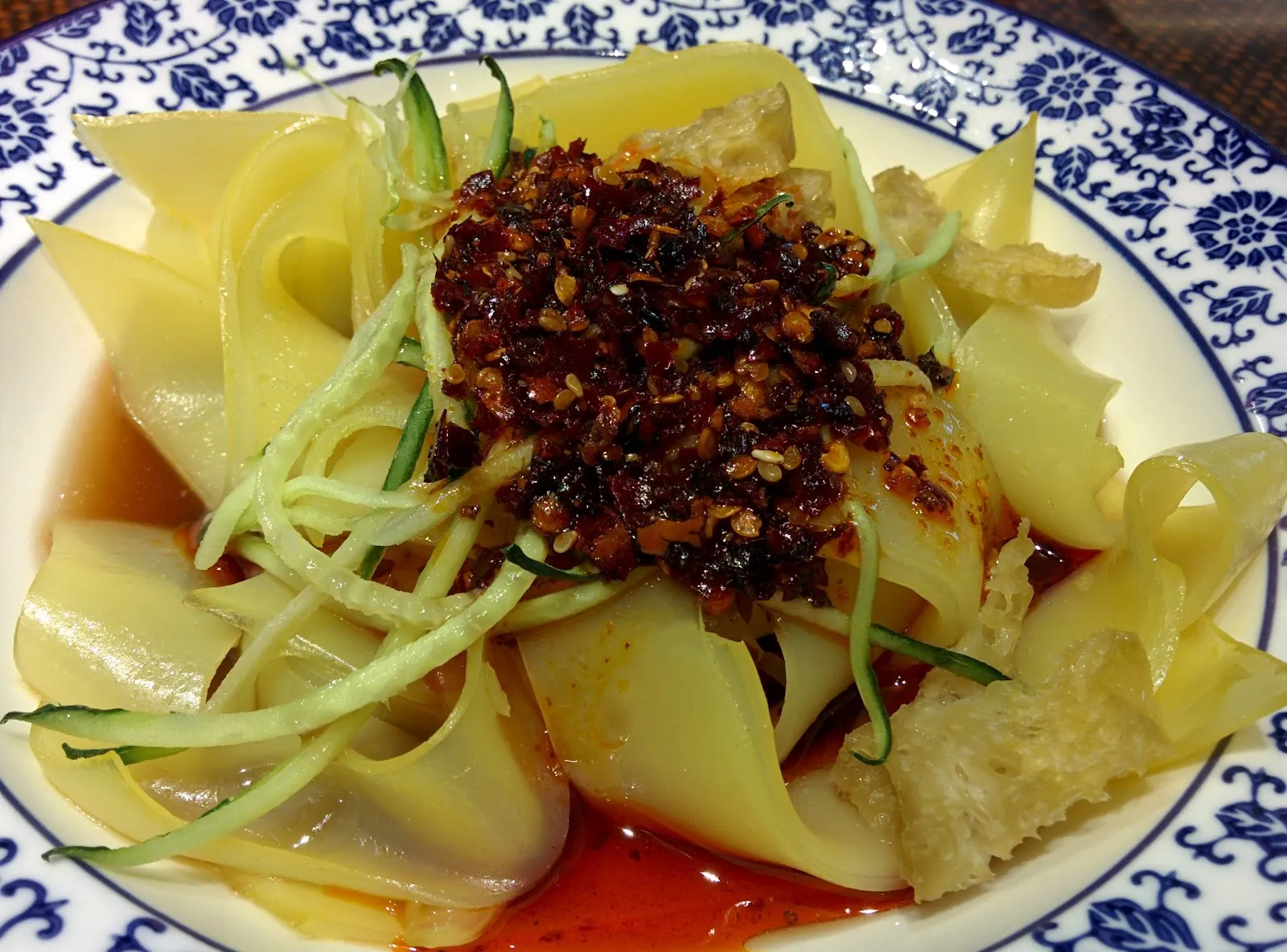
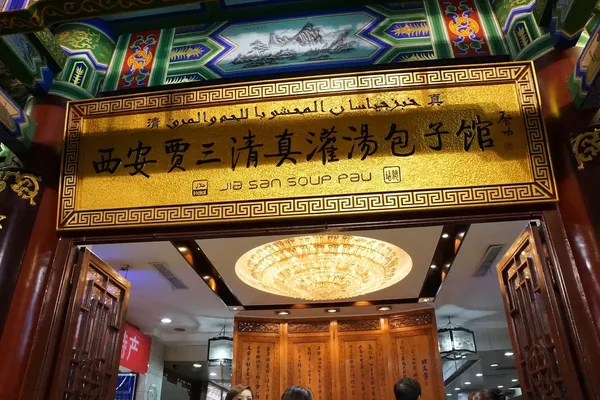
"Xi'an's paomo benchmark since 1898; you tear the bread yourself. Go once, solo, before the Muslim Quarter crowds arrive."
About Lao Sun Jia
The bread arrives untorn. At Lao Sun Jia you shred the dense mo flatbread yourself, pea-sized if you respect the dish, then hand the bowl back so the kitchen can flood it with mutton broth, glass noodles and slow-simmered lamb. The house has run this ritual since 1898, when Sun Guangxian and his nephew Sun Wannian opened at the Duanlumen crossing on Dong Dajie in the last years of the Qing dynasty, and the name itself means the Old Sun Family.
Lonely Planet and the Rough Guide still call it the city's benchmark for yangrou paomo, and on that single dish the claim holds. The branch to use is at 178 Beiyuanmen in the Muslim Quarter, a hundred metres north of the Drum Tower; it anchors the Xi'an dining guide alongside De Fa Chang's dumpling banquets and Jia San Guantang Baozi up the same street.
The Kitchen
No celebrity chef runs this line and none ever has. The kitchen works to a house method now over a century and a quarter old, handed down through the brand the Sun family founded and run today by its sixth generation of cooks: a halal Hui kitchen, lamb and beef only, broth simmered long enough that the fat emulsifies rather than floats. The skill you are paying for is consistency at volume, the thing time-honored Chinese houses are built to deliver. The state has put its stamp on it: Lao Sun Jia holds the Ministry of Commerce's "China Time-Honored Brand" title, and its paomo-making technique was listed as Shaanxi provincial intangible cultural heritage in 2009 and recognised as a national-level intangible-heritage project in 2023.
The bowl itself rewards attention. Tear the two mo loaves small and the bread drinks the broth while keeping a chew; tear lazily and you get dumplings of regret. The kitchen grades the soup to your tearing, ladling over glass noodles, sheets of lamb and a scatter of scallion, and the table kit of pickled sweet garlic and chilli paste is not optional; the garlic resets your palate between spoonfuls. Expect ¥30 to ¥50 a head all in, with the premium lamb bowl at the top of that band. Order a bottle of ice peak soda, the local orange pop, and you have done it correctly.
The Room
Canteen-brisk and proudly unromantic: big tables, hard seats, fluorescent-bright light and a noise level that rides the lunch rush. Service moves at the speed of the queue, and the queue at the Beiyuanmen branch builds from late morning as the Muslim Quarter fills. Solo diners get seated fastest, often at shared tables, which is half the experience; the other half is the street itself, the most concentrated eating corridor in western China, roaring past the door.
Best for Solo Dining
Book nothing; just go. This is one of the best solo dining rituals in China because the dish hands a lone traveller a task: ten quiet minutes of tearing bread is the most natural way to occupy a single seat ever devised, and the shared tables make conversation available without requiring it. Arrive before 11:30 or after 14:00 to skip the crush. Groups work too; a long table tearing bread together is a better team dinner opener than any icebreaker. It earns its place among the best Chinese restaurants worldwide on lineage rather than luxury.
Not for
Not for white-tablecloth expectations. Service is brisk, tables turn fast, the room is loud, and the bread-tearing is your job, not the waiter's.
Frequently Asked
Is Lao Sun Jia worth it?
Yes, once, and specifically for the yangrou paomo ritual at the source. The house has served the dish since 1898 and remains the name every guidebook and local argument starts from. Manage expectations on everything that is not the signature bowl: this is a fast, loud, functional canteen, not a destination meal, and diners wanting comfort should book De Fa Chang instead.
How does the bread-tearing ritual work?
You are given two rounds of dense, half-leavened mo bread and an empty bowl. Tear the bread into pieces the size of a pea; smaller is better because the broth penetrates fully. Hand the bowl to the staff, who ladle mutton broth, glass noodles and sliced lamb over your work, and eat it with the pickled sweet garlic on the table. The tearing takes ten minutes done properly, and locals judge you on it.
How much does Lao Sun Jia cost?
Thirty to fifty yuan per person, roughly five to seven US dollars, covering a premium paomo bowl, garlic, chilli and a soda. That price point is the entire argument for eating where locals eat in Xi'an: the same budget covers one appetiser in the hotel restaurants reviewed across the Xi'an dining guide. Pay at the counter; cash or Chinese mobile payment apps work, foreign cards mostly do not.
Which Lao Sun Jia branch should I visit?
The Beiyuanmen branch at number 178, a hundred metres north of the Drum Tower in the Muslim Quarter. The brand has operated multiple rooms since its Dong Dajie origins, but Beiyuanmen puts you inside the city's best eating street, with Jia San Guantang Baozi a short walk away for the soup-dumpling chaser. Go before 11:30 to beat the tour groups.
Is Lao Sun Jia halal?
Yes. It is a Hui Muslim house and has been since 1898: lamb and beef only, no pork anywhere in the kitchen, and the surrounding Beiyuanmen corridor follows the same rules. Vegetarians have thin options here since the broth is the dish; the vegetable noodle stalls deeper in the Muslim Quarter serve that need far better than a paomo specialist can.
Reserve a Table →
Reserve a Table
Reserve at Lao Sun Jia
Walk-in only; no reservations. The queue moves quickly, and off-peak hours clear it entirely.
Affiliate disclosure: Restaurants for Kings may earn a commission when you book through our reservation links, at no cost to you. Our scores are editorial and never paid for.
Practical Information
Address178 Beiyuanmen, Lianhu District, Xi'an
NeighbourhoodBeiyuanmen, Muslim Quarter
CuisineShaanxi Muslim (Hui)
Price¥30–¥50 per person
Dress CodeNo rules
SeatingLarge shared tables, canteen format
ReservationWalk-in only